
Blog / Vehicle Ownership Tips

Blog

All Vehicle Ownership Tips Buying Guides New Vehicle Reviews Maintenance & Service Technology & Innovation Financing & Insurance Model Comparisons Safety Features Used Vehicle Guides Valor Ford Models Seasonal Driving Tips Model Research Towing & Trailer Technology Seasonal Vehicle Care Automotive Parts & Accessories Performance & Powertrain New Vehicle Sales Heavy-Duty Truck Care Junction City Trade-In & Pre-Approval Processes Valor Ford Service Seasonal Vehicle Maintenance Trade-In & Negotiation Tips Financing & Incentives Repair & Parts KS Community Valor Ford Vehicle Sales Off-Road Packages & Accessories Vehicle Trade-In Tips Automotive Repair Engine & Performance Manhattan Ford Service Military & Special Customer Programs Parts & Repairs Service Tips & Guides Vehicle Pricing Strategies Vehicle Repair & Parts Agricultural Vehicle Maintenance Automotive Recalls & Repairs Dealership Transparency Diesel Engine Care Family SUVs Manhattan Ford Dealer Tire Care & Management Automotive News Certified Pre-Owned Programs Commercial Truck Financing Heavy-Duty Truck Guides Heavy-Duty Truck Upkeep Manhattan Used Cars Ownership & Service Preventative Vehicle Inspections Technology & Innovation in Truck Service Agricultural Fleet Service Dealership Promotions & Events Diesel Engine Maintenance Genuine OEM Parts & Accessories Military & Student Moving Tips Vehicle Utility & Cargo Solutions All-Weather Driving & 4x4 Readiness Classic Car Restoration Extended Warranty & Protection Plans Farm & Ranch Equipment Reviews Genuine Parts & Accessories Hybrid & Electric Vehicles Inventory Updates Off-Road & 4x4 Features Winter Driving Tips
2023 ford maverick

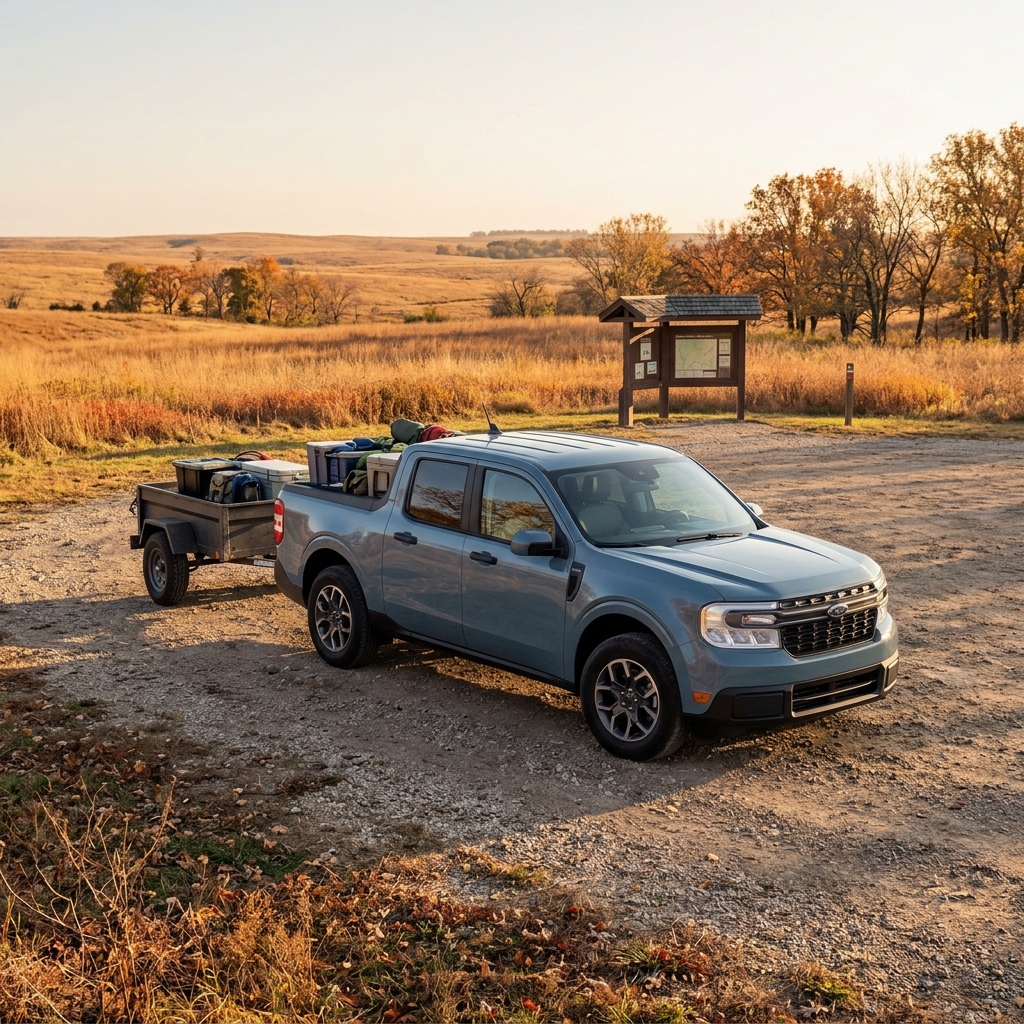
2023 Ford Maverick Towing and Versatility Guide

2023 Ford Maverick Towing and Versatility Guide How Do Bed Lengths Compare Between the 2023 Maverick and 2023 Santa Cruz? The 2023 Ford Maverick cargo bed floor measures 54.4 inches long (4.5 feet), whereas the 2023 Hyundai Santa Cruz cargo bed floor measures 48.4 inches long (4.0 feet). That 6.0-inch advantage gives the Maverick a distinct edge for carrying longer building supplies, outdoor recreation equipment, and standard cargo without letting the tailgate down. When loading materials side-by-side, that extra half-foot of floor length translates into substantial usable space. Between the wheel wells, the Maverick provides 42.6 inches of width, which allows standard sheets of plywood or drywall to sit flat above the wheel arches when using the multi-position tailgate set to its mid-position angle. The Santa Cruz offers a tapering bed footprint that limits floor width and functional stacking options for flat sheet goods. For active buyers around Junction City loading up kayaks, camping gear, or tools for local projects, those extra 6 inches on the bed floor mean less gear hanging over the rear bumper. To see how these dimensions fit your personal hauling needs, stop by our Junction City showroom location or give our team a quick call to measure the bed in person. Table of Contents What Is the Maximum Towing Capacity of the 2023 Ford Maverick? What Is Included in the Ford Maverick 4K Tow Package and What Did It Cost? What Types of Trailers Can a 2023 Ford Maverick Tow Safely? How Do You Activate Tow/Haul Mode on the 2023 Ford Maverick? What Is the Payload Capacity and Bed Dimensions of the FLEXBED System? What Is the Maximum Towing Capacity of the 2023 Ford Maverick? The 2023 Ford Maverick delivers a maximum towing capacity of 4,000 lbs when equipped with the available 2.0L EcoBoost turbocharged engine, all-wheel drive, and the optional 4K Tow Package. Standard Maverick models—including the 2.5L Hybrid front-wheel-drive powertrain and base EcoBoost configurations without the towing package—are rated for a maximum towing capacity of 2,000 lbs. The powertrain choice directly determines your maximum trailering capability. The 2.5L Hybrid engine generates a combined 191 horsepower and is paired with a continuously variable automatic transmission ( CVT), returning an impressive EPA-estimated 37 mpg combined. However, this hybrid setup is exclusively front-wheel drive and cannot be optioned with the hardware necessary to achieve the higher 4,000-pound threshold. If your trailering demands require pulling heavier loads, the turbocharged 2.0L EcoBoost produces 250 hp and 277 lb-ft of torque through an 8-speed automatic transmission. When paired with intelligent all-wheel drive, this engine provides the mechanical strength needed to haul mid-size utility loads or recreational trailers. Drivers who want to explore broader vehicle options can check out our 2026 Ford Maverick research page or compare mid-size capability across our new Ford Bronco inventory. Should you ever need replacement hardware or hitch components down the road, you can easily order genuine Ford parts directly through our dealership. 2023 Ford Maverick Dimensions & Capacity Capacity and dimensions by trim Feature Lariat AWD Lariat FWD Lariat Tremor Advanced 4WD XL AWD XL FWD XLT AWD Seating 5 5 5 5 5 5 Cargo 33.3 cu ft 33.3 cu ft 33.3 cu ft 33.3 cu ft 33.3 cu ft 33.3 cu ft Curb weight 3,731 lbs 3,674 lbs 3,731 lbs 3,731 lbs 3,674 lbs 3,731 lbs Towing 2,000 lbs 2,000 lbs 2,000 lbs 2,000 lbs 2,000 lbs 2,000 lbs Payload 1,500 lbs 1,500 lbs 1,500 lbs 1,500 lbs 1,500 lbs 1,500 lbs Dimensions & Capacity (continued) Feature XLT FWD XLT Tremor Advanced 4WD Seating 5 5 Cargo 33.3 cu ft 33.3 cu ft Curb weight 3,674 lbs 3,731 lbs Towing 2,000 lbs 2,000 lbs Payload 1,500 lbs 1,500 lbs What Is Included in the Ford Maverick 4K Tow Package and What Did It Cost? Contact us for current pricing on the 2023 Ford Maverick's 4K Tow Package enhances towing capabilities but mandates the 2.0L EcoBoost engine and all-wheel drive. This factory package adds critical mechanical cooling upgrades, shorter axle gearing, and integrated electronic trailering controls to double the truck's pull rating from 2,000 lbs to 4,000 lbs. Hardware additions inside the package focus heavily on thermal management and drivetrain durability under heavy load. Key components include: A higher-capacity radiator and upgraded engine cooling fan A dedicated transmission oil cooler to manage fluid temperatures under continuous load A shorter 3.81:1 final drive axle ratio for enhanced low-end pulling power A 7-pin trailer wiring harness alongside the standard 4-pin connector A factory trailer hitch receiver with an integrated trailer brake controller Opting for this package ensures that key mechanical components remain within safe operating temperatures when pulling heavy loads up steep grades or through hot weather. Buyers browsing our pre-owned vehicle inventory for a used 2023 Maverick should check the window sticker or inspect the rear bumper to confirm the presence of the 7-pin connector and factory brake controller, as these hardware items cannot be fully replicated via simple aftermarket hitches. 2023 Ford Maverick Pricing Pricing by trim Trim Base MSRP Destination charge Lariat AWD $30,575 $1,595 Lariat FWD $28,355 $1,595 Lariat Tremor Advanced 4WD $28,355 $1,595 XL AWD $24,815 $1,595 XL FWD $22,595 $1,595 XLT AWD $27,075 $1,595 XLT FWD $24,855 $1,595 XLT Tremor Advanced 4WD $24,855 $1,595 What Types of Trailers Can a 2023 Ford Maverick Tow Safely? Single-axle utility trailers, teardrop campers, and small boats up to 4,000 lbs are within the safe towing range of a 2023 Ford Maverick equipped with the 4K Tow Package. Standard 2,000 lbs rated Maverick models are ideal for small open utility trailers, jet skis, canoe trailers, and light cargo haulers. Calculating your actual towing weight requires adding the dry weight of the trailer to the weight of fuel, water, cargo, and accessories stored inside it. For example, a small aluminum utility trailer weighing 800 pounds empty carrying 1,500 pounds of landscaping materials yields a total weight of 2,300 pounds—which requires the 4K Tow Package. Additionally, drivers must account for tongue weight, which should stay between 10% and 15% of the total loaded trailer weight without exceeding the truck's maximum rated payload. Maintaining safe trailering habits involves checking tire pressures, verifying lighting connections, and ensuring your brake controller is calibrated before hitting the highway. If you want our certified technicians to inspect your vehicle's hitch alignment or wiring connections before a long road trip, you can schedule Ford service online at your convenience. How Do You Activate Tow/Haul Mode on the 2023 Ford Maverick? Tow/Haul mode on the 2023 Ford Maverick is activated by pressing the drive mode button located on the center console immediately adjacent to the rotary gear shift dial. Repeatedly pressing this button cycles through available drive modes on the instrument cluster display until Tow/Haul is selected and illuminated. When engaged, the vehicle's powertrain control module alters the shift logic of the 8-speed automatic transmission. The transmission holds lower gears longer during acceleration to maximize engine torque and downshifts earlier during deceleration to provide engine braking, which reduces wear on the hydraulic service brakes when descending inclines. Service members at Fort Riley who haul heavy tactical crates or trailered equipment across rolling terrain will appreciate how Tow/Haul mode prevents unwanted gear hunting on uphill stretches. If you are considering upgrading your current vehicle to a truck equipped for heavy hauling, you can start the process by completing a value your trade-in form online. What Is the Payload Capacity and Bed Dimensions of the FLEXBED System? The 2023 Ford Maverick features a maximum payload capacity of 1,500 lbs across all trim levels and engine choices, supported by the versatile FLEXBED storage system. The bed floor measures 54.4 inches long with the tailgate closed, 42.6 inches wide between the wheel wells, and features a low bed-side height that makes loading heavy gear straight over the rails effortless. Ford designed the FLEXBED specifically for DIY customization and practical daily utility. Key functional features built directly into the bed sheet metal include: A multi-position tailgate that can be locked at a 45-degree angle using support cables, aligning its height with the wheel wells to carry 4x8 sheets of plywood flat Pre-cut vertical and horizontal stamped slots in the bed sides that accept standard 2x4 or 2x6 lumber to create segmented cargo dividers Threaded bed holes and Integrated Tether System slots designed for tie-downs, D-rings, or custom 3D-printed accessory mounts Available 110-volt outlets in the bed capable of powering small electric tools or camping equipment When customers walk onto our lot comparing compact trucks, they usually ask to see how plywood sits in the bed before we even open the hood. Understanding how payload capacity works alongside towing capacity is crucial: any tongue weight exerted by a trailer counts directly against your 1,500 lbs total payload limit. To explore the Maverick in person, visit our showroom address at 1825 Goldenbelt Blvd, call us directly at (785) 238-5114, or start your buying journey early when you get pre-approved for financing online. © 2026 Valor Ford. All rights reserved. Vehicle specification data © JATO Dynamics Limited.

My Take on the Ford SUV Lineup — Insights From Valor Ford

My Take on the Ford SUV Lineup — Insights From Valor Ford

My Take on the Ford SUV Lineup — Insights From Valor Ford What SUV Models Does Ford Offer for 2027? Ford offers a versatile 2027 SUV lineup designed for every driving need, anchored by the compact Escape and off-road Bronco Sport, the midsize two-row Bronco, the three-row family Explorer, the full-size Expedition and Expedition MAX, and the all-electric Mustang Mach-E. Whether you need daily efficiency, serious off-road 4x4 capability, or seating for up to eight passengers with high-capacity towing, Ford builds a purpose-built crossover or SUV to fit your lifestyle. When families visit our showroom floor, they are usually looking for a clear balance between daily versatility and true all-weather capability. A major reason the lineup resonates so well with drivers taking the daily commute along I-70 through Junction City is that Ford builds real capability into every platform rather than just adding cosmetic trim. For buyers who want off-road equipment right out of the box, the 2-door and 4-door Bronco models deliver standard 4x4 with high-clearance suspension options. You can explore our new Ford Bronco selection to see how the advanced terrain management setup compares to traditional utility vehicles. For maximum daily utility, the crossover side of the lineup provides smooth highway efficiency and flexible seating configurations. Compact crossovers like the Escape and Bronco Sport offer light-duty agility, while the three-row Explorer and full-size Expedition give growing families expansive passenger space and heavy-duty towing limits. If you want to check out specific models in person, you can get directions to our showroom or give our staff a quick phone call to confirm current floor availability. Table of Contents How Much Does the 2027 Ford Explorer Cost and Which Trim Offers the Best Value? How Does the Ford Explorer Compare to the Toyota Highlander? How Much Can the 2027 Ford Explorer Tow and Handle Family Cargo? What Is Ford BlueCruise and Which SUVs Offer Hands-Free Highway Driving? What Financing Incentives, Lease Offers, and Trade-In Options Are Available? How Much Does the 2027 Ford Explorer Cost and Which Trim Offers the Best Value? The 2027 Ford Explorer starts at an entry MSRP of $38,680 for the Active trim with rear-wheel drive, while top-tier performance and luxury configurations like the ST reach $53,875 MSRP before option packages. For most shoppers, the ST-Line trim delivers the best balance of price and features by pairing sporty appearance accents and advanced driver-assist options without forcing a jump to the larger twin-turbo V6 engine price bracket. Here is how the starting MSRP breakdown looks across the 2027 Explorer lineup: Trim Level Standard Powertrain Drivetrain Starting MSRP Active 100A 2.3L EcoBoost® I-4 RWD (4WD available) $38,680 Active 200A 2.3L EcoBoost® I-4 RWD (4WD available) $40,615 ST-Line 2.3L EcoBoost® I-4 RWD (4WD available) $44,415 Tremor 2.3L EcoBoost® I-4 Standard Intelligent 4WD $49,415 Platinum 2.3L EcoBoost® I-4 RWD (4WD available) $50,875 ST 3.0L EcoBoost® V6 RWD (4WD available) $53,875 Adding Intelligent 4WD to RWD-standard models adds $2,000 to the base price. Under the hood, the standard 2.3L EcoBoost® I-4 engine produces a robust 300 hp and 311 lb-ft of torque, mated to a smooth 10-speed automatic transmission. For drivers who want aggressive passing power, the available 3.0L EcoBoost® V6 puts out 400 hp and 415 lb-ft of torque, coming standard on the ST trim and available via optional packages on the Tremor and Platinum trims. Shoppers who step up to the ST-Line gain access to 20-inch machined aluminum wheels, black exterior accents, ActiveX® seating material, a surround-view camera system, and hardware compatibility for hands-free highway driving. Families comparing window stickers on our lot often find that trading in a current vehicle makes stepping up to mid-level trims very accessible. You can easily value your trade-in online to establish your equity position, or take a look through our current pre-owned vehicle inventory if you want to explore late-model alternatives. How Does the Ford Explorer Compare to the Toyota Highlander? The 2027 Ford Explorer delivers superior standard horsepower, faster acceleration, and more advanced cabin technology than the Toyota Highlander, giving buyers a more engaging driving dynamic alongside equivalent 5,000-pound maximum towing capabilities. While the Toyota Highlander focuses heavily on smooth efficiency with its standard 265 hp turbocharged 2.4-liter four-cylinder, the Explorer's standard 300 hp 2.3L EcoBoost® I-4 provides noticeably quicker throttle response and confident highway merging. When comparing performance benchmarks, the difference becomes even clearer. The performance-tuned Explorer ST with its twin-turbo 3.0L EcoBoost® V6 accelerates from 0 to 60 mph in roughly 5.1 seconds, whereas the Highlander takes approximately 7.2 seconds to reach 60 mph. In terms of interior tech, every 2027 Explorer comes standard with a 13.2-inch center touchscreen running the Ford Digital Experience with native Google Maps integration, outsizing the Highlander's standard 8.0-inch display. EPA fuel economy estimates for the Explorer remain competitive for a non-hybrid midsize crossover, earning up to 24 mpg combined ( 20 mpg city / 29 mpg highway) in rear-wheel-drive four-cylinder trim. Both vehicles offer seating for up to seven passengers, but the Explorer's rear-wheel-drive-based architecture gives it a distinct handling advantage around tight corners and under heavy loads. You can review detailed specs and model comparisons on our Ford Explorer research page to see how its cabin layout and powertrain options stand out. How Much Can the 2027 Ford Explorer Tow and Handle Family Cargo? Matching the Toyota Highlander's towing capability, the 2027 Ford Explorer can tow up to 5,000 pounds with the Class III Trailer Tow Package, making it ideal for family adventures and heavy cargo. Inside the cabin, the Explorer offers about 16 cubic feet of cargo space behind the third row, expanding to 46 cubic feet with the third row folded, and topping out at about 86 cubic feet with both rear rows folded flat. Cargo utility is enhanced by thoughtful interior engineering that accommodates everyday family demands. A concealed underfloor storage compartment behind the third row keeps smaller tools and valuables secure, while a reversible load floor cover features a washable rubberized surface on one side for muddy sporting gear or wet outdoor equipment. Standard second-row captain's chairs create an easy pass-through aisle to the rear seats, or families can opt for an available second-row bench to seat seven passengers total. When loading gear, the wide rear liftgate opening makes taking advantage of the full cargo area straightforward. When I walk families through the vehicle on a first visit, I usually show them how the third-row 50/50 split-folding seats fold down flush with the floor with a single manual pull or power button. Whether you are packing luggage for a cross-country highway road trip or loading camping equipment for a weekend at local parks, the Explorer combines practical interior space with serious pulling power. What Is Ford BlueCruise and Which SUVs Offer Hands-Free Highway Driving? Ford BlueCruise is an advanced driver-assist technology that enables hands-free highway driving on over 130,000 miles of prequalified, divided North American highways known as hands-free Blue Zones. Using a network of radar sensors, camera systems, and a driver-facing optical camera, BlueCruise manages steering, braking, lane centering, and acceleration while monitoring head position to ensure your eyes remain attentive on the road ahead. In the Ford SUV lineup, Ford BlueCruise hardware is available on select trims of the Explorer, Expedition, and Mustang Mach-E. The system incorporates intelligent convenience features designed to reduce driver fatigue during long highway trips: Lane Change Assist: Initiates a hands-free lane change when the driver taps the turn signal stalk and the adjacent lane is clear. In-Lane Repositioning: Subtly shifts the vehicle's lateral position within its lane to maintain extra physical buffer space when passing large semi-trucks or wide loads. Automatic Lane Change: Automatically suggests or executes lane changes to pass slower-moving traffic when conditions permit. Owners can choose flexible subscription structures after an initial trial period, including a $495 annual plan, a $49.99 monthly option, or a $2,495 one-time purchase that covers ownership for seven years. By keeping the vehicle centered and maintaining set follow distances, hands-free highway driving transforms extended trips into far less taxing experiences. What Financing Incentives, Lease Offers, and Trade-In Options Are Available? Ford Credit regularly offers competitive financing incentives, low introductory APR rates, promotional lease packages, and factory customer cash programs across the SUV lineup. Seasonal incentives and regional bonus cash frequently lower out-of-pocket costs on new Explorer, Bronco Sport, and Expedition models, making it easier to structure payments around your household budget. For service members and military families stationed at nearby bases like Fort Riley, Ford also offers specialized military incentive programs that can be combined with current national retail offers. Structuring a vehicle purchase involves looking at the complete picture, including your trade-in equity, chosen financing term, and down payment. Submitting an online credit profile early helps our finance team lock in eligible interest rates and regional incentives before you set foot on the lot. Taking advantage of these purchase programs begins with establishing your finance baseline online. You can quickly apply for pre-approval online to review current finance rates and potential monthly payment structures. When you are ready to take a test drive or review incentive figures in person, our staff is available if you want to give us a quick call or stop by our showroom location to explore the entire Ford SUV family. Keep Your Vehicle Running Strong Keep your vehicle performing at its best with our service team: Schedule Pickup and Delivery Service Schedule Ford Service Today Order Genuine Ford Parts © 2026 Valor Ford. All rights reserved.

Is the 2023 Ford F-150 a Good Choice for Farm Work?

Is the 2023 Ford F-150 a Good Choice for Farm Work?

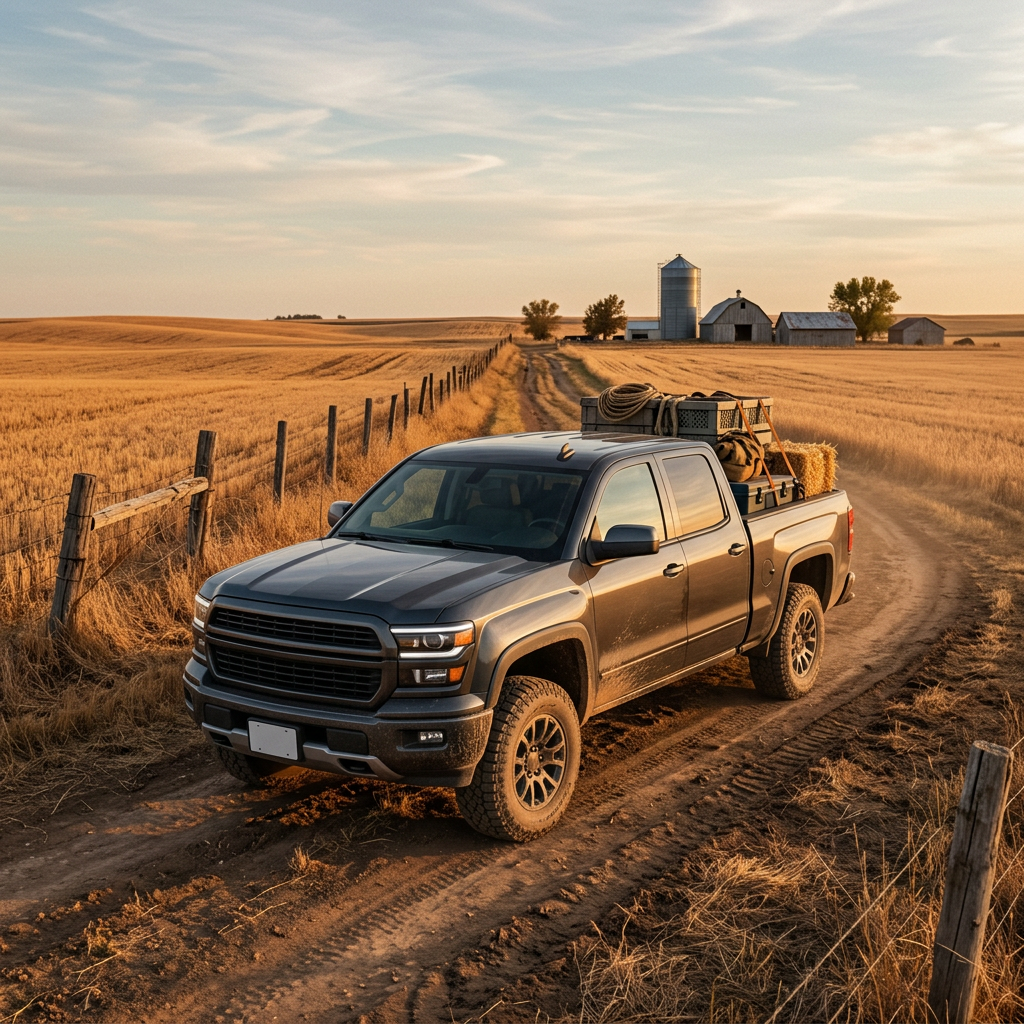
Is the 2023 Ford F-150 a Good Choice for Farm Work? The 2023 Ford F-150 is an ideal pickup for farm work because it combines a maximum conventional towing capacity of 14,000 pounds, a peak payload capacity of 3,250 pounds, and job-site innovations like Pro Power Onboard generator power. Remaining new 2023 models give agricultural operators heavy-duty utility at a strong value proposition while retaining full factory warranty coverage. Surrounding the fertile agricultural ground around Junction City, farm management demands equipment that performs reliably through heavy hauling, dirt field transit, and demanding daily chores. The 2023 F-150 is engineered on a fully boxed high-strength steel frame paired with a military-grade aluminum-alloy body. This construction reduces vehicle weight without sacrificing structural rigidity, allowing more of the truck's engine power to be directed toward payload and towing capacity. For agricultural operations managing equipment fleets, livestock transport, or field supplies, remaining 2023 stock offers work-ready capability right off the lot. To explore current pickup availability or speak with our sales specialists, visit our Goldenbelt Boulevard location or give our team a call at (785) 238-5114. Table of Contents What Is the Maximum Towing Capacity of the 2023 Ford F-150 for Hauling Farm Loads? Which F-150 Engines Offer the 7.2 kW Pro Power Onboard Generator and Flex-Fuel Capability? Which Bed Utility Features Help Organize and Power Tools on the Farm? How Do Section 179 Tax Write-Offs and Factory Warranties Apply to Aged 2023 Stock? Frequently Asked Questions About 2023 Ford F-150 Farm Pickups Take the Next Step Toward Your Work-Ready Pickup What Is the Maximum Towing Capacity of the 2023 Ford F-150 for Hauling Farm Loads? Equipped with the 3.5L EcoBoost V6 and Max Trailer Tow Package, the 2023 Ford F-150 can tow up to 14,000 pounds, making it a powerhouse for farm hauling needs. This towing capability allows producers to haul heavy livestock trailers, seed tenders, tractor implements, and loaded round-bale trailers across pastures and highways. Achieving the 14,000 pounds maximum tow rating requires specific factory equipment combinations. The truck must feature the 3.5L EcoBoost V6, which produces 400 hp and 500 lb-ft of torque, alongside a 3.55 electronic-locking rear axle, an extended-range fuel tank, and the Max Trailer Tow Package. The electronic-locking rear axle ensures both rear wheels turn at identical speeds, delivering maximum traction when pulling heavy trailers out of mud or wet field rows. Across the complete engine lineup, towing limits vary based on powertrain choice: 3.5L EcoBoost V6: Maximum towing capacity of 14,000 pounds with a 3,250 pounds payload rating. 5.0L Ti-VCT V8: Maximum towing capacity of 13,000 pounds with a 3,325 pounds payload rating. 3.5L PowerBoost Full Hybrid: Maximum towing capacity of 12,700 pounds with a 2,120 pounds payload rating. 2.7L EcoBoost V6: Maximum towing capacity of 10,100 pounds with a 2,480 pounds payload rating. 3.3L Ti-VCT V6: Maximum towing capacity of 8,200 pounds with a 1,965 pounds payload rating. When producers compare engine choices on our sales lot, they often evaluate whether they prioritize the peak towing limit of the twin-turbo V6 or the flex-fuel convenience of the traditional V8. Every engine comes paired with a smooth-shifting 10-speed automatic transmission that optimizes gear ratios to keep engine power in its ideal powerband while pulling heavy loads up steep grades. Farmers interested in researching current Ford F-150 configurations can compare towing packages and bed lengths across our lineup, or browse our new vehicle inventory to see work-ready trucks ready for immediate delivery. Which F-150 Engines Offer the 7.2 kW Pro Power Onboard Generator and Flex-Fuel Capability? The 7.2 kW Pro Power Onboard system is available exclusively on 2023 Ford F-150 models equipped with the 3.5L PowerBoost Full Hybrid powertrain, delivering 7,200 watts of exportable electricity. For farms utilizing bulk fuel storage, the 5.0L Ti-VCT V8 engine features E85 flex-fuel capability, operating on regular gasoline, E85 ethanol, or any blend of the two. The 3.5L PowerBoost Full Hybrid pairs the twin-turbo V6 with a 35 kW electric motor integrated into the 10-speed automatic transmission, generating a combined output of 430 hp and 570 lb-ft of torque. Models with this hybrid engine feature a standard 2.4 kW output system and an optional 7.2 kW Pro Power Onboard system. The 7.2 kW configuration supplies multiple 120V 20-amp outlets and a heavy-duty 240V 30-amp NEMA L6-20 outlet in the bed wall. This system generates enough electricity to simultaneously power air compressors, plasma cutters, electric arc welders, and high-draw battery chargers directly in remote pastures. For conventional gasoline powertrains, including the 2.7L EcoBoost V6, 5.0L Ti-VCT V8, and 3.5L EcoBoost V6, Ford offers an available 2.0 kW system providing 2,000 watts of 120V power through dual bed-mounted outlets. E85 fuel compatibility on the 5.0L Ti-VCT V8 gives farm owners flexible fuel sourcing options. Agricultural operations storing on-site ethanol blends can fuel their pickups directly from farm tanks without risking fuel line corrosion or engine misfires. Across the grazing land and crop acreage throughout Dickinson County, having on-demand electrical power in the pasture saves hours of transport back to the machine shed. Broader inventory choices, including pre-owned work trucks, are available for review through our pre-owned truck inventory page. Which Bed Utility Features Help Organize and Power Tools on the Farm? The 2023 Ford F-150 maximizes bed utility through its integrated tailgate work surface, BoxLink cargo tie-down system, and bed-mounted Pro Power Onboard power outlets. These integrated functional tools transform the pickup bed into a mobile workstation for field repairs, fence building, and tool transportation. The available tailgate work surface includes practical features built into the durable composite inner tailgate panel: Integrated metric and inch rulers for quick field measurements. Recessed tie-down pockets that double as bottle openers. Built-in clamp pockets to hold lumber, fence posts, or steel pipe securely while cutting. Molded cup holders and mobile device storage slots. To hold cargo securely over rough ground, the BoxLink system uses four reinforced die-cast zinc tie-down cleats that lock into place along the bed sides. These cleats allow farmers to secure heavy fuel transfer tanks, toolboxes, or seed bags without impeding floor space. Available LED box lighting ensures working in early morning hours or after dusk remains safe and efficient. Compared to competitor pickups like the Chevrolet Silverado 1500, which offers standard fixed tie-downs and an optional multi-function tailgate, the F-150 combines its functional tailgate surface directly with up to 7.2 kW of bed electrical power. This combination allows producers to cut, measure, and weld directly off the rear of the truck. Farm owners planning to upgrade can begin by valuing your trade-in online to estimate existing vehicle equity toward a work-ready pickup. How Do Section 179 Tax Write-Offs and Factory Warranties Apply to Aged 2023 Stock? Remaining new 2023 Ford F-150 pickups qualify for Section 179 business tax deductions because their Gross Vehicle Weight Rating ( GVWR) exceeds 6,000 pounds. Additionally, aged 2023 stock retains its complete original factory warranty, with coverage beginning on the exact date the vehicle is first purchased and placed into farm service. Under Section 179 of the Internal Revenue Code, farm businesses can expense the full purchase price of qualifying equipment and vehicles in the year they are acquired and placed into service, rather than depreciating the cost over several years. Because full-size F-150 models feature a GVWR between 6,010 pounds and 7,350 pounds depending on cab and payload setup, they meet federal weight criteria for accelerated tax write-offs. Farm owners should consult their certified public accountant or tax professional to verify specific eligibility details for their business entity. A common concern among buyers considering aged 2023 inventory is whether sitting on the lot reduces warranty duration. Factory warranty protection does not begin when the truck rolls off the assembly line. The 3-year/36,000-mile bumper-to-bumper warranty and 5-year/60,000-mile powertrain warranty start on the day you take delivery. Included warranty protections cover key mechanical components: 3-year/36,000-mile bumper-to-bumper warranty: Covers repairs on original components found defective in material or workmanship. 5-year/60,000-mile powertrain warranty: Protects the engine, transmission, driveshafts, and drive axles. 5-year/60,000-mile roadside assistance: Includes 24/7 towing, flat tire changes, and fuel delivery backed by manufacturer-trained technicians. Producers ready to review purchasing terms can start by getting pre-approved for financing through our online credit application. Frequently Asked Questions About 2023 Ford F-150 Farm Pickups Q: What is the maximum payload capacity of a 2023 Ford F-150? With the 5.0L Ti-VCT V8 engine and Heavy-Payload Package, the 2023 Ford F-150 can carry payloads up to 3,250 pounds, ideal for heavy farm tasks. Payload ratings vary based on cab style, bed length, and drivetrain options, with exact limits specified on each truck's door-jamb Tire and Loading Information label. Q: Can the 3.5L PowerBoost hybrid handle severe winter farm work? The 3.5L PowerBoost Full Hybrid is engineered for severe service, utilizing a liquid-cooled 1.5-kWh lithium-ion battery and an integrated electric motor. The system operates smoothly in cold weather, delivering instant low-end torque while maintaining battery temperature management during winter trailering and field chores. Q: What is the towing difference between the 5.0L V8 and 3.5L EcoBoost engines? The 3.5L EcoBoost V6 provides a maximum towing capacity of 14,000 pounds with 500 lb-ft of torque, whereas the 5.0L Ti-VCT V8 provides up to 13,000 pounds of towing capacity with 410 lb-ft of torque. The V8 offers E85 flex-fuel capability, while the twin-turbo V6 delivers an additional 1,000 pounds of maximum pulling capacity. Q: Is active safety technology included standard on F-150 work truck trims? Automated emergency braking with pedestrian detection comes standard on all 2023 F-150 models, including the base XL trim. Advanced Ford Co-Pilot360 active safety features, such as blind-spot monitoring with trailer coverage and lane-keeping assist, are available as option packages or standard equipment on XLT and Lariat models. Q: Why should a farm business consider purchasing remaining 2023 inventory? Purchasing remaining 2023 inventory allows agricultural businesses to secure brand-new work trucks with 14,000 pounds max towing, Pro Power Onboard generator tech, and full factory warranty coverage at current pricing. Combined with potential Section 179 tax deductions for vehicles over 6,000 pounds GVWR, these pickups deliver excellent long-term operational value. Take the Next Step Toward Your Work-Ready Pickup Selecting an aged 2023 Ford F-150 provides your agricultural operation with commercial towing power, field-ready electrical capability, and complete factory warranty peace of mind. Remaining 2023 models offer an outstanding balance of heavy-duty performance and immediate purchase value for local producers. Our commercial sales staff is prepared to walk you through engine specifications, tow ratings, bed configurations, and business purchasing programs. Whether you require a specialized 3.5L PowerBoost Full Hybrid with 7.2 kW bed power or a heavy-hauling 3.5L EcoBoost V6 work truck, our team can match the right pickup to your farm's exact workload. Visit our showroom to inspect our remaining 2023 inventory in person, or get driving directions to Valor Ford to start your test drive. You can also reach our truck specialists directly by calling (785) 238-5114 to discuss trade-in options and vehicle availability. Keep Your Vehicle Running Strong Keep your vehicle performing at its best with our service team: Schedule Pickup and Delivery Service Schedule Ford Service Today Order Genuine Ford Parts © 2026 Valor Ford. All rights reserved.

How Much Does 50 Gallons of Diesel Fuel Weigh?

How Much Does 50 Gallons of Diesel Fuel Weigh?

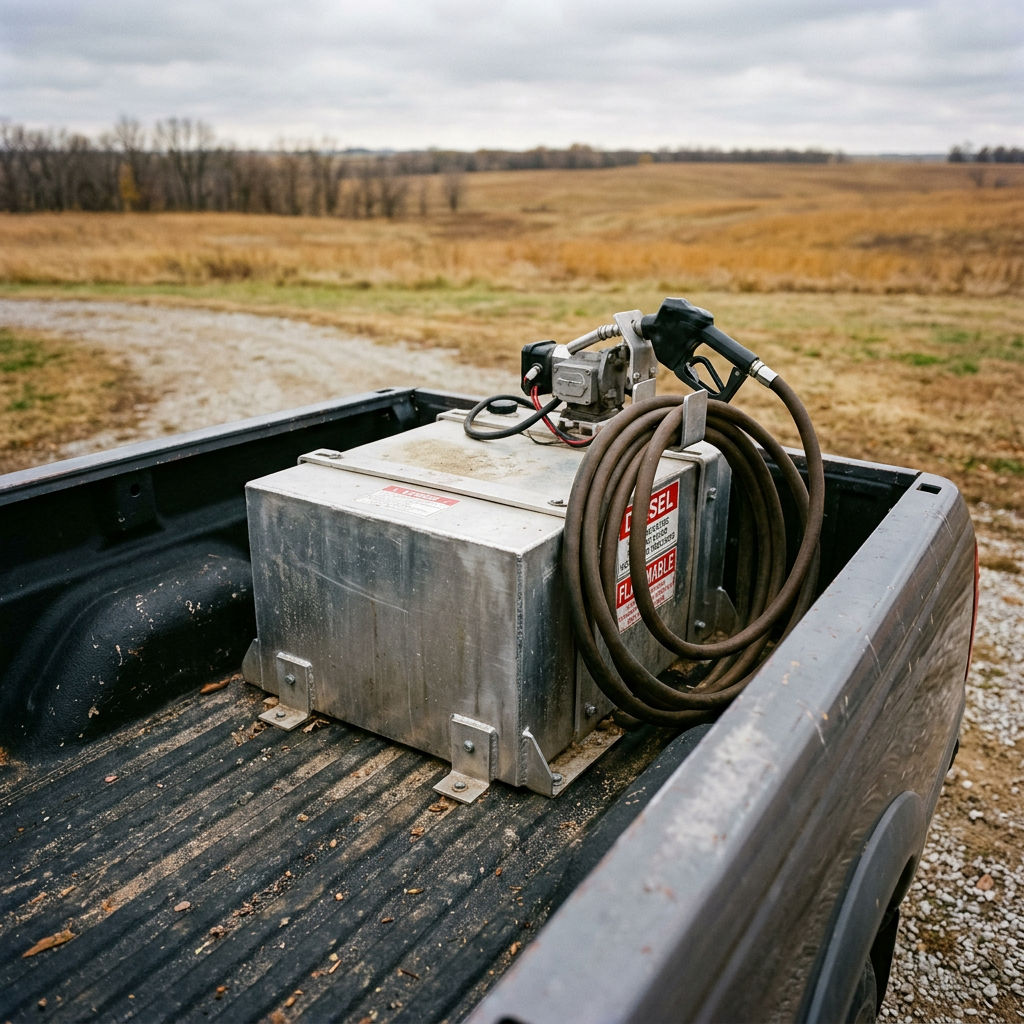
How Much Does 50 Gallons of Diesel Fuel Weigh? At standard ambient conditions, 50 gallons of No. 2 diesel fuel weigh approximately 355 lb, calculated using an industry-standard density of roughly 7.1 lb per gallon at 60°F. This liquid mass excludes the weight of the fuel tank or transfer container, which typically adds another 80 lb to 110 lb if constructed of heavy-duty steel or heavy aluminum. Understanding fuel weight is vital for truck operators, fleet managers, and outdoor drivers who carry auxiliary fuel or operate near maximum vehicle ratings. Diesel is denser and noticeably heavier than standard gasoline. While 50 gallons of gasoline weigh roughly 300 lb to 315 lb, the same volume of diesel adds roughly 40 lb to 50 lb of additional mass to the chassis. Whether mounting a bed-mounted transfer tank or filling an extended-range main tank, drivers must factor this fluid weight into overall haul calculations. For heavy-duty truck owners hauling heavy machinery, livestock, or fifth-wheel campers across northeastern Kansas, accurate weight calculation prevents exceeding safe operating limits. To discuss vehicle load ratings or locate heavy-duty trucks equipped for high payload demands, visit our Junction City dealership or give our team a quick call today. Fuel Type & Volume Standard Temperature (60°F) Density per Gallon Total Thermal Energy 50 Gallons No. 2 Diesel 355 lb 7.1 lb/gal 6,925,000 BTU 50 Gallons Gasoline (E10) 307 lb 6.1 lb/gal 5,700,000 BTU 100 Gallons No. 2 Diesel 710 lb 7.1 lb/gal 13,850,000 BTU Table of Contents What Is the Weight of Diesel Fuel per Gallon and How Does Temperature Affect It? Does Diesel Fuel Weight Count Toward Payload or Towing Capacity? How Do Weigh Stations Measure Diesel Fuel Weight on Commercial Trucks? How Many BTUs and Energy Density Are in 50 Gallons of Diesel Fuel vs Gasoline? Common Questions About Diesel Fuel Weight, Tank Sizes, and Performance Maximize Your Heavy-Duty Towing and Payload Performance What Is the Weight of Diesel Fuel per Gallon and How Does Temperature Affect It? The baseline weight of diesel fuel is approximately 7.1 lb per gallon at a standardized temperature of 60°F, but the actual weight shifts between 6.9 lb and 7.2 lb per gallon depending on fuel blend and ambient temperature. Liquid petroleum expands when heated and contracts when cooled, altering its density without changing the total energy output per pound. As ambient air temperatures rise, diesel fuel expands, causing a fixed volume like a 50-gallon tank to contain slightly less physical mass. At 70°F, diesel density drops to roughly 7.06 lb per gallon, bringing a 50-gallon volume down to approximately 353 lb. Conversely, during cold Midwestern winter conditions around 40°F or lower, diesel fuel contracts and grows denser, weighing roughly 7.16 lb per gallon or about 358 lb for 50 gallons. Seasonal winter blends also affect density. Refineries incorporate lighter kerosene fractions into winter-grade diesel to lower the pour point and prevent wax gelling. These lighter distillates slightly reduce fuel density compared to summer-grade No. 2 diesel fuel. 40°F (Cold Ambient): Dense fuel state weighing approximately 7.16 lb/gal ( 358 lb per 50 gal). 60°F (Standard Reference): Industry benchmark density weighing 7.09 lb/gal ( 355 lb per 50 gal). 70°F (Warm Ambient): Expanded fuel state weighing approximately 7.06 lb/gal ( 353 lb per 50 gal). Understanding how temperature affects payload capacity helps drivers manage exact payload limits during long-distance trips. For active lifestyle drivers looking for capable off-road and towing rigs, explore our new Ford Bronco inventory to review performance capabilities built for all weather conditions. Does Diesel Fuel Weight Count Toward Payload or Towing Capacity? Full fuel tanks count directly against a truck's available payload capacity because vehicle payload represents the maximum allowable weight of all cargo, occupants, aftermarket accessories, and fluids added to the truck's published dry curb weight. Filling a 50-gallon diesel tank consumes roughly 355 lb of available payload before a single passenger or tool enters the vehicle. Vehicle manufacturer specifications establish a Gross Vehicle Weight Rating (GVWR), which sets the maximum legal weight of the truck itself when fully loaded. When an auxiliary 50-gallon bed tank and its steel structure (totaling roughly 440 lb combined) are installed, that entire weight subtracts directly from the remaining payload margin. Truck owners comparing fuel transfer setups on our lot frequently ask whether adding a 50-gallon bed tank requires recalibrating their payload margin before hitching up a fifth-wheel trailer. Regarding towing, onboard fuel weight does not directly subtract from published maximum trailer tow ratings, but it heavily impacts the Gross Combined Weight Rating (GCWR) and tongue weight allowances: GCWR Compliance: The total combined weight of truck, fuel, passengers, cargo, and trailer must not exceed the manufacturer GCWR ceiling. Tongue Weight Limits: Trailer tongue weight rests directly on the rear axle and counts toward overall payload. A heavy diesel fuel tank positioned over or behind the rear axle reduces the remaining payload capacity available for trailer tongue load. Axle Weight Ratings: Concentrated fluid weight in auxiliary bed tanks can push the rear gross axle weight rating past legal limits if not distributed evenly. Drivers operating around Dickinson County often carry portable fuel tanks across rural farm routes. Balancing fuel placement with trailer tongue weight ensures stable handling and chassis safety. Browse our pre-owned vehicle inventory to find heavy-duty trucks engineered with high payload margins. How Do Weigh Stations Measure Diesel Fuel Weight on Commercial Trucks? Commercial scale houses and highway weigh stations measure overall vehicle weight using axle-scale platforms or weigh-in-motion sensors embedded in the roadway, capturing total gross weight and individual axle group weights simultaneously. Commercial enforcement officers do not weigh fuel tanks separately; instead, onboard diesel fuel is calculated as part of the vehicle's total operating weight on the steer, drive, and trailer axles. Because large commercial rigs carry dual 150-gallon fuel tanks holding up to 300 gallons of diesel, full fuel loads add over 2,100 lb of liquid weight to the truck's chassis. Drivers must calculate their fuel weight carefully before leaving truck stops to avoid exceeding the federal 80,000-lb gross vehicle weight limit enforced by the Federal Motor Carrier Safety Administration (FMCSA) or breaching the standard 20,000-lb single-axle limit. When commercial trucks burn fuel during long trips, their total gross weight decreases over time. A long-haul truck burning 100 gallons of diesel loses over 700 lb of overall mass, which can help a vehicle that left a depot near maximum weight stay safely under legal limits as it approaches state scales. Proper maintenance of suspension components, tire pressures, and brake systems is vital when vehicles routinely operate near maximum gross weight limits. Truck operators can easily schedule a service appointment with our factory-trained technicians for comprehensive axle, brake, and suspension inspections. How Many BTUs and Energy Density Are in 50 Gallons of Diesel Fuel vs Gasoline? Fifty gallons of standard No. 2 diesel fuel produce approximately 6,925,000 BTUs of thermal energy, utilizing an average energy density of 138,490 BTU per gallon. By comparison, 50 gallons of conventional motor gasoline yield roughly 5,700,000 BTUs to 5,800,000 BTUs based on a lower energy density of approximately 114,000 BTU per gallon to 116,000 BTU per gallon. Diesel fuel holds roughly 15% to 20% higher energy density per gallon than gasoline. This higher thermal density stems from diesel's heavier hydrocarbon molecular chain, which packs more carbon-hydrogen bonds into every gallon. Because diesel fuel is both heavier and chemically denser, compression-ignition diesel engines pull significantly more work output from every gallon consumed compared to spark-ignition gasoline engines. Energy Metric No. 2 Diesel Fuel Standard Gasoline (E10) Difference Weight per Gallon 7.1 lb 6.1 lb Diesel is ~16% heavier BTU per Gallon 138,490 BTU 115,000 BTU Diesel yields ~20% more thermal energy Total Energy in 50 Gallons 6,925,000 BTU 5,750,000 BTU Diesel adds ~1,175,000 BTU per 50 gal Weight of 50 Gallons 355 lb 307 lb Diesel adds ~48 lb of fluid mass This superior energy density explains why heavy-duty diesel engines deliver outstanding low-end torque and long-range highway efficiency under heavy loads. Drivers upgrading to a heavy-duty tow rig can use our online trade-in evaluation tool to estimate their current vehicle's trade value toward a diesel truck. Common Questions About Diesel Fuel Weight, Tank Sizes, and Performance Q: How much does an empty 50-gallon fuel tank weigh before adding diesel? An empty 50-gallon steel transfer or truck fuel tank generally weighs between 80 lb and 110 lb depending on plate thickness, internal baffling, and mounting hardware. Heavy-duty aluminum tanks are lighter, typically weighing 50 lb to 70 lb dry. Combining an empty steel tank with 50 gallons of diesel results in a total mounted weight between 435 lb and 465 lb. Q: How much does 100 gallons of diesel fuel weigh on a heavy-duty pickup? One hundred gallons of No. 2 diesel fuel weigh approximately 710 lb at standard 60°F ambient temperatures. When stored in an auxiliary bed-mounted transfer tank, the combined weight of fuel and tank assembly routinely approaches 820 lb to 850 lb, consuming a substantial portion of a three-quarter-ton truck's available payload rating. Q: Does biodiesel weigh more per gallon than petroleum diesel? Pure B100 biodiesel is slightly denser than conventional petroleum diesel, weighing roughly 7.3 lb per gallon at 60°F. A 50-gallon tank of pure B100 weighs approximately 365 lb, which is about 10 lb heavier than an equivalent volume of standard No. 2 ultra-low sulfur diesel. Common B20 blends weigh roughly 7.15 lb per gallon. Q: How does fuel weight affect off-road handling and suspension balance? Carrying 50 gallons of diesel fuel in a bed-mounted transfer tank shifts vehicle mass backward, placing extra static weight over the rear axle. This added weight can compress rear springs, slightly reduce front tire traction, and alter suspension rebound on uneven terrain. Ensuring proper tire inflation and utilizing heavy-duty shock absorbers maintains optimal handling stability. Q: Will filling my diesel tank completely reduce my vehicle's towing capacity? Filling your fuel tank does not change your truck's published maximum tow rating, but it directly consumes available payload and gross combined mass margins. If your vehicle is loaded near its GVWR or rear gross axle rating, carrying a full tank of diesel may force you to reduce tongue weight or cargo cabin payload to remain legally compliant. Drivers exploring heavy-duty truck financing options can easily apply for online financing pre-approval through our secure dealership finance department. Maximize Your Heavy-Duty Towing and Payload Performance Accurately calculating diesel fuel weight ensures your truck operates safely within its engineered payload, axle, and towing capacities. Carrying 50 gallons of diesel adds roughly 355 lb of liquid payload to your chassis, plus the dry weight of any auxiliary transfer tank. Factoring fluid weight into your total load calculations protects your drivetrain, suspension, and braking systems during heavy hauling jobs. Active service members commuting near Fort Riley or heavy-duty truck operators managing agricultural loads demand equipment that performs reliably under challenging real-world conditions. Equipping your vehicle with factory towing upgrades, helper springs, or heavy-duty transfer tanks ensures smooth performance on every trip. Visit our showroom at 1825 Goldenbelt Blvd, Junction City, KS 66441 to test drive our latest heavy-duty Ford truck inventory. You can also give our team a quick call to speak with a truck specialist or order genuine Ford parts and heavy-duty accessories tailored to your vehicle. © 2026 Valor Ford. All rights reserved.

How Do Owners Resolve 2023 Ford Explorer Safety Recalls?

How Do Owners Resolve 2023 Ford Explorer Safety Recalls?

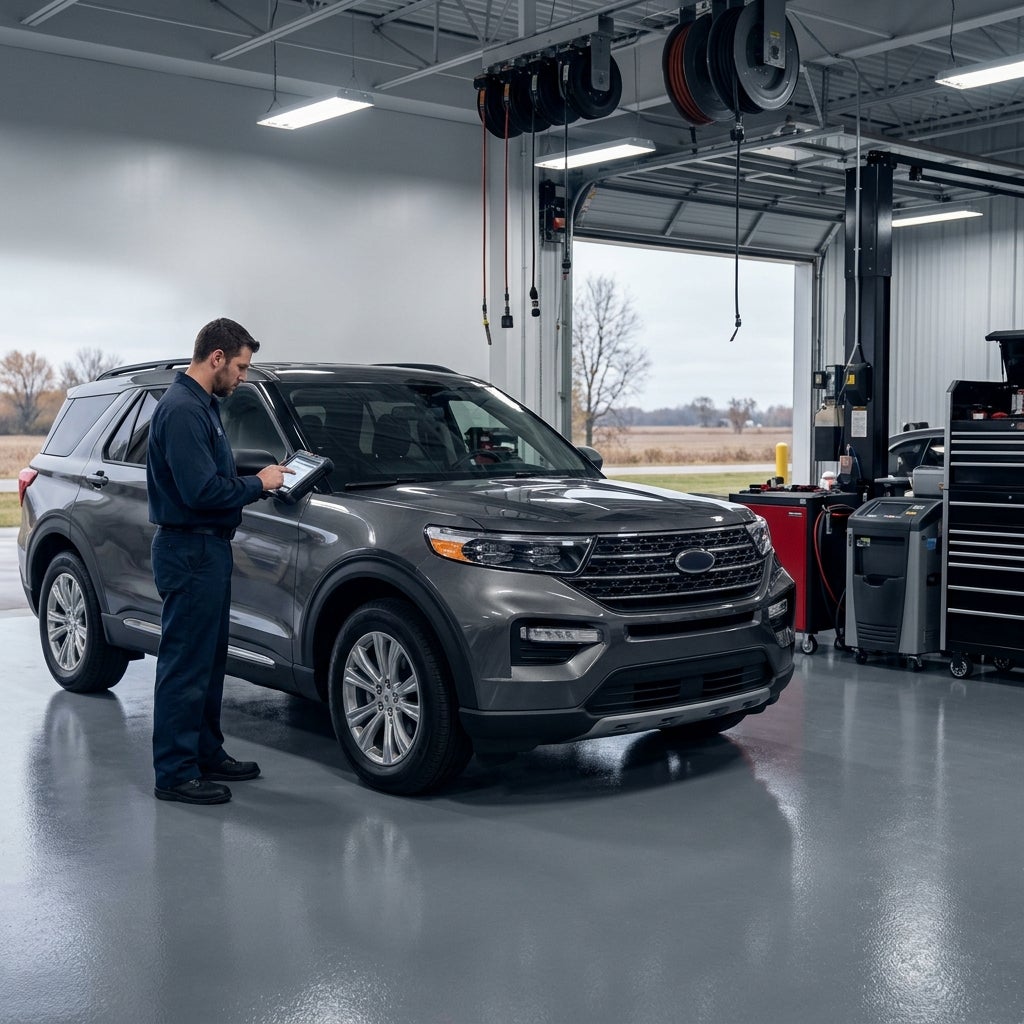
How Do Owners Resolve 2023 Ford Explorer Safety Recalls? Owners resolve safety recalls on a 2023 Ford Explorer by verifying their 17-character Vehicle Identification Number (VIN) for active campaigns and scheduling a free repair at an authorized dealership. Federal safety regulations mandate that manufacturers provide all official safety recall repairs, parts, and labor at zero cost to the owner regardless of vehicle age or warranty status. When a safety campaign is issued, Ford identifies affected VINs and sends written notices to registered owners outlining the issue, safety precautions, and repair availability. Because vehicle ownership changes and physical mail can be delayed, checking your vehicle's VIN through official channels ensures you never miss critical technical service updates. If your 2023 Ford Explorer requires service, resolving open campaigns promptly prevents potential component wear or safety hazards. If you are located in the local area, you can easily find our service center location or give our service department a quick call to check your vehicle's status with an advisor. Table of Contents Which Safety Recalls Affect the 2023 Ford Explorer? How Do Owners Check a 2023 Ford Explorer VIN for Open Recalls and Arrange Free Repair? How Do Engine Options, Towing Ratings, and Ford Co-Pilot360 Impact Ownership? What Are the Estimated Annual Maintenance Costs and Service Requirements for a 2023 Ford Explorer? Frequently Asked Questions Regarding 2023 Ford Explorer Safety Recalls Schedule Your Free 2023 Ford Explorer Recall Service in Junction City Which Safety Recalls Affect the 2023 Ford Explorer? Safety recalls affecting the 2023 Ford Explorer primarily involve rear-view camera displays, power transfer components, low-pressure fuel pumps, and secondary seating mechanisms. Identifying which specific safety campaigns apply to your vehicle depends entirely on its build date, installed engine option, and equipment packages. Several key recall campaigns have been announced for select 2023 Ford Explorer models, including: Rearview Camera Display Signal Loss: Certain models equipped with 360-degree camera systems may experience a blank screen or inverted image when shifting into reverse. Authorized technicians resolve this issue by updating the software in the Image Processing Module or replacing the camera unit free of charge. Low-Pressure Fuel Pump Failure: On select vehicles, internal wear on the low-pressure fuel pump can lead to engine hesitation, check engine illumination, or a sudden loss of motive power while driving. Dealers inspect the fuel system and update the Powertrain Control Module software or replace the pump assembly. Turbocharger Oil Supply Line: Models equipped with the 2.3L EcoBoost four-cylinder engine may have an oil supply line susceptible to cracking, which can lead to oil leaks in the engine compartment. Authorized service centers replace the supply line assembly to eliminate fire hazards. Rear Axle Mounting Fasteners: Certain rear-wheel drive and four-wheel drive Explorers were recalled due to potential fracturing of the rear axle horizontal mounting bolt, which can cause severe drivetrain noise or allow the vehicle to roll when parked if the parking brake is not engaged. Second-Row Seat Anchor and Latch Mechanisms: Select production runs require inspection of the second-row outer seat belt lower anchor bolts or replacement of the easy-entry seat release bezel to ensure the row remains securely latched during emergency maneuvers. Understanding your vehicle's current service status helps maintain long-term reliability. To review full model specifications or check equipment levels across trim lines, you can explore our detailed Ford Explorer research guide. How Do Owners Check a 2023 Ford Explorer VIN for Open Recalls and Arrange Free Repair? Owners check a 2023 Ford Explorer for open safety recalls by locating the 17-character VIN and entering it into the official National Highway Traffic Safety Administration (NHTSA) recall lookup tool or the Ford Owner Support portal. Once an open campaign is confirmed, owners schedule an appointment at an authorized Ford dealership to complete the necessary software updates or mechanical repairs. The 17-character VIN is a unique identifier assigned to your vehicle during manufacturing. You can easily locate it in one of three places: The driver's side dashboard corner, visible from the outside through the bottom of the windshield glass. The safety compliance certification label attached to the driver's side doorjamb. Your official state vehicle registration card, auto insurance policy statement, or vehicle title documents. Once you have your VIN, enter it into the recall checker. If your vehicle shows an unrepaired campaign, contact our service team to reserve a dedicated repair window. Authorized dealerships receive genuine factory components directly from manufacturer distribution channels. If you ever need non-recall maintenance components or replacement items, you can conveniently order genuine Ford parts through our dedicated online portal. How Do Engine Options, Towing Ratings, and Ford Co-Pilot360 Impact Ownership? The 2023 Ford Explorer delivers impressive versatility with engine outputs ranging from 300 hp to 400 hp, maximum towing capacities up to 5,600 lbs, and comprehensive driver protection through the standard Ford Co-Pilot360 safety suite. These performance and active safety systems work in tandem to provide a secure and composed driving experience across diverse road conditions. The powertrain lineup centers around three distinct engine options paired with a smooth 10-speed automatic transmission featuring SelectShift® capability: 2.3L EcoBoost Four-Cylinder: Generates 300 hp and 310 lb-ft of torque while achieving EPA ratings of 20 city / 27 hwy mpg in four-wheel drive configuration. When equipped with the optional Class IV Trailer Tow Package, this engine delivers a 5,300 lbs maximum towing capacity. 3.0L EcoBoost V6: Delivers 400 hp and 415 lb-ft of torque on premium trims like the ST and Platinum, boosting maximum towing capacity to 5,600 lbs. 3.3L V6 Hybrid: Combines an electric motor with a natural aspirated engine for 318 hp combined output, offering extended range for long-distance highway travel. For drivers hauling agricultural trailers or recreational gear across the open prairie routes of Dickinson County, selecting the right trim and factory towing package is essential. The off-road focused Timberline trim comes standard with all-wheel drive, off-road shocks, and the towing package to haul up to 5,300 lbs straight from the factory. Every 2023 Explorer comes standard with the Ford Co-Pilot360 active safety package. Key driver-assist features include: Pre-Collision Assist with Automatic Emergency Braking: Scans the road ahead for potential vehicle or pedestrian hazards and automatically applies braking force if a collision is imminent. Blind Spot Information System with Cross-Traffic Alert: Monitors hard-to-see blind zones and warns of approaching vehicles when backing out of driveways or changing highway lanes. Lane-Keeping System: Tracks road lane markings to gently nudge the vehicle back into position if unintended drifting occurs. Auto High-Beam Headlamps: Automatically toggles between high and low beams based on surrounding light levels and oncoming traffic. What Are the Estimated Annual Maintenance Costs and Service Requirements for a 2023 Ford Explorer? Estimated annual routine maintenance and repair costs for a 2023 Ford Explorer typically average between $500 and $750 during initial ownership years. Adhering to the factory-recommended maintenance schedule preserves mechanical efficiency, protects vehicle resale value, and ensures all active vehicle warranties remain fully intact. Ford recommends organizing routine maintenance around 10,000-mile or 12-month intervals under normal driving conditions. Standard service visits include: Synthetic engine oil and filter replacement. Multi-point vehicle safety inspection covering steering, suspension, and exhaust systems. Tire rotation and brake pad depth measurements. Fluid level checks and cabin air filter replacements. Every 2023 Ford Explorer is backed by a standard 3-year/36,000-mile limited warranty alongside a 5-year/60,000-mile powertrain warranty. Standard warranty coverage protects against unexpected mechanical defects, while safety recall repairs remain completely free regardless of vehicle mileage or warranty expiration. You can easily keep your SUV in peak condition by taking a moment to schedule Ford service today with our factory-trained technicians. Frequently Asked Questions Regarding 2023 Ford Explorer Safety Recalls Q: How can I tell if a safety recall repair has already been performed on my vehicle? When you run your 17-character VIN through the official NHTSA or Ford recall lookup tool, only open and unrepaired safety campaigns will display. If a safety recall was previously completed by an authorized dealer, it will no longer show up as an active requirement. Our service team can also pull your vehicle's full OASIS service history report to verify every completed recall and warranty repair. Q: Will I have to pay anything out of pocket for a safety recall repair? No, all safety recall repairs mandated by federal safety standards are performed completely free of charge. Ford covers all required genuine parts and labor costs at authorized dealerships. You will never pay out of pocket for an official safety campaign repair regardless of your Explorer's age or current mileage. Q: Do authorized dealerships provide loaner vehicles during recall service appointments? Many authorized Ford dealerships offer complimentary loaner vehicles, shuttle drop-off services, or mobile service options for safety recall repairs, depending on dealer inventory and appointment scheduling. Because loaner availability varies by shop volume and repair length, we recommend asking your service advisor about transportation options when booking your service date. Q: What should I do if my 2023 Explorer exhibits recall symptoms before parts arrive? If your Explorer displays symptoms associated with a recall campaign—such as a check engine light, unusual drivetrain noise, or a blank rear-view camera screen—contact an authorized Ford service center immediately. Service advisors can perform preliminary safety diagnostics, advise you on interim driving precautions, and prioritize your repair order as soon as replacement parts reach the service bay. Q: How long does a typical software update recall take at the service center? Software-based recall repairs, such as updating the Image Processing Module or Powertrain Control Module, generally take less than one to two hours to flash and verify. Mechanical repairs or component replacements may require additional shop time. Booking an appointment in advance allows our team to pre-order required materials and complete your service as quickly as possible. Schedule Your Free 2023 Ford Explorer Recall Service in Junction City Resolving open safety recalls is essential for maintaining the protection, performance, and long-term value of your family SUV. If your 2023 Ford Explorer has an active safety campaign or requires routine maintenance, our team of factory-certified technicians is ready to provide fast, professional care using genuine OEM parts. Visiting our service department is convenient for vehicle owners across Geary County and nearby military housing communities. To confirm open safety recalls for your exact VIN, discuss loaner availability, or reserve your repair appointment, get directions to our Junction City service center or speak directly with our service desk by giving us a quick call today. © 2026 Valor Ford. All rights reserved. Vehicle specification data © JATO Dynamics Limited.
What I Tell Buyers About Ford Edge ST 0-60 Performance Benchmarks

What I Tell Buyers About Ford Edge ST 0-60 Performance Benchmarks

What I Tell Buyers About Ford Edge ST 0-60 Performance Benchmarks How Fast Is the Ford Edge ST From 0 to 60 mph? The Ford Edge ST accelerates from 0 to 60 mph in approximately 5.7 to 6.1 seconds, completing the quarter-mile sprint in roughly 14.3 seconds at 95 mph. Powered by a high-output 2.7-liter twin-turbocharged EcoBoost V6 engine that produces 335 horsepower and 380 lb-ft of torque, this performance midsize crossover directs power to all four wheels through a quick-shifting seven-speed automatic transmission. Standard Intelligent All-Wheel Drive optimizes traction during hard acceleration, virtually eliminating wheel spin off the line. Under full throttle, the twin-turbo V6 delivers immediate low-end torque, pulling smoothly through the rev range. Beyond its standing-start acceleration, the crossover accomplishes a 50-to-70 mph passing maneuver in roughly 4.2 seconds, providing effortless merging capability onto high-speed highways like I-70 near Junction City. Our team often observes that drivers evaluating a pre-owned performance crossover prefer testing mid-range throttle responsiveness on an open highway stretch before reviewing interior technology features. Because Ford retired the North American Edge lineup after the 2024 model year, these acceleration figures describe the final production generation rather than a 2026 configuration. If you want to experience this twin-turbo performance for yourself or check our current pre-owned inventory, you can visit our Junction City showroom location or give our sales team a quick call at (785) 238-5114. Table of Contents What Engine Powers the Ford Edge ST and How Much Horsepower Does It Make? Does the Ford Edge ST Have Launch Control or Sport Mode? What Is the Difference Between the Ford Edge ST and the Ford Edge ST-Line? Ford Edge ST vs. Ford Explorer ST: Which Engine Produces More Speed? How Much More Expensive Is an Audi SQ5 Compared to a Ford Edge ST? Financing and Servicing a Pre-Owned Ford Edge ST What Engine Powers the Ford Edge ST and How Much Horsepower Does It Make? The Ford Edge ST is powered by a 2.7-liter twin-turbocharged EcoBoost V6 engine generating 335 horsepower and 380 lb-ft of torque when burning 93-octane premium fuel. This powertrain utilizes a high-strength compact graphite iron cylinder block—the same material housing used in Ford's heavy-duty truck diesels—to handle high turbocharger boost pressures without flexing. Power delivery is heavily front-loaded in the engine's rev band, reaching peak torque at 3,200 rpm. That early torque onset gives the Edge ST its immediate launch feel, pushing the 4,500-pound crossover forward with minimal turbo lag. An eight-speed automatic transmission or revised seven-speed automatic transmission handles gear selection depending on the specific model year, keeping the twin-turbo engine continuously operating in its power band during aggressive throttle applications. Compared to standard non-ST trims that rely on a 250-hp 2.0-liter four-cylinder engine, the ST engine adds an extra 85 horsepower and over 100 lb-ft of torque. That output differential converts an otherwise modest family haul into a genuine sport utility vehicle. If you are comparing midsize performance crossovers with off-road utility models in our lineup, feel free to explore our new Ford Bronco lineup to see how EcoBoost power scales across different vehicle categories. Does the Ford Edge ST Have Launch Control or Sport Mode? The Ford Edge ST features a driver-selectable Sport mode activated via the center console rotary gear dial button, but it does not feature a dedicated launch control system. Pressing the "S" button recalibrates engine throttle mapping, alters transmission shift points, increases engine braking, and sharpens steering resistance. In Sport mode, the transmission holds lower gears longer through corners to keep turbochargers spooled, preventing power delivery delay when exiting turns. It also rev-matches downshifts when decelerating, keeping the powertrain prepared for immediate acceleration. Active noise control technology enhances the twin-turbo V6 exhaust note inside the cabin during aggressive driving, emphasizing the crossover's performance focus. While launch control is absent, optimal acceleration from a standstill is achieved by brake-torquing: holding the foot brake firmly while applying slight accelerator pressure to build initial boost before release. Proper maintenance of transmission fluid and drive belts ensures these aggressive shifts remain crisp over time. You can easily schedule Ford service with our certified technicians to maintain peak mechanical health on any high-output EcoBoost engine. What Is the Difference Between the Ford Edge ST and the Ford Edge ST-Line? The Ford Edge ST is a dedicated performance vehicle built with a 335-hp twin-turbo V6, performance-tuned suspension, and upgraded brakes, whereas the Ford Edge ST-Line is an appearance package powered by the standard 250-hp 2.0-liter EcoBoost four-cylinder engine. While both models share aggressive exterior styling, their underlying mechanical hardware differs completely. Visually, the ST-Line replicates the ST's black mesh grille, body-color bumpers, dark headlamp bezels, and ST exterior badging. Inside, both cabins feature metallic pedals, red accent stitching, and sport steering wheels. However, the ST-Line routes its 250 horsepower through a standard suspension tuned strictly for daily ride comfort, foregoing the stiffened springs, larger anti-roll bars, and mono-tube rear dampers found on the authentic ST. For buyers who prioritize aggressive visual design and optimal fuel efficiency, the ST-Line delivers the sport appearance without the higher fueling costs of a twin-turbo V6. Shoppers seeking true mechanical performance, enhanced cornering stability, and sub-6-second 0-60 acceleration require the full ST model. If you currently own a vehicle and want to upgrade to a performance crossover, you can value your trade-in online to establish your trade equity before shopping. Ford Edge ST vs. Ford Explorer ST: Which Engine Produces More Speed? The Ford Explorer ST is significantly faster than the Ford Edge ST, achieving 0 to 60 mph in roughly 5.2 seconds thanks to its larger 3.0-liter twin-turbo EcoBoost V6 engine producing 400 horsepower and 415 lb-ft of torque. That gives the three-row Explorer ST a 65-horsepower advantage over the two-row Edge ST's 335-horsepower rating. Beyond sheer horsepower, the two vehicles utilize different chassis architectures. The Edge ST relies on a front-wheel-drive-based layout with Intelligent All-Wheel Drive, while the Explorer ST is built on a rear-wheel-drive-based platform paired with a 10-speed automatic transmission. The rear-drive bias of the Explorer ST allows more effective weight transfer to the rear tires during hard launches, improving traction off the line. The Explorer ST also tops out at an electronically limited top speed of 143 mph, compared to the Edge ST's 130 mph limit. To review three-row performance specifications and cabin dimensions in detail, check out our Ford Explorer research guide, or go ahead and get pre-approved for financing online to begin your purchase process. How Much More Expensive Is an Audi SQ5 Compared to a Ford Edge ST? A comparable Audi SQ5 costs roughly $10,000 to $18,000 more than a final-model-year or pre-owned Ford Edge ST, with new 2026 Audi SQ5 models carrying an MSRP range of $65,400 to $71,300. Before its discontinuation, a fully equipped Ford Edge ST carried a original base MSRP around $47,000, offering near-luxury performance at a substantially lower price point. The Audi SQ5 features a 3.0-liter turbocharged V6 producing 362 horsepower and 406 lb-ft of torque, reaching 0 to 60 mph in 4.5 seconds. While the SQ5 achieves faster acceleration and offers higher-end interior technology like optional air suspension, the Edge ST delivers comparable cabin space and strong V6 acceleration for a fraction of the cost. Maintenance costs also heavily favor the Ford Edge ST over time. German luxury imports require specialized service procedures and expensive replacement components, whereas Ford EcoBoost engines utilize accessible parts distributed throughout our nationwide network. You can easily browse and order genuine Ford parts directly through our dealership to keep long-term ownership expenses manageable. Financing and Servicing a Pre-Owned Ford Edge ST Securing auto financing or routine maintenance for a pre-owned Ford Edge ST at Valor Ford is simple and affordable because its 2.7-liter EcoBoost engine shares proven components across Ford's vehicle lineup. Financing a late-model pre-owned crossover allows buyers to enjoy high-output twin-turbo performance without paying initial new-car depreciation. Active-duty military personnel and civilian commuters travelling from Fort Riley frequently ask our finance department about structuring terms that fit specific monthly budgets. Contact our finance specialists for current auto loan rates and loan requirements. Keeping your Edge ST performing at its peak requires regular oil changes using motor oil formulation certified for EcoBoost turbochargers, alongside periodic inspection of spark plugs and transfer case fluid. When you are ready to explore our inventory or discuss financing, stop by our dealership address at 1825 Goldenbelt Blvd, call us at (785) 238-5114, or browse our current pre-owned vehicle inventory online. © 2026 Valor Ford. All rights reserved.

Engine Oil Viscosity Explained: Expert Maintenance Advice from Valor Ford

Engine Oil Viscosity Explained: Expert Maintenance Advice from Valor Ford

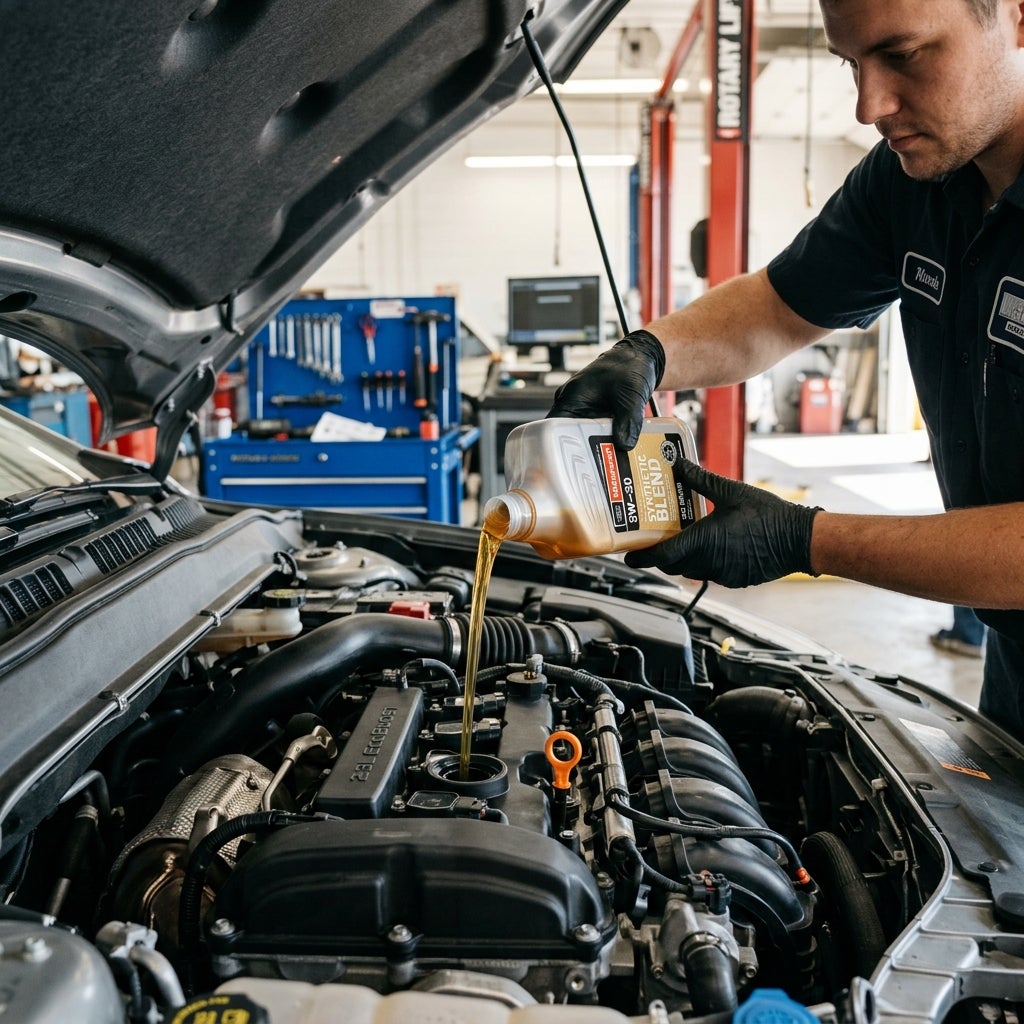
Engine Oil Viscosity Explained: Expert Maintenance Advice from Valor Ford You should generally not switch to a higher viscosity oil as an engine gets older, because modern powertrains rely on precise internal tolerances and hydraulic variable valve timing systems designed for specific oil flow rates. Instead of replacing a recommended 5W-20 or 5W-30 with a heavier grade, using a high-mileage synthetic formulation in the factory-recommended viscosity protects seals and reduces oil consumption without compromising critical cold-start lubrication. We sat down with Mike Hogg, Service Director at Valor Ford with 20 years of experience, to answer the most critical engine oil viscosity questions drivers face. Q: Should You Switch to Higher Viscosity Oil as an Engine Gets Older? A: The idea of switching to a thicker motor oil as an engine accumulates miles comes from older engine designs built with much looser manufacturing tolerances. In modern vehicles, moving to a heavier oil to cure minor oil burning or leaks usually causes far more harm than good. Contemporary engines like the 2.3L EcoBoost in the 2026 Ford Explorer or the twin-turbo 3.5L EcoBoost in the 2026 Ford F-150 rely on ultra-tight bearing clearances and hydraulic camshaft phasers that require immediate fluid flow upon startup. Introducing a high-viscosity oil restricts fluid circulation through these narrow passages, delaying lubrication during critical warmup periods and accelerating valve train wear. When older engines begin consuming oil, the issue typically stems from hardened valve stem seals or worn piston rings rather than an incorrect fluid grade. High-mileage synthetic oils are specifically blended with seal conditioners and extra anti-wear additives while maintaining the original factory-recommended viscosity. These specialized formulations restore flexibility to rubber seals and reduce oil loss through volatile evaporation without increasing fluid drag inside the crankcase. If an older engine develops excessive mechanical play or persistent consumption issues, the correct approach is a mechanical diagnosis rather than altering the oil viscosity grade. Drivers noticing oil level drops between scheduled intervals while traveling near Fort Riley can visit our Junction City service center address or contact our service department team by phone to inspect crankcase ventilation systems and internal seal integrity. Q: What Do the Numbers in Engine Oil Viscosity Ratings Like 5W-30 Mean? A: Motor oil labels display a standardized rating developed by the Society of Automotive Engineers that describes fluid flow performance across fluctuating operating temperatures. In a multi-grade rating like 5W-30, the number preceding the letter 'W' indicates the oil's low-temperature flow characteristics during winter cold starts. A lower winter rating means the oil pumps quickly through engine galleries at freezing temperatures, protecting vital components from metal-to-metal contact during startup. The second number in the sequence measures kinematic viscosity at normal engine operating temperature, standardized at 212 degrees Fahrenheit. For instance, a 5W-30 oil flows like a lightweight 5-weight oil in cold weather to ease starter motor resistance and reaches critical components instantly, then resists excessive thinning like a conventional 30-weight oil once the engine achieves steady operating temperatures. Multi-grade oils achieve this variable flow performance through specialized polymer viscosity index improvers added to the synthetic base stock. Engine designers select specific viscosity requirements based on internal oil pump pressure, bearing clearances, and thermal management targets. Compact turbocharged powertrains such as the 1.5L engine in the 2026 Ford Escape require rapid fluid velocity to cool turbocharger bearings and protect engine components. Vehicle owners handling their own fluid top-offs can easily order genuine Motorcraft oil and filters online to ensure exact compliance with OEM specifications. Q: Can You Mix 5W-20 and 5W-30 Oil in Your Engine During an Emergency? A: Mixing 5W-20 and 5W-30 motor oil during an emergency will not damage your engine as long as both products meet API service certifications and manufacturer material standards. Combining these two viscosity grades produces an intermediate operating viscosity without causing chemical separation or foaming. If your oil level drops below the minimum mark on the dipstick and you only have access to a single bottle of an adjacent grade, adding it immediately is far safer than running the engine low on fluid. "Mixing oil grades in an emergency protects your engine from running low, but restoring the factory-recommended viscosity during your next service keeps your internal components protected long-term." While mixing adjacent viscosity grades prevents low-oil starvation, it should remain a temporary fix until your next scheduled maintenance interval. Combining different grades slightly alters the engineered fluid dynamics, which can marginally impact fuel economy or hydraulic actuator response times over extended mileage. Flushing the system and filling it with the exact factory-specified oil grade restores optimal engine efficiency and protects long-term durability. Q: Can You Use 0W-20 Instead of 0W-16 if 0W-16 Is Out of Stock? A: Using 0W-20 as a short-term substitute in an engine calibrated for 0W-16 is generally acceptable when the specified grade is completely unavailable, but it should not become a permanent habit. Modern low-viscosity oils like 0W-16 and 0W-8 are designed alongside modern engine architectures featuring hyper-precise machining tolerances to minimize internal fluid friction and maximize thermal efficiency. Substituting a slightly thicker 0W-20 increases hydrodynamic drag on internal rotating assemblies, which can lead to a slight drop in fuel economy. Extended operation on a higher viscosity fluid than recommended can also affect variable displacement oil pumps designed to regulate internal oil pressure within narrow margins. While a single maintenance cycle on 0W-20 won't cause catastrophic component damage, returning to the factory-recommended 0W-16 viscosity during the subsequent oil change ensures your powertrain maintains its engineered balance of component protection and fuel efficiency. Q: How Do You Find the Exact Recommended Engine Oil Viscosity for Your Ford? A: Finding the correct oil specification for your vehicle requires checking official manufacturer documentation rather than relying on general rule-of-thumb recommendations. The most reliable source is your owner's manual under the engine oil maintenance section, which details the required SAE viscosity grade alongside specific Ford material standards, such as WSS specifications. Additionally, the recommended viscosity grade is permanently stamped directly onto the engine oil filler cap inside the engine bay for quick reference during routine checks. Modern Ford vehicles take fluid management a step further by using the Intelligent Oil-Life Monitor system. This system monitors engine operating temperatures, towing loads, idle time, and ambient conditions to calculate real-time oil degradation rather than relying solely on a fixed mileage counter. Under normal driving conditions, oil change intervals average around 7,500 miles or six months, though heavy-duty towing or frequent short trips around Junction City may prompt the monitor to request service earlier. Q: What Are the Long-Term Service Risks of Using the Wrong Oil Viscosity? A: Operating an engine with incorrect oil viscosity introduces severe long-term mechanical risks that compromise vehicle reliability and elevate ownership costs. Utilizing oil that is too thick restricts initial oil flow during startup, delaying pressure delivery to camshaft phasers, hydraulic lifters, and turbocharger bearings. Over time, this momentary oil starvation accelerates timing chain wear, causes noisy valve train operation, and can trigger diagnostic trouble codes related to variable valve timing performance. Conversely, using an oil that is too thin at high operating temperatures leads to fluid film breakdown under heavy engine loads. When the protective oil film thins excessively, internal components experience increased friction and elevated operating temperatures, accelerating bearing wear and increasing the risk of thermal oil breakdown. Maintaining the exact manufacturer-specified viscosity grade ensures balanced oil film strength across all driving demands. Preventing viscosity-related engine wear requires adhering to scheduled fluid changes with OEM-approved Motorcraft oils and filters. To maintain your vehicle's factory warranty and internal component health, shoppers can get directions to our service center location, reach out to our service advisors by phone, or conveniently schedule a service appointment online today. © 2026 Valor Ford. All rights reserved. Vehicle specification data © JATO Dynamics Limited.
What Safety Recalls Affect the 2023 Ford Explorer?

What Safety Recalls Affect the 2023 Ford Explorer?

What Safety Recalls Affect the 2023 Ford Explorer? Primary safety recalls affecting the 2023 Ford Explorer center on two critical vehicle systems: the rearview camera display and the automatic transmission parking mechanism. Rearview camera recalls involve software errors, wiring harness faults, or 360-degree camera module glitches that cause a blue screen, blank display, or frozen image while reversing. Transmission recalls address a potential loose transmission bolt or parking pawl engagement issue that may prevent the vehicle from holding Park, creating a potential rollaway risk. All recall inspections and repairs are completed free of charge by factory-trained technicians at authorized Ford dealerships. When safety notices are released by the manufacturer, addressing open campaigns quickly preserves vehicle reliability and ensures driver safety. The stop-and-go driving along Washington Street in Junction City puts regular stress on reversing systems and drivetrain components, making routine safety checks vital for local drivers. Ford issues safety recalls whenever a component fails to meet federal motor vehicle safety standards or presents an unreasonable safety hazard during daily vehicle operation. Vehicle owners can inspect their service status at any time by checking their 17-digit Vehicle Identification Number (VIN). Our certified service department provides complete campaign verifications and performs all authorized factory repairs using specialized diagnostic equipment and OEM components. For complete details regarding open campaigns or to schedule an inspection, contact our team by calling (785) 238-5114 or visit our service center location at 1825 Goldenbelt Blvd, Junction City, KS 66441. Table of Contents What Are the Primary Rearview Camera and Transmission Recalls for the 2023 Ford Explorer? What Safety Ratings Did the 2023 Ford Explorer Receive Despite Recalls? How Does 2023 Ford Explorer Ownership and Service Compare to the 2023 Toyota Highlander? How Can You Verify Your VIN and Receive Free 2023 Ford Explorer Recall Repairs? Common Questions About 2023 Ford Explorer Recalls and Maintenance How to Schedule 2023 Ford Explorer Recall Service at Valor Ford in Junction City What Are the Primary Rearview Camera and Transmission Recalls for the 2023 Ford Explorer? The primary recalls for the 2023 Ford Explorer involve digital rearview camera signal loss and automatic transmission parking mechanism faults. Camera issues stem from manufacturing defects in the camera wiring harness, software glitches within the Image Processing Module, or internal failures in 360-degree camera units that lead to a blue screen or black display when shifting into Reverse. Transmission safety campaigns target a loose internal fastening bolt or park rod mechanism within the 10-speed automatic transmission, which can prevent the transmission from mechanically locking into Park even if the rotary gear shifter indicates the vehicle is parked. Factory remedies for the rearview camera vary depending on the specific build date and equipped camera package: Standard Rearview Camera Wiring Harness: Technicians inspect the wiring harness for loose splices or inadequate connectivity, repairing electrical leads or replacing damaged harness sections at no charge. Rearview Camera Software Update: For models experiencing digital processing delay or frozen image output, technicians reprogram the Image Processing Module with updated software to restore instant camera feeds. 360-Degree Camera Replacement: Models fitted with surround-view systems receive a full camera module replacement when internal video processing hardware loses signal output. Service members and families commuting from nearby Fort Riley rely on dependable parking engagement when staging loaded vehicles on sloped Flint Hills terrain, making transmission recall compliance essential. Recall 23S06 specifically covers transmission engagement safety. During this service visit, certified technicians inspect the transmission assembly to confirm the parking pawl and internal fasteners are secure. If damage or improper torque is detected, technicians replace affected park mechanism components or install a replacement transmission assembly if required. Our technicians frequently note during routine maintenance that owners often ask whether a camera glitch requires replacing the entire central infotainment display or simply updating module software. In most cases, targeted software reflashing or specific camera replacement fully resolves the display fault without disrupting the primary SYNC display console. Review comprehensive Ford Explorer technical details to learn more about standard vehicle features and mechanical specifications. What Safety Ratings Did the 2023 Ford Explorer Receive Despite Recalls? Despite active safety recalls, the 2023 Ford Explorer earned a 5-Star Overall Safety Rating from the National Highway Traffic Safety Administration (NHTSA) and was designated a Top Safety Pick by the Insurance Institute for Highway Safety (IIHS). Crash test evaluations performed by NHTSA yielded top marks across major crash categories, demonstrating exceptional structural integrity and occupant protection. Evaluation Category NHTSA Star Rating Assessment Summary Overall Safety Rating 5 Out of 5 Stars Combined rating across all crash impact tests Frontal Crash 5 Out of 5 Stars Evaluates driver and front passenger protection in head-on collisions Side Crash 5 Out of 5 Stars Combines side barrier and side pole collision testing Rollover Resistance 4 Out of 5 Stars Measures single-vehicle rollover risk during loss-of-control maneuvers Standard active safety technologies further reinforce safety performance. The standard Ford Co-Pilot360 driver-assist suite equips every model with driver-assist technologies engineered to prevent collisions before they occur: Pre-Collision Assist with Automatic Emergency Braking and Pedestrian Detection Blind Spot Information System (BLIS) with Rear Cross-Traffic Alert Lane-Keeping System with Lane Departure Warning Auto High-Beam Headlamps and Rear Parking Sensors When higher trim levels like the Limited, ST, or Platinum are equipped with optional Ford Co-Pilot360 Assist+, drivers benefit from Adaptive Cruise Control with Stop-and-Go, Lane Centering, and Evasive Steering Assist. These crash-avoidance systems operate independently of recall-affected systems like the rearview camera harness or mechanical transmission park pawl, providing active driver protection on every journey. How Does 2023 Ford Explorer Ownership and Service Compare to the 2023 Toyota Highlander? The 2023 Ford Explorer delivers higher standard horsepower, greater towing capacity, and a rear-wheel-drive platform architecture compared to the front-wheel-drive platform and lower power output of the 2023 Toyota Highlander. Powered by a standard 2.3L EcoBoost turbocharged 4-cylinder engine producing 300 hp and 310 lb-ft of torque paired with a SelectShift 10-speed automatic transmission, the Explorer outpowers the Highlander's standard 2.4L turbocharged 4-cylinder engine rated at 265 hp and 310 lb-ft of torque. Specification / Feature 2023 Ford Explorer ( 2.3L EcoBoost) 2023 Toyota Highlander (2.4L Turbo) Standard Horsepower 300 hp 265 hp Standard Torque 310 lb-ft 310 lb-ft Transmission 10-Speed SelectShift Automatic 8-Speed Automatic Maximum Towing Capacity 5,300 lbs ( 2.3L) / 5,600 lbs (V6) 5,000 lbs Standard Drive Architecture Rear-Wheel Drive (AWD Available) Front-Wheel Drive (AWD Available) EPA Fuel Economy (RWD/FWD) 20 city / 27 hwy mpg 22 city / 29 hwy mpg Front Legroom 43.0 inches 42.0 inches Maximum Cargo Volume 87.8 cubic feet 84.3 cubic feet From a maintenance and long-term ownership perspective, both three-row SUVs require strict adherence to scheduled fluid changes, tire rotations, and brake system care. The Explorer model's 5,300 lbs towing capacity on standard turbocharged models (increasing to 5,600 lbs on ST and Platinum twin-turbo V6 models) gives it an advantage for hauling heavy utility trailers compared to the Highlander model's 5,000-lb limit. Proper service care for the SelectShift transmission, including fluid inspections and prompt recall updates, preserves smooth shifting and optimal power delivery over high mileages. Owners can easily schedule Ford service online to keep engine, transmission, and braking systems operating at factory standards. How Can You Verify Your VIN and Receive Free 2023 Ford Explorer Recall Repairs? You can verify whether your 2023 Ford Explorer has open safety recalls by entering your vehicle's 17-character Vehicle Identification Number (VIN) into the official Ford Owner recall portal or the NHTSA recall lookup tool. The VIN is a unique alphanumeric code that identifies your specific vehicle build, option package, and production date. To locate your vehicle's VIN, check these primary locations: Lower Driver-Side Windshield: Look at the corner where the dashboard meets the windshield glass, readable from outside the car. Driver-Side Door Pillar: Locate the safety certification label attached to the door jamb inside the driver's door frame. Official Documentation: Review your state vehicle registration card, auto insurance policy card, or vehicle title paperwork. Federal law mandates that all safety recall inspections, software updates, and replacement parts must be provided completely free of charge to vehicle owners when performed at an authorized Ford dealership. There are no out-of-pocket costs for parts or factory labor associated with completing a recall campaign. If an inspection during a recall repair reveals worn related components that fall outside the campaign parameters, owners can also order genuine Ford parts through our parts department to ensure every repair utilizes factory-certified components. Common Questions About 2023 Ford Explorer Recalls and Maintenance Q: Are all recall repairs for the 2023 Ford Explorer completely free of charge? Yes, all safety recall repairs, software updates, and component replacements are performed at zero cost to the vehicle owner. Federal regulations require vehicle manufacturers to cover 100 percent of parts and labor expenses for safety recall campaigns when service is completed at an authorized dealership, regardless of vehicle mileage or current warranty expiration status. Q: How long does it take to complete the rearview camera and transmission recall service? Service duration depends on the specific campaign applicable to your VIN. A rearview camera software update typically takes under an hour, whereas physical wiring harness inspections or camera module replacements take between one and two hours. Transmission inspections usually take one to two hours; if full internal mechanism repair or assembly replacement is needed, service may require a full day. Q: Why does my 2023 Ford Explorer rearview camera display a blue or blank screen? A blue or blank display during reversing is caused by signal loss between the camera hardware and the central SYNC display screen. This failure stems from a manufacturing fault in the camera wiring harness splices, internal processing failure inside 360-degree camera modules, or a software glitch in the Image Processing Module that interrupts video transmission when Reverse gear is engaged. Q: Can I continue driving my 2023 Ford Explorer if it has an open recall notice? While many vehicles remain drivable, open safety recalls should be addressed as quickly as possible. A transmission rollaway recall presents a potential safety risk if the vehicle fails to hold Park on an incline. Drivers should always engage the electronic parking brake firmly when parking until the recall inspection and service are completed by a factory-certified technician. Q: Will completing a recall repair extend or affect my Ford factory warranty? Completing a safety recall does not shorten or alter your standard factory warranty coverage. The 2023 Ford Explorer includes a 3-year/36,000-mile bumper-to-bumper warranty and a 5-year/60,000-mile powertrain warranty. Recall repairs are documented in Ford's national service database, maintaining your complete vehicle service history and ensuring ongoing warranty compliance. How to Schedule 2023 Ford Explorer Recall Service at Valor Ford in Junction City Resolving active safety recalls on your 2023 Ford Explorer is straightforward when trusting our specialized service department. Our factory-trained technicians possess specific diagnostic equipment, specialized tools, and direct access to genuine OEM parts required to perform camera software updates, wiring repairs, and transmission inspections efficiently. Completing these open service actions ensures your vehicle operates according to factory specifications while protecting your family on every commute. Our service team provides convenient appointment scheduling, clear service timelines, and comprehensive multi-point vehicle inspections with every recall visit. To confirm open recalls for your VIN or reserve your service appointment, give our team a call at (785) 238-5114. For drivers planning a visit, get simple directions to our dealership at 1825 Goldenbelt Blvd, Junction City, KS 66441 and let our certified technicians keep your Ford running safely. © 2026 Valor Ford. All rights reserved. Vehicle specification data © JATO Dynamics Limited.
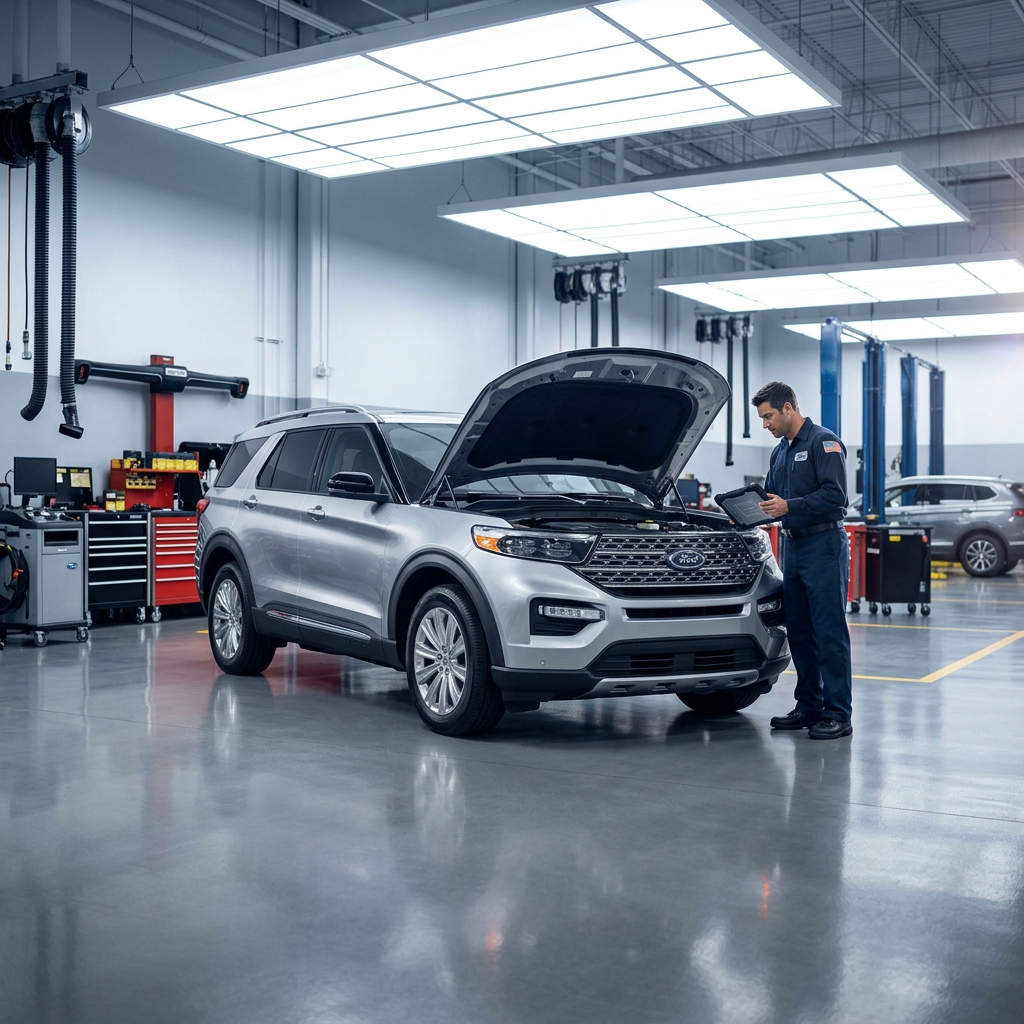
My Deep Dive into 2023 Ford Mustang Engines and Transmissions

My Deep Dive into 2023 Ford Mustang Engines and Transmissions

My Deep Dive into 2023 Ford Mustang Engines and Transmissions Does the 2023 Mustang GT Require Premium Fuel to Reach Peak Performance? The 2023 Ford Mustang GT does not require premium fuel to operate safely, as its naturally aspirated 5.0-liter Coyote V8 engine runs without issue on standard 87-octane regular unleaded gasoline. However, running regular fuel reduces output slightly below the factory-rated 450 horsepower and 410 lb-ft of torque, and Ford notes premium fuel may help achieve peak performance. Modern engine control modules continuously adjust spark timing based on knock sensor feedback. When you fill up with 87-octane regular unleaded, the PCM detects the lower octane threshold and advances ignition timing slightly less aggressively under heavy acceleration. On daily drives along the open stretch of I-70 near Junction City, most drivers will hardly notice the modest drop in peak top-end power. The dual-fuel injection system—combining high-pressure direct injection and low-pressure port fuel injection—keeps fuel delivery crisp and efficient regardless of the fuel grade you choose at the pump. When maximum acceleration or track performance is required, switching to 93-octane unleaded allows the 5.0-liter Coyote V8 to unleash its full potential all the way to its 7,500 rpm redline. Drivers seeking peak quarter-mile times or maximum throttle response during high-rpm passing maneuvers will benefit from filling up with premium fuel prior to spirited driving. If you ever have technical questions about fuel requirements or routine maintenance, you can visit our showroom on Goldenbelt Boulevard or give our sales team a quick call to chat with our staff. Table of Contents What Are the 2023 Mustang EcoBoost Engine Outputs and Transmission Choices? How Does the 10-Speed Automatic Transmission Perform Across 2023 Mustang Powertrains? What Transmission Options Are Offered on the Track-Focused 2023 Ford Mustang Mach 1? What Drive Modes and Launch Control Features Affect 2023 Mustang Transmission Performance? What Real-World Fuel Economy Can You Expect From Each 2023 Mustang Engine Option? How to Choose the Right 2023 Mustang Performance Configuration What Are the 2023 Mustang EcoBoost Engine Outputs and Transmission Choices? The base 2023 Ford Mustang EcoBoost features a turbocharged 2.3-liter turbocharged four-cylinder engine generating 310 horsepower and 350 lb-ft of torque, paired standard with a 6-speed manual transmission or an optional 10-speed SelectShift automatic. Upgrading to the High Performance Package increases power to 330 horsepower while keeping torque at 350 lb-ft. A twin-scroll turbocharger allows the four-cylinder powertrain to deliver its maximum 350 lb-ft of torque low in the rev range at 3,000 rpm. This low-end pull provides quick throttle response off the line without requiring high engine speeds. Furthermore, placing a lighter turbocharged four-cylinder over the front axle reduces curb weight by nearly 200 pounds compared to V8-equipped models. This weight reduction gives the EcoBoost sharp turn-in response when navigating the rolling Flint Hills roads surrounding Fort Riley. Transmission availability on the EcoBoost gives drivers two distinct control styles: 6-speed manual: Standard on fastback and convertible trims, featuring positive gear engagement, a balanced clutch pedal weight, and standard hill start assist. 10-speed SelectShift automatic: Optional across all EcoBoost trims, featuring steering-wheel-mounted paddle shifters and adaptive shift algorithms that adjust shift speed to driver inputs. Drivers looking for balanced performance and modern capability across our lineup can also check out our new Ford Bronco inventory to see how turbocharged EcoBoost power performs in off-road vehicles. Engine & Performance Powertrain specs by trim Feature EcoBoost Convertible EcoBoost Coupe EcoBoost Coupe Premium EcoBoost Premium Convertible Engine 2.3L 2.3L 2.3L 2.3L Horsepower 310 hp 310 hp 310 hp 310 hp Torque 350 lb-ft 350 lb-ft 350 lb-ft 350 lb-ft Transmission manual 6-speed manual 6-speed manual 6-speed manual 6-speed Drivetrain Rear-wheel drive Rear-wheel drive Rear-wheel drive Rear-wheel drive Engine & Performance (continued) Feature GT Convertible Premium GT Coupe GT Coupe Premium Mach 1 Engine 5L 5L 5L 5L Horsepower 460 hp 460 hp 460 hp 480 hp Torque 420 lb-ft 420 lb-ft 420 lb-ft 420 lb-ft Transmission manual 6-speed manual 6-speed manual 6-speed TREMEC® Drivetrain Rear-wheel drive Rear-wheel drive Rear-wheel drive Rear-wheel drive How Does the 10-Speed Automatic Transmission Perform Across 2023 Mustang Powertrains? Ford's optional 10-speed SelectShift automatic transmission utilizes closely spaced gear ratios and real-time adaptive shift scheduling to keep both the turbocharged four-cylinder and V8 engines in the heart of their power bands. By offering ten forward speeds, the transmission optimizes off-the-line acceleration through low first-gear ratios while providing wide overdrive gearing for efficient highway cruising. During aggressive driving, the 10-speed automatic skips intermediate gears during downshifts, jumping directly from tenth to fifth or seventh to third when you stomp the accelerator pedal. Mounted paddle shifters allow manual gear selection whenever you want full control over shift points. Real-world testing shows that models equipped with the 10-speed automatic achieve faster 0-60 mph sprint times than equivalent manual-transmission models due to continuous torque delivery between rapid gear shifts. To ensure your drivetrain maintains shift quality and peak power transfer over time, remember to schedule a service appointment online for routine transmission fluid checks and factory inspection services. What Transmission Options Are Offered on the Track-Focused 2023 Ford Mustang Mach 1? The track-oriented 2023 Ford Mustang Mach 1 comes standard with a heavy-duty TREMEC TR-3160 6-speed manual transmission featuring rev-matching and a dual-disc clutch, while a custom-calibrated 10-speed SelectShift automatic is available as an option. Powering the Mach 1 is a naturally aspirated 5.0-liter Coyote V8 producing 470 horsepower and 410 lb-ft of torque. The TREMEC TR-3160 6-speed manual is specifically engineered for high-rpm track durability. Unlike standard manual gearboxes, the TREMEC unit incorporates an external oil cooler, aggressive gear engagement teeth, and a short-throw shifter for precise gear changes under heavy lateral loads. Driver-selectable rev-matching blips the throttle automatically on downshifts, matching engine rpm to transmission speed for smooth rear-axle stability during hard braking into corners. Key mechanical performance upgrades on the Mach 1 include: Heavy-duty engine oil, transmission oil, and differential coolers borrowed from Shelby performance engineering. Standard MagneRide Damping System that adjusts shock stiffness thousands of times per second based on cornering loads. Optional track-calibrated 10-speed automatic with customized shift logic for high-speed circuit driving. If you are looking for high-performance pre-owned sports cars, explore our pre-owned vehicle inventory, browse our Ford Mustang research guides, or value your trade online to begin your upgrade. What Drive Modes and Launch Control Features Affect 2023 Mustang Transmission Performance? The 2023 Mustang features Selectable Drive Modes —including Normal, Sport+, Track, Drag Strip, and Snow/Wet—that electronically recalibrate throttle mapping, steering weighting, and automatic transmission shift points. Manual-transmission Mustang GT and Mach 1 models come equipped with standard electronic launch control integrated into the digital gauge cluster to manage wheel spin during hard launches. When you select Drag Strip mode on models with the 10-speed automatic, the transmission holds gears longer and executes full-throttle shifts without dropping engine boost or rpm between gear changes. This gear-hold strategy minimizes acceleration loss during quarter-mile runs. Track mode speeds up downshift response during hard braking and holds lower gears through turns to ensure power is immediately available upon apex exit. Standard Track Apps built into the instrument cluster provide tools for performance tracking: Electronic launch control: Allows drivers to set engine launch rpm between 3,000 and 4,500 rpm for consistent traction off the line. Electronic Line Lock: Locks the front brakes while leaving the rear wheels free to spin, making rear tire warming straightforward before drag strip passes. Acceleration timers: Measures 0-60 mph, 0-100 mph, and quarter-mile elapsed times in real time. When preparing to finance a performance coupe, you can get pre-approved for financing online to streamline your buying process before visiting our showroom. What Real-World Fuel Economy Can You Expect From Each 2023 Mustang Engine Option? The 2023 Ford Mustang EcoBoost fastback with the 10-speed automatic earns an EPA rating of 20 city / 27 hwy mpg (and up to 22 mpg combined), making it the most fuel-efficient model in the lineup. Mustang GT models equipped with the 5.0-liter Coyote V8 and 10-speed automatic yield an EPA-estimated 15 city / 24 hwy mpg. Choosing a 6-speed manual transmission on V8 models drops highway ratings slightly to 23 mpg highway, while opting for track-focused upgrades like the High Performance Package or Mach 1 handling packages lowers overall highway efficiency due to wider performance tires and aggressive rear axle gearing. On long-distance highway cruises, the wide overdrive ratios of the 10-speed automatic allow the V8 engine to settle under 1,800 rpm at 70 mph, helping drivers achieve their highway fuel economy estimates. To keep your powertrain operating at maximum efficiency, you can order genuine Ford performance parts and factory air filters directly through our dealership. Fuel Economy Fuel economy and range by trim Feature EcoBoost Convertible EcoBoost Coupe EcoBoost Coupe Premium EcoBoost Premium Convertible MPG 20 city / 27 hwy / 23 combined 21 city / 29 hwy / 24 combined 21 city / 29 hwy / 24 combined 20 city / 27 hwy / 23 combined Fuel Economy (continued) Feature GT Convertible Premium GT Coupe GT Coupe Premium Mach 1 MPG 15 city / 23 hwy / 18 combined 15 city / 24 hwy / 18 combined 15 city / 24 hwy / 18 combined 14 city / 22 hwy / 17 combined How to Choose the Right 2023 Mustang Performance Configuration Selecting the ideal 2023 Mustang performance configuration comes down to how you plan to drive your car day to day. If your priority is a nimble daily commuter with punchy low-end torque and impressive fuel economy, the EcoBoost starting at $27,770 base MSRP offers exceptional value. Enthusiasts seeking traditional muscle car sound and 450 horsepower will find the Mustang GT starting at $38,345 base MSRP to be the strong option in the lineup. For drivers who demand track-ready durability, high-rpm cooling, and 470 horsepower, the Mach 1 starting at $55,570 base MSRP represents the top performance trim of the S550 chassis generation. Every 2023 Mustang is backed by Ford's standard 3-year/36,000-mile bumper-to-bumper warranty and 5-year/60,000-mile powertrain warranty for long-term peace of mind. Whenever you are ready to compare Mustang engine notes, test drive different transmission options, or inspect our pre-owned performance inventory, visit our showroom on Goldenbelt Boulevard or call our team directly. We look forward to helping you find the perfect Mustang setup. Pricing Pricing by trim Feature EcoBoost Convertible EcoBoost Coupe EcoBoost Coupe Premium EcoBoost Premium Convertible Base MSRP $33,270 $27,770 $32,795 $38,295 Destination charge $1,395 $1,395 $1,395 $1,395 Pricing (continued) Feature GT Convertible Premium GT Coupe GT Coupe Premium Mach 1 Base MSRP $48,865 $38,345 $43,365 $55,570 Destination charge $1,395 $1,395 $1,395 $1,395 © 2026 Valor Ford. All rights reserved. Vehicle specification data © JATO Dynamics Limited.

How Does a Ford Model Year Changeover Work?

How Does a Ford Model Year Changeover Work?

How Does a Ford Model Year Changeover Work? A Ford model year changeover is the annual production and inventory transition during late summer and fall when automakers ship incoming new-model-year vehicles to dealerships while clearing remaining prior-model-year inventory. Dealerships lower acquisition costs on outgoing units through factory cash-back rebates, low-APR promotional rates via Ford Credit, and current inventory offers to make room on the lot. During this transition window, vehicle production shifts at assembly plants, altering package combinations, exterior styling options, and engine availability across the lineup. For shoppers evaluating new Ford trucks and SUVs, the changeover period represents a window where maximum monetary savings on outgoing models directly contrast with the option to factory-order updated technology and refreshed styling on incoming models. Understanding how inventory shifts during a model year transition helps buyers timing their next vehicle purchase. Remaining outgoing inventory often features popular configurations like the 2026 Ford F-150 with the 3.5L EcoBoost® V6 engine or versatile SUVs such as the 2026 Ford Escape with all-wheel drive. As incoming vehicles arrive, overall lot selection moves quickly. To view current vehicle availability or speak directly with our team about incoming arrivals, visit our showroom on Goldenbelt Boulevard in Junction City or reach out by phone at (785) 238-5114. Table of Contents Is It Better to Buy an Outgoing Model Year or a New Model Year Ford? What Discounts, Financing Rates, and Trade-In Values Apply to Outgoing Models? What Changes and Engine Options Are Coming for the 2027 Ford F-150? How Can Buyers Locate Remaining Outgoing Ford Inventory at Valor Ford? Common Questions About Buying Outgoing vs New Model Year Fords Navigating Your Next Ford Purchase in Junction City Is It Better to Buy an Outgoing Model Year or a New Model Year Ford? Choosing between an outgoing model year Ford and an incoming model year Ford depends on whether your priority is upfront purchase savings or access to the latest technical updates and design changes. Outgoing model year Fords offer higher immediate price discounts and established reliability records, while incoming models deliver updated equipment groups, revised styling, and newer cabin technology. Buying an outgoing model year Ford makes financial sense for buyers who want to maximize purchasing power. Outgoing models benefit from manufacturer incentives, including lower finance rates and direct cash-back allowances, which reduce overall financing costs. For example, selecting an outgoing trim line like the 2026 Ford Explorer, which starts at an MSRP of $42,585 and provides a 5,000-lb towing capacity powered by a 2.3L EcoBoost® V6, offers high utility at a reduced price point relative to incoming model updates. Conversely, purchasing a new model year Ford is the better path when you desire newly introduced packages, upgraded driver-assist systems like Ford BlueCruise hands-free highway driving, or revised engine options. Incremental enhancements—such as redesigned front grilles, new wheel choices, and upgraded interior displays—are exclusive to incoming production runs. Outgoing Model Advantages: Substantial closeout rebates, lower finance interest rates, immediate lot availability, and proven mechanical platforms. Incoming Model Advantages: Latest infotainment software, newly available appearance packages, updated active safety technology, and maximum vehicle resale horizon. Configuration Flexibility: Outgoing inventory is limited to on-lot stock, whereas incoming model years allow custom factory orders tailored to specific color, cab, and equipment choices. Shoppers comparing versatile off-road platforms can explore our new Ford Bronco inventory to see current model availability or check out our pre-owned inventory selection to review late-model options. Pricing Pricing by trim Feature King Ranch 4x4 SuperCrew 5-1/2’ Box King Ranch 4x4 SuperCrew 6-1/2’ Box King Ranch SuperCrew 5-1/2’ Box Lariat 4x4 SuperCrew 5-1/2’ Box:--:--:--:--:-- Base MSRP $69,625 $69,930 $65,825 $63,360 Destination charge $2,795 $2,795 $2,795 $2,795 Pricing (continued) Feature Lariat 4x4 SuperCrew 6-1/2’ Box Lariat SuperCrew 5-1/2’ Box Platinum 4x4 SuperCrew 5-1/2’ Box Platinum 4x4 SuperCrew 6-1/2’ Box:--:--:--:--:-- Base MSRP $63,965 $59,560 $72,600 $72,905 Destination charge $2,795 $2,795 $2,795 $2,795 Pricing (continued) Feature Platinum SuperCrew 5-1/2’ Box Police Responder 4x4 SuperCrew 5-1/2’ Box Raptor 4x4 SuperCrew 5-1/2’ Box STX 4x4 SuperCab 6-1/2’ Box:--:--:--:--:-- Base MSRP $68,800 $52,350 $79,005 $48,655 Destination charge $2,795 $2,595 $2,795 $2,795 Pricing (continued) Feature STX 4x4 SuperCrew 5-1/2’ Box STX SuperCab 6-1/2’ Box STX SuperCrew 5-1/2’ Box Tremor 4x4 SuperCrew 5-1/2’ Box:--:--:--:--:-- Base MSRP $51,070 $44,855 $47,190 $64,915 Destination charge $2,795 $2,795 $2,795 $2,795 Pricing (continued) Feature XL 4x4 Regular Cab 6-1/2’ Box XL 4x4 Regular Cab 8’ Box XL 4x4 SuperCab 6-1/2’ Box XL 4x4 SuperCrew 5-1/2’ Box:--:--:--:--:-- Base MSRP $44,600 $42,305 $45,400 $47,820 Destination charge $2,795 $2,795 $2,795 $2,795 Pricing (continued) Feature XL 4x4 SuperCrew 6-1/2’ Box XL Regular Cab 6-1/2’ Box XL Regular Cab 8’ Box XL SuperCab 6-1/2’ Box:--:--:--:--:-- Base MSRP $50,475 $39,585 $37,290 $41,600 Destination charge $2,795 $2,795 $2,795 $2,795 Pricing (continued) Feature XL SuperCrew 5-1/2’ Box XLT 4x4 SuperCab 6-1/2’ Box XLT 4x4 SuperCrew 5-1/2’ Box XLT 4x4 SuperCrew 6-1/2’ Box:--:--:--:--:-- Base MSRP $43,935 $49,495 $51,915 $54,555 Destination charge $2,795 $2,795 $2,795 $2,795 Pricing (continued) Feature XLT SuperCab 6-1/2’ Box XLT SuperCrew 5-1/2’ Box:--:--:-- Base MSRP $45,695 $48,055 Destination charge $2,795 $2,795 What Discounts, Financing Rates, and Trade-In Values Apply to Outgoing Models? Outgoing model year Ford vehicles typically qualify for the largest combined factory incentives of the calendar year, including low promotional APR financing, direct customer cash rebates, and trade-in assistance bonuses. While outgoing vehicles experience slightly higher initial book-value depreciation in the first two years, their resale values converge with newer model years over a five-year ownership period. During end-of-model-year clearance events, factory cash rebates on popular full-size pickups often range from $1,500 to $4,500 depending on the trim package, cab style, and drivetrain selected. Financing promotions offered through Ford Credit frequently feature low interest rates—such as current promotional financing options on select STX and XLT configurations—substantially lowering total interest paid over the life of a loan. Trade-in values during the changeover period remain strong due to steady pre-owned market demand. For agricultural operators across Dickinson County who rely on heavy payload capacity for daily haul tasks, upgrading an older work truck for an outgoing model year F-150 or Super Duty unlocks major mechanical upgrades without paying new-model price premiums. Trim / Configuration Base MSRP Drivetrain Horsepower Torque F-150 XL Regular Cab 6-1/2' Box $39,585 Rear-wheel drive 400 hp 410 lb-ft F-150 STX 4x4 SuperCab 6-1/2' Box $48,655 All-wheel drive 325 hp 400 lb-ft F-150 XLT 4x4 SuperCrew 5-1/2' Box $51,915 All-wheel drive 325 hp 400 lb-ft F-150 Lariat 4x4 SuperCrew 5-1/2' Box $63,360 All-wheel drive 400 hp 500 lb-ft F-150 King Ranch 4x4 SuperCrew 5-1/2' Box $69,625 All-wheel drive 400 hp 500 lb-ft F-150 Platinum 4x4 SuperCrew 5-1/2' Box $72,600 All-wheel drive 400 hp 500 lb-ft F-150 Raptor 4x4 SuperCrew 5-1/2' Box $79,005 All-wheel drive 450 hp 510 lb-ft To determine the current market equity in your existing vehicle before shopping closeout specials, submit your vehicle details through our online trade-in evaluation tool. What Changes and Engine Options Are Coming for the 2027 Ford F-150? The 2027 Ford F-150 updates its powertrain lineup by replacing the 2.7-liter EcoBoost V6 with a more powerful 3.0L EcoBoost® V6 on select configurations while making the 5.0L Ti-VCT V8 engine available again on high-series King Ranch and Platinum trims. Additionally, the 2027 lineup expands driver-assist technology by integrating Ford BlueCruise hands-free driving with active towing support. Powertrain choices for the F-150 platform remain focused on high output and heavy work capability. The twin-turbo 3.5L EcoBoost® V6 outputs 400 hp and 500 lb-ft of torque, while the high-output version in the Raptor trim generates 450 hp and 510 lb-ft of torque paired with a SelectShift® automatic transmission. Buyers seeking maximum efficiency can select the 3.5L PowerBoost® Full Hybrid V6, which delivers 640 lb-ft of combined torque. When properly configured, the Ford F-150 achieves a best-in-class max available towing capacity of 13,500 lbs and a best-in-class max available payload of 2,440 lbs. By comparison, equivalent Chevrolet Silverado 1500 configurations reach a maximum payload rating of 2,260 lbs, giving the F-150 a distinct 180-lb advantage for heavy hauling tasks. The 2027 model year also introduces updated exterior styling, including revised front grilles and new wheel designs across mid-tier trims, alongside the new rugged F-150 Carhartt® Package. Off-road enthusiasts will note more accessible equipment groups on Tremor and Raptor models, though certain 157-inch-wheelbase configurations—such as the STX FX4 201A and XLT 303A —are discontinued. For detailed specs on existing truck configurations, visit our 2026 Ford F-150 research page. Engine & Performance Powertrain specs by trim Feature King Ranch 4x4 SuperCrew 5-1/2’ Box King Ranch 4x4 SuperCrew 6-1/2’ Box King Ranch SuperCrew 5-1/2’ Box Lariat 4x4 SuperCrew 5-1/2’ Box:--:--:--:--:-- Engine 3.5L 3.5L 3.5L 3.5L Horsepower 400 hp 400 hp 400 hp 400 hp Torque 500 lb-ft 500 lb-ft 500 lb-ft 500 lb-ft Transmission SelectShift® SelectShift® SelectShift® SelectShift® Drivetrain All-wheel drive All-wheel drive Rear-wheel drive All-wheel drive Engine & Performance (continued) Feature Lariat 4x4 SuperCrew 6-1/2’ Box Lariat SuperCrew 5-1/2’ Box Platinum 4x4 SuperCrew 5-1/2’ Box Platinum 4x4 SuperCrew 6-1/2’ Box:--:--:--:--:-- Engine 3.5L 3.5L 3.5L 3.5L Horsepower 400 hp 400 hp 400 hp 400 hp Torque 500 lb-ft 500 lb-ft 500 lb-ft 500 lb-ft Transmission SelectShift® SelectShift® SelectShift® SelectShift® Drivetrain All-wheel drive Rear-wheel drive All-wheel drive All-wheel drive Engine & Performance (continued) Feature Platinum SuperCrew 5-1/2’ Box Police Responder 4x4 SuperCrw 5-1/2’ Box Raptor 4x4 SuperCrew 5-1/2’ Box STX 4x4 SuperCab 6-1/2’ Box:--:--:--:--:-- Engine 3.5L 3.5L 3.5L 2.7L Horsepower 400 hp 400 hp 450 hp 325 hp Torque 500 lb-ft 500 lb-ft 510 lb-ft 400 lb-ft Transmission SelectShift® SelectShift® SelectShift® SelectShift® Drivetrain Rear-wheel drive All-wheel drive All-wheel drive All-wheel drive Engine & Performance (continued) Feature STX 4x4 SuperCrew 5-1/2’ Box STX SuperCab 6-1/2’ Box STX SuperCrew 5-1/2’ Box Tremor 4x4 SuperCrew 5-1/2’ Box:--:--:--:--:-- Engine 2.7L 2.7L 2.7L 3.5L Horsepower 325 hp 325 hp 325 hp 400 hp Torque 400 lb-ft 400 lb-ft 400 lb-ft 500 lb-ft Transmission SelectShift® SelectShift® SelectShift® SelectShift® Drivetrain All-wheel drive Rear-wheel drive Rear-wheel drive All-wheel drive Engine & Performance (continued) Feature XL 4x4 Regular Cab 6-1/2’ Box XL 4x4 Regular Cab 8’ Box XL 4x4 SuperCab 6-1/2’ Box XL 4x4 SuperCrew 5-1/2’ Box:--:--:--:--:-- Engine 5.0L 2.7L 2.7L 2.7L Horsepower 400 hp 325 hp 325 hp 325 hp Torque 410 lb-ft 400 lb-ft 400 lb-ft 400 lb-ft Transmission SelectShift® SelectShift® SelectShift® SelectShift® Drivetrain All-wheel drive All-wheel drive All-wheel drive All-wheel drive Engine & Performance (continued) Feature XL 4x4 SuperCrew 6-1/2’ Box XL Regular Cab 6-1/2’ Box XL Regular Cab 8’ Box XL SuperCab 6-1/2’ Box:--:--:--:--:-- Engine 3.5L 5L 2.7L 2.7L Horsepower 400 hp 400 hp 325 hp 325 hp Torque 500 lb-ft 410 lb-ft 400 lb-ft 400 lb-ft Transmission SelectShift® SelectShift® SelectShift® SelectShift® Drivetrain All-wheel drive Rear-wheel drive Rear-wheel drive Rear-wheel drive Engine & Performance (continued) Feature XL SuperCrew 5-1/2’ Box XLT 4x4 SuperCab 6-1/2’ Box XLT 4x4 SuperCrew 5-1/2’ Box XLT 4x4 SuperCrew 6-1/2’ Box:--:--:--:--:-- Engine 2.7L 2.7L 2.7L 3.5L Horsepower 325 hp 325 hp 325 hp 400 hp Torque 400 lb-ft 400 lb-ft 400 lb-ft 500 lb-ft Transmission SelectShift® SelectShift® SelectShift® SelectShift® Drivetrain Rear-wheel drive All-wheel drive All-wheel drive All-wheel drive Engine & Performance (continued) Feature XLT SuperCab 6-1/2’ Box XLT SuperCrew 5-1/2’ Box:--:--:-- Engine 2.7L 2.7L Horsepower 325 hp 325 hp Torque 400 lb-ft 400 lb-ft Transmission SelectShift® SelectShift® Drivetrain Rear-wheel drive Rear-wheel drive How Can Buyers Locate Remaining Outgoing Ford Inventory at Valor Ford? Locating remaining outgoing Ford inventory requires using online vehicle search filters sorted by model year, reviewing digital window stickers for specific equipment groups, and communicating directly with dealership inventory specialists. Because closeout vehicles sell quickly during late-summer and fall sales events, tracking real-time lot arrivals is essential. Our online inventory portal allows shoppers to filter incoming and on-lot vehicles by model year, trim level, body style, powertrain, and exterior color. When browsing, pay close attention to window stickers for specific package codes, such as the Bed Utility Package, FX4 Off-Road Package, or Tow/Haul Package. Filter Online Inventory: Set search parameters specifically to the outgoing model year to view tagged current pricing and remaining trim availability. Review Window Stickers: Check factory window stickers online to verify included options, gear ratios, and MSRP breakdown. Set Up Inventory Alerts: Contact our sales staff to get notified immediately when outgoing trade-ins or factory turn-in units arrive on the lot. Pre-Qualify Financing: Complete your paperwork early to streamline purchase approval when your desired vehicle configuration is identified. Before visiting our showroom to inspect remaining inventory, buyers can simplify the buying process by choosing to prequalify for financing online. Common Questions About Buying Outgoing vs New Model Year Fords Q: When does the Ford model year changeover officially start and end? The Ford model year changeover generally starts in late summer, around August, and extends through late fall as factories transition production lines to the upcoming model year. Dealerships receive incoming inventory batches over several months, meaning outgoing and incoming model years share showroom floor space through the end of the calendar year. Q: Does buying an outgoing model year Ford negatively affect its long-term resale value? An outgoing model year vehicle shows a slightly lower book value during the first 24 to 36 months of ownership simply because it is technically one model year older on paper. However, by year five or six of ownership, depreciation curves flatten out, making the trade-in value gap between model years negligible while preserving your initial purchase savings. Q: Can I custom factory-order an outgoing model year Ford vehicle? Factory order banks for outgoing model years typically close late in the spring or early summer before the changeover begins. Once order banks close, buyers looking for an outgoing model must select from remaining vehicles in dealership inventory or incoming dealer-allocated stock. Custom factory orders during the changeover apply exclusively to incoming model year vehicles. Q: How do factory warranties compare between outgoing and incoming model year Fords? Factory warranty coverage is identical regardless of whether you purchase an outgoing closeout model or an incoming new model year vehicle. Every new Ford includes a 3-year/36,000-mile bumper-to-bumper limited warranty alongside a 5-year/60,000-mile powertrain limited warranty, with coverage beginning on the day you take delivery of the vehicle. Q: What key documents should I bring to finalize an end-of-model-year vehicle purchase? To streamline your purchase during closeout events, bring a valid driver's license, your current vehicle registration and title if trading in a car, current proof of auto insurance, and your two most recent pay stubs or proof of income if applying for financing through Ford Credit. Navigating Your Next Ford Purchase in Junction City Evaluating an outgoing model year vehicle against an incoming model year Ford comes down to balancing upfront savings against your desire for newly released features. Outgoing models deliver maximized purchase value through current offers and financing information, and proven mechanical performance. Incoming models offer the newest design updates, revised powertrain options, and the latest driver-assist technologies. At Valor Ford, our sales team is ready to walk you through available inventory, explain current factory rebates, and assist with trade-in valuations. Whether you want to test-drive a remaining model on our lot or discuss custom ordering an incoming production unit, our team provides straightforward pricing and transparent guidance throughout the buying process. Explore our online inventory today or visit our dealership in person to take a test drive. For map route guidance, get directions to 1825 Goldenbelt Blvd, or connect directly with our sales specialists by calling (785) 238-5114. Keep Your Vehicle Running Strong Keep your vehicle performing at its best with our service team: Schedule Pickup and Delivery Service Schedule Ford Service Today Order Genuine Ford Parts © 2026 Valor Ford. All rights reserved. Vehicle specification data © JATO Dynamics Limited.
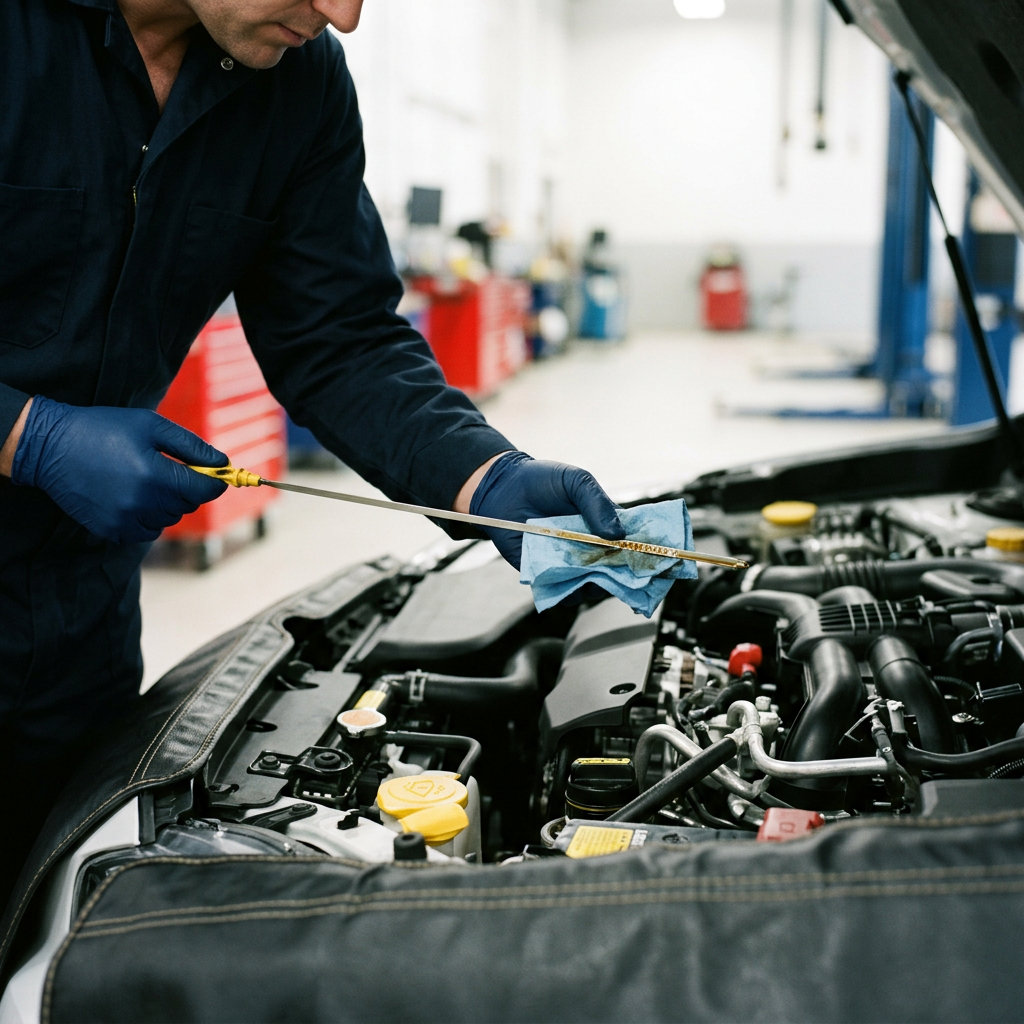
What Are the Requirements and Specifications for Ford WSS-M2C961-A1 Engine Oil?

What Are the Requirements and Specifications for Ford WSS-M2C961-A1 Engine Oil?

What Are the Requirements and Specifications for Ford WSS-M2C961-A1 Engine Oil? Ford specification WSS-M2C961-A1 represents the modern benchmark for 5W-20 engine oils designed specifically for Ford North American powertrains. Introduced to align with the stringent API SP (American Petroleum Institute) and ILSAC GF-6A (International Lubricant Specification Advisory Committee) standards, this specification engineered by Ford Global Materials Engineering addresses the complex tribological demands of high-output, turbocharged direct-injection EcoBoost engines. Unlike traditional motor oil standards of past decades, WSS-M2C961-A1 is not merely focused on reducing metallic friction; it is a holistic chemical formulation engineered to protect advanced internal timing belt materials, prevent destructive combustion events, and maintain strict viscosity boundaries over extended service intervals. At the heart of the Ford WSS-M2C961-A1 requirement matrix is chemical compatibility with modern internal belt-in-oil (BIO) systems, commonly referred to as 'wet timing belts'. In these EcoBoost engine designs, elastomeric belts operate continuously submerged in engine oil spray and crankcase vapor. Standard motor oils containing aggressive detergent packages, excessive zinc dialkyldithiophosphate (ZDDP) ratios, or unapproved base stocks can cause catastrophic chemical degradation of the elastomeric polymers, leading to belt swelling, tooth stripping, and sudden engine failure. WSS-M2C961-A1 demands specialized base oils and balanced additive chemistry that preserve hydrogenated nitrile butadiene rubber (HNBR) structural integrity while controlling deposit formation under high thermal loads. Key performance targets of the Ford WSS-M2C961-A1 specification include robust mitigation against Low-Speed Pre-Ignition (LSPI)—a highly destructive phenomenon in downsized, turbocharged engines where fuel-oil droplets ignite spontaneously before spark ignition. It also demands high dynamic shear stability under extreme high-temperature high-shear (HTHS) conditions, superior anti-foaming properties to prevent aeration in oil pump pathways, and exceptional cold-cranking performance during winter temperature drops. Specification Parameter Required Baseline Standard Ford Standard Target Engine Protection Benefit Viscosity Grade SAE 5W-20 Kinematic Viscosity @ 100°C: 7.8 - 9.3 cSt Optimizes oil film thickness and fuel efficiency Industry Certification API SP / ILSAC GF-6A Exceeds API SN Plus Standards Mandatory LSPI protection & wear defense Chemical Compatibility Standard Elastomers Ford Bio-Elastomer (HNBR / CR) Certified Prevents wet timing belt erosion and softening Shear Stability Standard Polymer Resistance 30-Cycle Kurt Orbahn Shear Test < 10% Maintains protective oil film under heavy loads Volatility (Noack) < 15.0% Loss < 13.0% Loss @ 250°C Reduces oil consumption and intake valve deposits What Is a Ford Wet Belt Engine and How Does It Function? A Ford Wet Belt engine —technically categorized as a Belt-in-Oil (BIO) system—is an engine design in which the internal timing belt (and in some engines, the oil pump belt) runs inside the engine block, directly bathed in crankcase motor oil. Traditional engine designs historically relied on either dry rubber timing belts isolated behind plastic covers or heavy steel timing chains lubricated by engine oil. Ford automotive engineers adopted wet belt architecture to combine the quiet, smooth operation of a rubber belt with the internal placement advantages of a chain. The primary mechanical motivation behind belt-in-oil technology is friction reduction. Steel timing chains create significant mechanical resistance as dozens of metal links flex over dynamic tensioners and cam sprockets. A wet belt reduces internal friction drag by approximately 30% compared to a timing chain. In modern vehicle design, this reduction in internal parasitic drag translates directly into improved fuel economy metrics, reduced CO2 emissions, and immediate throttle responsiveness for vehicle owners navigating daily traffic across Junction City and Fort Riley. However, operating a flexible belt within hot engine oil introduces unique chemical challenges. The timing belt is composed of advanced elastomeric synthetic rubber reinforced with high-tensile glass fiber cords. Engine oil naturally absorbs combustion byproducts, unburned blow-by gasoline, acid residues, and extreme thermal heat. If the oil chemistry is incorrect or severely degraded, these compounds penetrate the belt's rubber matrix, destabilizing its vulcanized bonds and causing catastrophic degradation. Which Ford EcoBoost Engines Use a Wet Timing Belt? 1.0L EcoBoost 3-Cylinder The pioneer of Ford's wet belt technology in North America and Europe, the award-winning 1.0L EcoBoost 3-cylinder engine (found in select Ford Focus, Fiesta, and EcoSport models) features twin internal wet belts: a main primary timing belt driving the overhead camshafts and a smaller secondary belt driving the variable-displacement oil pump submerged in the oil pan sump. 1.5L EcoBoost (Select Models) Certain configurations of the 1.5L EcoBoost engine family—including key variants found in popular commuter CUVs like the Ford Escape and Ford Bronco Sport—utilize a wet belt drive dedicated specifically to the lower oil pump module. Maintaining oil chemical purity under specification WSS-M2C961-A1 is equally vital for preserving these critical lower drive belts. Junction City Commuter Impact For soldiers commuting daily between Fort Riley military installation and Junction City or traveling highway stretches along I-70 to Manhattan, KS, these compact EcoBoost engines deliver fantastic fuel efficiency. However, their high power density means maintenance vigilance is essential to protect internal wet belt systems. Why Ford WSS-M2C961-A1 Replaced Older Engine Oil Standards Automotive oil standards continually evolve to match rapid advances in engine metallurgy, induction technology, and environmental regulations. Ford WSS-M2C961-A1 supersedes older 5W-20 engine oil standards including WSS-M2C945-A, WSS-M2C945-B, and the legacy WSS-M2C930-A specification. While these older oils met the performance requirements of their day, they lack the structural chemical defenses needed for high-stress direct-injection turbocharged engines with wet timing belts. The fundamental shift began with the introduction of API SP and ILSAC GF-6A standards. Older API SN and GF-5 oils relied heavily on high concentrations of calcium-based detergent additives. While calcium effective keeps metal surfaces clean, researchers discovered that calcium ions promote combustion instability in direct-injected turbocharged engines, triggering severe Low-Speed Pre-Ignition (LSPI) micro-explosions. WSS-M2C961-A1 replaces excess calcium with magnesium-based detergent chemistry, virtually eliminating LSPI risks. Furthermore, WSS-M2C961-A1 introduces far stricter oxidation limits and chain-wear resistance criteria. Modern turbochargers spin in excess of 200,000 RPM, subjecting engine oil to blistering temperatures. WSS-M2C961-A1 resists thermal coking and varnish formation while preserving vital rubber flexibility across timing belt teeth. Schedule Ford Service Today Can Ford WSS-M2C948-B Oil Be Used Instead of WSS-M2C961-A1? A frequent point of confusion among automotive enthusiasts and local vehicle owners revolves around European vs. North American Ford oil standards—specifically comparing European WSS-M2C948-B with North American WSS-M2C961-A1. While both are 5W-20 viscosity formulations designed for 1.0L and 1.5L EcoBoost wet belt engines, they are tailored around distinct regional fuel standards and test protocols. WSS-M2C948-B was formulated primarily for the European market in conjunction with ACEA C5 standards. It emphasizes sulfurized ash limits compatible with European particulate filters and specific high-sulfur or bio-fuel blends found across EU countries. In contrast, North American WSS-M2C961-A1 is optimized around API SP and ILSAC GF-6A parameters, focusing heavily on ethanol-blended US top-tier gasolines (E10/E15) and LSPI suppression. Can you substitute them? For vehicle owners in North America, Ford factory technical guidelines explicitly specify using WSS-M2C961-A1 certified lubricants (such as Motorcraft Synthetic Blend 5W-20). While using WSS-M2C948-B in an emergency top-off situation won't instantly destroy a belt, long-term adherence to WSS-M2C961-A1 is necessary to maintain official Ford factory warranty compliance and ensure optimal protection under American operating conditions. To ensure your EcoBoost engine remains fully compliant with warranty requirements, our factory-certified technicians at Valor Ford in Junction City, KS always install exact OEM-certified Motorcraft fluid formulations. What Symptoms Indicate That a Ford Wet Belt Is Beginning to Deteriorate? 1. Early Warning Signs As a wet belt degrades from improper oil chemistry or heat stress, minute fine rubber particles begin shedding off the backing and tooth matrix. During oil change services, trained technicians will spot fine rubber specks trapped in the oil drain pan or clinging to the dipstick tip. Visual inspection through the oil filler cap may also reveal cracking, swelling, or fraying along the visible edge of the belt. 2. Diagnostic Fault Codes As rubber particulate sheds into the oil supply, it is pumped directly toward the oil pan sump pickup tube screen. Rubber debris clogs the fine mesh screen, restricting oil flow. This oil starvation triggers diagnostic trouble codes: P0011 / P0012 (Camshaft Position Timing Over-Advanced/Over-Retarded due to oil control valve blockage) or P0299 (Turbocharger Underboost Condition from restricted oil line flow). 3. Severe Pressure Drops The most alarming mechanical symptom is a flickering red Oil Pressure Warning Light on the instrument cluster, particularly when idling at a stoplight after highway driving. Increased valve train ticking noise or harsh metallic rattle on cold starts indicates severe oil starvation. If ignored, stripped teeth will jump timing, causing internal valve-to-piston impact. How Incorrect Engine Oil Causes Catastrophic Wet Belt Failure The chemical physics of wet timing belt destruction from improper oil selection is both swift and unforgiving. When a vehicle owner or quick-lube shop pours non-approved standard motor oil, wrong-viscosity oil (such as 10W-30 or 5W-30 without WSS-M2C961-A1 approval), or aggressive aftermarket oil additives into an EcoBoost wet belt engine, a destructive chemical reaction known as elastomer plasticization begins. Unapproved base oils and aggressive additive compounds break down the synthetic rubber bonding polymers. The rubber absorbs incompatible chemical esters, causing the timing belt to swell by up to 15% in thickness. As the belt swells, its tooth pitch changes, causing severe mechanical scrubbing against the steel camshaft sprockets. This friction peels the outer tooth fabric shield away from the inner rubber cord. Simultaneously, acidic combustion byproducts in degraded oil soften the core rubber matrix. Belt teeth become soft and rubbery, eventually shearing off cleanly under load. When multiple teeth shear off, the camshafts immediately lose synchronization with the crankshaft. Because EcoBoost engines are interference engines (where valve and piston sweeps overlap), timing loss drives pistons directly into open valves at thousands of RPM, resulting in catastrophic engine failure requiring total assembly replacement. Even before timing jumps, the shed rubber slurry clogs the oil pickup screen, starving the turbocharger bearings and crankshaft journals of oil. Using anything other than certified WSS-M2C961-A1 oil is the single primary cause of premature wet belt engine destruction. How Do You Properly Maintain a Ford Engine with a Wet Timing Belt? Preventing premature wet belt failure and ensuring long-term reliability for your Ford vehicle requires a disciplined maintenance protocol. By following these four core engineering rules, vehicle owners can easily achieve 100,000+ trouble-free miles from their EcoBoost wet belt engine: 1. Strict Oil Change Intervals (5,000 - 7,500 Miles): Never push oil drain intervals to the absolute maximum 10,000-mile limit under the Intelligent Oil-Life Monitor (IOLM), especially in Kansas severe duty conditions. Changing oil every 5,000 to 7,500 miles flushes out abrasive carbon soot and unburned fuel before chemical breakdown occurs. 2. Use ONLY WSS-M2C961-A1 Certified Oil: Verify that every oil bottle or service ticket explicitly states Ford WSS-M2C961-A1 approval. Motorcraft Synthetic Blend 5W-20 or Motorcraft Full Synthetic 5W-20 are direct factory OEM formulations. 3. Install OEM Motorcraft Filters: Genuine Motorcraft oil filters (such as FL-910S) feature silicone anti-drainback valves and precise bypass pressure relief valves engineered to capture micro-particulates without starving the timing belt circuit. 4. NEVER Use Chemical Engine Flushes or Solvent Additives: Engine flush solvents, oil thickeners, and friction-reducing additives can immediately react with wet belt rubber compounds, stripping away protective vulcanization coatings. Avoid all flush chemicals unless explicitly mandated by Ford technical service bulletins. Service Mileage Interval Recommended Maintenance Action Service Focus Area Every 5,000 - 7,500 Miles Oil & Filter Change (WSS-M2C961-A1 Motorcraft 5W-20) Fresh lubricant chemistry & particulate removal Every 15,000 Miles Visual Belt & Filler Neck Inspection Check for surface cracking or fraying Every 30,000 Miles Crankcase Vapor & PCV System Check Prevent fuel dilution buildup in crankcase Every 80,000 - 100,000 Miles Complete Wet Belt Replacement Service Replace primary belt, pump belt, tensioners & seal Schedule Pickup and Delivery Service What Additional Parts Should Be Replaced During a Wet Belt Replacement Service? Belts & Mechanical Tensioners A complete wet belt replacement requires changing both internal belts: the primary overhead camshaft wet timing belt and the secondary lower oil pump wet belt. Both mechanical belt tensioner pulleys and dynamic idler bearings must be replaced simultaneously, as their internal sealed bearings experience identical mileage wear. Seals, Gaskets & Hardware Because servicing internal belts involves disassembling the engine front cover and valve cover, technicians must replace the front crankshaft main oil seal, front timing cover gasket set, valve cover gasket, and single-use stretch crankshaft pulley bolt. Reusing stretch bolts risks severe engine harmonic balancer loosening. Sump Inspection & Pickup Screen The crucial step during wet belt replacement is dropping the engine oil pan to thoroughly clean or replace the oil pump pickup tube screen. Any residual rubber shed from the old belt trapped in the oil pan or screen must be meticulously cleaned out to guarantee unobstructed oil pressure for the new belt system. Driving Conditions in Central Kansas and Fort Riley: Severe Duty Impact Driving habits and seasonal environmental factors in Central Kansas directly influence engine oil longevity and wet belt health. For vehicle owners living in Junction City, commuting across Dickinson County, or driving on Fort Riley military base, operating conditions frequently cross into what Ford defines as **Severe Duty Service**. Military service members on Fort Riley often make frequent short trips—under 5 miles—between housing barracks, motor pools, and training grounds. During short trips, the engine oil never fully reaches its optimal operating temperature (above 180°F). Cold engine operation causes unburned gasoline from direct-injection pulses to wash past piston rings into the oil pan. This fuel dilution lowers oil viscosity and accelerates rubber degradation on the wet timing belt. Additionally, Kansas weather swings present extreme temperature challenges. Sub-zero winter cold starts in January demand instant low-temperature flow (5W rating) to ensure oil reaches upper overhead camshaft wet belts within seconds of ignition. Conversely, 100°F summer days with high agricultural dust exposure put heavy thermal stress on high-shear oil stability. If you drive under these severe conditions in the Junction City region, sticking strictly to a 5,000-mile WSS-M2C961-A1 oil service schedule at Valor Ford is essential. Feel free to Call us at (785) 238-5114 to consult with our service advisors regarding your specific driving patterns. Comparing Factory Motorcraft Oils with Aftermarket Alternatives Motorcraft Synthetic Blend Motorcraft 5W-20 Synthetic Blend (WSS-M2C961-A1) is engineered directly alongside Ford EcoBoost engines. It undergoes thousands of hours of engine dynamometer belt-in-oil durability testing, ensuring exact elastomer chemical compatibility and proven LSPI defense at an competitive pricing. Aftermarket Equivalents Some premium third-party oils state 'recommended for WSS-M2C961-A1' on their labels. However, caution is required: many generic off-the-shelf oils carry general API SP ratings but have not undergone Ford's explicit OEM bio-elastomer bench test certification for wet belt degradation. Warranty Assurance Using genuine Motorcraft WSS-M2C961-A1 oil supplied by an authorized dealership like Valor Ford helps maintain clear records for powertrain warranty claims. It eliminates any ambiguity regarding fluid specification compliance. Schedule Certified Ford Wet Belt Service and Oil Changes at Valor Ford Protecting your Ford vehicle's engine performance and ensuring wet timing belt longevity requires professional care using factory-certified fluids and expert diagnostic eyes. At Valor Ford, our factory-trained Ford technicians specialize in EcoBoost engine maintenance, wet belt visual inspections, and official WSS-M2C961-A1 Motorcraft fluid services. Whether you are due for a routine 5,000-mile oil change, require a detailed wet belt diagnostic inspection, or need to order genuine OEM Motorcraft filters and fluids, our team is ready to serve drivers across Junction City, Fort Riley, Abilene, and surrounding Kansas communities. Visit us today at 1825 Goldenbelt Blvd or use our convenient online scheduler to book your appointment. Schedule Ford Service Today Order Genuine Ford Parts

Expert Interview: How Can You Prevent Rodents From Chewing Wiring in a Stored Vehicle?

Expert Interview: How Can You Prevent Rodents From Chewing Wiring in a Stored Vehicle?

Expert Interview: How Can You Prevent Rodents From Chewing Wiring in a Stored Vehicle? The Bottom Line Answer Up Front: To successfully prevent rodents—such as mice, rats, and squirrels—from chewing soy-based wiring harness insulation during short or long-term vehicle storage, you must employ a multi-layered defense strategy. Combined protection includes wrapping sensitive wire harnesses with capsaicin-infused rodent tape, installing botanical mint repellents, conducting thorough interior detailing to eliminate all organic scent trails and food crumbs, positioning strategic snap traps around tire contact points, and utilizing a smart trickle charger to maintain electrical integrity. In this exclusive deep-dive interview, Mike Hogg, Service Director at Valor Ford in Junction City, Kansas, draws upon his 20 years of hands-on automotive service experience to share actionable, real-world advice. Whether you are a local driver preparing a truck for winter garage storage or a service member stationed at nearby Fort Riley gearing up for an overseas deployment, this expert Q&A equips you with the exact protocols needed to keep destructive pests out of your vehicle. Interviewer: Mike, thanks for sitting down with us today. Rodent damage to vehicle wiring seems to be a major headache for vehicle owners across Kansas, especially when cars are parked or stored for extended periods. Before we dive into specific prevention techniques, can you give us a quick overview of what owners are facing when mice get under the hood? Mike Hogg: Thanks for having me. Over my 20 years here at Valor Ford, I've seen hundreds of vehicles towed into our service bay with complex electrical glitches that all trace back to one single culprit: a small field mouse or rat that decided to make an engine bay its winter home. When a vehicle sits undisturbed—even for just a couple of weeks during seasonal transitions—rodents find the cozy, sheltered spaces under the intake manifold or fuse box irresistible. They don't just build nests; they gnaw through crucial harness wiring, fuel lines, and sensor leads. What could have been prevented with twenty dollars worth of rodent tape or a good cleaning often turns into a multi-thousand-dollar electrical harness replacement. Our goal today is to make sure every driver in Junction City, Fort Riley, and Dickinson County knows exactly how to prevent that nightmare before it starts. Q: Why do mice and rodents target car wiring during long-term storage in Kansas? Interviewer: It feels like rodent wire-chewing has become much more common in recent years compared to older vehicles from thirty years ago. Is that just a myth, or has something fundamental changed in how modern cars are manufactured? Mike Hogg: It is definitely not a myth—it's a proven reality. Starting in the late 1990s and expanding rapidly throughout the 2000s and 2010s, global automakers transitioned from traditional petroleum-based plastic wire insulation to soy-based bio-plastics. Soy insulation was introduced to make vehicles more eco-friendly, reduce plastic waste, and lower manufacturing costs. However, soy is an organic compound derived from soybeans. To a hungry field mouse, rat, or squirrel, that wiring harness literally smells and tastes like food. Furthermore, modern vehicles have miles of intricate wiring running through every corner of the chassis. From engine control modules (ECMs) and blind-spot sensors to heated seat harnesses and battery cables, there are dozens of harness corridors tucked under plastic engine covers and thermal insulation shields. These dark, tight spaces retain heat long after you turn off the ignition, creating an ideal, warm sanctuary shield against cold Kansas winds. Interviewer: How do local geography and agricultural cycles in central Kansas impact rodent activity around parked vehicles? Mike Hogg: Here in Dickinson County and around Junction City, we are surrounded by rich agricultural land, wheat fields, corn crop acreage, and prairie habitats. During the late summer and early fall, as farmers harvest crops and temperatures begin to drop, field mice lose their natural cover and primary food supply. They begin migrating in vast numbers toward residential garages, barns, carports, and parking lots looking for warmth, shelter, and nesting material. Rodent teeth grow continuously throughout their lives—up to 4 to 5 inches per year. They *must* constantly chew on hard or flexible materials to grind their incisors down. The flexible yet durable soy-based insulation surrounding vehicle wiring provides the exact mechanical resistance they need to maintain their teeth, while the cotton-like acoustic insulation lining car hoods and cabin firewalls provides pristine nesting material. When a vehicle sits parked in a driveway or garage, rodents can establish a nest and severely chew through essential engine harnesses in as little as 48 to 72 hours. Q: What physical deterrents and repellents actually keep rodents out of stored engines? Capsaicin Rodent Tape Capsaicin Tape Defense: Specially treated electrical tape infused with capsaicin—the fiery chemical compound found in hot chili peppers—is widely recognized as the gold standard in physical electrical protection. When wrapped directly over vulnerable wiring looms, main engine harnesses, and knock-sensor wires, it delivers an unbearable spicy sting to any rodent that attempts to bite into it. At Valor Ford, our factory-trained technicians can install capsaicin rodent protection tape on vehicles entering long-term storage or those coming in for post-damage harness rebuilds. Botanical Oils & Sound Mint Repellents & Ultrasonic Units: Pure peppermint oil sprays and commercial botanical deterrent pouches (like Fresh Cab) overload a rodent's sensitive olfactory senses. Spraying concentrated peppermint oil around wheel wells, firewall openings, and subframe entry points creates an unpleasant aroma barrier. Ultrasonic sound devices connected to the car battery emit variable high-frequency sound waves that irritate rodents without disturbing humans or domestic household pets. For complete protection, combine olfactory botanical repellents with electrical capsaicin wrapping. Tire Traps & OEM Accessories Strategic Perimeter Traps: Rodents cannot fly—they must climb up your vehicle's rubber tires or suspension components to reach the engine compartment or cabin. Placing heavy-duty mechanical snap traps or non-toxic wooden snap boxes directly adjacent to all four tire contact patches creates an inescapable defensive perimeter around the vehicle. You can also browse official Ford protection accessories and maintenance products at our dealership. Order Genuine Ford Parts directly through Valor Ford for OEM-backed protection accessories. Q: What are the key vehicle preparation steps before placing a car into long-term storage? Interviewer: Walk us through the ultimate pre-storage preparation checklist. What should a vehicle owner do right before turning off the engine for several months? Mike Hogg: Proper vehicle preparation is all about eliminating the attractants that lure pests in the first place, while protecting vital mechanical components from stagnation damage. Here is our recommended step-by-step checklist: 1. Deep Interior Detailing: Vacuum every square inch of the interior, including under seat rails, trunk compartments, and glove boxes. Even a single stray French fry, wrapper crumb, or dropped piece of candy will attract mice from yards away. Clean all interior vinyl and upholstery with odor-eliminating solutions. 2. Fresh Synthetic Oil Change & Filter: Used engine oil contains acidic combustion byproducts, moisture, and unburned fuel particles that can settle and corrode internal engine components during storage. Always perform a fresh oil and filter change right before parking the car. 3. Fuel Stabilizer Additive: Modern ethanol-blended gasoline begins to degrade and absorb moisture within 30 to 60 days, leading to varnish buildup in fuel injectors and lines. Fill the gas tank to roughly 95% capacity (leaving a small expansion space) and add a high-quality fuel stabilizer, then run the engine for 10 minutes to circulate the treated fuel through the entire fuel delivery system. 4. Replace Cabin & Engine Air Filters: Old filters clogged with leaf debris, seeds, and organic dust create prime nest-building material. Install clean, new OEM filters before storage. 5. Top Off All Essential Fluids: Fill coolant, brake fluid, power steering fluid, and windshield washer reservoirs to full levels to eliminate internal air pockets where condensation can accumulate. 6. Schedule a Comprehensive Pre-Storage Inspection: Have professional Ford technicians inspect your belts, hoses, brake assemblies, and electrical harness seals before storing your vehicle. Schedule Ford Service Today Q: Is it better to disconnect the vehicle battery or use a trickle charger for storage? Interviewer: Battery maintenance is a huge topic for vehicle storage, especially for military personnel deploying overseas from Fort Riley for 6 to 12 months. Should people disconnect their battery terminals, or leave a trickle charger plugged in? Mike Hogg: This depends directly on your storage location and electrical access. If your vehicle is stored in a secure garage with access to a standard 120V wall outlet, a high-quality smart battery maintainer (trickle charger) is by far the superior option. Unlike older basic trickle chargers that continuously push voltage and can overcharge or boil off battery electrolyte, a modern smart maintainer monitors battery voltage continuously. It cycles into float mode when full, preventing battery sulfation and keeping internal computer memories, clock settings, and engine control unit (ECU) calibration profiles alive. Keeping continuous power to modern vehicles prevents deep parasitic battery drain caused by security systems and keyless entry receivers. Mike Hogg (Continued): However, if you are storing your vehicle in an outdoor military storage lot or a facility without reliable electrical outlets, disconnecting the battery is mandatory. Parasitic power draws in modern Ford trucks and SUVs can completely drain a healthy 12V battery in as little as 3 to 4 weeks. When disconnecting, always remove the negative (black/minus) terminal cable first to prevent electrical shorting against the vehicle frame. Tuck the terminal wire safely away from the battery post. If possible, remove the battery completely and store it on a wooden shelf in a climate-controlled space. When you return from deployment, thoroughly clean the battery terminals, reconnect the positive cable first, then the negative cable, and allow the vehicle to idle for 5 to 10 minutes so the ECU can re-learn its idle fuel trims. Q: What tire pressure should you set before putting a car into storage? Over-Inflate for Flat Spots Preventing Flat-Spotting: When a heavy vehicle sits stationary on rubber tires for months, the weight compresses the bottom contact area, causing flat-spotting in the tire tread. Cold winter temperatures make rubber stiffer, making flat spots persistent. To prevent flat spots, inflate your tires to 3 to 5 PSI above the recommended cold inflation pressure listed on your driver-side door jamb placard (never exceed the maximum sidewall PSI rating stamped on the tire). This extra pressure maintains tire roundness under static weight. Floor Barrier Protection Thermal Concrete Isolation: Parking directly on cold concrete garage floors draws oils and moisture out of rubber tire compounds, accelerating dry rot and sidewall cracking during long winter storage periods in Kansas. Park your vehicle on thick wooden planks, high-density rubber stall mats, or curved tire cradles. This creates a protective thermal barrier between the freezing concrete slab and your tire tread rubber, preserving rubber flexibility and sidewall life. Post-Storage Re-Adjustment Re-setting PSI Before Driving: Once your storage period is complete and you are ready to put the car back on the road, always adjust tire pressure back to factory specification before driving at highway speeds. If you notice persistent steering wheel vibration or thumping sounds after returning from storage, visit Valor Ford for a quick tire balance and tread safety inspection. If you need new tires, explore our Browse Used Inventory or contact our service center. Q: How do you protect a vehicle interior and exterior from mold, moisture, and pests during deployment storage? Interviewer: Fort Riley service members frequently ask about long-term deployment storage protection against interior mold, dampness, and external weathering. What specialized tips do you have for soldiers deploying overseas? Mike Hogg: Serving our military community at Fort Riley is a huge part of our mission at Valor Ford. When a soldier deploys for 6, 9, or 12 months, their vehicle is exposed to dramatic seasonal weather shifts in Kansas—from humid summer heat to freezing winter ice. Moisture management inside the cabin is critical. Place 2 to 3 large desiccant moisture-absorber tubs (like DampRid) on the floorboards and in the cargo area. These absorb ambient humidity and trap water in sealed containers, preventing toxic mold and mildew growth on leather seats and headliners. Close all climate control vents and switch selector toggles to 'Recirculate' mode to shut off external air intake flaps. Mike Hogg (Continued): For exterior body protection, perform a full wash, iron decontaminant treatment, and high-quality paint sealant application before putting the vehicle away. A premium paint sealant protects clear coat finishes from atmospheric dust, bird droppings, and industrial fallout. If storing outdoors or under a carport, use a custom-fit, breathable multi-layer car cover. Avoid cheap non-breathable plastic tarps, which trap moisture underneath and cause paint blistering, rust, and frame corrosion. Finally, seal exhaust tailpipes and intake snorkels with breathable wire mesh or aluminum foil caps to stop mice from nesting inside your exhaust system. Take advantage of our convenient Schedule Pickup and Delivery Service to let our team handle your pre-deployment vehicle prep. Schedule Pickup and Delivery Service Q: What documentation is required to store a vehicle at government expense during deployment? Title & Registration Ownership Verification: Government-funded Privately Owned Vehicle (POV) storage facilities at Fort Riley require complete proof of ownership. You must present the original vehicle title or current state registration documents in the deploying service member's name. Ensure registration renewal dates will not expire during your planned deployment window to prevent administrative impound issues. Power of Attorney Legal Authorization: If a spouse, family member, or designated representative is turning in the vehicle on your behalf, a valid Special Power of Attorney (POA) specifically authorizing vehicle storage and movement is legally required. If the vehicle is financed or leased, an official Lienholder Authorization Letter granting permission for government storage must be included. Safety Certification Mechanical Safety Records: Government POV storage facilities require a documented safety inspection verifying zero active fluid leaks, operational emergency brakes, clean battery connections, and proper tire tread depth. Our service department at Valor Ford provides complete Fort Riley storage safety inspection documentation to make turn-in as easy as possible. Q: What pre-PCS vehicle maintenance checks should service members complete before a cross-country drive from Fort Riley? Interviewer: When military families receive Permanent Change of Station (PCS) orders moving them from Fort Riley to bases across the country, what critical safety checks should they perform before hitting the highway? Mike Hogg: A cross-country PCS move usually involves heavy loads, towing trailers, and long hours at highway speeds across varying terrain. The last thing any military family needs is a preventable breakdown in the middle of a multi-state move. First on the checklist is a full brake inspection. Ensure brake pads have at least 4-5mm of friction material remaining and inspect rotors for heat checking or warping. Second, perform a complete cooling system flush and pressure test. Kansas weather shifts rapidly, and driving into desert heat or mountain passes tests your radiator, water pump, thermostat, and coolant hoses to their absolute limits. Mike Hogg (Continued): Third, check your tire condition and wheel alignment. Inspect tread depth across all tires using a tread gauge, verify spare tire pressure, and ensure your jack and lug wrench are functional. Fourth, perform a load-tested battery and alternator check. High heat and heavy highway electrical loads stress aging batteries rapidly. Before you load up your luggage and start your journey, bring your Ford truck, SUV, or sedan to Valor Ford for a comprehensive pre-PCS multi-point inspection. If you're looking to upgrade your vehicle prior to PCSing, check out our popular models like the Research Ford F-150 or Shop New Ford Bronco Inventory. Q: What should you do if rodents have already damaged your vehicle's electrical wiring? Interviewer: If a driver starts their vehicle after storage and sees a dashboard lit up with check engine lights, rough idling, or non-functioning headlights due to mouse damage, what immediate steps should they take? Mike Hogg: If you suspect rodent damage, do not continue driving the vehicle. Chewed or shorted electrical wires can cause unpredictable computer malfunctions, damage delicate control modules, or even spark electrical fires under the hood. 1. Do Not Force Start or Drive: Turn off the ignition immediately if you smell burning materials or notice erratic sensor warnings. 2. Inspect Visually (Safely): Pop the hood and inspect for visible nest materials, droppings, or exposed copper wires around the battery and engine intake manifold. Do not touch bare copper wires. 3. File an Auto Insurance Claim: Many drivers do not realize that rodent damage to vehicle wiring is typically covered under the Comprehensive Coverage portion of your auto insurance policy. Contact your insurer right away to report the claim. 4. Arrange Safe Flatbed Towing: Have your vehicle safely towed directly to Valor Ford's certified service center. 5. Professional Repair & Harness Replacement: Our master technicians utilize factory wiring schematics, genuine OEM harness assemblies, and heat-shrink soldering techniques to restore your electrical system to 100% factory precision. We can also help you Order Genuine Ford Parts for specialized repairs. Order Genuine Ford Parts Schedule Your Vehicle Storage Prep or Maintenance Inspection at Valor Ford Protecting your vehicle from destructive rodent damage, cold Kansas weather, and storage stagnation requires knowledge, preparation, and the right OEM accessories. Whether you are preparing your Ford truck for winter storage, gearing up for a military deployment from Fort Riley, or scheduling a pre-PCS safety inspection, the team at Valor Ford is here to serve you. With 20 years of hands-on expertise under the guidance of Service Director Mike Hogg, our factory-certified service technicians deliver uncompromising quality, authentic OEM replacement parts, and reliable customer service. Visit our state-of-the-art facility at 1825 Goldenbelt Blvd, Junction City, KS 66441. Get Directions to Valor Ford or Call us at (785) 238-5114 to speak directly with our service advisors today. You can also explore options to Trade In Evaluation or contact our finance team for current financing information. Schedule Ford Service Today

Contact Us

Fill out this form below and we'll contact you shortly
*Required Fields