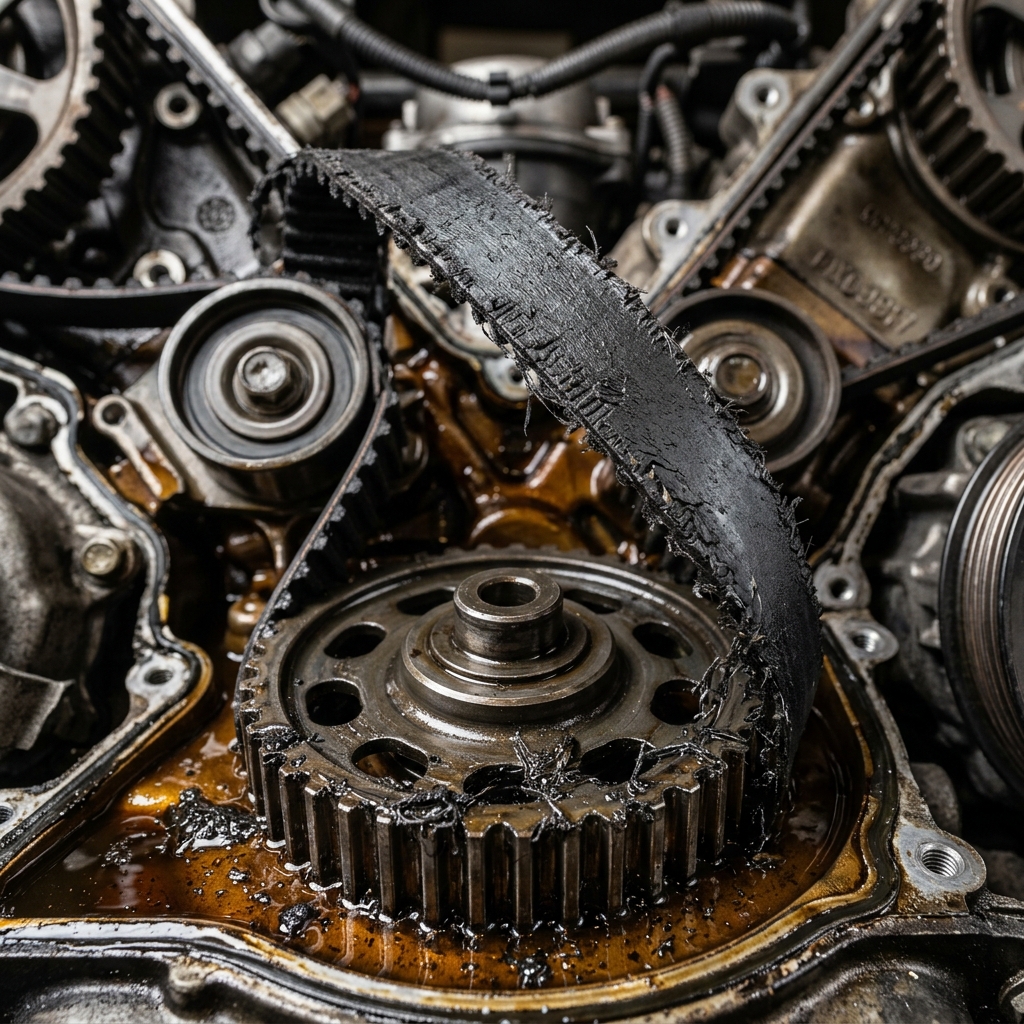
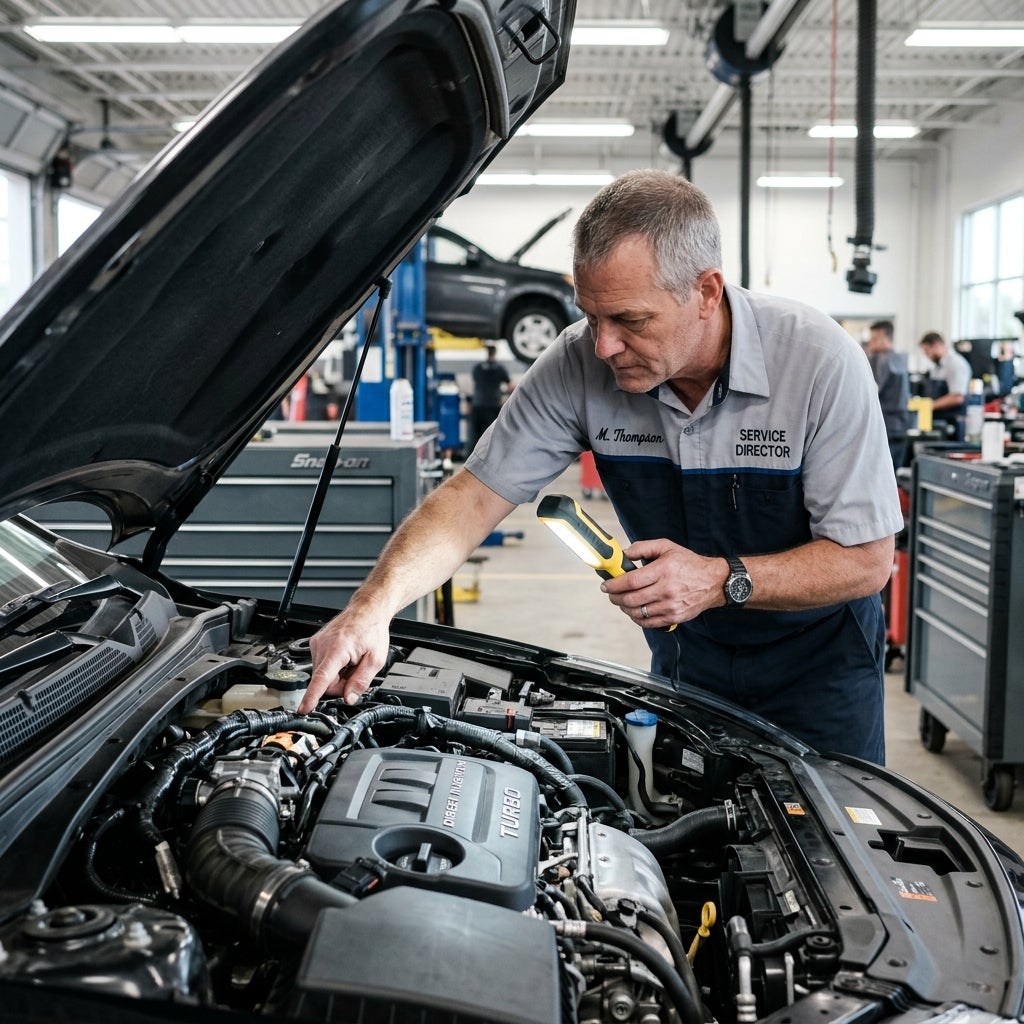
Expert Interview: How Can You Prevent Rodents From Chewing Wiring in a Stored Vehicle? The Bottom Line Answer Up Front: To successfully prevent rodents—such as mice, rats, and squirrels—from chewing soy-based wiring harness insulation during short or long-term vehicle storage, you must employ a multi-layered defense strategy. Combined protection includes wrapping sensitive wire harnesses with capsaicin-infused rodent tape, installing botanical mint repellents, conducting thorough interior detailing to eliminate all organic scent trails and food crumbs, positioning strategic snap traps around tire contact points, and utilizing a smart trickle charger to maintain electrical integrity. In this exclusive deep-dive interview, Mike Hogg, Service Director at Valor Ford in Junction City, Kansas, draws upon his 20 years of hands-on automotive service experience to share actionable, real-world advice. Whether you are a local driver preparing a truck for winter garage storage or a service member stationed at nearby Fort Riley gearing up for an overseas deployment, this expert Q&A equips you with the exact protocols needed to keep destructive pests out of your vehicle. Interviewer: Mike, thanks for sitting down with us today. Rodent damage to vehicle wiring seems to be a major headache for vehicle owners across Kansas, especially when cars are parked or stored for extended periods. Before we dive into specific prevention techniques, can you give us a quick overview of what owners are facing when mice get under the hood? Mike Hogg: Thanks for having me. Over my 20 years here at Valor Ford, I've seen hundreds of vehicles towed into our service bay with complex electrical glitches that all trace back to one single culprit: a small field mouse or rat that decided to make an engine bay its winter home. When a vehicle sits undisturbed—even for just a couple of weeks during seasonal transitions—rodents find the cozy, sheltered spaces under the intake manifold or fuse box irresistible. They don't just build nests; they gnaw through crucial harness wiring, fuel lines, and sensor leads. What could have been prevented with twenty dollars worth of rodent tape or a good cleaning often turns into a multi-thousand-dollar electrical harness replacement. Our goal today is to make sure every driver in Junction City, Fort Riley, and Dickinson County knows exactly how to prevent that nightmare before it starts. Q: Why do mice and rodents target car wiring during long-term storage in Kansas? Interviewer: It feels like rodent wire-chewing has become much more common in recent years compared to older vehicles from thirty years ago. Is that just a myth, or has something fundamental changed in how modern cars are manufactured? Mike Hogg: It is definitely not a myth—it's a proven reality. Starting in the late 1990s and expanding rapidly throughout the 2000s and 2010s, global automakers transitioned from traditional petroleum-based plastic wire insulation to soy-based bio-plastics. Soy insulation was introduced to make vehicles more eco-friendly, reduce plastic waste, and lower manufacturing costs. However, soy is an organic compound derived from soybeans. To a hungry field mouse, rat, or squirrel, that wiring harness literally smells and tastes like food.
Furthermore, modern vehicles have miles of intricate wiring running through every corner of the chassis. From engine control modules (ECMs) and blind-spot sensors to heated seat harnesses and battery cables, there are dozens of harness corridors tucked under plastic engine covers and thermal insulation shields. These dark, tight spaces retain heat long after you turn off the ignition, creating an ideal, warm sanctuary shield against cold Kansas winds. Interviewer: How do local geography and agricultural cycles in central Kansas impact rodent activity around parked vehicles? Mike Hogg: Here in Dickinson County and around Junction City, we are surrounded by rich agricultural land, wheat fields, corn crop acreage, and prairie habitats. During the late summer and early fall, as farmers harvest crops and temperatures begin to drop, field mice lose their natural cover and primary food supply. They begin migrating in vast numbers toward residential garages, barns, carports, and parking lots looking for warmth, shelter, and nesting material.
Rodent teeth grow continuously throughout their lives—up to 4 to 5 inches per year. They *must* constantly chew on hard or flexible materials to grind their incisors down. The flexible yet durable soy-based insulation surrounding vehicle wiring provides the exact mechanical resistance they need to maintain their teeth, while the cotton-like acoustic insulation lining car hoods and cabin firewalls provides pristine nesting material. When a vehicle sits parked in a driveway or garage, rodents can establish a nest and severely chew through essential engine harnesses in as little as 48 to 72 hours. Q: What physical deterrents and repellents actually keep rodents out of stored engines? Capsaicin Rodent Tape Capsaicin Tape Defense: Specially treated electrical tape infused with capsaicin—the fiery chemical compound found in hot chili peppers—is widely recognized as the gold standard in physical electrical protection. When wrapped directly over vulnerable wiring looms, main engine harnesses, and knock-sensor wires, it delivers an unbearable spicy sting to any rodent that attempts to bite into it.
At Valor Ford, our factory-trained technicians can install capsaicin rodent protection tape on vehicles entering long-term storage or those coming in for post-damage harness rebuilds. Botanical Oils & Sound Mint Repellents & Ultrasonic Units: Pure peppermint oil sprays and commercial botanical deterrent pouches (like Fresh Cab) overload a rodent's sensitive olfactory senses. Spraying concentrated peppermint oil around wheel wells, firewall openings, and subframe entry points creates an unpleasant aroma barrier.
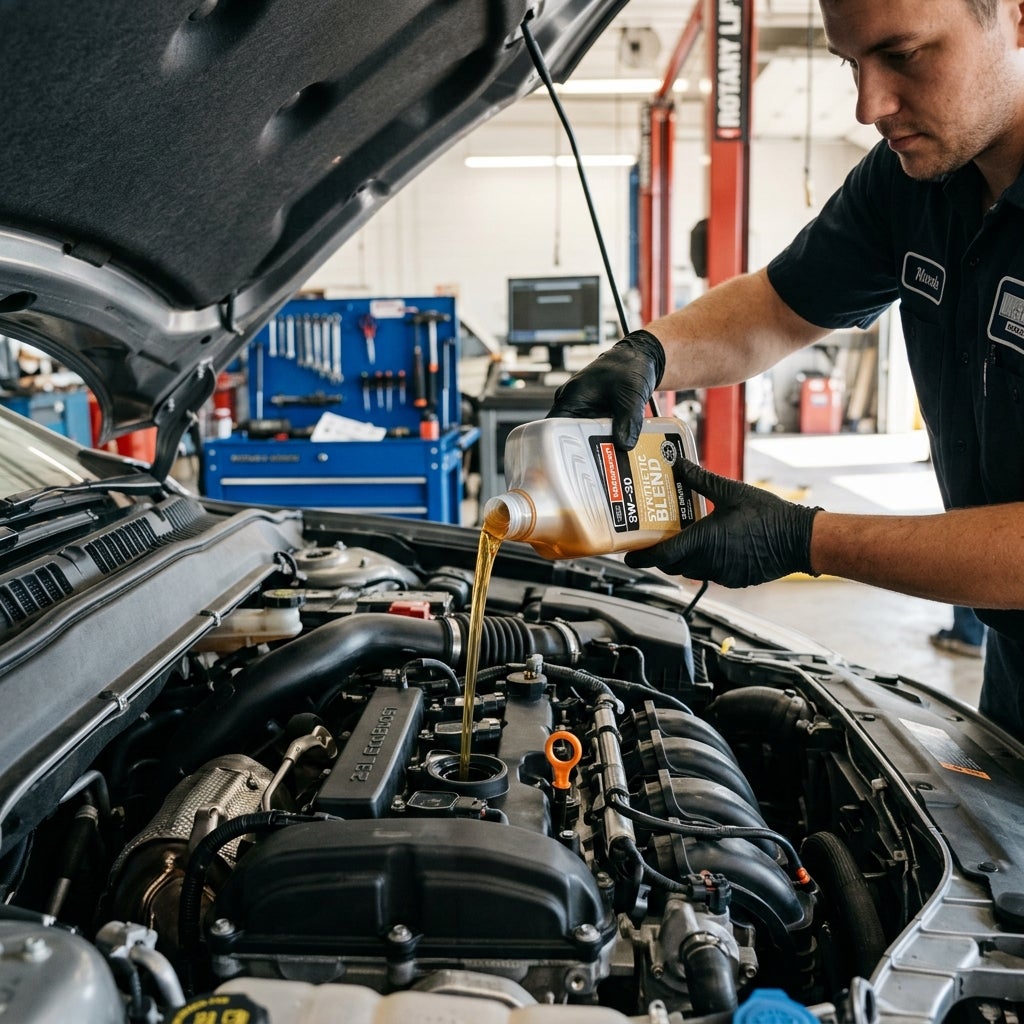
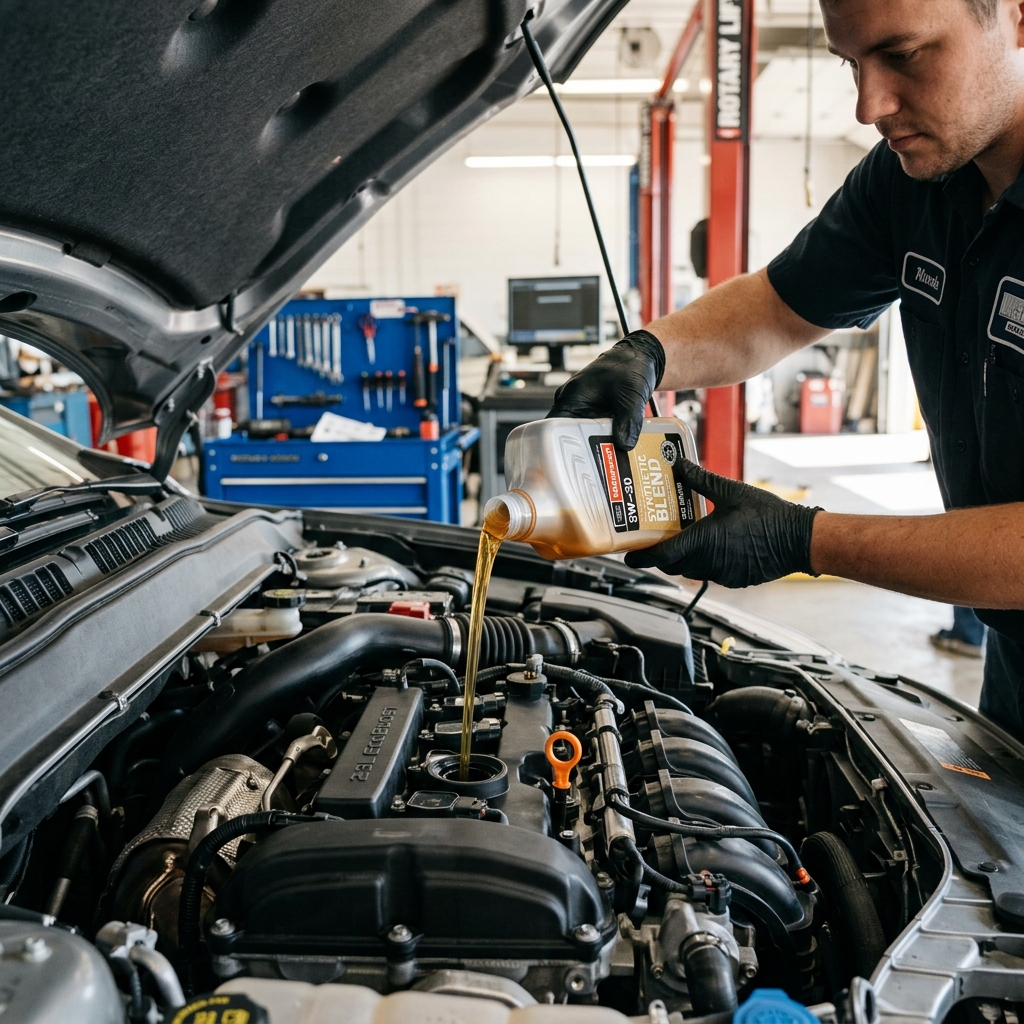
Ultrasonic sound devices connected to the car battery emit variable high-frequency sound waves that irritate rodents without disturbing humans or domestic household pets. For complete protection, combine olfactory botanical repellents with electrical capsaicin wrapping. Tire Traps & OEM Accessories Strategic Perimeter Traps: Rodents cannot fly—they must climb up your vehicle's rubber tires or suspension components to reach the engine compartment or cabin. Placing heavy-duty mechanical snap traps or non-toxic wooden snap boxes directly adjacent to all four tire contact patches creates an inescapable defensive perimeter around the vehicle. You can also browse official Ford protection accessories and maintenance products at our dealership. Order Genuine Ford Parts directly through Valor Ford for OEM-backed protection accessories. Q: What are the key vehicle preparation steps before placing a car into long-term storage? Interviewer: Walk us through the ultimate pre-storage preparation checklist. What should a vehicle owner do right before turning off the engine for several months? Mike Hogg: Proper vehicle preparation is all about eliminating the attractants that lure pests in the first place, while protecting vital mechanical components from stagnation damage. Here is our recommended step-by-step checklist: 1. Deep Interior Detailing: Vacuum every square inch of the interior, including under seat rails, trunk compartments, and glove boxes. Even a single stray French fry, wrapper crumb, or dropped piece of candy will attract mice from yards away. Clean all interior vinyl and upholstery with odor-eliminating solutions. 2. Fresh Synthetic Oil Change & Filter: Used engine oil contains acidic combustion byproducts, moisture, and unburned fuel particles that can settle and corrode internal engine components during storage. Always perform a fresh oil and filter change right before parking the car. 3. Fuel Stabilizer Additive: Modern ethanol-blended gasoline begins to degrade and absorb moisture within 30 to 60 days, leading to varnish buildup in fuel injectors and lines. Fill the gas tank to roughly 95% capacity (leaving a small expansion space) and add a high-quality fuel stabilizer, then run the engine for 10 minutes to circulate the treated fuel through the entire fuel delivery system. 4. Replace Cabin & Engine Air Filters: Old filters clogged with leaf debris, seeds, and organic dust create prime nest-building material. Install clean, new OEM filters before storage. 5. Top Off All Essential Fluids: Fill coolant, brake fluid, power steering fluid, and windshield washer reservoirs to full levels to eliminate internal air pockets where condensation can accumulate. 6. Schedule a Comprehensive Pre-Storage Inspection: Have professional Ford technicians inspect your belts, hoses, brake assemblies, and electrical harness seals before storing your vehicle. Schedule Ford Service Today Q: Is it better to disconnect the vehicle battery or use a trickle charger for storage? Interviewer: Battery maintenance is a huge topic for vehicle storage, especially for military personnel deploying overseas from Fort Riley for 6 to 12 months. Should people disconnect their battery terminals, or leave a trickle charger plugged in? Mike Hogg: This depends directly on your storage location and electrical access. If your vehicle is stored in a secure garage with access to a standard 120V wall outlet, a high-quality smart battery maintainer (trickle charger) is by far the superior option. Unlike older basic trickle chargers that continuously push voltage and can overcharge or boil off battery electrolyte, a modern smart maintainer monitors battery voltage continuously. It cycles into float mode when full, preventing battery sulfation and keeping internal computer memories, clock settings, and engine control unit (ECU) calibration profiles alive.
Keeping continuous power to modern vehicles prevents deep parasitic battery drain caused by security systems and keyless entry receivers. Mike Hogg (Continued): However, if you are storing your vehicle in an outdoor military storage lot or a facility without reliable electrical outlets, disconnecting the battery is mandatory. Parasitic power draws in modern Ford trucks and SUVs can completely drain a healthy 12V battery in as little as 3 to 4 weeks. When disconnecting, always remove the negative (black/minus) terminal cable first to prevent electrical shorting against the vehicle frame. Tuck the terminal wire safely away from the battery post. If possible, remove the battery completely and store it on a wooden shelf in a climate-controlled space. When you return from deployment, thoroughly clean the battery terminals, reconnect the positive cable first, then the negative cable, and allow the vehicle to idle for 5 to 10 minutes so the ECU can re-learn its idle fuel trims. Q: What tire pressure should you set before putting a car into storage? Over-Inflate for Flat Spots Preventing Flat-Spotting: When a heavy vehicle sits stationary on rubber tires for months, the weight compresses the bottom contact area, causing flat-spotting in the tire tread. Cold winter temperatures make rubber stiffer, making flat spots persistent. To prevent flat spots, inflate your tires to 3 to 5 PSI above the recommended cold inflation pressure listed on your driver-side door jamb placard (never exceed the maximum sidewall PSI rating stamped on the tire). This extra pressure maintains tire roundness under static weight. Floor Barrier Protection Thermal Concrete Isolation: Parking directly on cold concrete garage floors draws oils and moisture out of rubber tire compounds, accelerating dry rot and sidewall cracking during long winter storage periods in Kansas.
Park your vehicle on thick wooden planks, high-density rubber stall mats, or curved tire cradles. This creates a protective thermal barrier between the freezing concrete slab and your tire tread rubber, preserving rubber flexibility and sidewall life. Post-Storage Re-Adjustment Re-setting PSI Before Driving: Once your storage period is complete and you are ready to put the car back on the road, always adjust tire pressure back to factory specification before driving at highway speeds. If you notice persistent steering wheel vibration or thumping sounds after returning from storage, visit Valor Ford for a quick tire balance and tread safety inspection. If you need new tires, explore our Browse Used Inventory or contact our service center. Q: How do you protect a vehicle interior and exterior from mold, moisture, and pests during deployment storage? Interviewer: Fort Riley service members frequently ask about long-term deployment storage protection against interior mold, dampness, and external weathering. What specialized tips do you have for soldiers deploying overseas? Mike Hogg: Serving our military community at Fort Riley is a huge part of our mission at Valor Ford. When a soldier deploys for 6, 9, or 12 months, their vehicle is exposed to dramatic seasonal weather shifts in Kansas—from humid summer heat to freezing winter ice. Moisture management inside the cabin is critical.
Place 2 to 3 large desiccant moisture-absorber tubs (like DampRid) on the floorboards and in the cargo area. These absorb ambient humidity and trap water in sealed containers, preventing toxic mold and mildew growth on leather seats and headliners. Close all climate control vents and switch selector toggles to 'Recirculate' mode to shut off external air intake flaps. Mike Hogg (Continued): For exterior body protection, perform a full wash, iron decontaminant treatment, and high-quality paint sealant application before putting the vehicle away. A premium paint sealant protects clear coat finishes from atmospheric dust, bird droppings, and industrial fallout. If storing outdoors or under a carport, use a custom-fit, breathable multi-layer car cover. Avoid cheap non-breathable plastic tarps, which trap moisture underneath and cause paint blistering, rust, and frame corrosion. Finally, seal exhaust tailpipes and intake snorkels with breathable wire mesh or aluminum foil caps to stop mice from nesting inside your exhaust system. Take advantage of our convenient Schedule Pickup and Delivery Service to let our team handle your pre-deployment vehicle prep. Schedule Pickup and Delivery Service Q: What documentation is required to store a vehicle at government expense during deployment? Title & Registration Ownership Verification: Government-funded Privately Owned Vehicle (POV) storage facilities at Fort Riley require complete proof of ownership. You must present the original vehicle title or current state registration documents in the deploying service member's name.
Ensure registration renewal dates will not expire during your planned deployment window to prevent administrative impound issues. Power of Attorney Legal Authorization: If a spouse, family member, or designated representative is turning in the vehicle on your behalf, a valid Special Power of Attorney (POA) specifically authorizing vehicle storage and movement is legally required.
If the vehicle is financed or leased, an official Lienholder Authorization Letter granting permission for government storage must be included. Safety Certification Mechanical Safety Records: Government POV storage facilities require a documented safety inspection verifying zero active fluid leaks, operational emergency brakes, clean battery connections, and proper tire tread depth.
Our service department at Valor Ford provides complete Fort Riley storage safety inspection documentation to make turn-in as easy as possible. Q: What pre-PCS vehicle maintenance checks should service members complete before a cross-country drive from Fort Riley? Interviewer: When military families receive Permanent Change of Station (PCS) orders moving them from Fort Riley to bases across the country, what critical safety checks should they perform before hitting the highway? Mike Hogg: A cross-country PCS move usually involves heavy loads, towing trailers, and long hours at highway speeds across varying terrain. The last thing any military family needs is a preventable breakdown in the middle of a multi-state move. First on the checklist is a full brake inspection. Ensure brake pads have at least 4-5mm of friction material remaining and inspect rotors for heat checking or warping. Second, perform a complete cooling system flush and pressure test. Kansas weather shifts rapidly, and driving into desert heat or mountain passes tests your radiator, water pump, thermostat, and coolant hoses to their absolute limits. Mike Hogg (Continued): Third, check your tire condition and wheel alignment. Inspect tread depth across all tires using a tread gauge, verify spare tire pressure, and ensure your jack and lug wrench are functional. Fourth, perform a load-tested battery and alternator check. High heat and heavy highway electrical loads stress aging batteries rapidly. Before you load up your luggage and start your journey, bring your Ford truck, SUV, or sedan to Valor Ford for a comprehensive pre-PCS multi-point inspection. If you're looking to upgrade your vehicle prior to PCSing, check out our popular models like the Research Ford F-150 or Shop New Ford Bronco Inventory. Q: What should you do if rodents have already damaged your vehicle's electrical wiring? Interviewer: If a driver starts their vehicle after storage and sees a dashboard lit up with check engine lights, rough idling, or non-functioning headlights due to mouse damage, what immediate steps should they take? Mike Hogg: If you suspect rodent damage, do not continue driving the vehicle. Chewed or shorted electrical wires can cause unpredictable computer malfunctions, damage delicate control modules, or even spark electrical fires under the hood. 1. Do Not Force Start or Drive: Turn off the ignition immediately if you smell burning materials or notice erratic sensor warnings. 2. Inspect Visually (Safely): Pop the hood and inspect for visible nest materials, droppings, or exposed copper wires around the battery and engine intake manifold. Do not touch bare copper wires. 3. File an Auto Insurance Claim: Many drivers do not realize that rodent damage to vehicle wiring is typically covered under the Comprehensive Coverage portion of your auto insurance policy. Contact your insurer right away to report the claim. 4. Arrange Safe Flatbed Towing: Have your vehicle safely towed directly to Valor Ford's certified service center. 5. Professional Repair & Harness Replacement: Our master technicians utilize factory wiring schematics, genuine OEM harness assemblies, and heat-shrink soldering techniques to restore your electrical system to 100% factory precision. We can also help you Order Genuine Ford Parts for specialized repairs. Order Genuine Ford Parts Schedule Your Vehicle Storage Prep or Maintenance Inspection at Valor Ford Protecting your vehicle from destructive rodent damage, cold Kansas weather, and storage stagnation requires knowledge, preparation, and the right OEM accessories. Whether you are preparing your Ford truck for winter storage, gearing up for a military deployment from Fort Riley, or scheduling a pre-PCS safety inspection, the team at Valor Ford is here to serve you.
With 20 years of hands-on expertise under the guidance of Service Director Mike Hogg, our factory-certified service technicians deliver uncompromising quality, authentic OEM replacement parts, and reliable customer service.
Visit our state-of-the-art facility at 1825 Goldenbelt Blvd, Junction City, KS 66441. Get Directions to Valor Ford or Call us at (785) 238-5114 to speak directly with our service advisors today. You can also explore options to Trade In Evaluation or contact our finance team for current financing information. Schedule Ford Service Today