
Blog / Service Tips & Guides

Blog

All Service Tips & Guides Buying Guides Maintenance & Service New Vehicle Reviews Technology & Innovation Financing & Insurance Model Comparisons Safety Features Used Vehicle Guides Seasonal Driving Tips Valor Ford Models Vehicle Ownership Tips Seasonal Vehicle Care Automotive Parts & Accessories Towing & Trailer Technology New Vehicle Sales Performance & Powertrain Heavy-Duty Truck Care Junction City Valor Ford Service Seasonal Vehicle Maintenance Trade-In & Pre-Approval Processes Financing & Incentives Repair & Parts Trade-In & Negotiation Tips KS Community Model Research Vehicle Sales Off-Road Packages & Accessories Valor Ford Vehicle Trade-In Tips Automotive Repair Engine & Performance Manhattan Ford Service Military & Special Customer Programs Parts & Repairs Vehicle Pricing Strategies Vehicle Repair & Parts Agricultural Vehicle Maintenance Automotive Recalls & Repairs Dealership Transparency Diesel Engine Care Family SUVs Manhattan Ford Dealer Tire Care & Management Automotive News Certified Pre-Owned Programs Commercial Truck Financing Heavy-Duty Truck Guides Heavy-Duty Truck Upkeep Manhattan Used Cars Preventative Vehicle Inspections Technology & Innovation in Truck Service Agricultural Fleet Service Dealership Promotions & Events Diesel Engine Maintenance Genuine OEM Parts & Accessories Military & Student Moving Tips Vehicle Utility & Cargo Solutions All-Weather Driving & 4x4 Readiness Classic Car Restoration Extended Warranty & Protection Plans Farm & Ranch Equipment Reviews Genuine Parts & Accessories Hybrid & Electric Vehicles Inventory Updates Off-Road & 4x4 Features Winter Driving Tips
How Much Does 50 Gallons of Diesel Fuel Weigh?

How Much Does 50 Gallons of Diesel Fuel Weigh?

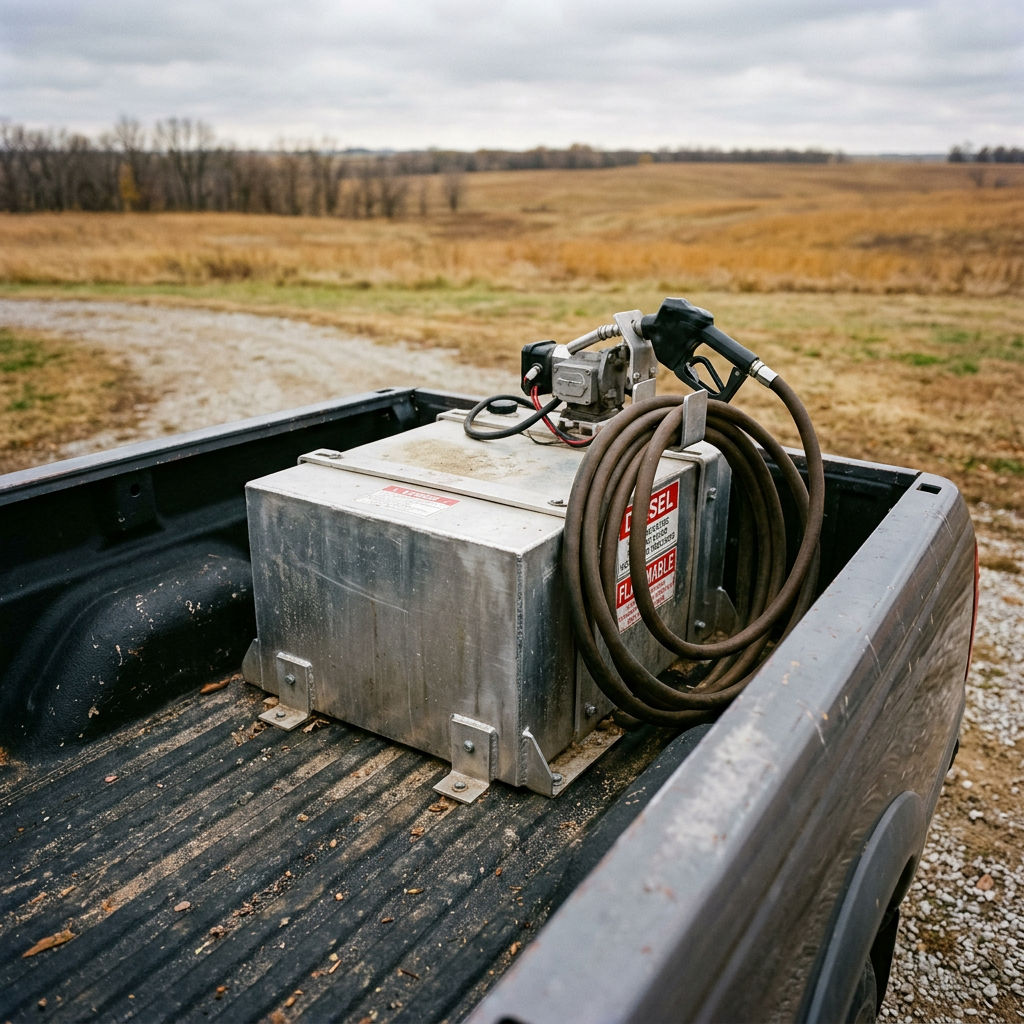
How Much Does 50 Gallons of Diesel Fuel Weigh? At standard ambient conditions, 50 gallons of No. 2 diesel fuel weigh approximately 355 lb, calculated using an industry-standard density of roughly 7.1 lb per gallon at 60°F. This liquid mass excludes the weight of the fuel tank or transfer container, which typically adds another 80 lb to 110 lb if constructed of heavy-duty steel or heavy aluminum. Understanding fuel weight is vital for truck operators, fleet managers, and outdoor drivers who carry auxiliary fuel or operate near maximum vehicle ratings. Diesel is denser and noticeably heavier than standard gasoline. While 50 gallons of gasoline weigh roughly 300 lb to 315 lb, the same volume of diesel adds roughly 40 lb to 50 lb of additional mass to the chassis. Whether mounting a bed-mounted transfer tank or filling an extended-range main tank, drivers must factor this fluid weight into overall haul calculations. For heavy-duty truck owners hauling heavy machinery, livestock, or fifth-wheel campers across northeastern Kansas, accurate weight calculation prevents exceeding safe operating limits. To discuss vehicle load ratings or locate heavy-duty trucks equipped for high payload demands, visit our Junction City dealership or give our team a quick call today. Fuel Type & Volume Standard Temperature (60°F) Density per Gallon Total Thermal Energy 50 Gallons No. 2 Diesel 355 lb 7.1 lb/gal 6,925,000 BTU 50 Gallons Gasoline (E10) 307 lb 6.1 lb/gal 5,700,000 BTU 100 Gallons No. 2 Diesel 710 lb 7.1 lb/gal 13,850,000 BTU Table of Contents What Is the Weight of Diesel Fuel per Gallon and How Does Temperature Affect It? Does Diesel Fuel Weight Count Toward Payload or Towing Capacity? How Do Weigh Stations Measure Diesel Fuel Weight on Commercial Trucks? How Many BTUs and Energy Density Are in 50 Gallons of Diesel Fuel vs Gasoline? Common Questions About Diesel Fuel Weight, Tank Sizes, and Performance Maximize Your Heavy-Duty Towing and Payload Performance What Is the Weight of Diesel Fuel per Gallon and How Does Temperature Affect It? The baseline weight of diesel fuel is approximately 7.1 lb per gallon at a standardized temperature of 60°F, but the actual weight shifts between 6.9 lb and 7.2 lb per gallon depending on fuel blend and ambient temperature. Liquid petroleum expands when heated and contracts when cooled, altering its density without changing the total energy output per pound. As ambient air temperatures rise, diesel fuel expands, causing a fixed volume like a 50-gallon tank to contain slightly less physical mass. At 70°F, diesel density drops to roughly 7.06 lb per gallon, bringing a 50-gallon volume down to approximately 353 lb. Conversely, during cold Midwestern winter conditions around 40°F or lower, diesel fuel contracts and grows denser, weighing roughly 7.16 lb per gallon or about 358 lb for 50 gallons. Seasonal winter blends also affect density. Refineries incorporate lighter kerosene fractions into winter-grade diesel to lower the pour point and prevent wax gelling. These lighter distillates slightly reduce fuel density compared to summer-grade No. 2 diesel fuel. 40°F (Cold Ambient): Dense fuel state weighing approximately 7.16 lb/gal ( 358 lb per 50 gal). 60°F (Standard Reference): Industry benchmark density weighing 7.09 lb/gal ( 355 lb per 50 gal). 70°F (Warm Ambient): Expanded fuel state weighing approximately 7.06 lb/gal ( 353 lb per 50 gal). Understanding how temperature affects payload capacity helps drivers manage exact payload limits during long-distance trips. For active lifestyle drivers looking for capable off-road and towing rigs, explore our new Ford Bronco inventory to review performance capabilities built for all weather conditions. Does Diesel Fuel Weight Count Toward Payload or Towing Capacity? Full fuel tanks count directly against a truck's available payload capacity because vehicle payload represents the maximum allowable weight of all cargo, occupants, aftermarket accessories, and fluids added to the truck's published dry curb weight. Filling a 50-gallon diesel tank consumes roughly 355 lb of available payload before a single passenger or tool enters the vehicle. Vehicle manufacturer specifications establish a Gross Vehicle Weight Rating (GVWR), which sets the maximum legal weight of the truck itself when fully loaded. When an auxiliary 50-gallon bed tank and its steel structure (totaling roughly 440 lb combined) are installed, that entire weight subtracts directly from the remaining payload margin. Truck owners comparing fuel transfer setups on our lot frequently ask whether adding a 50-gallon bed tank requires recalibrating their payload margin before hitching up a fifth-wheel trailer. Regarding towing, onboard fuel weight does not directly subtract from published maximum trailer tow ratings, but it heavily impacts the Gross Combined Weight Rating (GCWR) and tongue weight allowances: GCWR Compliance: The total combined weight of truck, fuel, passengers, cargo, and trailer must not exceed the manufacturer GCWR ceiling. Tongue Weight Limits: Trailer tongue weight rests directly on the rear axle and counts toward overall payload. A heavy diesel fuel tank positioned over or behind the rear axle reduces the remaining payload capacity available for trailer tongue load. Axle Weight Ratings: Concentrated fluid weight in auxiliary bed tanks can push the rear gross axle weight rating past legal limits if not distributed evenly. Drivers operating around Dickinson County often carry portable fuel tanks across rural farm routes. Balancing fuel placement with trailer tongue weight ensures stable handling and chassis safety. Browse our pre-owned vehicle inventory to find heavy-duty trucks engineered with high payload margins. How Do Weigh Stations Measure Diesel Fuel Weight on Commercial Trucks? Commercial scale houses and highway weigh stations measure overall vehicle weight using axle-scale platforms or weigh-in-motion sensors embedded in the roadway, capturing total gross weight and individual axle group weights simultaneously. Commercial enforcement officers do not weigh fuel tanks separately; instead, onboard diesel fuel is calculated as part of the vehicle's total operating weight on the steer, drive, and trailer axles. Because large commercial rigs carry dual 150-gallon fuel tanks holding up to 300 gallons of diesel, full fuel loads add over 2,100 lb of liquid weight to the truck's chassis. Drivers must calculate their fuel weight carefully before leaving truck stops to avoid exceeding the federal 80,000-lb gross vehicle weight limit enforced by the Federal Motor Carrier Safety Administration (FMCSA) or breaching the standard 20,000-lb single-axle limit. When commercial trucks burn fuel during long trips, their total gross weight decreases over time. A long-haul truck burning 100 gallons of diesel loses over 700 lb of overall mass, which can help a vehicle that left a depot near maximum weight stay safely under legal limits as it approaches state scales. Proper maintenance of suspension components, tire pressures, and brake systems is vital when vehicles routinely operate near maximum gross weight limits. Truck operators can easily schedule a service appointment with our factory-trained technicians for comprehensive axle, brake, and suspension inspections. How Many BTUs and Energy Density Are in 50 Gallons of Diesel Fuel vs Gasoline? Fifty gallons of standard No. 2 diesel fuel produce approximately 6,925,000 BTUs of thermal energy, utilizing an average energy density of 138,490 BTU per gallon. By comparison, 50 gallons of conventional motor gasoline yield roughly 5,700,000 BTUs to 5,800,000 BTUs based on a lower energy density of approximately 114,000 BTU per gallon to 116,000 BTU per gallon. Diesel fuel holds roughly 15% to 20% higher energy density per gallon than gasoline. This higher thermal density stems from diesel's heavier hydrocarbon molecular chain, which packs more carbon-hydrogen bonds into every gallon. Because diesel fuel is both heavier and chemically denser, compression-ignition diesel engines pull significantly more work output from every gallon consumed compared to spark-ignition gasoline engines. Energy Metric No. 2 Diesel Fuel Standard Gasoline (E10) Difference Weight per Gallon 7.1 lb 6.1 lb Diesel is ~16% heavier BTU per Gallon 138,490 BTU 115,000 BTU Diesel yields ~20% more thermal energy Total Energy in 50 Gallons 6,925,000 BTU 5,750,000 BTU Diesel adds ~1,175,000 BTU per 50 gal Weight of 50 Gallons 355 lb 307 lb Diesel adds ~48 lb of fluid mass This superior energy density explains why heavy-duty diesel engines deliver outstanding low-end torque and long-range highway efficiency under heavy loads. Drivers upgrading to a heavy-duty tow rig can use our online trade-in evaluation tool to estimate their current vehicle's trade value toward a diesel truck. Common Questions About Diesel Fuel Weight, Tank Sizes, and Performance Q: How much does an empty 50-gallon fuel tank weigh before adding diesel? An empty 50-gallon steel transfer or truck fuel tank generally weighs between 80 lb and 110 lb depending on plate thickness, internal baffling, and mounting hardware. Heavy-duty aluminum tanks are lighter, typically weighing 50 lb to 70 lb dry. Combining an empty steel tank with 50 gallons of diesel results in a total mounted weight between 435 lb and 465 lb. Q: How much does 100 gallons of diesel fuel weigh on a heavy-duty pickup? One hundred gallons of No. 2 diesel fuel weigh approximately 710 lb at standard 60°F ambient temperatures. When stored in an auxiliary bed-mounted transfer tank, the combined weight of fuel and tank assembly routinely approaches 820 lb to 850 lb, consuming a substantial portion of a three-quarter-ton truck's available payload rating. Q: Does biodiesel weigh more per gallon than petroleum diesel? Pure B100 biodiesel is slightly denser than conventional petroleum diesel, weighing roughly 7.3 lb per gallon at 60°F. A 50-gallon tank of pure B100 weighs approximately 365 lb, which is about 10 lb heavier than an equivalent volume of standard No. 2 ultra-low sulfur diesel. Common B20 blends weigh roughly 7.15 lb per gallon. Q: How does fuel weight affect off-road handling and suspension balance? Carrying 50 gallons of diesel fuel in a bed-mounted transfer tank shifts vehicle mass backward, placing extra static weight over the rear axle. This added weight can compress rear springs, slightly reduce front tire traction, and alter suspension rebound on uneven terrain. Ensuring proper tire inflation and utilizing heavy-duty shock absorbers maintains optimal handling stability. Q: Will filling my diesel tank completely reduce my vehicle's towing capacity? Filling your fuel tank does not change your truck's published maximum tow rating, but it directly consumes available payload and gross combined mass margins. If your vehicle is loaded near its GVWR or rear gross axle rating, carrying a full tank of diesel may force you to reduce tongue weight or cargo cabin payload to remain legally compliant. Drivers exploring heavy-duty truck financing options can easily apply for online financing pre-approval through our secure dealership finance department. Maximize Your Heavy-Duty Towing and Payload Performance Accurately calculating diesel fuel weight ensures your truck operates safely within its engineered payload, axle, and towing capacities. Carrying 50 gallons of diesel adds roughly 355 lb of liquid payload to your chassis, plus the dry weight of any auxiliary transfer tank. Factoring fluid weight into your total load calculations protects your drivetrain, suspension, and braking systems during heavy hauling jobs. Active service members commuting near Fort Riley or heavy-duty truck operators managing agricultural loads demand equipment that performs reliably under challenging real-world conditions. Equipping your vehicle with factory towing upgrades, helper springs, or heavy-duty transfer tanks ensures smooth performance on every trip. Visit our showroom at 1825 Goldenbelt Blvd, Junction City, KS 66441 to test drive our latest heavy-duty Ford truck inventory. You can also give our team a quick call to speak with a truck specialist or order genuine Ford parts and heavy-duty accessories tailored to your vehicle. © 2026 Valor Ford. All rights reserved.

Navigating Engine Oil Viscosity in Kansas: Expert Insights from Valor Ford

Navigating Engine Oil Viscosity in Kansas: Expert Insights from Valor Ford

Navigating Engine Oil Viscosity in Kansas: Expert Insights from Valor Ford In multi-grade motor oils like 5W-30, the number before the "W" indicates low-temperature fluid mobility during cold winter starts, while the second number represents oil thickness at engine operating temperatures around 212 degrees Fahrenheit. Today, Mike Hogg, Service Director at Valor Ford with 20 years of technical automotive experience, explains how viscosity ratings and maintenance schedules impact vehicle protection in central Kansas. Q: What do the numbers in engine oil viscosity ratings like 5W-30 mean for Kansas drivers? A: The numbers in a viscosity rating represent how fluid flows under specific cold and hot operating conditions established by the Society of Automotive Engineers. The "W" stands for winter, not weight, and the number preceding it reflects how easily oil pumps through critical internal passages when an engine is cold. A lower winter rating means the fluid moves faster across moving parts on freezing mornings. The second number, such as the 30 in 5W-30, measures fluid thickness once the engine reaches its standard operating temperature of 212 degrees Fahrenheit. For commuters navigating cold morning starts in Junction City, using the correct winter viscosity ensures vital lubrication reaches overhead components before friction damage occurs. If you ever have questions about reading fluid labels or checking dipstick levels, you can visit our service center location on Goldenbelt Boulevard or simply give our service department a call. Q: How should I choose an engine oil viscosity for cold-weather starts in Junction City, KS? A: You should always choose the exact viscosity grade recommended in your vehicle's owner manual or official Ford oil application charts rather than selecting a grade based solely on outdoor temperatures. Modern engines are engineered with precise internal tolerances and hydraulic components that require specific fluid dynamics to maintain proper oil pressure. Selecting an unapproved lower viscosity in an attempt to improve cold flow can alter oil film strength when the engine reaches full temperature. The safest approach for cold weather protection is ensuring your vehicle has fresh, recommended fluid in the crankcase. Local owners can easily schedule a service appointment online to have our factory-trained technicians inspect fluid levels, or order official OEM engine components directly through our parts department. Q: Should drivers switch to a different oil viscosity or change their oil before winter? A: Vehicle owners should not change their oil viscosity grade simply because seasonal temperatures are dropping. Multi-grade oils are specifically formulated to operate across wide thermal windows, providing rapid flow during cold starts and robust protection at high engine operating temperatures. Switching to a different grade without manufacturer approval can void warranty coverage and compromise internal lubrication. You only need an oil change before winter if your vehicle is near its service interval, if the Intelligent Oil-Life Monitor signals that service is due, or if you have reached six months or 7,500 miles since your last visit. Taking care of scheduled maintenance before severe cold arrives helps ensure clean fluid is circulating through the oil filter and engine passages. Q: Why does an engine make knocking or ticking noises when started on cold mornings? A: Ticking or light knocking sounds during a cold start usually happen because thickened, cold oil takes several extra seconds to build hydraulic pressure and reach the top of the engine. Hydraulic valve lifters, overhead camshaft bearings, and timing chain tensioners rely on immediate oil pressure to operate quietly. When ambient temperatures drop significantly, fluid moves more slowly through internal oil galleries until the oil pump establishes full system circulation. While a brief moment of valve noise can occur on freezing mornings, persistent knocking or metallic sounds that continue after the engine warms indicate low fluid levels, improper fluid grade, or mechanical wear that requires immediate professional evaluation. "Cold engine oil moves much slower at startup, which is why those brief morning ticking sounds mean your hydraulic lifters are waiting for proper fluid pressure." Q: Which oil type provides the highest level of protection against extreme cold? A: Full synthetic oil delivers the maximum protection during extreme cold because of its uniform molecular structure and superior low-temperature fluid mobility. Unlike conventional oils, full synthetic formulas do not contain paraffin waxes that can crystallize and thicken when temperatures drop below freezing. This stability allows full synthetic fluid to pump effortlessly through internal channels during initial engine cranking, drastically reducing startup wear. Synthetic blend oils offer enhanced protection compared to standard conventional fluids, but full synthetic remains the benchmark for fast oil pressure development and thermal stability across severe Midwest temperature swings. Q: Can you safely mix synthetic blend and full synthetic oil in an emergency? A: Full synthetic and synthetic blend oils are chemically compatible and can be mixed in an emergency without causing engine damage. Both oil types utilize compatible base stocks and additive packages, allowing them to blend safely if you need to top off a low fluid level when the exact matching oil is unavailable. However, adding a synthetic blend to full synthetic dilutes the premium performance characteristics and cold-weather advantages of the full synthetic fluid. While this emergency mixture will safely protect internal moving components in the short term, you should schedule a complete oil and filter change using the factory-specified oil grade at your earliest convenience. Q: Does using correct low-viscosity engine oil improve fuel economy? A: Utilizing the manufacturer-specified low-viscosity engine oil, such as 0W-20 or 5W-20, improves fuel efficiency by reducing internal mechanical drag inside the engine. Thinner, highly refined oils require less energy from the crankshaft to pump through engine galleries and coat moving parts, which can increase fuel economy by roughly 1 percent to 2 percent compared to heavier, unapproved oil grades. For drivers operating agricultural or commercial light-duty trucks across Dickinson County, maintaining optimal fuel efficiency relies heavily on adhering to recommended fluid specifications and routine service intervals. Checking your dipstick monthly ensures proper oil volume and helps prevent performance losses caused by fluid breakdown. To verify your vehicle's oil specifications or schedule maintenance, feel free to stop by our physical showroom location or contact our service team directly. © 2026 Valor Ford. All rights reserved.
Engine Oil Viscosity Explained: Expert Maintenance Advice from Valor Ford

Engine Oil Viscosity Explained: Expert Maintenance Advice from Valor Ford

Engine Oil Viscosity Explained: Expert Maintenance Advice from Valor Ford You should generally not switch to a higher viscosity oil as an engine gets older, because modern powertrains rely on precise internal tolerances and hydraulic variable valve timing systems designed for specific oil flow rates. Instead of replacing a recommended 5W-20 or 5W-30 with a heavier grade, using a high-mileage synthetic formulation in the factory-recommended viscosity protects seals and reduces oil consumption without compromising critical cold-start lubrication. We sat down with Mike Hogg, Service Director at Valor Ford with 20 years of experience, to answer the most critical engine oil viscosity questions drivers face. Q: Should You Switch to Higher Viscosity Oil as an Engine Gets Older? A: The idea of switching to a thicker motor oil as an engine accumulates miles comes from older engine designs built with much looser manufacturing tolerances. In modern vehicles, moving to a heavier oil to cure minor oil burning or leaks usually causes far more harm than good. Contemporary engines like the 2.3L EcoBoost in the 2026 Ford Explorer or the twin-turbo 3.5L EcoBoost in the 2026 Ford F-150 rely on ultra-tight bearing clearances and hydraulic camshaft phasers that require immediate fluid flow upon startup. Introducing a high-viscosity oil restricts fluid circulation through these narrow passages, delaying lubrication during critical warmup periods and accelerating valve train wear. When older engines begin consuming oil, the issue typically stems from hardened valve stem seals or worn piston rings rather than an incorrect fluid grade. High-mileage synthetic oils are specifically blended with seal conditioners and extra anti-wear additives while maintaining the original factory-recommended viscosity. These specialized formulations restore flexibility to rubber seals and reduce oil loss through volatile evaporation without increasing fluid drag inside the crankcase. If an older engine develops excessive mechanical play or persistent consumption issues, the correct approach is a mechanical diagnosis rather than altering the oil viscosity grade. Drivers noticing oil level drops between scheduled intervals while traveling near Fort Riley can visit our Junction City service center address or contact our service department team by phone to inspect crankcase ventilation systems and internal seal integrity. Q: What Do the Numbers in Engine Oil Viscosity Ratings Like 5W-30 Mean? A: Motor oil labels display a standardized rating developed by the Society of Automotive Engineers that describes fluid flow performance across fluctuating operating temperatures. In a multi-grade rating like 5W-30, the number preceding the letter 'W' indicates the oil's low-temperature flow characteristics during winter cold starts. A lower winter rating means the oil pumps quickly through engine galleries at freezing temperatures, protecting vital components from metal-to-metal contact during startup. The second number in the sequence measures kinematic viscosity at normal engine operating temperature, standardized at 212 degrees Fahrenheit. For instance, a 5W-30 oil flows like a lightweight 5-weight oil in cold weather to ease starter motor resistance and reaches critical components instantly, then resists excessive thinning like a conventional 30-weight oil once the engine achieves steady operating temperatures. Multi-grade oils achieve this variable flow performance through specialized polymer viscosity index improvers added to the synthetic base stock. Engine designers select specific viscosity requirements based on internal oil pump pressure, bearing clearances, and thermal management targets. Compact turbocharged powertrains such as the 1.5L engine in the 2026 Ford Escape require rapid fluid velocity to cool turbocharger bearings and protect engine components. Vehicle owners handling their own fluid top-offs can easily order genuine Motorcraft oil and filters online to ensure exact compliance with OEM specifications. Q: Can You Mix 5W-20 and 5W-30 Oil in Your Engine During an Emergency? A: Mixing 5W-20 and 5W-30 motor oil during an emergency will not damage your engine as long as both products meet API service certifications and manufacturer material standards. Combining these two viscosity grades produces an intermediate operating viscosity without causing chemical separation or foaming. If your oil level drops below the minimum mark on the dipstick and you only have access to a single bottle of an adjacent grade, adding it immediately is far safer than running the engine low on fluid. "Mixing oil grades in an emergency protects your engine from running low, but restoring the factory-recommended viscosity during your next service keeps your internal components protected long-term." While mixing adjacent viscosity grades prevents low-oil starvation, it should remain a temporary fix until your next scheduled maintenance interval. Combining different grades slightly alters the engineered fluid dynamics, which can marginally impact fuel economy or hydraulic actuator response times over extended mileage. Flushing the system and filling it with the exact factory-specified oil grade restores optimal engine efficiency and protects long-term durability. Q: Can You Use 0W-20 Instead of 0W-16 if 0W-16 Is Out of Stock? A: Using 0W-20 as a short-term substitute in an engine calibrated for 0W-16 is generally acceptable when the specified grade is completely unavailable, but it should not become a permanent habit. Modern low-viscosity oils like 0W-16 and 0W-8 are designed alongside modern engine architectures featuring hyper-precise machining tolerances to minimize internal fluid friction and maximize thermal efficiency. Substituting a slightly thicker 0W-20 increases hydrodynamic drag on internal rotating assemblies, which can lead to a slight drop in fuel economy. Extended operation on a higher viscosity fluid than recommended can also affect variable displacement oil pumps designed to regulate internal oil pressure within narrow margins. While a single maintenance cycle on 0W-20 won't cause catastrophic component damage, returning to the factory-recommended 0W-16 viscosity during the subsequent oil change ensures your powertrain maintains its engineered balance of component protection and fuel efficiency. Q: How Do You Find the Exact Recommended Engine Oil Viscosity for Your Ford? A: Finding the correct oil specification for your vehicle requires checking official manufacturer documentation rather than relying on general rule-of-thumb recommendations. The most reliable source is your owner's manual under the engine oil maintenance section, which details the required SAE viscosity grade alongside specific Ford material standards, such as WSS specifications. Additionally, the recommended viscosity grade is permanently stamped directly onto the engine oil filler cap inside the engine bay for quick reference during routine checks. Modern Ford vehicles take fluid management a step further by using the Intelligent Oil-Life Monitor system. This system monitors engine operating temperatures, towing loads, idle time, and ambient conditions to calculate real-time oil degradation rather than relying solely on a fixed mileage counter. Under normal driving conditions, oil change intervals average around 7,500 miles or six months, though heavy-duty towing or frequent short trips around Junction City may prompt the monitor to request service earlier. Q: What Are the Long-Term Service Risks of Using the Wrong Oil Viscosity? A: Operating an engine with incorrect oil viscosity introduces severe long-term mechanical risks that compromise vehicle reliability and elevate ownership costs. Utilizing oil that is too thick restricts initial oil flow during startup, delaying pressure delivery to camshaft phasers, hydraulic lifters, and turbocharger bearings. Over time, this momentary oil starvation accelerates timing chain wear, causes noisy valve train operation, and can trigger diagnostic trouble codes related to variable valve timing performance. Conversely, using an oil that is too thin at high operating temperatures leads to fluid film breakdown under heavy engine loads. When the protective oil film thins excessively, internal components experience increased friction and elevated operating temperatures, accelerating bearing wear and increasing the risk of thermal oil breakdown. Maintaining the exact manufacturer-specified viscosity grade ensures balanced oil film strength across all driving demands. Preventing viscosity-related engine wear requires adhering to scheduled fluid changes with OEM-approved Motorcraft oils and filters. To maintain your vehicle's factory warranty and internal component health, shoppers can get directions to our service center location, reach out to our service advisors by phone, or conveniently schedule a service appointment online today. © 2026 Valor Ford. All rights reserved. Vehicle specification data © JATO Dynamics Limited.

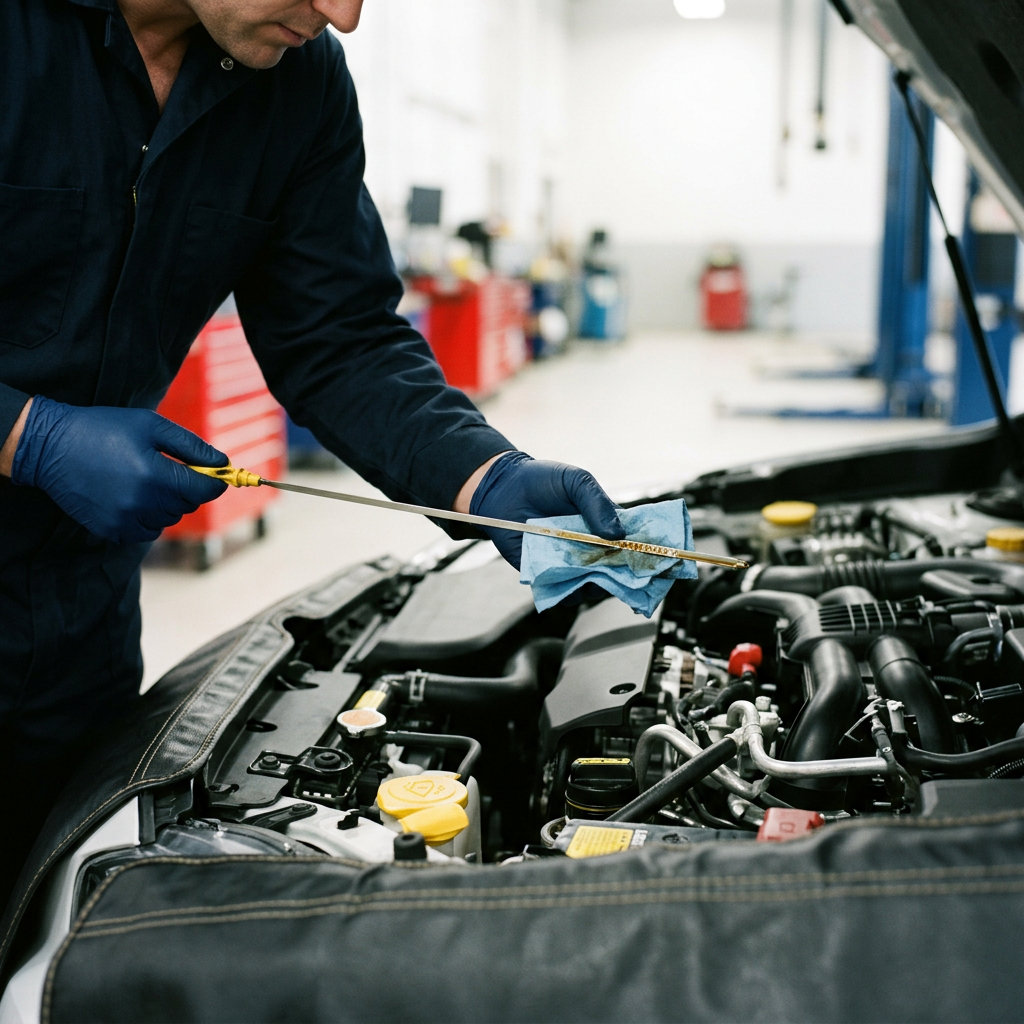
Mechanic wearing black gloves pouring clean amber motor oil into an open car engine inside an auto shop. (Representative image for illustration purposes only. Actual vehicle may vary based on trim and configuration.)

What To Expect When Getting Your Oil Changed at Valor Auto in Junction City, KS

What Type of Motor Oil Is Used for an Oil Change at Valor Auto in Junction City, KS? When you bring your vehicle to Valor Auto (Valor Ford) in Junction City, KS, your engine receives factory-recommended motor oils specifically tailored to your vehicle's make, model, engine topology, and driving demands. For Ford vehicles and multi-make automobiles alike, Valor Auto primarily utilizes genuine Motorcraft® Synthetic Blend, Full Synthetic, High-Mileage, and Heavy-Duty Diesel oils, all engineered to meet or exceed strict OEM specifications. Engine lubrication is not a one-size-fits-all formula. Modern high-tech engines—ranging from turbocharged EcoBoost® engines to high-output V8s and PowerStroke® diesels—require exact viscosity grades and tailored additive packages. Whether your owner's manual calls for 5W-20, 5W-30, 0W-20, or specialized diesel formulations like 15W-40, the certified service technicians at Valor Auto ensure your oil change adheres strictly to factory tolerances to optimize efficiency, protection, and engine longevity. Schedule Ford Service Today Motorcraft Full Synthetic vs. Synthetic Blend: What Motor Oil Choices Are Offered at Valor Auto? Motorcraft® Premium Synthetic Blend: Standard for many Ford vehicles, this oil balances affordability with high-grade thermal protection. Formulated with synthetic base stocks and premium additives, Motorcraft Synthetic Blend reduces internal friction, minimizes engine deposits, and guards against low-speed pre-ignition (LSPI) in direct-injection engines. Motorcraft® Full Synthetic Oils: Engineered for severe operation, extreme temperature swings, and turbocharged powerplants, Full Synthetic provides exceptional shear stability and oxidation resistance. It flows smoothly in cold weather to reduce engine wear upon start-up and resists breakdown under scorching summer heat. Oil Type Recommended Use Key Benefits Synthetic Blend Everyday commuting & light duty Cost-effective deposit control & friction reduction Full Synthetic Turbocharged engines, heavy towing, extreme weather Maximum thermal defense & instant cold flow High-Mileage Vehicles over 75,000 miles Seal conditioners to prevent leaks & oil burn-off How Junction City and Fort Riley Driving Conditions Impact Engine Oil Performance Flint Hills Weather Extremes Kansas summers bring 90°F+ temperatures while winters drop well below freezing in Geary and Dickinson Counties. Freezing starts cause up to 75% of initial engine wear without proper oil viscosity (e.g. 0W-20 or 5W-20). Synthetic oils flow immediately to protect critical valvetrain components. Military Commutes & Dust Frequent short-distance trips and gate idling between Junction City and Fort Riley prevent engine oil from reaching optimal operating temperatures. Moisture and unburnt fuel accumulate in the crankcase, causing accelerated oil degradation. Gravel roads, agricultural dust, and heavy towing down I-70 place 'Severe Duty' demands on engine oil and filtration systems. Why Genuine Motorcraft Oils and OEM Filters Maintain Your Vehicle Warranty Maintaining factory powertrain coverage requires documented oil changes using fluids and filters that meet original equipment specifications. Off-brand oil change franchises frequently rely on universal bulk oil and low-cost aftermarket filters that may lack vital anti-drainback valves or precise bypass pressure thresholds. At Valor Auto, every oil change includes a genuine Motorcraft® oil filter equipped with a silicone anti-drainback valve that prevents dry starts. Paired with API-certified Motorcraft oils, your service history remains fully compliant with Ford New Vehicle Limited Warranties and Powertrain Coverage. Valor Auto's dedicated parts department stocks authentic OEM components engineered specifically for your powertrain. By avoiding generic quick-lube parts, you ensure maximum filtration efficiency, optimal oil pressure, and complete peace of mind. Need replacement parts or fluid supplies for DIY care? You can easily Order Genuine Ford Parts directly through our online store. Order Genuine Ford Parts How Much Does an Oil Change Cost at Valor Auto in Junction City, KS? Oil change costs at Valor Auto vary depending on motor oil type (Synthetic Blend, Full Synthetic, or Diesel), engine fluid capacity (quart size), and filter specs. We prioritize complete price transparency, providing clear upfront estimates without hidden fees or surprise add-ons. Service Package Oil Type Included Comprehensive Benefits Included Standard Synthetic Blend Care Motorcraft® Synthetic Blend Up to 5 qts, genuine OEM filter, multi-point inspection, fluid top-off Full Synthetic Performance Motorcraft® Full Synthetic Up to 5 qts full synthetic, severe-duty protection, multi-point check PowerStroke Diesel Care Motorcraft® Super Duty 15W-40 / 5W-40 Heavy-duty diesel capacity, OEM fuel filter check, chassis lube Bundled routine maintenance plans like The Works® Package combine oil and filter replacement with tire rotation, pressure checks, brake inspection, battery testing, and fluid top-offs—saving you significant money over single-service visits. Do I Need an Appointment for an Oil Change at Valor Auto? Appointments Are Recommended, but Walk-Ins Are Welcome! Valor Auto understands that active duty service members stationed at Fort Riley and busy parents in Junction City need flexibility. We accommodate walk-in routine oil changes through our Express Service lane whenever possible. However, scheduling online guarantees a reserved bay and prompt turn-around. For ultimate convenience, Valor Auto offers Ford Pickup & Delivery service for eligible maintenance. We can pick up your vehicle from your home or workplace in Junction City and return it fresh and serviced. Schedule Pickup and Delivery Service today to save valuable time. What Are the Operating Hours and Location for the Service Department at Valor Auto? Service Center Hours Monday – Friday: 7:30 AM – 5:30 PM Saturday: 8:00 AM – 2:00 PM Sunday: Closed Early morning key drop-box available 24/7. Convenient Location Valor Ford 1825 Goldenbelt Blvd Junction City, KS 66441 Right off I-70 Exit 296, convenient to Fort Riley, Grandview Plaza, and Abilene. Get In Touch Questions about motor oil specs? Call us at (785) 238-5114 or Get Directions to Valor Ford. Can Valor Auto Handle Routine Oil and Filter Changes for Non-Ford Vehicles? Yes! Valor Auto Serves All Makes and Models While we are Junction City's premier Ford dealer, our factory-trained service technicians service Chevrolet, GMC, Ram, Toyota, Honda, Nissan, Jeep, Hyundai, and more. We maintain complete technical specs for all domestic and import vehicles, stocking appropriate viscosity oils (like 0W-16, 0W-20, and 5W-30) and OEM-spec oil filters. Thinking about trading in your current vehicle? Explore your options with our online Trade In Evaluation tool or check out our certified pre-owned inventory when you Browse Used Inventory. Browse Used Inventory What Should I Look for in a Good Oil Change Shop Near Junction City? 1. Certified Technicians Ensure technicians are ASE-certified and factory-trained. Unlike quick-lube shops with fast employee turnover, dealership technicians know intricate torque specs, oil drain plug washer protocols, and filter housing dynamics. 2. Digital Inspections Look for service centers offering multi-point digital vehicle inspections with transparent color-coded reports sent to your smartphone, identifying worn belts or low fluids before breakdowns happen. 3. Genuine Parts & Trust A trusted facility uses genuine OEM oils and filters rather than generic bulk drums. Valor Auto has built local trust in Geary and Dickinson Counties over decades through honest, quality automotive care. Recommended Oil Change Intervals: When Should You Schedule Service? General Interval Guidance: • Synthetic Blend Oil: Every 5,000 to 7,500 miles or 6 months. • Full Synthetic Oil: Every 7,500 to 10,000 miles or 12 months. • Severe Driving Conditions (Towing, idling, dust): Every 3,000 to 5,000 miles. Intelligent Oil-Life Monitor™ (IOLM): Modern Ford vehicles feature intelligent monitoring that calculates oil life based on engine revolutions, operating temperatures, and load. When your dashboard displays 'Change Oil Soon', schedule service promptly. Exploring popular Ford models? Check out our research guides: Research Ford F-150, Research Ford Explorer, Research Ford Maverick, or Shop New Ford Bronco Inventory. What Is Included in Valor Auto’s Multi-Point Inspection During an Oil Change? At Valor Auto, an oil change is more than a quick fluid swap—it's a comprehensive health check for your vehicle. Every service visit includes a complimentary multi-point inspection: Inspection Area Items Checked Action Taken Fluid Levels Coolant, brake fluid, transmission fluid, washer fluid Inspected & topped off as needed Battery Health Cold Cranking Amps (CCA), terminal corrosion, voltage Digital battery health test printed Tire & Brake System Tire tread depth, pressure, brake pad thickness Adjusted pressure & wear safety rating Under-Hood & Chassis Belts, hoses, steering linkage, exhaust, wiper blades Visual check for leaks, cracks, or play High-Mileage and Heavy-Duty Diesel Oil Options for Trucks and Commercial Fleets Specialized Engine Protection for Heavy Workloads • High-Mileage Formulations (75,000+ Miles): Vehicles past 75,000 miles benefit from specialized high-mileage blends enriched with seal reconditioners that keep engine gaskets supple, reducing small oil leaks and burn-off. • PowerStroke® Heavy-Duty Diesel Oils: Ford Super Duty F-250 and F-350 trucks require heavy-duty diesel oils like Motorcraft® 15W-40 Super Duty or 5W-40 Full Synthetic Diesel Oil. These formulated oils handle intense combustion pressures, prevent soot aggregation, and guard turbo bearings against wear. Considering upgrading your heavy-duty truck fleet? Learn more when you Research Ford F-250 or check out Research Ford F-250 options. Order Genuine Ford Parts Schedule Your Professional Oil Change Service at Valor Auto Today Protect your vehicle's performance, fuel economy, and resale value with factory-recommended motor oils at Valor Auto. Serving Junction City, Fort Riley, Manhattan, and surrounding Geary County, our dealership is your dedicated partner for professional maintenance. Ready to experience dealership-quality service? You can also Contact us for current financing information if you are looking to upgrade your ride, or Research Ford Mustang models today! Schedule Ford Service Today

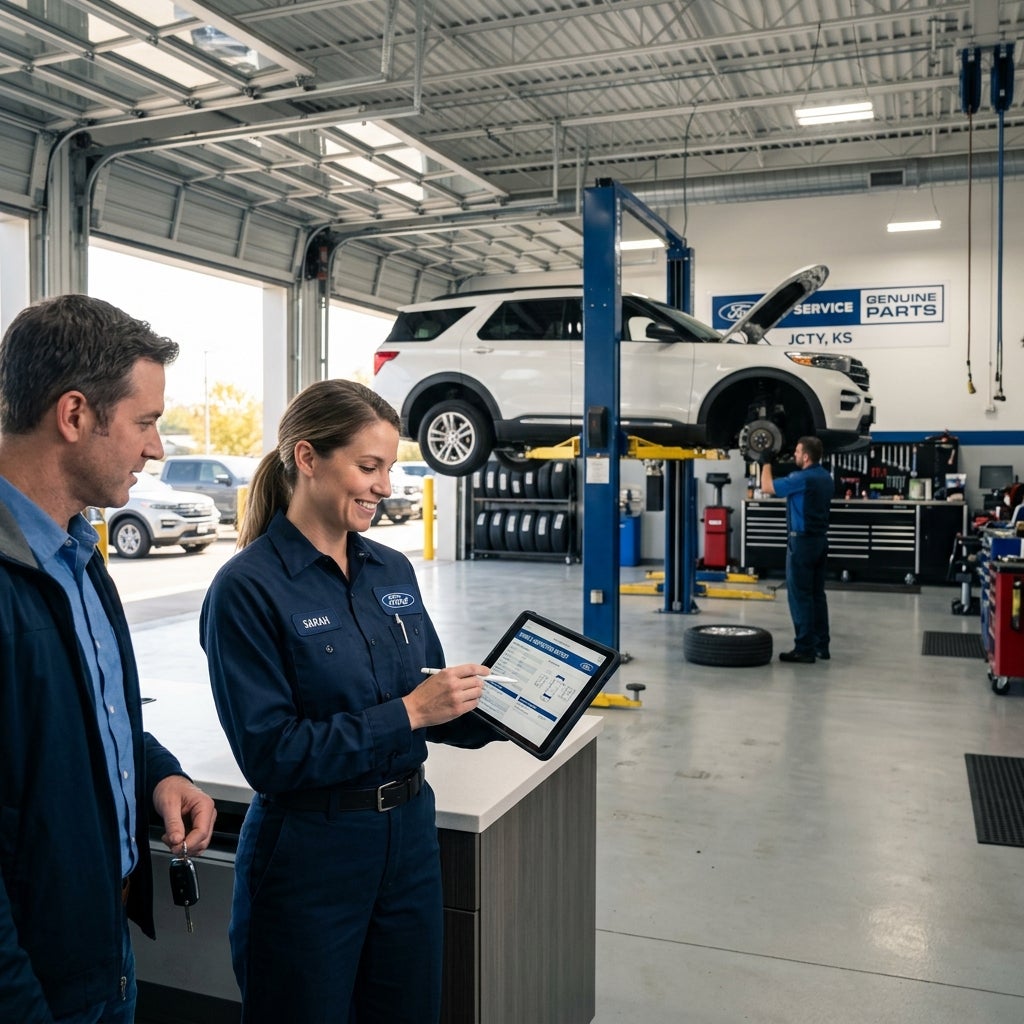
A female Ford service advisor shows a tablet to a male customer inside a bright, modern auto repair garage. (Representative image for illustration purposes only. Actual vehicle may vary based on trim and configuration.)

Demystifying Car Maintenance: Why Plain Language Service Matters in Junction City

Demystifying Car Maintenance: Why Plain Language Service Matters in Junction City Let's be honest: taking your vehicle in for service shouldn't feel like you are sitting through an advanced lecture in aerospace engineering. Too often, the automotive industry wraps simple, straightforward concepts in confusing jargon, leaving you wondering what you are actually paying for. At Valor Ford, we believe in a completely different approach. We believe that clear, honest, and plain-language communication is the foundation of trust. Whether you are active-duty military personnel stationed at Fort Riley preparing for a long deployment, a dedicated farmer in Dickinson County managing thousands of acres, or a busy parent juggling school drop-offs right here in Junction City, you deserve to know exactly what is happening under the hood of your vehicle. Our commitment to the community goes beyond just fixing engines; it is about empowering you with the knowledge needed to make smart, confident decisions about your transportation. When our factory-trained technicians inspect your vehicle, we don't just hand you a checklist of mysterious codes and expensive-sounding parts. We take the time to explain the 'why' and the 'how' in terms that make practical sense. We want to make sure you understand which services keep you safe on the highway, which ones improve your fuel efficiency during hot Kansas summers, and which ones can wait until your next budget cycle. If you ever have questions or want to speak with our service advisors directly, feel free to Call us at (785) 238-5114 or visit our dealership at 1825 Goldenbelt Blvd. What Is Normally Included in a comprehensive service Compared to a Basic One? Understanding the difference between a basic service and a comprehensive full car service is key to saving money and keeping your car running smoothly. Think of a basic service as your vehicle's routine check-up, much like a quick dental cleaning. It is designed to be performed frequently—typically every 5,000 to 7,500 miles—to keep critical fluids fresh and catch obvious wear-and-tear items before they escalate. A full car service, on the other hand, is a deep-dive medical physical. It is a thorough, bumper-to-bumper examination that inspects hidden mechanical systems, electrical networks, and structural components to ensure long-term reliability over tens of thousands of miles. The Basic Service Package A basic service focuses heavily on the lifeblood of your engine: the oil. During a basic visit, technicians will drain your old, worn-out engine oil and replace it with fresh, high-quality synthetic or semi-synthetic fluid. They will also swap the oil filter to ensure no microscopic metal shavings or carbon deposits circulate back into the clean oil. Additionally, a basic service includes a tire rotation to promote even tread wear across all four wheels, adjusting tire pressures to their optimal levels, and conducting a visual walk-around. This walk-around covers windshield wipers, fluid levels (like windshield washer fluid and coolant), and a quick check of your exterior lights to keep you legal and visible on the road. The Full Service Package A full car service includes everything from the basic service but adds extensive layers of diagnostic testing and preventative maintenance. Technicians will perform comprehensive fluid flushes, replacing aged brake fluid, transmission fluid, and power steering fluid that have absorbed moisture or broken down from heat. They will perform a highly detailed brake inspection, measuring brake pad thickness, examining rotors for warping, and inspecting calipers. Furthermore, they will check engine air filters, cabin air filters, spark plugs, suspension linkages, steering joints, and the exhaust system. This is also when we connect computerized diagnostic tools to read the health of your engine management systems and battery charging output. How Regular Servicing Affects Your Car’s Reliability and Fuel Economy There is a direct, scientifically proven link between how regularly you service your car and how much money you spend at the gas pump or on emergency towing services. When your car is neglected, its engine has to work significantly harder to perform basic tasks. This added friction, resistance, and strain translates directly to wasted fuel, decreased horsepower, and a drastically shortened lifespan for critical components. By performing simple preventative maintenance, you keep your vehicle running at its absolute peak physical efficiency. 1. Fresh Oil and Reduced Engine Friction Engine oil is designed to coat moving metal parts with a micro-thin protective barrier, preventing them from grinding together. Over time, heat and pressure break down this oil, turning it thin and watery, or thick and sludgy. Fresh oil drastically reduces internal friction. When your engine parts glide effortlessly, the engine draws less fuel to move the car, maximizing your MPG during those daily commutes from Fort Riley or weekend road trips across Kansas. 2. Air Filters and Clean Combustion Your engine needs a precise mixture of oxygen and fuel to create combustion. An engine air filter blocks dust, dirt, and agricultural debris from entering the cylinders. However, a clogged filter suffocates the engine, forcing it to burn excess gasoline to compensate for the lack of air. Replacing a dirty air filter can instantly restore lost fuel mileage, reduce tailpipe emissions, and prevent engine hesitation or rough idling. 3. Tire Pressure and Rolling Resistance Driving on under-inflated tires is like trying to ride a bicycle with flat tires—it takes a tremendous amount of physical energy to move forward. Properly inflated and balanced tires minimize rolling resistance against the asphalt. This simple adjustment ensures your vehicle rolls smoothly, optimizing fuel efficiency and preventing uneven tire wear that leads to premature (and highly expensive) tire replacements. What Happens If I Skip Regular Oil Changes or Use the Wrong Oil? Skipping a scheduled oil change might seem harmless in the short term, but it is one of the quickest ways to cause catastrophic, irreversible engine damage. As oil ages, it loses its ability to lubricate, cool, and clean the engine. The intense heat of combustion begins to 'cook' the remaining oil, turning it into a thick, black, tar-like substance known as engine sludge. This sludge clogs the narrow oil passages, starving critical moving parts of lubrication. Pistons can weld themselves to cylinder walls, bearings can seize, and camshafts can snap. In the blink of an eye, a simple oil change neglect can turn into a costly engine replacement bill. Furthermore, using the wrong oil viscosity (thickness) can be just as damaging. Modern engines are built with incredibly tight tolerances—spaces between moving parts that are thinner than a human hair. If you use oil that is too thick, it won't flow quickly enough to protect these tight areas, especially during freezing cold Kansas winter mornings. Conversely, if you use oil that is too thin during a blistering hot summer day in Junction City, it won't provide a thick enough barrier to prevent metal-on-metal wear. Adhering to the manufacturer's exact specifications is crucial for preserving your factory warranty and ensuring peak performance. Don't risk your engine's health; let our certified experts handle it with ease. Schedule Your Worry-Free Oil Change Today The Pros and Cons of Doing Your Own Oil Change Versus Using a Professional Shop The DIY Route: Hands-on but Demanding Doing your own oil change can be a deeply satisfying weekend hobby for car enthusiasts. It gives you a hands-on connection to your vehicle and lets you control exactly what brands of oil and filter are used. However, it requires a significant initial investment in specialized tools, including a sturdy hydraulic jack, high-quality jack stands, oil filter wrenches, a drain pan, and hand tools. You must also deal with the messy reality of crawling under a heavy vehicle, dealing with hot, dripping fluids, and properly disposing of the toxic used motor oil at an approved recycling center in Geary or Dickinson County. Additionally, if you strip the oil pan drain plug or fail to seal the filter correctly, you bear 100% of the financial liability for any damage. The Professional Route: Speed, Safety, and Records Choosing a professional shop like Valor Ford offers unmatched convenience, speed, and peace of mind. Our certified technicians complete the job in a fraction of the time, keeping your hands clean and your weekend free. More importantly, professional service comes with factory-certified expertise and complete digital maintenance records. These records are automatically logged to CARFAX and Ford's network, proving to future buyers that your vehicle was meticulously maintained. Furthermore, every professional oil change at our shop includes a complimentary multi-point safety inspection. This means highly trained eyes are examining your brakes, belts, hoses, and suspension components, catching minor issues before they become larger concerns on the road. What Is the Difference Between OEM and Aftermarket Car Parts? When your vehicle needs a replacement part—whether it is a simple brake pad, an alternator, or a complex suspension strut—you will generally face a choice between two categories: Original Equipment Manufacturer (OEM) parts and aftermarket parts. Understanding the difference in engineering, testing, and longevity is key to protecting your vehicle's performance and long-term durability. OEM Parts: Built to Exact Specs OEM parts are made directly by the vehicle's manufacturer (such as Ford) and are the exact components that were installed on your vehicle when it rolled off the assembly line. They offer a flawless fit, are built from identical materials, and perform exactly as intended. There is no guesswork involved; the part is literally made for your specific model, year, and trim level, ensuring your car's safety features and performance ratings remain completely uncompromised. Aftermarket: A Wildcard in Quality Aftermarket parts are manufactured by third-party companies. While they are often cheaper, they are built to fit a wide variety of different vehicles, meaning they are built as 'one-size-fits-most' components. This lack of precise engineering can lead to poor fitment, premature wear, and unexpected noise or vibrations. While some aftermarket parts are high quality, separating the reliable manufacturers from the sub-par ones is an unpredictable gamble. Warranty and Durability OEM parts come backed by a robust manufacturer warranty that is honored at dealerships nationwide. At Valor Ford, our genuine parts give you complete security on the road. If an aftermarket part fails, it rarely covers the labor costs to replace it, and in some cases, installing a non-certified aftermarket part can actually void your original vehicle warranty. If you need a reliable component, you can easily Order Genuine Ford Parts through us. Do Maintenance Plans Usually Save Money on Regular Services? Pre-paid maintenance plans are becoming incredibly popular among car owners, and for very good financial reasons. Put simply, these plans allow you to lock in today's labor and parts rates for future services, effectively shielding you from the rising costs of inflation. When you purchase a maintenance plan, you are bundling your routine services—like oil changes, tire rotations, cabin filter replacements, and multi-point inspections—into a single upfront package. This package is offered at a value-oriented rate compared to paying for each service individually over time. Beyond direct financial savings, maintenance plans provide psychological and behavioral benefits. When your routine maintenance is already paid for, you are far more likely to stick strictly to your vehicle's recommended service intervals. You won't find yourself putting off a critical oil change or tire rotation just because your monthly budget is a little tight. This consistency prevents minor, unaddressed issues from snowballing into massive, budget-breaking mechanical breakdowns down the road. If you are buying a vehicle or planning for long-term ownership, you can even package these maintenance plans into your financing. To learn more about setting up your vehicle budget, you can Get Pre-Approved for Financing today. How the Flint Hills Terrain and Kansas Weather Shape Your Service Schedule The Heavy Toll of Flint Hills Dust and Gravel Living and driving in the beautiful Flint Hills region of Kansas means your vehicle is exposed to unique environmental challenges. The dusty, unpaved rural roads throughout Dickinson County throw up a constant cloud of fine, abrasive limestone dust. This dust quickly penetrates engine air intakes, cabin ventilation systems, and suspension components. It clogs filters at twice the normal rate and can act like sandpaper on rubber bushings and seals. Because of this, what the manufacturer defines as 'severe driving conditions' is actually the daily norm for most Junction City and Fort Riley drivers, requiring more frequent filter changes and chassis lubrication. Extreme Kansas Seasons: Summer Heat & Winter Cold Our Kansas weather is notoriously volatile, swinging from freezing winters to intense, humid summers. In the blistering heat of July, your engine's cooling system operates under extreme pressure to prevent overheating while running the air conditioning. Batteries degrade rapidly under thermal stress, often failing as soon as the first cold snap hits. In the winter, road salt and brine spray accumulate on your vehicle's undercarriage, accelerating rust and corrosion on brake lines and suspension parts. Regular washing, undercarriage rinses, and seasonal fluid checks are absolutely critical to protect your investment from these brutal environmental shifts. Schedule Pickup & Delivery Service Understanding the Multi-Point Inspection: What Do Those Green, Yellow, and Red Ratings Mean? Whenever your vehicle is serviced at Valor Ford, we perform a comprehensive multi-point inspection. We present the results using a simple, intuitive 'stoplight' color system of Green, Yellow, and Red. Here is exactly what those colors mean, translating complex mechanical jargon into a clear, actionable plan for your peace of mind: Green: Excellent Shape A green rating means the component has been thoroughly checked, meets all manufacturer specifications, and is in excellent operating condition. No attention, adjustment, or replacement is needed. You are good to go, and you can drive with absolute confidence knowing these parts are solid. Yellow: Plan for the Future A yellow rating indicates the component is showing signs of normal wear and tear, but does not present an immediate safety risk. It does not need to be replaced today, but you should budget and plan for it in the near future. This allows you to manage maintenance expenses without surprises. Red: Immediate Attention A red rating means the component has failed, is severely worn, or poses an immediate safety hazard. These issues require urgent, same-day attention to keep your vehicle safe, legal, and operational. We will always clearly explain the exact risk and prioritize these repairs for you. How Routine Maintenance Protects Your Vehicle’s Trade-In Value The Real Value of a Clean Service History When it comes time to upgrade to a new vehicle, nothing influences your current vehicle's trade-in value quite like a complete, documented service history. When a dealership or a private buyer looks at your vehicle, they are looking for reassurance that it wasn't abused or neglected. A vehicle with consistent, professionally documented oil changes, tire rotations, and multi-point safety checks is worth thousands of dollars more than an identical vehicle with no service history. This paperwork proves that you prioritized preventative maintenance, meaning the engine, transmission, and structural elements are far less likely to fail prematurely. It turns your car from a risky gamble into a highly desirable, premium used vehicle. Unlock Your Vehicle's Current Equity At Valor Ford, we make it incredibly easy to see exactly how much your diligent maintenance has paid off. Our transparent trade-in evaluation process looks at your vehicle's mechanical health, aesthetic condition, and local market demand to give you a competitive offer. You can use this equity to transition seamlessly into a brand-new vehicle or a reliable pre-owned model. Whether you are ready to trade today or are just curious about your car's current financial standing, we invite you to complete our quick, hassle-free online form for a personalized Trade In Evaluation from our expert valuation team. Why Military Families at Fort Riley Trust Valor Ford for Transparent Service Serving those who serve our country is one of our deepest points of pride at Valor Ford. Located right next door to Fort Riley, we understand the unique pressures, tight timelines, and unexpected transitions that military families face daily. From sudden deployments and PCS moves across the country to managing a busy household while a spouse is training, we know that your time is extremely valuable and your scheduling needs are highly dynamic. You cannot afford to worry about vehicle breakdowns or deal with slow, untrustworthy service centers. That is why we offer specialized services tailored directly to our military community, including flexible scheduling options, clear and transparent repair cost breakdowns, and direct communication lines with service advisors. We take the stress out of vehicle care by providing honest, expert recommendations using only genuine parts that keep your warranty fully intact. If you are preparing for a move, transitioning back to civilian life, or simply need your vehicle inspected before a long road trip, our team is here to support you every step of the way. Stop by and see us, or Get Directions to Valor Ford to experience our transparent military-friendly service first-hand. A Simple Checklist for Your Next Scheduled Maintenance Visit What to Prepare and Bring Before you head to your service appointment, spending just five minutes preparing can make the entire process significantly smoother. Be sure to gather your vehicle's registration, insurance card, and any existing maintenance records if you are new to our shop. If your vehicle has a wheel lock key (often stored in the glove compartment or with the spare tire), make sure it is easily accessible so our technicians can perform tire rotations and brake inspections. Additionally, clear out any personal belongings from the front passenger seat and center console area so our technicians can safely work on interior items like cabin filter replacements. Questions to Ask Your Advisor When you sit down with your service advisor, do not hesitate to ask clarifying questions in plain English. Good questions to ask include: 'What are the most urgent safety items on my multi-point inspection today?', 'Are there any outstanding manufacturer safety recalls on my vehicle model?', and 'How do my brakes and tire tread depths look compared to last visit?'. If you are experiencing a weird sound, vibration, or warning light, try to describe it in simple terms—like 'a high-pitched squeak when braking' or 'a minor shudder at 60 MPH.' Our team is trained to translate those physical descriptions into accurate diagnostic steps. Schedule Pickup and Delivery Service Schedule Your Next Worry-Free Service at Valor Ford in Junction City Today At Valor Ford, we make car maintenance completely transparent, stress-free, and straightforward. No confusing industry jargon, no hidden fees, and absolutely no high-pressure sales tactics. From simple, quick oil changes to deep-dive engine diagnostics and preventative fluid flushes, our factory-trained and certified technicians have the expertise to keep your vehicle running perfectly. We proudly serve drivers throughout Junction City, Fort Riley, and Dickinson County, helping you protect your investment, maximize your fuel economy, and preserve your vehicle's trade-in value. For routine care—schedule your next service online today or give our friendly service desk a call to experience the Valor Ford difference. Schedule Ford Service Today Schedule Pickup and Delivery

Contact Us

Fill out this form below and we'll contact you shortly
*Required Fields