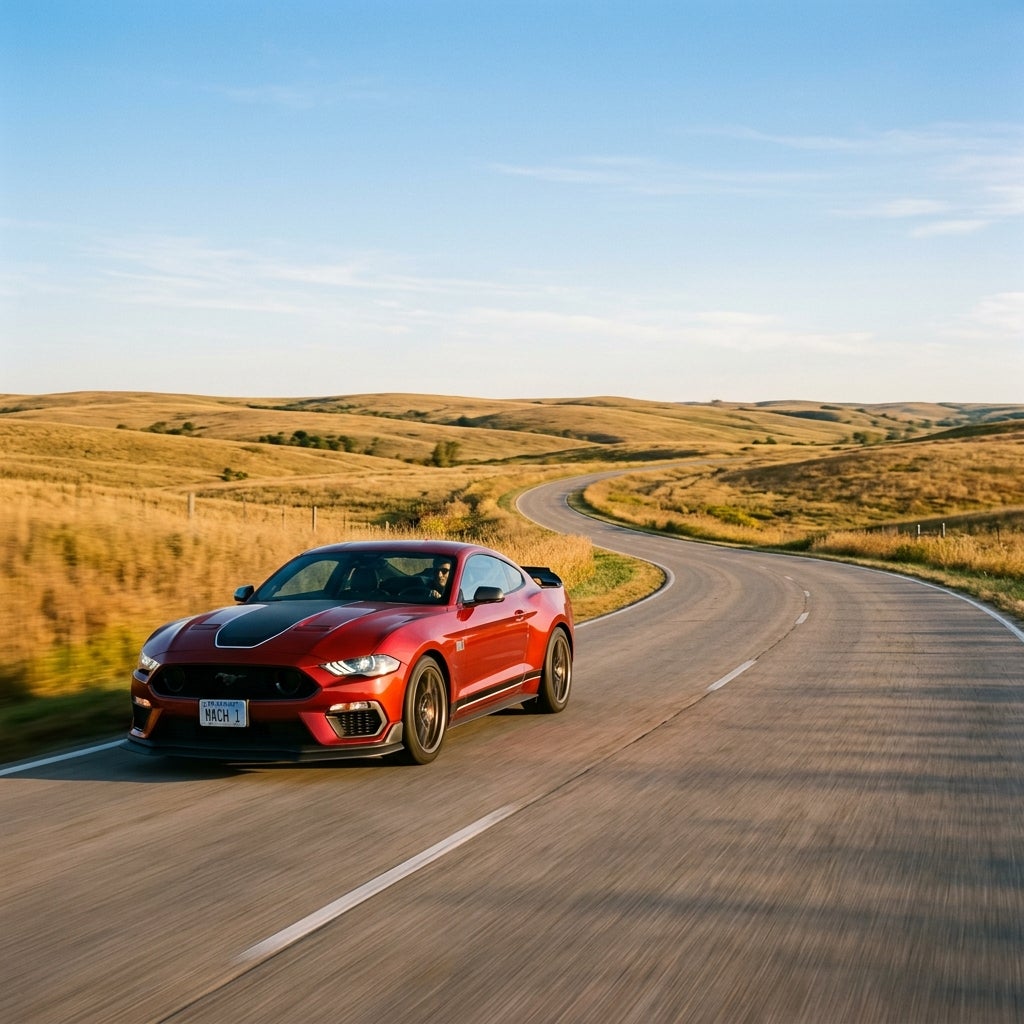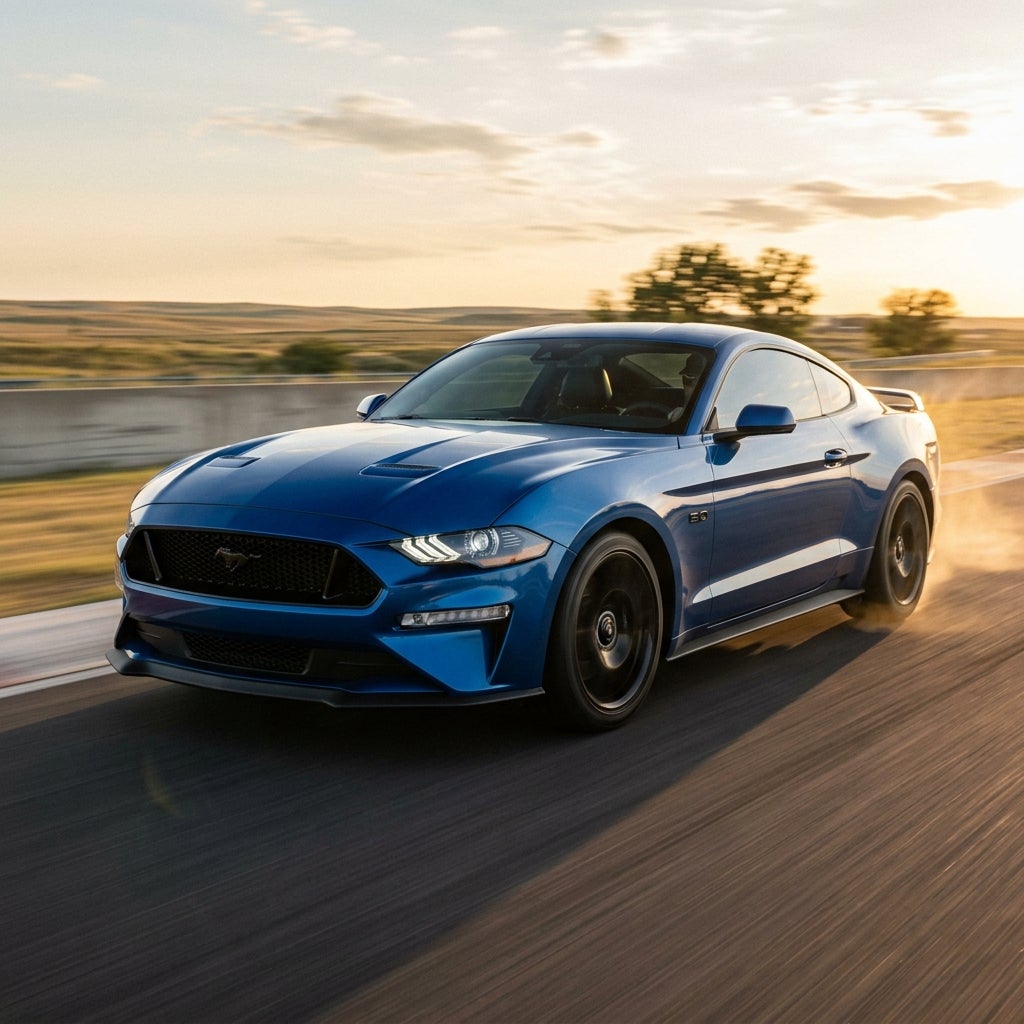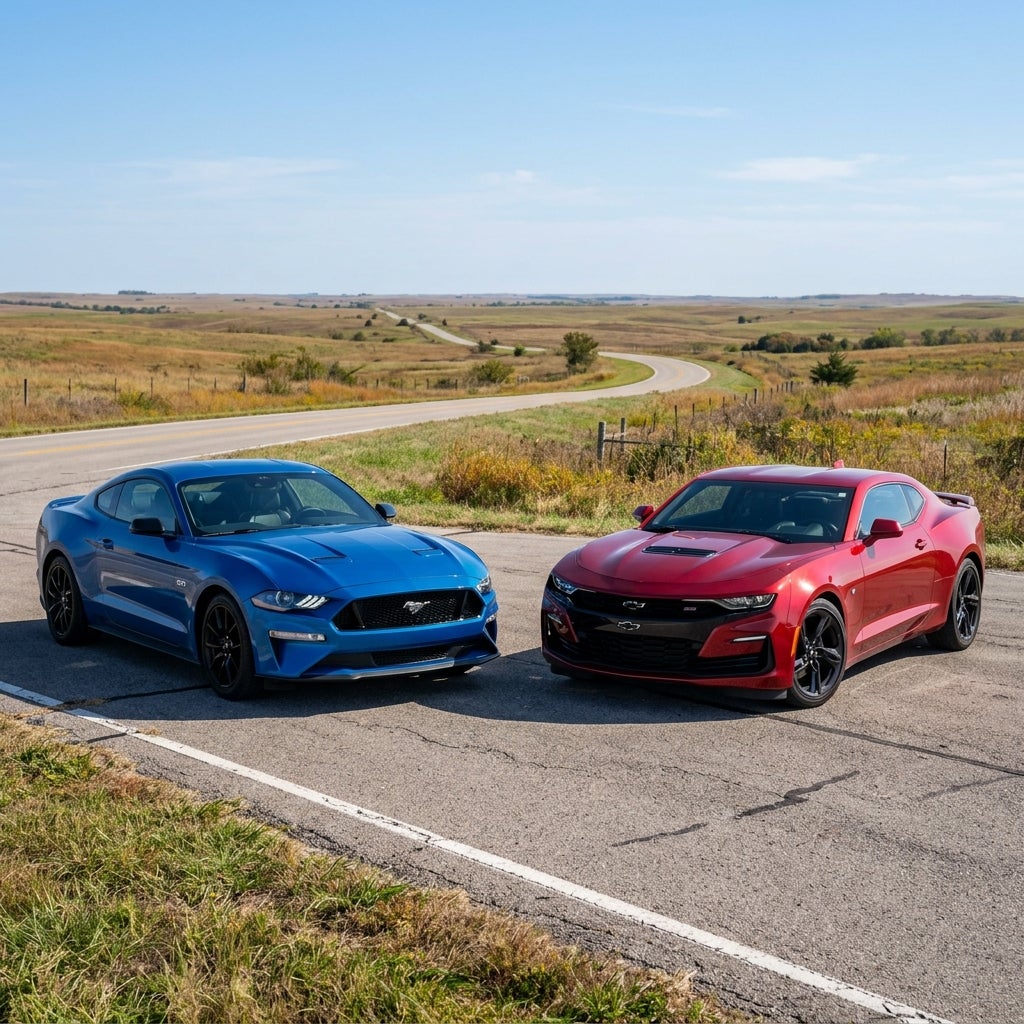

Which 2023 Ford Mustang Trim Offers the Best Performance? The 2023 Ford Mustang Mach 1 delivers the highest overall performance in the lineup, featuring a track-tuned 5.0-liter Coyote V8 engine producing 470 horsepower and 410 lb-ft of torque, heavy-duty cooling components borrowed from the Shelby GT500, and an available TREMEC 6-speed manual transmission that enhances driving precision and durability. For everyday road driving, the Mustang GT equipped with the GT Performance Package offers the ideal balance of street muscle, handling sharpness, and features. Ford engineered the 2023 Mustang—the final model year of the sixth-generation S550 platform—across three distinct performance tiers. Entry-level models rely on an efficient turbocharged four-cylinder, while the GT and Mach 1 trims bring back traditional American V8 muscle. Every 2023 Mustang comes standard with rear-wheel drive, standard seating for four passengers, and a choice between a traditional six-speed manual or a fast-shifting 10-speed automatic transmission. Starting at a base MSRP of $33,270 when new, the 2023 Mustang fastback line offers performance enthusiasts multiple entry points depending on driving goals and needs. Whether you prioritize daily fuel economy or weekend track capabilities, our sales team at Valor Ford can walk you through available pre-owned models on our lot. Drivers looking for pre-owned sports cars can find our showroom location in Junction City or give our staff a quick call to check current inventory. Table of Contents What Engine Options and High-Performance Packages Are Available for the 2023 Ford Mustang? What Engine Output and Transmission Options Does the 2023 Mustang GT Offer? How Does the 2023 Mustang Mach 1 Powertrain Differ From the Standard GT? Can You Shift Manually With the 10-Speed Automatic and How Does Mustang Trunk Space Compare to the Camaro? Quick Answers to Common 2023 Ford Mustang Performance Questions Experience Pre-Owned 2023 Ford Mustang Power at Valor Ford What Engine Options and High-Performance Packages Are Available for the 2023 Ford Mustang? The 2023 Ford Mustang features two core powertrains: a 2.3-liter EcoBoost turbocharged four-cylinder producing 310 horsepower and 350 lb-ft of torque (elevated to 330 horsepower with the 2.3L High Performance Package), and a naturally aspirated 5.0-liter Coyote V8 delivering 450 horsepower in the Mustang GT or 470 horsepower in the Mach 1. Primary factory upgrades include the GT Performance Package and the EcoBoost Handling Package. The entry-level engine uses a twin-scroll turbocharger paired with direct fuel injection. By spooling quickly down low, the four-cylinder develops its full 350 lb-ft of torque at just 3,000 RPM, delivering strong off-the-line throttle response. Because the four-cylinder motor places nearly 200 pounds less weight over the front axle compared to V8 models, EcoBoost coupes feel exceptionally nimble in tight cornering maneuvers. For drivers maneuvering along the Kansas River plain near Junction City, the EcoBoost's agile turn-in response makes daily driving engaging without sacrificing fuel economy. For drivers seeking maximum athletic posture, Ford offered dedicated package upgrades across the trim structure: 2.3L High Performance Package: Upgrades the EcoBoost engine to 330 horsepower using a larger twin-scroll turbocharger compressor, adding active exhaust, larger Brembo front brakes, and GT-derived suspension tuning. EcoBoost Handling Package: Adds MagneRide active damping, a Torsen limited-slip differential, wider aluminum wheels, and sticky Pirelli performance tires to four-cylinder coupe models. GT Performance Package: Equips the 5.0L V8 with heavy-duty Brembo six-piston front brake calipers, K-brace chassis stiffening, a Torsen differential with 3.73 rear axle gearing, unique EPAS tuning, and stiffer front springs. Shoppers interested in exploring broader lineup capabilities can research Ford Mustang model generations alongside our new Ford Bronco lineup to find the ideal performance fit for their garage. Engine & Performance Powertrain specs by trim Feature EcoBoost Convertible EcoBoost Coupe EcoBoost Coupe Premium EcoBoost Premium Convertible:--:--:--:--:-- Engine 2.3L 2.3L 2.3L 2.3L Horsepower 310 hp 310 hp 310 hp 310 hp Torque 350 lb-ft 350 lb-ft 350 lb-ft 350 lb-ft Transmission manual 6-speed manual 6-speed manual 6-speed manual 6-speed Drivetrain Rear-wheel drive Rear-wheel drive Rear-wheel drive Rear-wheel drive Engine & Performance (continued) Feature GT Convertible Premium GT Coupe GT Coupe Premium Mach 1:--:--:--:--:-- Engine 5L 5L 5L 5L Horsepower 460 hp 460 hp 460 hp 480 hp Torque 420 lb-ft 420 lb-ft 420 lb-ft 420 lb-ft Transmission manual 6-speed manual 6-speed manual 6-speed TREMEC® Drivetrain Rear-wheel drive Rear-wheel drive Rear-wheel drive Rear-wheel drive What Engine Output and Transmission Options Does the 2023 Mustang GT Offer? The Mustang GT's 5.0-liter Coyote V8 engine produces 450 horsepower and 410 lb-ft of torque, paired with either a six-speed manual transmission featuring rev-matching or a 10-speed SelectShift automatic. When optioned with the 10-speed automatic and performance axle gearing, the Mustang GT launches from zero to 60 mph in roughly 3.8 to 4.2 seconds. The third-generation Coyote V8 relies on dual-fuel high-pressure direct injection combined with low-pressure port fuel injection. This dual setup allows a high 12.0:1 compression ratio and an expansive 7,500 RPM redline, giving the V8 a linear, relentless power curve all the way to its peak power output at 7,000 RPM. Drivers who opt for the standard manual gearbox enjoy mechanical precision and auto rev-matching technology that blips the throttle automatically on downshifts for smooth corner entry. Buyers test-driving a pre-owned Mustang GT usually ask to compare the feel of the six-speed manual shift linkage against the 10-speed automatic's paddle response on open stretches of Interstate 70. On open county roads and agricultural stretches across Dickinson County, the Coyote V8 engine's high-revving power band delivers effortless passing authority when accelerating to highway speeds. Maintaining peak Coyote V8 health requires adherence to factory fluid maintenance and filter schedules. Owners can easily schedule certified Ford maintenance online with our factory-trained service technicians to keep their performance vehicle performing at its best. How Does the 2023 Mustang Mach 1 Powertrain Differ From the Standard GT? With 470 horsepower, the Mach 1's 5.0-liter Coyote V8 benefits from Shelby GT500 cooling tech and a TREMEC TR-3160 six-speed manual transmission for enhanced track performance. While sharing the same 5.0-liter displacement block as the GT, the Mach 1 incorporates upgraded engine hardware derived from Ford Performance programs. An open air induction system, revised intake manifold, and an 87mm throttle body allow the engine to breathe more freely, pushing peak output to 470 horsepower at 7,250 RPM while holding peak torque at 410 lb-ft. Mechanical differences between the two performance tiers extend across the drivetrain and chassis: TREMEC TR-3160 Gearbox: Features short-throw shift travel, oil pump cooling passages, and a durable dual-disc clutch that replaces the GT's MT-82 transmission for heavy track usage. Enhanced Thermal Management: Includes two heat exchangers to cool engine oil and rear axle fluid, preventing heat soak during extended high-speed driving. Aerodynamic Downforce: Incorporates a Shelby GT500 rear diffuser and custom front splitter that generate 22 percent more downforce than a Mustang GT equipped with Performance Pack Level 1. Standard MagneRide Damping: Adjusts shock absorber stiffness thousands of times per second based on real-time road inputs and selected drive modes. Drivers planning to upgrade their current vehicle to a pre-owned Mach 1 can easily features your trade-in online to calculate current vehicle equity before visiting our showroom. Can You Shift Manually With the 10-Speed Automatic and How Does Mustang Trunk Space Compare to the Camaro? Drivers can shift gears manually using steering-wheel-mounted paddle shifters on any 2023 Ford Mustang equipped with the 10-speed SelectShift automatic transmission. In terms of utility, the 2023 Mustang Fastback coupe provides about 13.5 cubic feet of trunk space (or about 11 cubic feet in convertible models), compared with the Chevrolet Camaro coupe's about 9 cubic feet cargo area. The 10-speed automatic uses wide ratio span gearing and optimized gear spacing to keep the engine constantly operating in its power sweet spot. Pulling either steering-wheel paddle instantly overrides automatic logic, granting full manual control over gear selection. Drivers can hold individual gears through winding corners or perform quick double-downshifts when preparing to pass slower traffic. Beyond outright powertrain figures, daily livability sets the Mustang coupe apart from muscle car competitors. The Mustang fastback's about 13.5 cubic feet cargo hold features a wider opening and lower lift-over height than the Camaro, accommodating multiple carry-on bags or oversized gear with ease. Furthermore, standard 50/50 split-folding rear seatbacks in the Mustang coupe allow long items to slide forward into the cabin. To streamline your purchase experience, shoppers can get pre-approved for vehicle financing online through our finance department prior to scheduling a test drive. Dimensions & Capacity Capacity and dimensions by trim Feature EcoBoost Convertible EcoBoost Coupe EcoBoost Coupe Premium EcoBoost Premium Convertible:--:--:--:--:-- Seating 4 4 4 4 Cargo 11.4 cu ft 13.5 cu ft 13.5 cu ft 11.4 cu ft Curb weight 3,706 lbs 3,542 lbs 3,542 lbs 3,706 lbs Dimensions & Capacity (continued) Feature GT Convertible Premium GT Coupe GT Coupe Premium Mach 1:--:--:--:--:-- Seating 4 4 4 4 Cargo 11.4 cu ft 13.5 cu ft 13.5 cu ft 13.5 cu ft Curb weight 3,891 lbs 3,705 lbs 3,705 lbs 3,705 lbs Quick Answers to Common 2023 Ford Mustang Performance Questions Q: What is the fuel economy rating for the 2023 Ford Mustang EcoBoost versus the GT? The 2023 Mustang EcoBoost Fastback with the 10-speed automatic transmission receives an EPA-estimated rating of 20 mpg city / 27 mpg highway. By comparison, the 5.0-liter V8 Mustang GT automatic earns an EPA-estimated 15 mpg city / 24 mpg highway. Selecting a manual transmission typically reduces highway mileage ratings by 1 to 2 mpg. Q: How fast accelerates the 2023 Ford Mustang GT from 0 to 60 mph? When equipped with the fast-shifting 10-speed SelectShift automatic transmission and launch control, a 2023 Mustang GT coupe accelerates from 0 to 60 mph in approximately 3.8 to 4.0 seconds, finishing quarter-mile runs in the low 12-second range under optimal track conditions. Q: Does the 2023 Ford Mustang EcoBoost offer an active exhaust system? Yes, Ford offered an optional active valve performance exhaust on EcoBoost models. This system features four driver-selectable modes—Quiet, Normal, Sport, and Track—allowing drivers to adjust exhaust decibel levels and tone depending on time of day or driving environment. Q: What warranty coverage came standard on the 2023 Ford Mustang? The 2023 Mustang was covered by Ford's standard 3-year/36,000-mile bumper-to-bumper limited warranty alongside a 5-year/60,000-mile powertrain limited warranty. Pre-owned buyers may also benefit from remaining factory coverage or extended service plan options. Q: Can performance upgrades be purchased directly through the service department? Yes, factory-engineered performance accessories, cold air intakes, handling kits, and genuine replacement maintenance components can be ordered through our dealership. Owners looking to maintain or customize their vehicle can order genuine Ford parts directly through our dedicated online portal. Experience Pre-Owned 2023 Ford Mustang Power at Valor Ford Experiencing the mechanical precision of a 2.3-liter EcoBoost or the thunderous exhaust note of a 5.0-liter Coyote V8 requires getting behind the wheel. Our experienced team at Valor Ford invites performance enthusiasts across Central Kansas to explore our quality pre-owned vehicle lineup firsthand. Whether you are seeking a fuel-efficient daily driver or a track-ready muscle coupe, we are ready to assist you through every step of the buying and ownership process. You can visit our dealership at 1825 Goldenbelt Blvd, call our team directly at (785) 238-5114, or browse our pre-owned vehicle inventory online today to find your next Ford Mustang. © 2026 Valor Ford. All rights reserved. Vehicle specification data © JATO Dynamics Limited.