
Blog / Used Vehicle Guides

Which Used Ford Models Hold Their Value Best?

Which Used Ford Models Hold Their Value Best?

Which Used Ford Models Hold Their Value Best?

The pre-owned Ford models that retain their market value best are the Ford Bronco, the Ford F-150 (specifically SuperCrew cab configurations in XLT or Lariat trims), and the compact Ford Maverick. The full-size Ford Bronco leads the lineup by retaining up to 70 percent to 75 percent of its original market value over three years, while the Ford F-150 typically loses only 35 percent to 45 percent over five years.

Trucks and rugged off-road SUVs lead value retention across the pre-owned market due to persistent buyer demand and built-in mechanical durability. Body-on-frame utility vehicles maintain strong demand because their towing, hauling, and off-road capabilities remain highly functional even as vehicle mileage increases. High-volume trims that offer popular convenience technologies alongside proven powertrains—such as the EcoBoost V6 engine options—consistently command higher resale appraisals than stripped-down base configurations or hyper-specialized luxury packages.

When shoppers evaluate pre-owned inventory, value retention translates directly into lower long-term cost of ownership. A vehicle that holds a higher percentage of its original price provides greater equity when you decide to sell or trade in down the road. Our team at Valor Ford routinely walks buyers through historical resale patterns across different vehicle segments so customers can select a truck or SUV that aligns with their lifestyle and budget goals. To explore options in person, visit our showroom location, give our team a quick call at (785) 238-5114, or explore current new Ford Bronco models to see how early design choices protect long-term resale potential.

Table of Contents

What Is the Difference Between Ford Gold Certified and Blue Certified CPO?

Ford Gold Certified vehicles must be no more than six model years old with fewer than 80,000 miles, backed by a 12-month/12,000-mile comprehensive limited warranty and a 7-year/100,000-mile powertrain limited warranty after passing a rigorous 172-point inspection. Ford Blue Certified extends certified pre-owned benefits to qualifying vehicles up to ten model years old with fewer than 120,000 miles, requiring a 139-point inspection and providing a 90-day/4,000-mile comprehensive limited warranty.

The Ford Blue Advantage program provides two distinct tiers of certified pre-owned (CPO) protection, allowing buyers to balance vehicle age, overall mileage, and warranty coverage based on their price comfort zone. Both programs include factory-backed protection, 24/7 Ford Roadside Assistance, and Ford Rewards Points earned at purchase.

  • Gold Certified Criteria: Exclusive to Ford models up to 6 years old with under 80,000 miles; requires passing a 172-point inspection covering mechanical systems, body condition, and road-test diagnostics.
  • Gold Certified Warranty Coverage: Includes a 12-month/12,000-mile comprehensive warranty and a 7-year/100,000-mile powertrain warranty calculated from the vehicle's original factory in-service date.
  • Blue Certified Criteria: Open to Ford and non-Ford vehicles up to 10 years old with under 120,000 miles; requires passing a 139-point inspection.
  • Blue Certified Warranty Coverage: Includes a 90-day/4,000-mile comprehensive warranty from the pre-owned purchase date.
  • Additional Certified Benefits: Both tiers include 24/7 Ford Roadside Assistance (contact Ford Roadside Assistance at 1-800-241-3673 for nationwide emergency support), clear vehicle history reports, and initial maintenance points credited to your Ford App account.

Gold Certified models are ideal for buyers seeking maximum long-term powertrain coverage similar to a new vehicle, while Blue Certified inventory offers certified quality assurance and short-term warranty protection at a lower purchase price.

What Factors Help a Used Ford F-150 Retain Its Resale Value?

The Ford F-150 consistently ranks among the top-selling trucks in the U.S., which helps it retain high resale value over time. High-volume mid-tier trims like the XLT and Lariat yield higher resale retention because they combine desirable cabin technology with practical work truck performance.

The Ford F-150 typically retains a higher percentage of its original price over five years compared to standard passenger cars. High-demand engine options, such as the 3.5L EcoBoost V6 and the 3.5L PowerBoost Hybrid V6, add tangible market value because they deliver high torque figures—up to 570 lb-ft on the hybrid—without sacrificing highway efficiency. Full-size truck buyers actively seek out these engines for hauling trailers and heavy equipment.

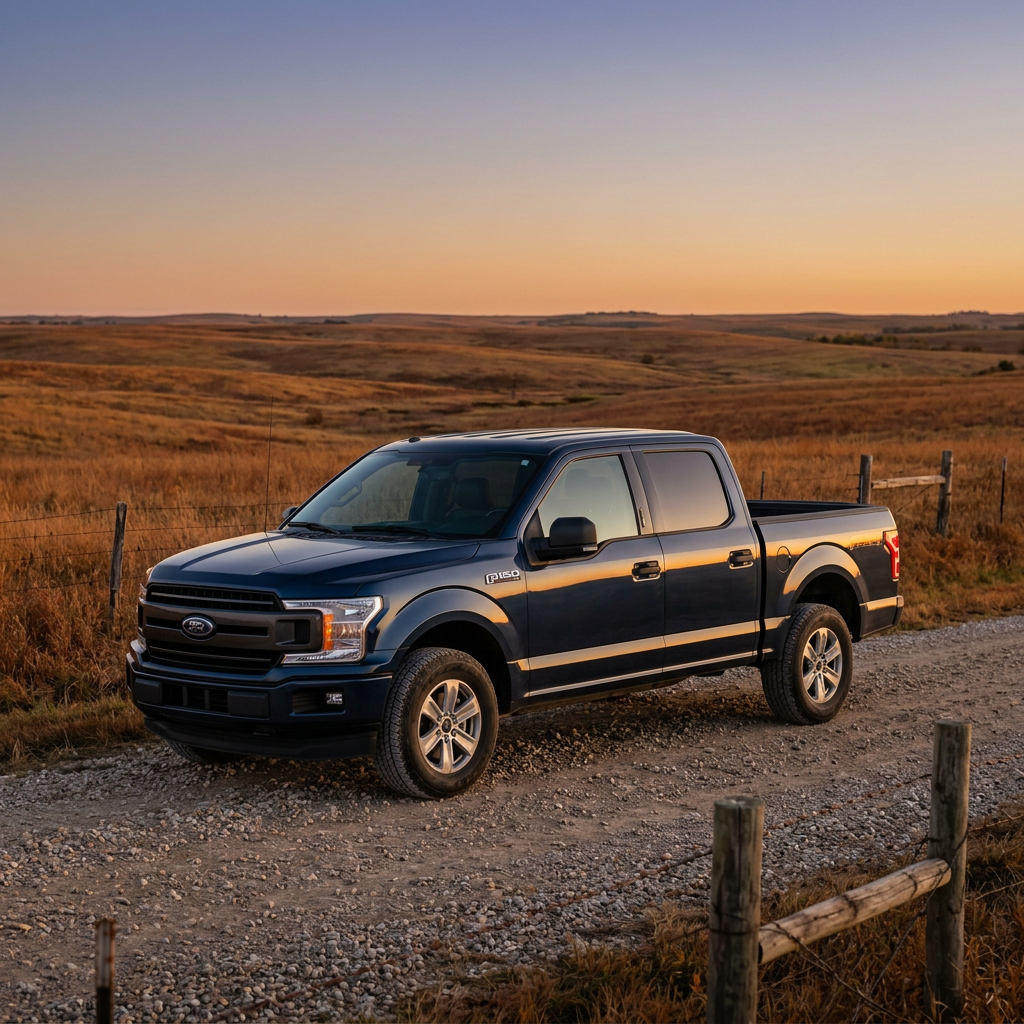
Cab selection plays a vital role in long-term value retention. SuperCrew crew cab models command higher resale prices and turn over faster in the pre-owned market than Regular Cab or SuperCab variants due to their spacious four-door seating and family versatility. For residents navigating the agricultural haul routes and unpaved farm roads throughout Dickinson County, four-wheel-drive SuperCrew configurations equipped with tow packages represent the most sought-after pre-owned truck setup.

To review complete powertrain specifications, cab measurements, and maximum towing ratings, visit our in-depth Ford F-150 research page.

How Well Does a Used Ford Bronco Hold Value Compared to the Bronco Sport?

A pre-owned full-size Ford Bronco retains market value exceptionally well, keeping up to 75 percent of its value after three years due to its rugged body-on-frame platform and dedicated enthusiast demand. In comparison, a pre-owned Ford Bronco Sport generally sells for $5,000 to $12,000 less than a same-year full-size Bronco, serving as a more accessible, daily-commute-friendly compact adventure SUV.

The valuation gap between the two vehicles stems primarily from architectural differences and target driver needs:

Capability & Value Factors Pre-Owned Ford Bronco (Full-Size) Pre-Owned Ford Bronco Sport
Platform Construction Body-on-frame truck chassis Unibody crossover platform
3-Year Value Retention Up to 70% to 75% retained Typical compact SUV depreciation curve
Engine Options 2.3L EcoBoost (300 hp) / 2.7L EcoBoost V6 (330 hp) / 3.0L V6 (Raptor) 1.5L EcoBoost (180 hp) / 2.0L EcoBoost (250 hp)
Off-Road Hardware Removable doors/roof, front/rear locking diffs, Sasquatch package Standard AWD, G.O.A.T. modes, Badlands twin-clutch rear-drive
Towing Capacity Max 3,500 lbs ( 4,500 lbs Raptor) Max 2,200 lbs to 2,700 lbs
Fuel Economy 15 to 20 combined MPG 23 to 27 combined MPG

The full-size Bronco's specialized off-road equipment, removable door and roof panels, and heavy-duty 4WD systems sustain strong market valuation across both two-door and four-door body styles. Meanwhile, the Bronco Sport provides a lower initial acquisition cost, softer highway ride quality, and higher fuel efficiency, making it an affordable alternative for drivers who want rugged adventure styling without the price tag of a body-on-frame SUV.

What Standard Features Make a Used Ford Maverick an Affordable Truck Option?

A pre-owned Ford Maverick delivers exceptional budget affordability by pairing a standard hybrid engine that achieves an EPA-estimated 38 mpg combined with practical bed utility, Ford Co-Pilot360 safety technology, and a 13.2-inch center touchscreen. With a maximum payload capacity of 1,500 pounds and available towing up to 4,000 pounds, the Maverick offers true pickup functionality at a lower cost than traditional midsize trucks.

The Maverick's unibody design delivers car-like handling and maneuverability in tight spaces while preserving full pickup versatility. Inside the cabin, smart space management provides deep door pocket slots designed to hold large water bottles, under-seat storage bins beneath the rear bench, and multiple USB charging ports.

  • Standard Powertrain Efficiency: The 2.5L hybrid engine delivers thrifty fuel economy for daily driving, while the optional 2.0L EcoBoost engine with all-wheel drive adds quick acceleration and enhanced traction.
  • Bed Utility & FlexBed System: Features built-in slots to drop in 2x4 lumber dividers, integrated tie-down hooks, and a multi-position tailgate that adapts for carrying long sheets of plywood.
  • Driver Assist & Infotainment: Includes standard Pre-Collision Assist with Automatic Emergency Braking, wireless Apple CarPlay and Android Auto, and intuitive digital driver displays.

Buyers looking for budget-friendly pickup utility can browse our pre-owned Ford inventory to view current arrivals. You can also get pre-approved for financing online before your visit, or check out our Ford Maverick model research page for engine specifications and trim breakdowns.

How Can Owners Maximize Trade-In Value and Reduce Upfront Costs in Junction City?

Vehicle owners can maximize trade-in appraisal offers by maintaining complete service logs, repairing minor cosmetic dings, detailing the interior, and ensuring tires and brakes are in good operating condition. Additionally, trading in a vehicle at a licensed dealer in Kansas reduces sales tax expenses because tax is calculated only on the net difference between the purchase price and the trade-in allowance.

Applying a trade-in balance directly toward your replacement vehicle provides two major financial advantages: it acts as a immediate down payment to reduce your total financed amount, and it lowers your state sales tax burden. For instance, if you purchase a pre-owned truck for $30,000 and receive $10,000 for your trade-in, Kansas sales tax applies only to the remaining $20,000 net purchase price.

  • Document Service History: Detailed maintenance records prove consistent upkeep and build appraiser confidence in powertrain longevity.
  • Recondition Appearance: Thoroughly cleaning the cabin, vacuuming carpets, removing personal items, and addressing minor scuffs raises curb appeal.
  • Address Basic Repairs: Replacing burnt-out bulbs, topping off fluids, and addressing minor mechanical fixes prevents deductions during the appraisal inspection.

For local commuters and service members near Junction City looking to transition into a newer vehicle, our appraisal team offers fast, objective valuations based on real-time market data. To start the process from home, submit your vehicle details through our online trade-in appraisal form.

Frequently Asked Questions About Used Ford Value and Financing

Q: Does trading in a vehicle reduce sales tax on a used Ford purchase in Kansas?

Yes. In Kansas, when you trade in a vehicle at a licensed dealership, state and local sales taxes are applied only to the net purchase price—the total vehicle cost minus your trade-in allowance. This tax credit lowers your total out-of-pocket costs at purchase.

Q: How does financing a Ford Certified Pre-Owned vehicle differ from standard used car financing?

Ford Gold and Blue Certified vehicles often qualify for specialized OEM finance offers and competitive interest rates through Ford Credit that are lower than traditional used-car loan rates. Certified inventory also undergoes factory-mandated inspections, providing underwriters with verified vehicle condition data.

Q: What documents should buyers bring when applying for pre-owned auto financing?

Buyers should bring a valid driver's license, current pay stubs or proof of income, proof of residence (such as a utility bill), auto insurance information, and the title or lien payoff information for any vehicle being traded in. Having these documents ready speeds up credit approval.

Q: Which Ford F-150 engine choice balances high towing power with strong fuel economy?

The 3.5L PowerBoost Hybrid V6 engine balances strong fuel efficiency with heavy-duty power, producing 430 horsepower and 570 lb-ft of torque while supporting a maximum towing capacity of up to 12,400 pounds.

Q: What key factors cause a pre-owned Ford Bronco to hold its value better than most crossovers?

The full-size Ford Bronco retains market value due to its heavy-duty body-on-frame chassis, specialized off-road hardware, removable roof and door design, and persistent consumer demand across both enthusiast and daily-driver markets.

When you are ready to evaluate pre-owned Ford trucks, crossovers, and SUVs in person, our team at Valor Ford is here to guide you through financing, trade-in options, and certified warranty choices. Visit our dealership showroom or give our sales desk a call at (785) 238-5114 to set up a test drive today.

Keep Your Vehicle Running Strong

Keep your vehicle performing at its best with our service team:


© 2026 Valor Ford. All rights reserved.

Posted in:

Related Posts

Is the 2023 Ford F-150 a Good Choice for Farm Work?

Is the 2023 Ford F-150 a Good Choice for Farm Work?

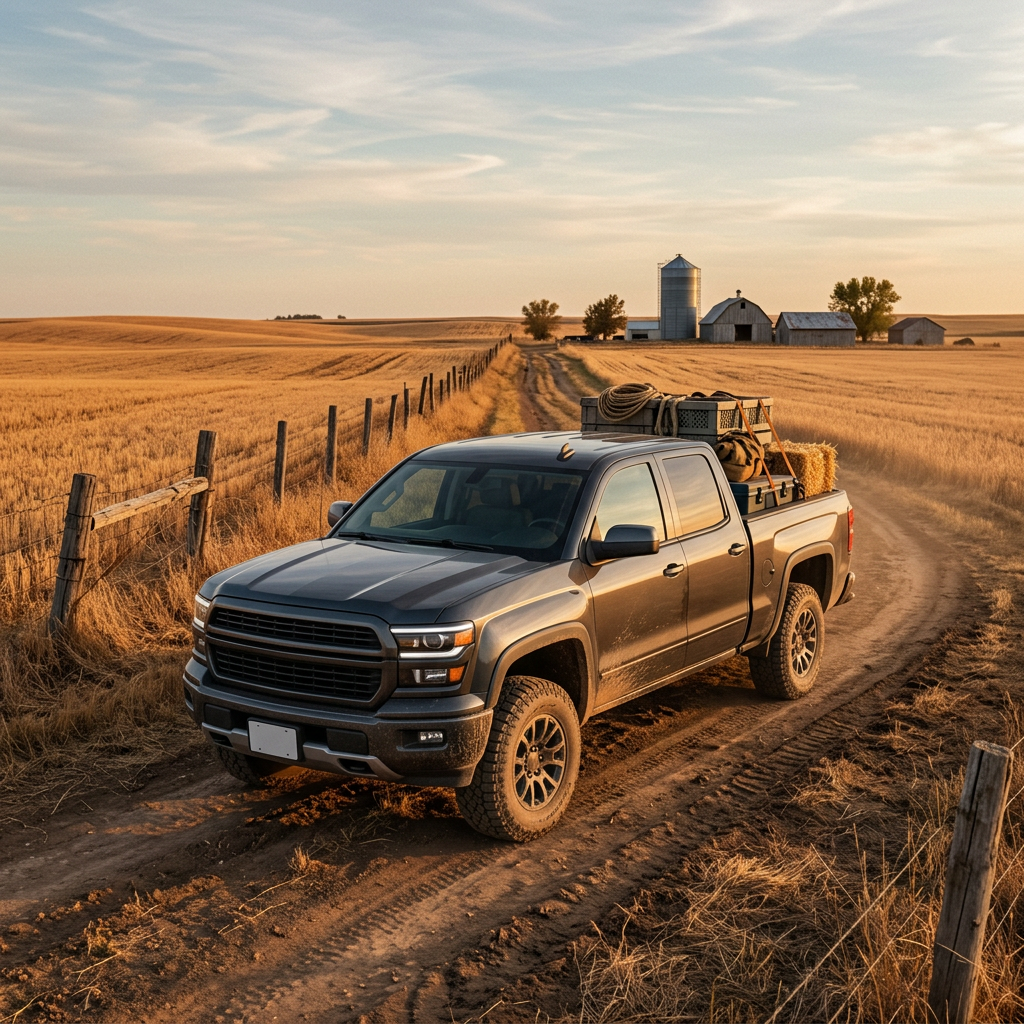
Is the 2023 Ford F-150 a Good Choice for Farm Work? The 2023 Ford F-150 is an ideal pickup for farm work because it combines a maximum conventional towing capacity of 14,000 pounds, a peak payload capacity of 3,250 pounds, and job-site innovations like Pro Power Onboard generator power. Remaining new 2023 models give agricultural operators heavy-duty utility at a strong value proposition while retaining full factory warranty coverage. Surrounding the fertile agricultural ground around Junction City, farm management demands equipment that performs reliably through heavy hauling, dirt field transit, and demanding daily chores. The 2023 F-150 is engineered on a fully boxed high-strength steel frame paired with a military-grade aluminum-alloy body. This construction reduces vehicle weight without sacrificing structural rigidity, allowing more of the truck's engine power to be directed toward payload and towing capacity. For agricultural operations managing equipment fleets, livestock transport, or field supplies, remaining 2023 stock offers work-ready capability right off the lot. To explore current pickup availability or speak with our sales specialists, visit our Goldenbelt Boulevard location or give our team a call at (785) 238-5114. Table of Contents What Is the Maximum Towing Capacity of the 2023 Ford F-150 for Hauling Farm Loads? Which F-150 Engines Offer the 7.2 kW Pro Power Onboard Generator and Flex-Fuel Capability? Which Bed Utility Features Help Organize and Power Tools on the Farm? How Do Section 179 Tax Write-Offs and Factory Warranties Apply to Aged 2023 Stock? Frequently Asked Questions About 2023 Ford F-150 Farm Pickups Take the Next Step Toward Your Work-Ready Pickup What Is the Maximum Towing Capacity of the 2023 Ford F-150 for Hauling Farm Loads? Equipped with the 3.5L EcoBoost V6 and Max Trailer Tow Package, the 2023 Ford F-150 can tow up to 14,000 pounds, making it a powerhouse for farm hauling needs. This towing capability allows producers to haul heavy livestock trailers, seed tenders, tractor implements, and loaded round-bale trailers across pastures and highways. Achieving the 14,000 pounds maximum tow rating requires specific factory equipment combinations. The truck must feature the 3.5L EcoBoost V6, which produces 400 hp and 500 lb-ft of torque, alongside a 3.55 electronic-locking rear axle, an extended-range fuel tank, and the Max Trailer Tow Package. The electronic-locking rear axle ensures both rear wheels turn at identical speeds, delivering maximum traction when pulling heavy trailers out of mud or wet field rows. Across the complete engine lineup, towing limits vary based on powertrain choice: 3.5L EcoBoost V6: Maximum towing capacity of 14,000 pounds with a 3,250 pounds payload rating. 5.0L Ti-VCT V8: Maximum towing capacity of 13,000 pounds with a 3,325 pounds payload rating. 3.5L PowerBoost Full Hybrid: Maximum towing capacity of 12,700 pounds with a 2,120 pounds payload rating. 2.7L EcoBoost V6: Maximum towing capacity of 10,100 pounds with a 2,480 pounds payload rating. 3.3L Ti-VCT V6: Maximum towing capacity of 8,200 pounds with a 1,965 pounds payload rating. When producers compare engine choices on our sales lot, they often evaluate whether they prioritize the peak towing limit of the twin-turbo V6 or the flex-fuel convenience of the traditional V8. Every engine comes paired with a smooth-shifting 10-speed automatic transmission that optimizes gear ratios to keep engine power in its ideal powerband while pulling heavy loads up steep grades. Farmers interested in researching current Ford F-150 configurations can compare towing packages and bed lengths across our lineup, or browse our new vehicle inventory to see work-ready trucks ready for immediate delivery. Which F-150 Engines Offer the 7.2 kW Pro Power Onboard Generator and Flex-Fuel Capability? The 7.2 kW Pro Power Onboard system is available exclusively on 2023 Ford F-150 models equipped with the 3.5L PowerBoost Full Hybrid powertrain, delivering 7,200 watts of exportable electricity. For farms utilizing bulk fuel storage, the 5.0L Ti-VCT V8 engine features E85 flex-fuel capability, operating on regular gasoline, E85 ethanol, or any blend of the two. The 3.5L PowerBoost Full Hybrid pairs the twin-turbo V6 with a 35 kW electric motor integrated into the 10-speed automatic transmission, generating a combined output of 430 hp and 570 lb-ft of torque. Models with this hybrid engine feature a standard 2.4 kW output system and an optional 7.2 kW Pro Power Onboard system. The 7.2 kW configuration supplies multiple 120V 20-amp outlets and a heavy-duty 240V 30-amp NEMA L6-20 outlet in the bed wall. This system generates enough electricity to simultaneously power air compressors, plasma cutters, electric arc welders, and high-draw battery chargers directly in remote pastures. For conventional gasoline powertrains, including the 2.7L EcoBoost V6, 5.0L Ti-VCT V8, and 3.5L EcoBoost V6, Ford offers an available 2.0 kW system providing 2,000 watts of 120V power through dual bed-mounted outlets. E85 fuel compatibility on the 5.0L Ti-VCT V8 gives farm owners flexible fuel sourcing options. Agricultural operations storing on-site ethanol blends can fuel their pickups directly from farm tanks without risking fuel line corrosion or engine misfires. Across the grazing land and crop acreage throughout Dickinson County, having on-demand electrical power in the pasture saves hours of transport back to the machine shed. Broader inventory choices, including pre-owned work trucks, are available for review through our pre-owned truck inventory page. Which Bed Utility Features Help Organize and Power Tools on the Farm? The 2023 Ford F-150 maximizes bed utility through its integrated tailgate work surface, BoxLink cargo tie-down system, and bed-mounted Pro Power Onboard power outlets. These integrated functional tools transform the pickup bed into a mobile workstation for field repairs, fence building, and tool transportation. The available tailgate work surface includes practical features built into the durable composite inner tailgate panel: Integrated metric and inch rulers for quick field measurements. Recessed tie-down pockets that double as bottle openers. Built-in clamp pockets to hold lumber, fence posts, or steel pipe securely while cutting. Molded cup holders and mobile device storage slots. To hold cargo securely over rough ground, the BoxLink system uses four reinforced die-cast zinc tie-down cleats that lock into place along the bed sides. These cleats allow farmers to secure heavy fuel transfer tanks, toolboxes, or seed bags without impeding floor space. Available LED box lighting ensures working in early morning hours or after dusk remains safe and efficient. Compared to competitor pickups like the Chevrolet Silverado 1500, which offers standard fixed tie-downs and an optional multi-function tailgate, the F-150 combines its functional tailgate surface directly with up to 7.2 kW of bed electrical power. This combination allows producers to cut, measure, and weld directly off the rear of the truck. Farm owners planning to upgrade can begin by valuing your trade-in online to estimate existing vehicle equity toward a work-ready pickup. How Do Section 179 Tax Write-Offs and Factory Warranties Apply to Aged 2023 Stock? Remaining new 2023 Ford F-150 pickups qualify for Section 179 business tax deductions because their Gross Vehicle Weight Rating ( GVWR) exceeds 6,000 pounds. Additionally, aged 2023 stock retains its complete original factory warranty, with coverage beginning on the exact date the vehicle is first purchased and placed into farm service. Under Section 179 of the Internal Revenue Code, farm businesses can expense the full purchase price of qualifying equipment and vehicles in the year they are acquired and placed into service, rather than depreciating the cost over several years. Because full-size F-150 models feature a GVWR between 6,010 pounds and 7,350 pounds depending on cab and payload setup, they meet federal weight criteria for accelerated tax write-offs. Farm owners should consult their certified public accountant or tax professional to verify specific eligibility details for their business entity. A common concern among buyers considering aged 2023 inventory is whether sitting on the lot reduces warranty duration. Factory warranty protection does not begin when the truck rolls off the assembly line. The 3-year/36,000-mile bumper-to-bumper warranty and 5-year/60,000-mile powertrain warranty start on the day you take delivery. Included warranty protections cover key mechanical components: 3-year/36,000-mile bumper-to-bumper warranty: Covers repairs on original components found defective in material or workmanship. 5-year/60,000-mile powertrain warranty: Protects the engine, transmission, driveshafts, and drive axles. 5-year/60,000-mile roadside assistance: Includes 24/7 towing, flat tire changes, and fuel delivery backed by manufacturer-trained technicians. Producers ready to review purchasing terms can start by getting pre-approved for financing through our online credit application. Frequently Asked Questions About 2023 Ford F-150 Farm Pickups Q: What is the maximum payload capacity of a 2023 Ford F-150? With the 5.0L Ti-VCT V8 engine and Heavy-Payload Package, the 2023 Ford F-150 can carry payloads up to 3,250 pounds, ideal for heavy farm tasks. Payload ratings vary based on cab style, bed length, and drivetrain options, with exact limits specified on each truck's door-jamb Tire and Loading Information label. Q: Can the 3.5L PowerBoost hybrid handle severe winter farm work? The 3.5L PowerBoost Full Hybrid is engineered for severe service, utilizing a liquid-cooled 1.5-kWh lithium-ion battery and an integrated electric motor. The system operates smoothly in cold weather, delivering instant low-end torque while maintaining battery temperature management during winter trailering and field chores. Q: What is the towing difference between the 5.0L V8 and 3.5L EcoBoost engines? The 3.5L EcoBoost V6 provides a maximum towing capacity of 14,000 pounds with 500 lb-ft of torque, whereas the 5.0L Ti-VCT V8 provides up to 13,000 pounds of towing capacity with 410 lb-ft of torque. The V8 offers E85 flex-fuel capability, while the twin-turbo V6 delivers an additional 1,000 pounds of maximum pulling capacity. Q: Is active safety technology included standard on F-150 work truck trims? Automated emergency braking with pedestrian detection comes standard on all 2023 F-150 models, including the base XL trim. Advanced Ford Co-Pilot360 active safety features, such as blind-spot monitoring with trailer coverage and lane-keeping assist, are available as option packages or standard equipment on XLT and Lariat models. Q: Why should a farm business consider purchasing remaining 2023 inventory? Purchasing remaining 2023 inventory allows agricultural businesses to secure brand-new work trucks with 14,000 pounds max towing, Pro Power Onboard generator tech, and full factory warranty coverage at current pricing. Combined with potential Section 179 tax deductions for vehicles over 6,000 pounds GVWR, these pickups deliver excellent long-term operational value. Take the Next Step Toward Your Work-Ready Pickup Selecting an aged 2023 Ford F-150 provides your agricultural operation with commercial towing power, field-ready electrical capability, and complete factory warranty peace of mind. Remaining 2023 models offer an outstanding balance of heavy-duty performance and immediate purchase value for local producers. Our commercial sales staff is prepared to walk you through engine specifications, tow ratings, bed configurations, and business purchasing programs. Whether you require a specialized 3.5L PowerBoost Full Hybrid with 7.2 kW bed power or a heavy-hauling 3.5L EcoBoost V6 work truck, our team can match the right pickup to your farm's exact workload. Visit our showroom to inspect our remaining 2023 inventory in person, or get driving directions to Valor Ford to start your test drive. You can also reach our truck specialists directly by calling (785) 238-5114 to discuss trade-in options and vehicle availability. Keep Your Vehicle Running Strong Keep your vehicle performing at its best with our service team: Schedule Pickup and Delivery Service Schedule Ford Service Today Order Genuine Ford Parts © 2026 Valor Ford. All rights reserved.
What to Look for in a Used Ford EcoSport: Reliability, Pricing, and Utility

What to Look for in a Used Ford EcoSport: Reliability, Pricing, and Utility

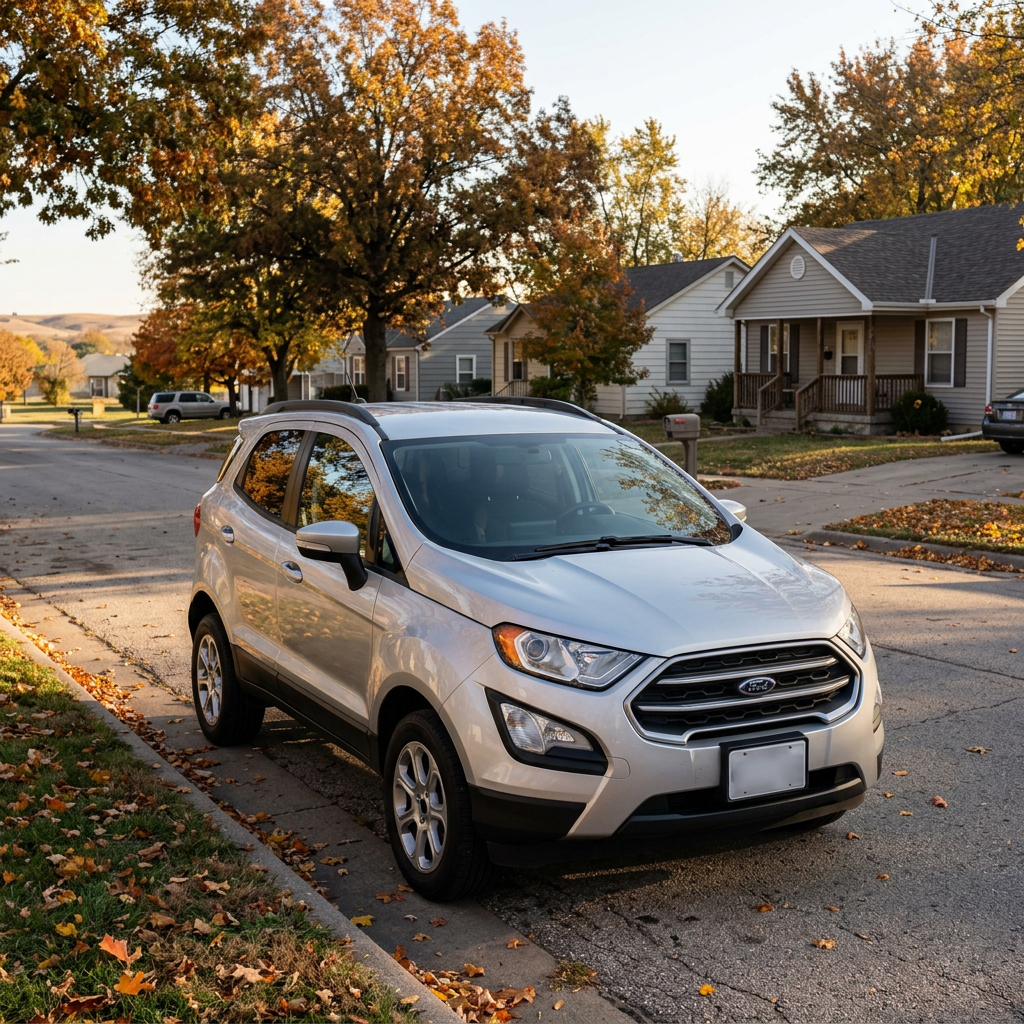
What to Look for in a Used Ford EcoSport: Reliability, Pricing, and Utility What Is a Fair Used Ford EcoSport Price Benchmark in Junction City? A fair price benchmark for a used Ford EcoSport ranges from around $10,000 for higher-mileage early model years up to $18,000 or $19,000 for a well-maintained, lower-mileage 2021 or 2022 Titanium trim with under 40,000 miles on the odometer. Mid-tier SE and SES trims from the 2019 to 2021 model years typically sit between $13,000 and $16,000 depending on overall condition, mileage, and drivetrain configuration. Evaluating where a specific vehicle falls within this valuation band requires examining both the trim level and the underlying maintenance history. The Ford EcoSport entered the North American market for the 2018 model year and concluded its run in 2022. Because of standard subcompact crossover depreciation curves, used EcoSports offer an accessible entry point for drivers seeking an elevated seating position and crossover versatility without a large financial outlay. Lower-tier S trims with higher odometer readings sit at the bottom of the price spectrum, while late-model Titanium trims equipped with leather seating and enhanced audio systems represent the upper boundary. Shopping local pre-owned listings in Junction City reveals that mileage and condition remain the primary drivers of price variance. When evaluating a listing, cross-referencing vehicle history reports is essential to ensure the asking price reflects the car's true condition. Pre-owned buyers should verify service records, accident histories, and regional driving backgrounds before committing. If you are comparing pre-owned listings in the area or looking to inspect a model in person, our team at our showroom on Goldenbelt Blvd can walk you through available vehicle history reports, or you can give our sales department a direct call to ask about current arrivals. Table of Contents How Does Ford Intelligent AWD Handle Kansas Winters and Local Roads? Which Engines, Fuel Economy, and Trims Work Best for Local Commuters? Does the Used Ford EcoSport Offer Apple CarPlay and SYNC 3 Tech? What Are the Most Common Mechanical Issues and Maintenance Needs on Used EcoSports? How Does the Used EcoSport Compare to Competitors Like the Honda HR-V and Hyundai Kona? How Functional Is the EcoSport Side-Hinged Tailgate and Resale Value Over Time? How Does Ford Intelligent AWD Handle Kansas Winters and Local Roads? Ford's Intelligent AWD system continuously monitors traction conditions and transfers engine torque to the rear wheels before front-wheel slippage occurs, providing excellent stability across icy highways, rain-slicked pavement, and snow-covered country roads. By assessing wheel speed, throttle position, and steering angle every few milliseconds, the system seamlessly adjusts torque distribution between the front and rear axles to maintain forward momentum without requiring any manual lever or button engagement from the driver. Powering the all-wheel-drive configuration is the naturally aspirated 2.0L Ti-VCT four-cylinder engine, which generates 166 horsepower and 149 lb-ft of torque. Unlike front-wheel-drive EcoSport models that rely exclusively on the smaller three-cylinder engine, models equipped with the 2.0L engine paired with Intelligent AWD deliver steady power delivery when navigating unpaved routes or slushy roads. On dry pavement, the system routes power primarily to the front wheels to preserve fuel efficiency, shifting power rearward only when road conditions demand extra traction. Driving across rural agricultural corridors and unpaved prairie back roads in Dickinson County during winter freezes demands a vehicle that can handle unpredictable surfaces. The EcoSport offers 6.5 inches of ground clearance, allowing it to clear light snow accumulation and modest rutted paths with ease. For shoppers looking for even greater off-road capability or larger winter-ready crossovers, exploring our new Ford Bronco inventory provides a helpful benchmark for heavier-duty four-wheel-drive engineering. Which Engines, Fuel Economy, and Trims Work Best for Local Commuters? Used Ford EcoSport models equipped with the 1.0L EcoBoost three-cylinder engine achieve EPA ratings of 27 mpg city / 29 mpg highway, while models with the naturally aspirated 2.0L Ti-VCT four-cylinder engine and standard Intelligent AWD post 23 mpg city / 29 mpg highway and 25 mpg combined. Commuters prioritizing maximum fuel efficiency on highway stretches often lean toward the front-wheel-drive 1.0L engine, whereas drivers wanting extra mechanical traction and higher horsepower opt for the 2.0L powertrain. The EcoSport lineup consists of four primary trim configurations: S: The entry-level base trim featuring essential power amenities, a 4.2-inch display screen, cloth seating, and 16-inch sparkled silver painted aluminum wheels. SE: The popular mid-level trim that adds an 8-inch SYNC 3 touchscreen, automatic climate control, a power moonroof, heated front seats, and reverse parking sensors. SES: The sport-oriented trim featuring the 2.0L engine with Intelligent AWD as standard equipment, a sport-tuned suspension, blind-spot monitoring, ambient interior lighting, and distinctive exterior accents. Titanium: The top-tier trim offering leather-trimmed seating, a premium Bang & Olufsen 10-speaker sound system, heated steering wheel, navigation, and chrome exterior detailing. For most daily commuters, the SE trim represents the optimal balance between price and everyday comfort features. Selecting the 2.0L engine on the SE trim or moving up to the SES or Titanium trims grants all-weather confidence alongside essential cabin tech. Buyers planning their vehicle purchase can prequalify online for financing to help plan your purchase before visiting the dealership. Does the Used Ford EcoSport Offer Apple CarPlay and SYNC 3 Tech? Yes, Apple CarPlay and Android Auto integration comes standard on used Ford EcoSport SE, SES, and Titanium trims fitted with the 8-inch SYNC 3 capacitive touchscreen, whereas the base S trim uses a smaller 4.2-inch non-touch display without smartphone mirroring. The SYNC 3 system allows drivers to seamlessly connect their smartphones via USB, displaying navigation apps, messaging interfaces, and music streaming services directly on the center dashboard screen. The SYNC 3 interface is widely appreciated for its clean layout, fast response times, and intuitive menu structures. Drivers can use pinch-to-zoom gestures on navigation maps or command functions using natural voice control buttons located on the steering wheel. Dual fast-charging USB ports positioned beneath the climate controls ensure mobile devices stay powered during longer road trips, while built-in Bluetooth wireless connectivity allows quick hands-free calling. In addition to smartphone connectivity, higher EcoSport trims offer upgraded audio and driver-assist technologies. The Titanium trim includes a 10-speaker B&O sound system tuned specifically for the crossover's cabin layout. Driver-assist features such as Blind Spot Information System with Cross-Traffic Alert are available on SE models and standard on SES and Titanium trims. To explore pre-owned models equipped with these features, buyers can review our pre-owned vehicle inventory, or visit our parts department to order genuine Ford parts and accessories like all-weather floor liners to protect the interior. What Are the Most Common Mechanical Issues and Maintenance Needs on Used EcoSports? The primary mechanical concern on used Ford EcoSports involves the wet oil pump drive belt on the 1.0L EcoBoost three-cylinder engine, which can experience material degradation and clog the engine oil pickup screen over time, whereas the 2.0L Ti-VCT four-cylinder engine paired with the six-speed SelectShift automatic transmission demonstrates significantly greater long-term durability. The wet belt system on early 1.0L engines runs submerged in engine oil, making strict adherence to oil change intervals and oil specification standards critical to preventing premature belt wear. In our service bays, our technicians frequently inspect oil pressure history and timing belt health on pre-owned three-cylinder models, helping buyers select well-maintained vehicles or steer toward the four-cylinder powertrain for long-term peace of mind. Other minor issues reported on used EcoSports include occasional infotainment screen freezing, which can usually be resolved through software updates, and routine wear on front brake pads due to urban stop-and-go driving. When properly maintained with high-quality synthetic oil and routine filter replacements every 5,000 to 7,500 miles, an EcoSport powertrain can reliably achieve 150,000 to 200,000 miles of service life. Checking transmission fluid condition and ensuring cooling system services are performed according to factory maintenance schedules further protects vehicle longevity. Owners seeking professional inspection or maintenance services can easily schedule a Ford service appointment with our certified technician team. How Does the Used EcoSport Compare to Competitors Like the Honda HR-V and Hyundai Kona? The used Ford EcoSport provides a higher command seating position, a tighter turning radius of 35 feet, and standard Intelligent AWD on later model years compared to subcompact rivals like the Honda HR-V with 141 hp and Hyundai Kona with 147 hp, while offering an impressive 2,000 pounds maximum towing capacity when equipped with the 2.0L engine. These traits make the EcoSport particularly easy to maneuver through tight parking lots and narrow alleys. Compared to class rivals, key distinctions include: Command Seating and Visibility: The EcoSport positions the driver higher off the road than the Hyundai Kona, offering an upright SUV-like view of traffic rather than a hatchback-like posture. Towing Capability: While most subcompact crossovers are restricted to 1,000 or 1,500 pounds of towing, the 2.0L EcoSport handles up to 2,000 pounds, making it capable of pulling a small utility trailer or light watercraft. Maneuverability: With an overall length of just 161 inches, the EcoSport is shorter than both the Honda HR-V and Hyundai Kona, simplifying parallel parking and tight garage storage. Interior Passenger Space: The Honda HR-V offers slightly more rear legroom and overall passenger volume, making it better suited for tall adult rear passengers, though the EcoSport provides competitive front headroom and driver legroom. Drivers comparing subcompact crossovers find that while competitors emphasize car-like handling, the EcoSport focuses on traditional SUV upright seating, compact exterior dimensions, and robust light-towing versatility. How Functional Is the EcoSport Side-Hinged Tailgate and Resale Value Over Time? The Ford EcoSport utilizes a unique side-hinged rear tailgate that swings open horizontally to reveal up to 20 cubic feet of cargo space behind the second row and 50 cubic feet with the 60/40-split rear seats folded, while its overall resale value reflects standard subcompact crossover depreciation of roughly 45% to 50% over five years, making used listings highly accessible. The side-swing tailgate opens from right to left using a latch release handle integrated inside the driver-side taillight housing. This side-hinged design provides distinct real-world advantages and considerations: Low-Clearance Overhead Utility: Unlike traditional liftgates that swing upward and can strike low garage doors, parking structure pipes, or ceiling racks, the EcoSport's door swings horizontally without height restrictions. Easy Loading Access: Short drivers or individuals who struggle to reach elevated overhead liftgates can easily open and close the rear door without straining. Parallel Parking Awareness: Because the door swings outward to the left, drivers must leave roughly three to four feet of clearance behind the bumper when parallel parking on tight streets to open the door fully. From a value perspective, the EcoSport's standard depreciation curve works in favor of pre-owned buyers. Because the vehicle has already completed its initial steep depreciation drop during its first three years, used buyers acquire a feature-packed crossover with available Intelligent AWD, SYNC 3 technology, and comfortable seating at a fraction of its original window sticker price. If you are considering trading in your current vehicle toward a pre-owned EcoSport, you can value your trade-in online to see what your vehicle is worth. To test drive a model or discuss financing options in person, stop by our dealership address or contact our sales staff directly to assist with your search. © 2026 Valor Ford. All rights reserved.
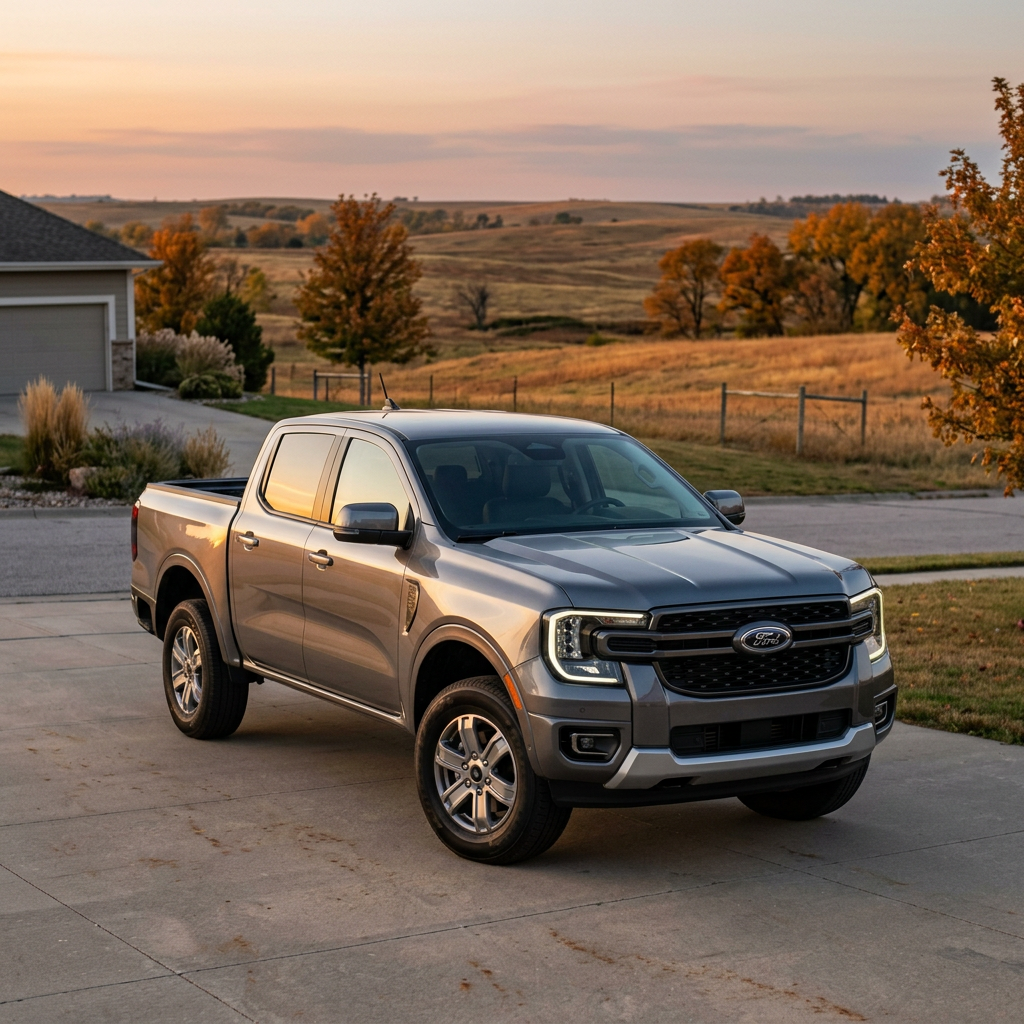
What I Tell Buyers About 2026 Ford Ranger XLT Resale Value and Tax Credits

What I Tell Buyers About 2026 Ford Ranger XLT Resale Value and Tax Credits

What I Tell Buyers About 2026 Ford Ranger XLT Resale Value and Tax Credits What Current Dealer Pricing Helps Estimate a 2026 Ford Ranger XLT Depreciation Basis? Starting MSRP for the 2026 Ford Ranger XLT sits at $36,075 for rear-wheel drive and $39,575 for four-wheel drive, along with a $1,895 destination charge. However, calculating your true depreciation basis requires starting from the actual negotiated purchase price rather than the sticker price on the window. Current pricing and incentives can vary, so contact the dealership for details, giving owners a lower financial baseline and protecting future equity when trading in down the road. As Finance Manager at Valor Ford, I routinely walk buyers through how their initial pricing structure shapes long-term ownership costs. When estimating depreciation on a 2026 Ford Ranger XLT, starting with sticker price alone distorts the math. If you purchase an XLT 4x4 with an MSRP of $39,575 but confirm current pricing with the dealership, your five-year cost of ownership drops significantly because you never financed or absorbed that initial gap. Understanding this distinction helps midsize truck buyers avoid paying unnecessary finance charges on money they do not need to spend. If you want to review pricing structures on current inventory or review current payment options, give our team a quick call or drop by our Junction City location to compare invoice structures side by side. Table of Contents What Is the Expected Resale Value of a 2026 Ford Ranger XLT After Five Years? How Does the 2026 Ranger XLT Resale Value Compare to the Toyota Tacoma TRD Sport? What Transmission and Powertrain Options Come Paired with the 2026 Ford Ranger XLT? Does the 2026 Ford Ranger XLT Qualify for Federal EV Tax Credits? What Features Are Included in the Ford Ranger Advanced Towing Package? How Does High Mileage Impact Trade-In Value on a Ford Ranger XLT? What Is the Expected Resale Value of a 2026 Ford Ranger XLT After Five Years? The 2026 Ford Ranger XLT is projected to retain approximately 55% to 60% of its original purchase price after five years of typical driving. According to resale evaluation data from Kelley Blue Book, the Ranger SuperCrew holds an above-average residual value for the midsize pickup segment, outperforming key rivals like the Chevrolet Colorado while maintaining strong trade-in values. In my experience financing trucks in Kansas, residual strength comes down to cab configuration, drivetrain, and desirable option packages. The Ranger XLT trim hits a sweet spot for resale because it combines essential modern technology—like the 12-inch touchscreen center display and SYNC 4A —with midsize truck capability without creeping into luxury-trim pricing territory. Across the model lineup, pricing spans from the base XL SuperCrew 5' Box at $33,550 up to the high-performance Raptor 4x4 SuperCrew 5' Box at $57,270, with the mid-tier XLT providing the ideal balance of equipment and equity retention. Buyers considering trade-in projections across our lineup frequently compare midsize truck residuals against midsize SUVs. While models like the Ford Explorer retain solid market demand, midsize four-wheel-drive trucks generally command stronger secondary market prices due to persistent utility demand. If you want to explore other durable options, you can check our Ford Explorer research guides or browse our new Ford Bronco inventory for additional off-road choices. Pricing Pricing by trim Trim Base MSRP Destination charge Lariat 4x4 SuperCrew 5' Box $47,455 $1,895 Lariat SuperCrew 5' Box $43,955 $1,895 Raptor 4x4 SuperCrew 5' Box $57,270 $1,895 XL 4x4 SuperCrew 5' Box $37,050 $1,895 XL SuperCrew 5' Box $33,550 $1,895 XLT 4x4 SuperCrew 5' Box $39,575 $1,895 XLT SuperCrew 5' Box $36,075 $1,895 Fuel Economy Fuel economy and range by trim Trim MPG Lariat 4x4 SuperCrew 5' Box 19 city / 24 hwy / 21 combined Lariat SuperCrew 5' Box 21 city / 25 hwy / 23 combined Raptor 4x4 SuperCrew 5' Box 16 city / 18 hwy / 17 combined XL 4x4 SuperCrew 5' Box 19 city / 24 hwy / 21 combined XL SuperCrew 5' Box 21 city / 25 hwy / 23 combined XLT 4x4 SuperCrew 5' Box 19 city / 24 hwy / 21 combined XLT SuperCrew 5' Box 21 city / 25 hwy / 23 combined How Does the 2026 Ranger XLT Resale Value Compare to the Toyota Tacoma TRD Sport? The Toyota Tacoma TRD Sport retains a slightly higher percentage of its value over five years, holding near 65% compared to the 2026 Ford Ranger XLT projected 55% to 60% retention. However, the Ranger XLT balances this gap with a lower initial acquisition price, standard 270 hp and 310 lb-ft of torque from its 2.3L EcoBoost engine, and superior maximum available payload capacity. When customers ask me in the finance office how these two midsize trucks stack up on paper, I explain that resale percentage is only half the financial equation. The Tacoma often commands a higher upfront market premium, whereas the Ranger XLT 4x4 delivers higher standard torque ( 310 lb-ft) and standard SelectShift 10-speed automatic transmission performance that makes daily driving and towing more efficient. The agricultural dirt roads throughout Dickinson County put real stress on truck chassis, and the Ranger's fully boxed steel frame helps maintain structural integrity that secondhand buyers look for years down the road. For buyers interested in value retention across pre-owned options, you can explore our pre-owned vehicle inventory to see how past model years perform in the secondary market. Engine & Performance Powertrain specs by trim Feature Lariat 4x4 SuperCrew 5' Box Lariat SuperCrew 5' Box Raptor 4x4 SuperCrew 5' Box XL 4x4 SuperCrew 5' Box XL SuperCrew 5' Box XLT 4x4 SuperCrew 5' Box Engine 2.3L 2.3L 3L 2.3L 2.3L 2.3L Horsepower 270 hp 270 hp 405 hp 270 hp 270 hp 270 hp Torque 310 lb-ft 310 lb-ft 430 lb-ft 310 lb-ft 310 lb-ft 310 lb-ft Transmission SelectShift® SelectShift® SelectShift® SelectShift® SelectShift® SelectShift® Drivetrain Four-wheel drive Rear-wheel drive Four-wheel drive Four-wheel drive Rear-wheel drive Four-wheel drive Engine & Performance (continued) Feature XLT SuperCrew 5' Box Engine 2.3L Horsepower 270 hp Torque 310 lb-ft Transmission SelectShift® Drivetrain Rear-wheel drive What Transmission and Powertrain Options Come Paired with the 2026 Ford Ranger XLT? Every 2026 Ford Ranger XLT comes equipped standard with a 10-speed SelectShift automatic transmission paired with a 2.3L EcoBoost four-cylinder engine producing 270 hp and 310 lb-ft of torque. Buyers can select between rear-wheel drive and four-wheel drive configurations, or upgrade to an available 2.7L EcoBoost V6 engine generating 315 hp and 400 lb-ft of torque. The 10-speed SelectShift automatic transmission is a major driver of both performance and longevity in the midsize truck segment. By keeping the turbocharged engine in its optimal power band, it delivers responsive acceleration while maintaining EPA fuel economy ratings of 19 mpg city / 24 hwy. This transmission setup also features progressive range select and tow/haul modes to prevent hunting between gears when towing heavy loads. If you are evaluating powertrain needs for towing or heavy hauling, you can learn more by viewing our Ford F-150 capability overview to see how full-size and midsize powertrains compare. Does the 2026 Ford Ranger XLT Qualify for Federal EV Tax Credits? No, the 2026 Ford Ranger XLT does not qualify for federal clean vehicle tax credits because it is a gasoline-powered pickup truck. Furthermore, federal IRC §30D, §25E, and §45W clean vehicle tax credits were officially terminated on September 30, 2025 under Public Law 119-21, meaning no newly acquired gasoline or electric vehicle purchased today qualifies for these federal tax incentives. I frequently clear up confusion around vehicle tax credits for buyers in our office. Because the 2026 Ford Ranger XLT relies on a conventional internal combustion powertrain, it was never eligible for clean vehicle tax credits under prior regulations. While federal EV tax credits ended on September 30, 2025, buyers purchasing a truck for business or commercial use may still explore federal Section 179 depreciation deductions with their qualified tax preparer. To structure your purchase payments effectively without relying on expired tax subsidies, you can start by choosing to prequalify for online financing before visiting our dealership. What Features Are Included in the Ford Ranger Advanced Towing Package? The Ford Ranger Advanced Towing Package (often combined with the Class IV Trailer Tow Package) includes a Class IV trailer hitch receiver, 4-pin and 7-pin wiring harnesses, Pro Trailer Backup Assist, an integrated trailer brake controller, and BLIS with Trailer Coverage. These features unlock the 2026 Ford Ranger XLT maximum towing capacity of 7,500 lbs. From a trade-in standpoint, factory-installed towing equipment is one of the highest-return options you can add to a midsize truck. Secondhand buyers specifically search for factory brake controllers and trailer backing assistance because adding aftermarket setups later is costly and complex. If your trailering demands exceed midsize limits, you can review our Ford F-250 heavy-duty truck specs to see what full-size Super Duty capability offers. How Does High Mileage Impact Trade-In Value on a Ford Ranger XLT? Accumulating mileage above the national average of 12,000 to 15,000 miles per year reduces a 2026 Ford Ranger XLT trade-in value by approximately 5% to 8% annually for every extra 10,000 miles. However, maintaining documented service records, protecting the bed and interior, and equipping desirable options like the FX4 Off-Road Package significantly offset high-mileage trade-in deductions. When appraising trucks that come back to our lot, mileage is just one variable in the valuation formula. A well-maintained Ranger XLT with 75,000 miles and full service history often fetches a higher trade-in offer than a neglected truck with 45,000 miles. Keeping up with routine care ensures the 2.3L EcoBoost engine and 10-speed SelectShift automatic transmission stay in peak operating condition. When you are ready to evaluate your current vehicle equity, you can value your trade-in online, give our finance department a quick call, or visit our Junction City showroom for a professional in-person appraisal. Keep Your Vehicle Running Strong Keep your vehicle performing at its best with our service team: Schedule Pickup and Delivery Service Schedule Ford Service Today Order Genuine Ford Parts © 2026 Valor Ford. All rights reserved. Vehicle specification data © JATO Dynamics Limited.