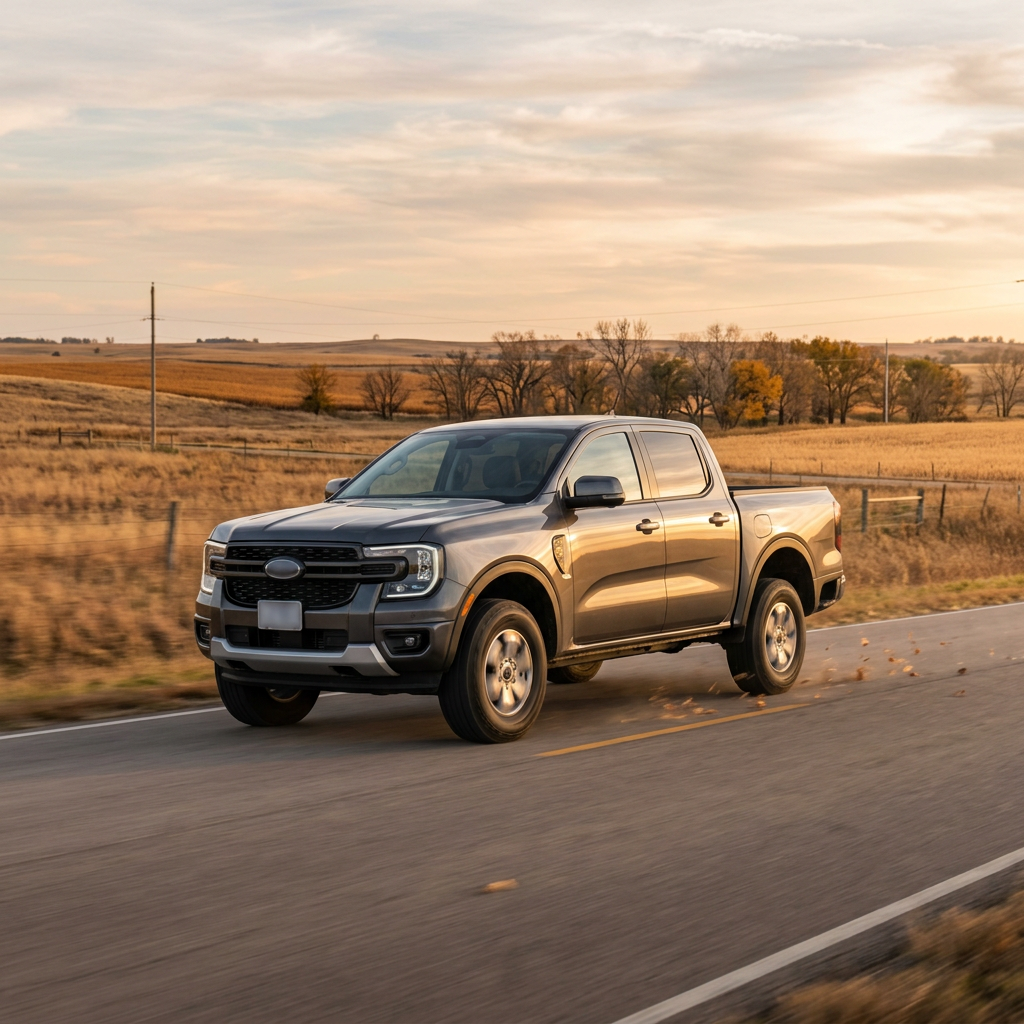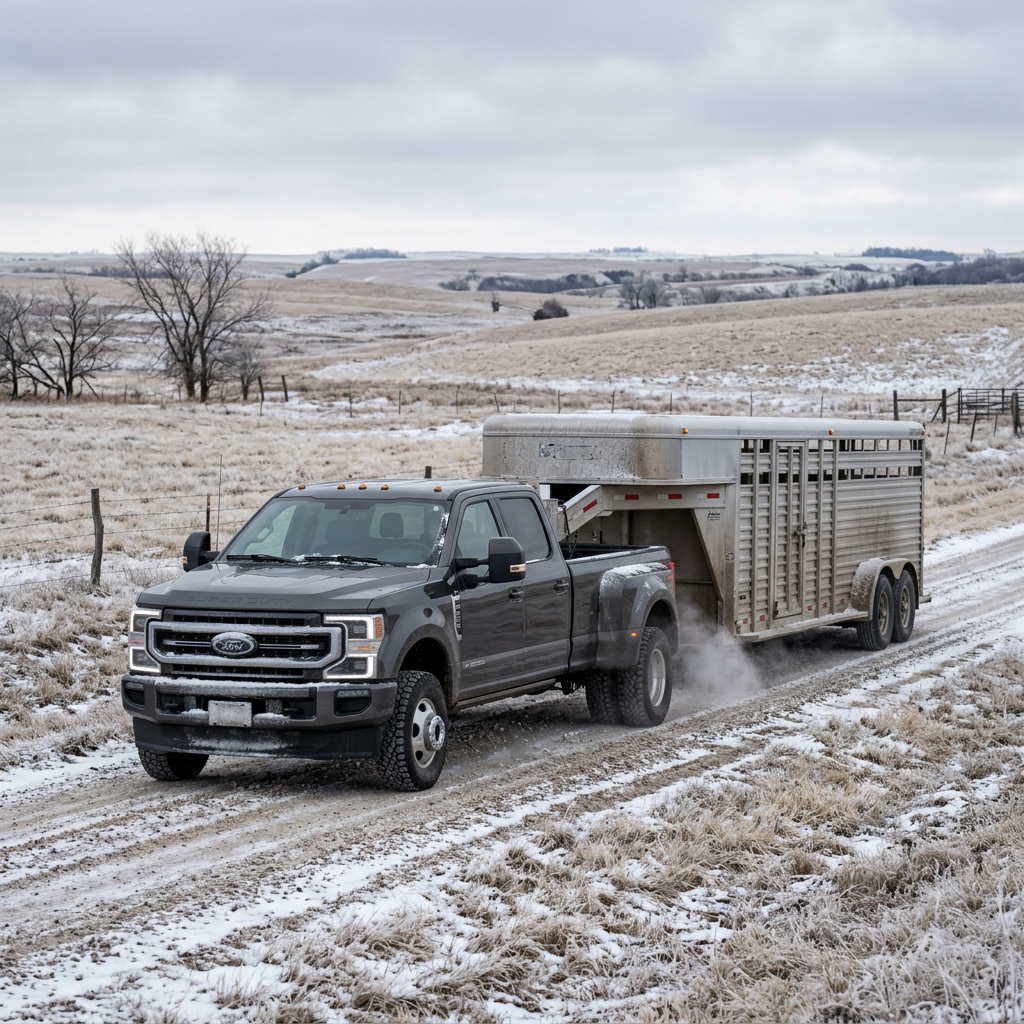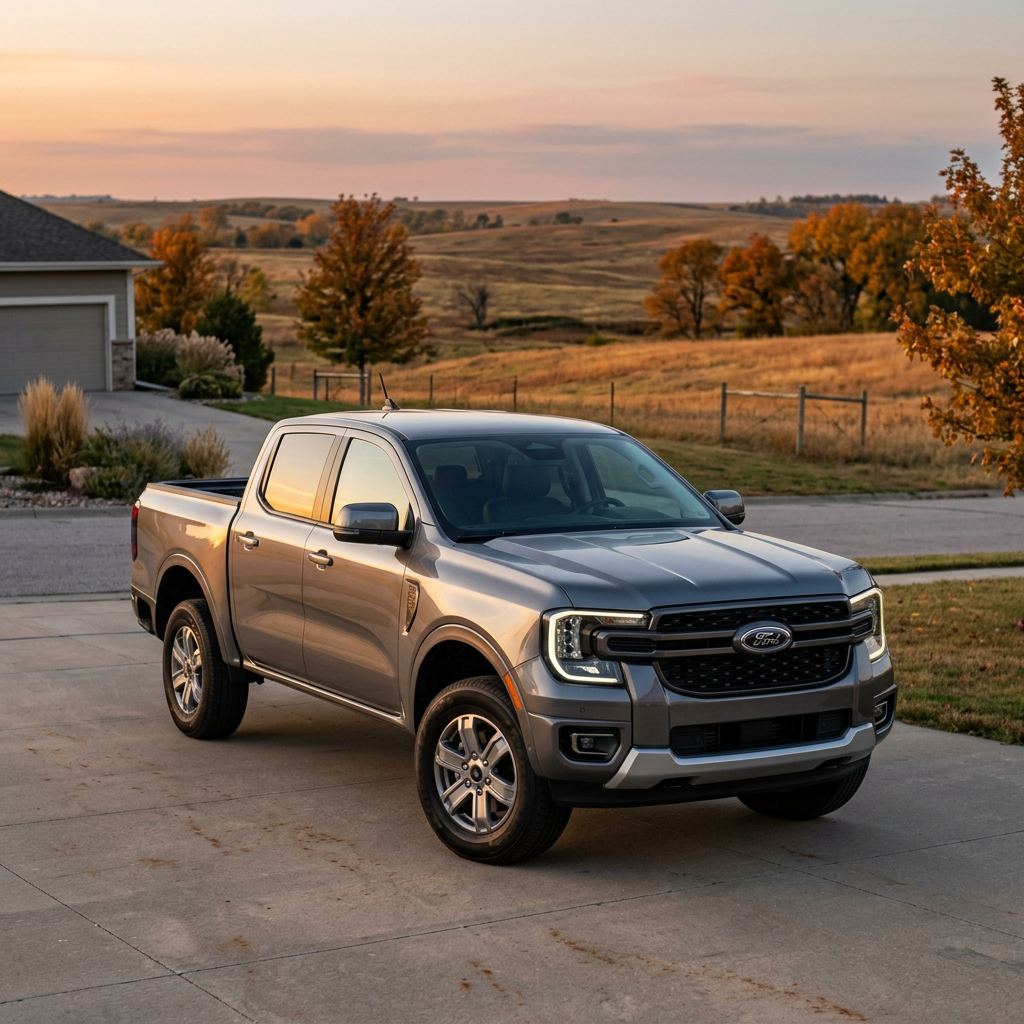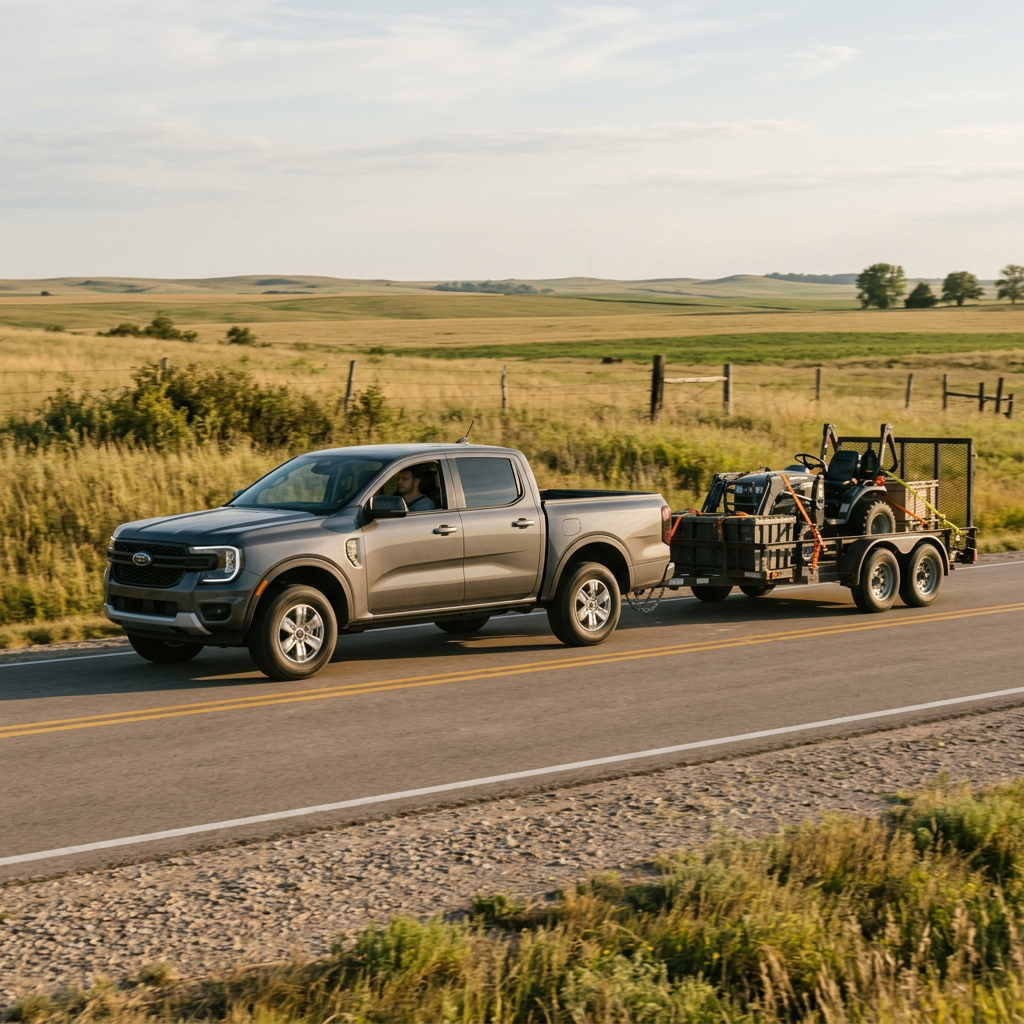

My Take on the 2026 Ford Ranger XLT: Resale Value and Tax Credit Facts How Does the 2026 Ford Ranger XLT Resale Value Compare to XL and Lariat Trims? The 2026 Ford Ranger XLT retains a higher percentage of its original price than the base XL trim while losing significantly fewer total dollars to depreciation than the top-tier Lariat. Positioned right in the middle of the lineup, the XLT strikes the ideal balance for midsize truck buyers because it includes essential driver-assist technologies and comfort features that second-hand buyers actively shop for without forcing you to pay for luxury equipment that depreciates faster. When buyers visit us at Valor Ford to compare midsize truck trims, the conversation almost always turns to five-year ownership costs. The entry-level XL SuperCrew 5' Box starts at an MSRP of $33,550 (or $37,050 for the XL 4x4), making it an affordable fleet or entry-level vehicle. However, because the base trim lacks standard convenience features like the Ford Co-Pilot360 safety suite, it experiences a steeper initial drop in retail value on the used market. On the other end of the spectrum, the Lariat SuperCrew 5' Box begins at $43,955 (or $47,455 for the Lariat 4x4). While the Lariat is packed with premium touches, high-end luxury features tend to lose their dollar value faster on pre-owned lots than core utility features. The XLT SuperCrew 5' Box, starting at $36,075 for rear-wheel drive and $39,575 for four-wheel drive, occupies the true sweet spot for value retention. Equipped standard with the 2.3L EcoBoost four-cylinder engine delivering 270 hp and 310 lb-ft of torque mated to a 10-speed SelectShift automatic transmission, the XLT gives you full 7,500-lb towing capacity and up to 1,821 lbs of payload capacity. If you want to check out our current inventory or take a test drive around our scenic test route along the Kansas River, you can easily find directions to our Junction City showroom or give our sales team a quick call at (785) 238-5114. Table of Contents What Five-Year Resale Value Projections Does Kelley Blue Book Report for the 2026 Ranger? Which Options and Packages Add the Most Trade-In Value to a Ranger XLT? Can You Claim Federal Tax Credits or Kansas Incentives on a 2026 Ford Ranger XLT? How Does the Ranger XLT Resale and Ownership Cost Compare to the Toyota Tacoma TRD Sport? Does Heavy Towing and Utility Work Decrease a Ford Ranger Resale Value? Evaluating Your 2026 Ford Ranger XLT Purchase and Trade-In Strategy What Five-Year Resale Value Projections Does Kelley Blue Book Report for the 2026 Ranger? Kelley Blue Book projects the 2026 Ford Ranger to retain 53.4% of its original MSRP after five years of ownership, placing it firmly among the top ten best resale value vehicles nationwide. This retained value rating sits nearly nine percentage points above the overall auto industry average of 44.7%, proving that Ford's midsize platform holds its worth remarkably well over a standard 60-month ownership cycle. In real-world terms, Kelley Blue Book data lists a national-average Fair Purchase Price of $35,800 for a typical XLT build against an initial sticker price of $37,770. On five-year-old models, market data projects a residual trade-in value around $31,300 and private-party resale values near $35,200, depending on vehicle condition, total mileage, and regional demand. That strong retention is a major advantage over luxury sedans or electric vehicles, which frequently drop below 40% retained value in the same timeframe. To maintain that upper-tier residual projection, keeping your truck in clean condition is essential. Buyers looking at our pre-owned inventory consistently favor trucks with documented maintenance records and well-preserved interiors. A 2026 Ford Ranger XLT driven 15,000 miles per year loses value at a far slower rate than most midsize competitors, protecting your equity when you eventually decide to upgrade. Pricing Pricing by trim Trim Base MSRP Destination charge Lariat 4x4 SuperCrew 5' Box $47,455 $1,895 Lariat SuperCrew 5' Box $43,955 $1,895 Raptor 4x4 SuperCrew 5' Box $57,270 $1,895 XL 4x4 SuperCrew 5' Box $37,050 $1,895 XL SuperCrew 5' Box $33,550 $1,895 XLT 4x4 SuperCrew 5' Box $39,575 $1,895 XLT SuperCrew 5' Box $36,075 $1,895 Fuel Economy Fuel economy and range by trim Trim MPG Lariat 4x4 SuperCrew 5' Box 19 city / 24 hwy / 21 combined Lariat SuperCrew 5' Box 21 city / 25 hwy / 23 combined Raptor 4x4 SuperCrew 5' Box 16 city / 18 hwy / 17 combined XL 4x4 SuperCrew 5' Box 19 city / 24 hwy / 21 combined XL SuperCrew 5' Box 21 city / 25 hwy / 23 combined XLT 4x4 SuperCrew 5' Box 19 city / 24 hwy / 21 combined XLT SuperCrew 5' Box 21 city / 25 hwy / 23 combined Which Options and Packages Add the Most Trade-In Value to a Ranger XLT? Adding four-wheel drive, the FX4 Off-Road Package, and the Advanced Towing Package yields the highest return on investment when trading in a Ford Ranger XLT. While decorative accessories rarely return their upfront cost, mechanical utility upgrades and factory off-road hardware directly increase pre-owned demand and preserve trade-in appraisal values. Four-wheel drive is by far the single most valuable option for residual value retention. The XLT 4x4 setup adds immediate confidence on slippery surfaces and rough terrain. For rural drivers navigating gravel farm roads and pastures across Dickinson County, four-wheel drive is an absolute necessity rather than a luxury. When our appraisers evaluate trade-ins, a 4x4 model commands a distinct premium over a two-wheel-drive equivalent every single time. The optional FX4 Off-Road Package is another high-value addition, equipping the truck with off-road tuned shocks, skid plates, exposed front tow hooks, and electronic locking rear differentials. Similarly, adding the Advanced Towing Package —which features Pro Trailer Backup Assist, a trailer brake controller, and a 360-degree camera system—maximizes your truck's practical capability while ensuring future buyers pay top dollar. When you are planning your vehicle purchase, you can use our online tool to value your trade-in vehicle to see how your current ride's options impact its total valuation. Can You Claim Federal Tax Credits or Kansas Incentives on a 2026 Ford Ranger XLT? A buyer purchasing a 2026 Ford Ranger XLT today cannot claim a federal clean-vehicle tax credit, as the truck runs exclusively on gasoline and federal clean-vehicle tax credits were officially terminated under Public Law 119-21 for vehicles acquired after September 30, 2025. Standard internal combustion midsize pickups were never eligible for federal IRC §30D EV tax credits even prior to the program's sunset. In Kansas, there are currently no state-level purchase tax rebates or clean-energy credits for buying a gas-powered midsize pickup truck. However, business owners and agricultural operators who purchase a 2026 Ranger XLT for commercial use should consult their tax preparer regarding Section 179 vehicle depreciation deductions and local commercial property tax exemptions, which can offset overall business tax liability. If you are looking for alternative ways to optimize your vehicle budget, flexible financing options and competitive trade allowances are available; contact us for current details. For customers considering larger commercial vehicles or alternative Ford trucks, our team can help you prequalify online for financing or let you explore our Ford F-150 research page to compare full-size truck capabilities and business vehicle options. How Does the Ranger XLT Resale and Ownership Cost Compare to the Toyota Tacoma TRD Sport? While the Toyota Tacoma TRD Sport retains a slightly higher percentage of its initial MSRP after five years, the 2026 Ford Ranger XLT starts at a lower base MSRP, effectively narrowing the total dollar gap in five-year cost of ownership. The Toyota Tacoma leads the midsize truck segment in percentage-based resale projections, retaining up to 63.0% after five years. However, the Tacoma TRD Sport carries a significantly higher starting sticker price. The Ranger XLT SuperCrew starts at $36,075 for rear-wheel drive and $39,575 for four-wheel drive, giving buyers an upfront purchase price advantage of several thousand dollars. Because you pay less upfront for the Ranger XLT, the total out-of-pocket depreciation in actual dollars over 60 months ends up surprisingly close between the two trucks. Furthermore, the Ranger XLT delivers superior interior space and cabin comfort compared to the Tacoma. The Ranger SuperCrew provides 43.7 inches of front legroom, 34.6 inches of rear legroom, and a total bed volume of about 43.5 cubic feet with 48.1 inches of flat width between the wheel wells—enough space to lay a 4-foot sheet of drywall flat. Coupled with its standard 270-hp EcoBoost engine and 7,500-lb towing capacity, the Ranger XLT delivers higher functional capability per dollar spent, making it an exceptional overall value. Dimensions & Capacity Capacity and dimensions by trim Trim Seating Curb weight Towing Payload Lariat 4x4 SuperCrew 5' Box 5 4,408 lbs 7,500 lbs 1,717 lbs Lariat SuperCrew 5' Box 5 4,187 lbs 7,500 lbs 1,821 lbs Raptor 4x4 SuperCrew 5' Box 5 5,353 lbs 5,510 lbs 1,383 lbs XL 4x4 SuperCrew 5' Box 5 4,408 lbs 7,500 lbs 1,717 lbs XL SuperCrew 5' Box 5 4,187 lbs 7,500 lbs 1,821 lbs XLT 4x4 SuperCrew 5' Box 5 4,408 lbs 7,500 lbs 1,717 lbs XLT SuperCrew 5' Box 5 4,187 lbs 7,500 lbs 1,821 lbs Does Heavy Towing and Utility Work Decrease a Ford Ranger Resale Value? Regularly towing heavy loads within factory ratings does not inherently lower the resale value of a Ford Ranger, provided the truck undergoes proper routine maintenance according to Ford's recommended schedules. Used truck buyers expect midsize pickups to haul and tow; what causes depreciation is neglected maintenance, structural damage, or mechanical abuse. The 2026 Ford Ranger XLT is engineered to handle rigorous work demands, featuring a high-strength steel frame, a maximum payload capacity of 1,821 lbs, and a maximum towing capacity of 7,500 lbs. When equipped with the standard 2.3L EcoBoost engine generating 310 lb-ft of torque or the optional 2.7L EcoBoost V6 producing 315 hp and 400 lb-ft of torque, the 10-speed automatic transmission manages heat and gear selection effectively during heavy towing operations. To protect your truck's trade-in value while working it hard, follow key preventive steps: Change transmission fluid, differential fluid, and engine oil at factory-specified severe-duty intervals. Utilize the integrated trailer brake controller to reduce wear on the truck's service brakes. Keep the truck bed clean by adding a spray-in bedliner to prevent gouges, rust, and cosmetic corrosion. If your trailering needs regularly approach maximum capacity, you might also want to view our Ford F-250 research guide to evaluate heavy-duty Super Duty options, or read our Ford Explorer research article if you prefer an enclosed family towing vehicle. Evaluating Your 2026 Ford Ranger XLT Purchase and Trade-In Strategy When you weigh five-year resale performance, functional towing capabilities, and overall acquisition costs, the 2026 Ford Ranger XLT stands out as one of the smartest purchases in the midsize truck segment. By selecting high-demand factory options like four-wheel drive and the FX4 Off-Road Package, you protect your equity and ensure strong resale value down the road. First-time pickup shoppers who visit us at Valor Ford often ask whether choosing an XLT with popular packages makes more financial sense than stretching their budget to a luxury trim. My advice is always straightforward: the XLT gives you the modern safety tech, potent EcoBoost performance, and 7,500-lb towing capacity you need, while shielding you from the aggressive depreciation curve of high-end luxury trucks. Our team at Valor Ford is ready to help you compare trim levels, evaluate your current vehicle's trade-in value, and explore financing options tailored to your budget. You can visit our dealership address, check out our new vehicle lineup including our new Ford Bronco inventory, or give our sales department a call at (785) 238-5114 to get started today. Engine & Performance Powertrain specs by trim Feature Lariat 4x4 SuperCrew 5' Box Lariat SuperCrew 5' Box Raptor 4x4 SuperCrew 5' Box XL 4x4 SuperCrew 5' Box XL SuperCrew 5' Box XLT 4x4 SuperCrew 5' Box Engine 2.3L 2.3L 3L 2.3L 2.3L 2.3L Horsepower 270 hp 270 hp 405 hp 270 hp 270 hp 270 hp Torque 310 lb-ft 310 lb-ft 430 lb-ft 310 lb-ft 310 lb-ft 310 lb-ft Transmission SelectShift® SelectShift® SelectShift® SelectShift® SelectShift® SelectShift® Drivetrain Four-wheel drive Rear-wheel drive Four-wheel drive Four-wheel drive Rear-wheel drive Four-wheel drive Engine & Performance (continued) Feature XLT SuperCrew 5' Box Engine 2.3L Horsepower 270 hp Torque 310 lb-ft Transmission SelectShift® Drivetrain Rear-wheel drive Keep Your Vehicle Running Strong Keep your vehicle performing at its best with our service team: Schedule Pickup and Delivery Service Schedule Ford Service Today Order Genuine Ford Parts © 2026 Valor Ford. All rights reserved. Vehicle specification data © JATO Dynamics Limited.