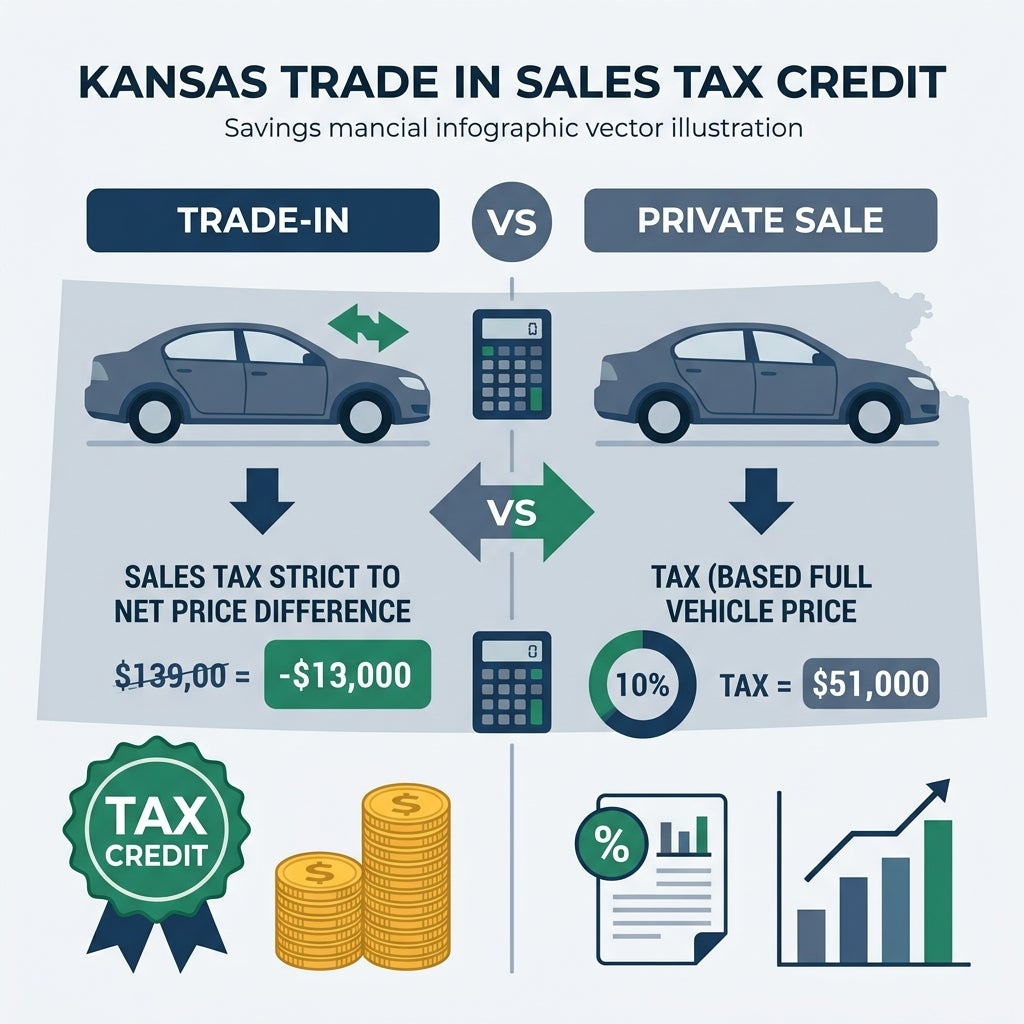

How Vehicle Condition Directly Impacts Your Trade-In Value: Key Takeaways When you decide to upgrade your ride, one fundamental question determines your purchasing power: How does overall condition affect a car's trade-in value? At Valor Ford, we believe in complete transparency throughout the valuation process. The simple truth is that overall vehicle condition directly dictates wholesale appraisal pricing because it establishes the precise reconditioning expenses required to make a car safe, reliable, and ready for retail sale. Every trade-in appraisal evaluates three critical pillars: mechanical health, cosmetic appearance, and certified vehicle history. When these three elements align, your vehicle lands in top valuation tiers, maximizing the trade equity you can apply directly toward a new vehicle purchase or lease. Understanding how appraisers analyze wear and tear empowers you to make smart pre-appraisal decisions. Whether you drive a rugged truck suited for Kansas terrain or an efficient commuter sedan, taking intentional steps to present your vehicle in its best light directly protects your bottom line. How Dealerships Define Car Condition: From Excellent to Rough Tiers Industry-standard valuation guides establish five core condition categories: Excellent, Very Good, Good, Fair, and Poor (or Rough). Many vehicle owners assume their pampered vehicle automatically qualifies as 'Excellent,' but professional appraisals follow stringent criteria. In reality, fewer than 5% of trade-ins meet true 'Excellent' condition standards. An Excellent vehicle looks and drives virtually as if it just rolled off the factory floor, featuring flawless paint, pristine interior upholstery, zero mechanical defects, full matching tire tread depth, and complete documented maintenance records. The vast majority of well-maintained pre-owned vehicles fall into the Very Good or Good tiers. Understanding where your vehicle stands helps set realistic expectations before visiting our appraisal center in Junction City. Condition Tier Percentage of Trade-Ins Mechanical & Physical Standards Typical Reconditioning Needed Excellent < 5% Like-new condition, zero blemishes, matching premium tires, pristine cabin. Minor detailing only. Very Good 25% - 30% Minor cosmetic defects, exceptional mechanical health, clear title & history. Standard oil change, wiper blades, light interior detail. Good 40% - 50% Normal wear for age/mileage, minor dings or scratches, sound mechanicals. New brake pads, fresh tires, paint touch-ups, deep cleaning. Fair 15% - 20% Visible body damage, worn tires, needed mechanical repairs, interior wear. Significant mechanical reconditioning, body panel repairs. Poor / Rough < 5% Severe mechanical problems, frame/structural damage, major body rust. Major overhaul or wholesale auction disposition. Mechanical Function vs. Cosmetic Wear: What Matters Most to Appraisers? When professional appraisers inspect a vehicle, they weigh mechanical integrity far more heavily than superficial visual blemishes. While a minor door ding or stone chip on the bumper is inexpensive to address during standard detailing, mechanical issues require skilled labor and costly OEM parts. Mechanical Safety Issues: An active illuminated Check Engine Light, slipping transmission, worn suspension components, leaking head gaskets, or grinding brake rotors trigger substantial appraisal deductions. Dealerships must fix all safety and performance defects prior to offering a vehicle for retail resale, and those reconditioning costs directly reduce the initial trade-in offer. Cosmetic Blemishes: Minor surface scratches, small parking lot dings, slight seat bolster wear, or light carpet scuffs are considered expected wear for age and mileage. Appraisers factor in basic cosmetic refurbishment as routine operational expenses. However, severe cosmetic neglect—such as torn leather seats, heavy interior smoke odor, cracked dashboards, or deep body dents spanning multiple panels—can push a vehicle down from 'Good' to 'Fair' condition, costing owners thousands in lost equity. How Does Vehicle Mileage Affect Trade-In Value Alongside Condition? The Mileage Benchmark Industry standards calculate average vehicle usage at 12,000 to 15,000 miles per year. Vehicles significantly above this threshold face depreciation adjustments, while lower-mileage vehicles command premium valuations. Condition Trumps Odometer A high-mileage vehicle with flawless maintenance, fresh fluids, clean tires, and spotless interior can easily out-value a low-mileage car suffering from deferred maintenance, oil leaks, and body rust. Component Wear Expectations Appraisers evaluate mileage alongside key maintenance milestones (e.g., timing belt replacement, transmission service, spark plugs). Proving these services protects high-mileage appraisal values. Value Your Trade Online Now What Is the Difference Between Wholesale Trade-In Value and Retail Value? Car owners often research online retail listing prices for similar models and feel surprised when a dealership's trade-in offer is lower. Understanding the structural gap between Wholesale Trade-In Value and Retail Listing Price removes frustration and sets clear expectations. Wholesale Trade-In Value is the immediate cash purchase price a dealership pays to acquire your vehicle as-is. The dealership assumes full financial risk, holding costs, interest expense, and the labor costs required to recondition the car to safety standards. Retail List Price reflects the final sticker price after comprehensive multi-point safety inspections, mechanical repairs, new tires/brakes if required, deep professional detailing, warranty coverage, and retail marketing expenses. At Valor Ford, we transparently break down your vehicle's appraisal report so you see exact reconditioning allowances. You can also explore our Browse Used Inventory page to see how pre-owned vehicles are certified and prepared for sale. Should You Repair Damages Before Trading In or Sell As-Is? High ROI Quick Fixes Low-cost cosmetic tasks yield strong returns: repairing minor windshield chips, restoring foggy headlight lenses, replacing burnt tail bulbs, and thorough interior cabin detailing return far more value than they cost. High-Cost Body Repairs Paying retail rates for major body shop repairs or full panel paint work rarely yields a positive return. Dealerships perform body and paint reconditioning at wholesale internal costs far cheaper than retail customer rates. Routine Service Updates Addressing minor maintenance needs—such as topping off fluids or clear wiper blade replacements—shows careful stewardship. Need assistance? Schedule Ford Service Today with our certified mechanics. Is It Better to Trade In a Vehicle or Sell It Privately? Private Sale Realities Selling a vehicle privately might fetch a slightly higher gross price on paper, but it comes with substantial time investment and personal safety risks. Private sellers must manage online listings, screen tire-kickers, host test drives with strangers, handle payment verification risks (cashier check fraud), and navigate state title transfers independently. For busy military personnel at nearby Fort Riley and local families across Dickinson County, spending weeks coordinating meetings and test drives simply isn't practical. The Valor Ford Advantage Trading in at Valor Ford streamlines everything into a single, effortless appointment. We handle your remaining loan payoff, manage all Kansas DMV title paperwork, and apply your trade equity directly toward your purchase. When you factor in the Kansas trade-in sales tax credit, trading in may offer a strong net financial result with added convenience. Get Pre-Approved for Financing How Does the Trade-In Sales Tax Credit Work in Kansas? One of the largest financial benefits of trading in your car at a dealership in Junction City, KS is the Kansas Trade-In Sales Tax Credit. Under Kansas tax law, when you trade in a vehicle toward the purchase of another, state and local sales tax is assessed ONLY on the net price difference —not the full purchase price of the new vehicle. Real-World Example: Suppose you purchase a new vehicle and your trade-in is appraised at a certain amount. Instead of paying local Kansas sales tax on the full purchase price, you pay tax only on the difference, which may reduce your total tax burden depending on the transaction and local tax rate. When selling privately, you do not receive this state tax offset unless you complete complex tax paperwork within tight state deadlines. Trading in at Valor Ford locks in these savings automatically on your sales agreement. How Service Records and Maintenance Logs Protect Your Vehicle's Worth If condition is king in car appraisal, documentation is its crown. Detailed maintenance logs provide undeniable proof that a vehicle has received consistent, quality care throughout its operational life. When you produce organized service receipts for synthetic oil changes, tire rotations, brake replacements, transmission fluid flushes, and scheduled factory inspections, appraisers can confidently place your car into the top condition tier. Without maintenance records, appraisers must assume potential deferred maintenance, pricing in conservative risk buffers for unseen internal component wear. If you need maintenance before your upcoming appraisal, Schedule Ford Service Today with our certified technician team to ensure your records are up to date. You can also Order Genuine Ford Parts for quick replacement needs. Step-by-Step Checklist for Maximizing Your Trade Value Prior to Appraisal 1. Deep Clean & Presentation Wash the exterior, vacuum all carpets and seats, clean interior glass streak-free, remove all personal items, and clear trash from door pockets and trunk compartments. 2. Gather Key Documentation Assemble all service records, vehicle title (or current lien payoff information), active registration cards, owner manuals, and all original factory key fobs. 3. Perform Basic Touch-Ups Fix minor windshield chips, top off essential fluids, replace dead key fob batteries, and clear any warning lights triggered by minor sensors. Start Your Trade Evaluation Today Regional Factors Affecting Trade Appraisals in Junction City and Dickinson County Vehicle valuations in Central Kansas are influenced by distinct regional driving conditions and buyer preferences. Driving across Flint Hills terrain, rural agricultural routes, and unpaved gravel roads subjects undercarriages to unique environmental wear. Appraisers look specifically for gravel dust accumulation in engine air filters, wheel arch rust from winter road salt, and underbody wear. Vehicles with clean undercarriages and active corrosion protection command premium values locally. Local market demand in Geary and Dickinson counties heavily favors four-wheel-drive (4WD) and all-wheel-drive (AWD) trucks and SUVs. Strong regional demand for dependable utility vehicles helps hold higher resale values for trucks like the Ford F-150 and rugged SUVs. Ready to explore model options suited for Kansas roads? You can Research Ford F-150, explore the versatile Research Ford Maverick, or review heavy-duty capability with Research Ford F-250. Get Your Instant Trade Appraisal at Valor Ford in Junction City Ready to discover exactly what your vehicle is worth in today's active pre-owned market? Valor Ford makes the appraisal process fast, fair, and completely transparent. Use our online Trade In Evaluation tool to receive a preliminary offer in minutes, or visit our dealership in person for an instant, no-obligation inspection. Our team is conveniently located at 1825 Goldenbelt Blvd, Junction City, KS 66441. Get Directions to Valor Ford or Call us at (785) 238-5114 to speak directly with an appraisal specialist today. Interested in upgrading your drive? Check out popular new options like the Shop New Ford Bronco Inventory or Research Ford Explorer. You can also ask about our convenient Schedule Pickup and Delivery Service for service appointments. Get Online Trade Offer