Blog / New Vehicle Reviews

How Many MPG Do Compact SUVs Usually Lose When Going From Front-Wheel Drive to All-Wheel Drive?

How Many MPG Do Compact SUVs Usually Lose When Going From Front-Wheel Drive to All-Wheel Drive?

How Many MPG Do Compact SUVs Usually Lose When Going From Front-Wheel Drive to All-Wheel Drive?

If you are currently evaluating compact crossovers for your daily commute through Junction City or Fort Riley, one of the most critical decisions you will face at the dealership is choosing between Front-Wheel Drive (FWD) and All-Wheel Drive (AWD). On paper, the choice seems straightforward: FWD offers maxed-out fuel economy and a lower initial price tag, while AWD delivers superior traction when Kansas weather turns unpredictable. However, many car buyers struggle to quantify the exact financial and efficiency trade-offs associated with adding all-weather hardware to a light vehicle platform.
To answer the core question directly: modern compact SUVs typically lose between 1 to 3 Miles Per Gallon (MPG) combined when upgrading from FWD to AWD. On highway routes, this penalty is frequently narrowed to 1 to 2 MPG due to advanced driveline disconnect technology, whereas city driving cycles can see losses closer to 2 to 3 MPG due to the extra energy required to accelerate added rotational mass from every stoplight along Goldenbelt Blvd or Grant Avenue.
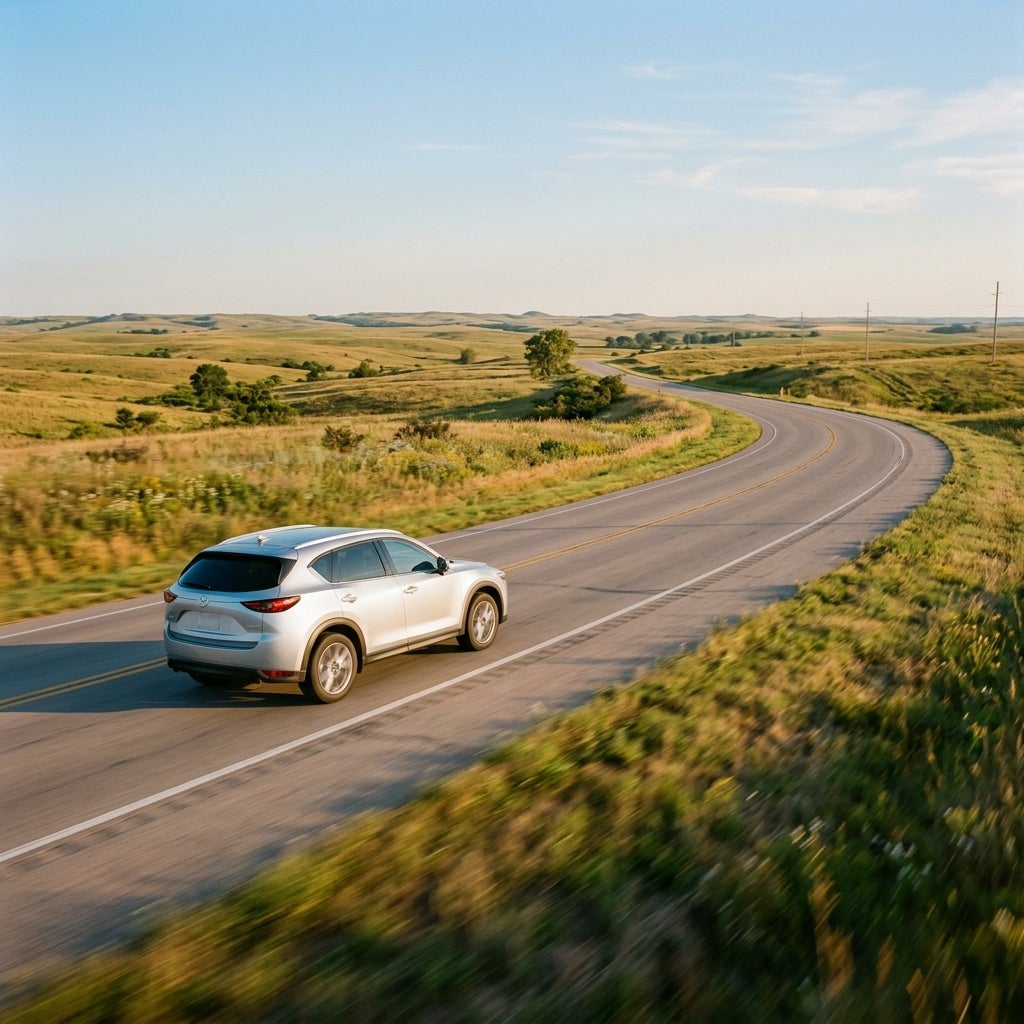
Silver SUV driving along a winding asphalt road through scenic rolling green hills. (Representative image for illustration purposes only. Actual vehicle may vary based on trim and configuration.)
While a 1 to 3 MPG difference might seem negligible during a short test drive, it accumulates into meaningful operational costs over several years of ownership. For active duty military members commuting daily between Fort Riley and neighboring towns, or families navigating I-70 into Manhattan or Salina, understanding where those fuel drops occur is essential. Whether you choose to Browse Used Inventory or look into brand-new models, balancing efficiency with traction ensures you purchase a vehicle perfectly suited to your lifestyle and budget. You can always Call us at (785) 238-5114 to discuss real-world efficiency figures with our team at Valor Ford.

What Is the Fuel-Economy Difference Between 2WD and AWD Compact SUVs According to EPA Ratings?

Official Environmental Protection Agency (EPA) laboratory testing provides a standardized benchmark for comparing front-wheel drive (often designated as 2WD in EPA databases) against all-wheel drive variants of the same vehicle. Across mainstream compact SUVs—such as the Ford Escape, Toyota RAV4, Honda CR-V, and Subaru Forester—the rating delta remains remarkably consistent across model years.
In non-hybrid gas-powered models, an FWD compact SUV typically achieves an EPA rating around 27–28 MPG City / 33–34 MPG Highway / 30 MPG Combined. When that exact same engine and transmission package is paired with an AWD system, the numbers drop to roughly 25–26 MPG City / 31–32 MPG Highway / 28 MPG Combined. This reflects a precise loss of 2 MPG across city driving cycles and 2 MPG on the open highway.
Hybrid compact SUVs showcase an even more interesting dynamic. Because many modern AWD hybrid crossovers use an independent electric motor mounted directly to the rear axle—eliminating the physical driveshaft running from front to back—the fuel economy penalty is compressed even further, often resulting in just a 1 MPG combined variance or even identical city ratings.
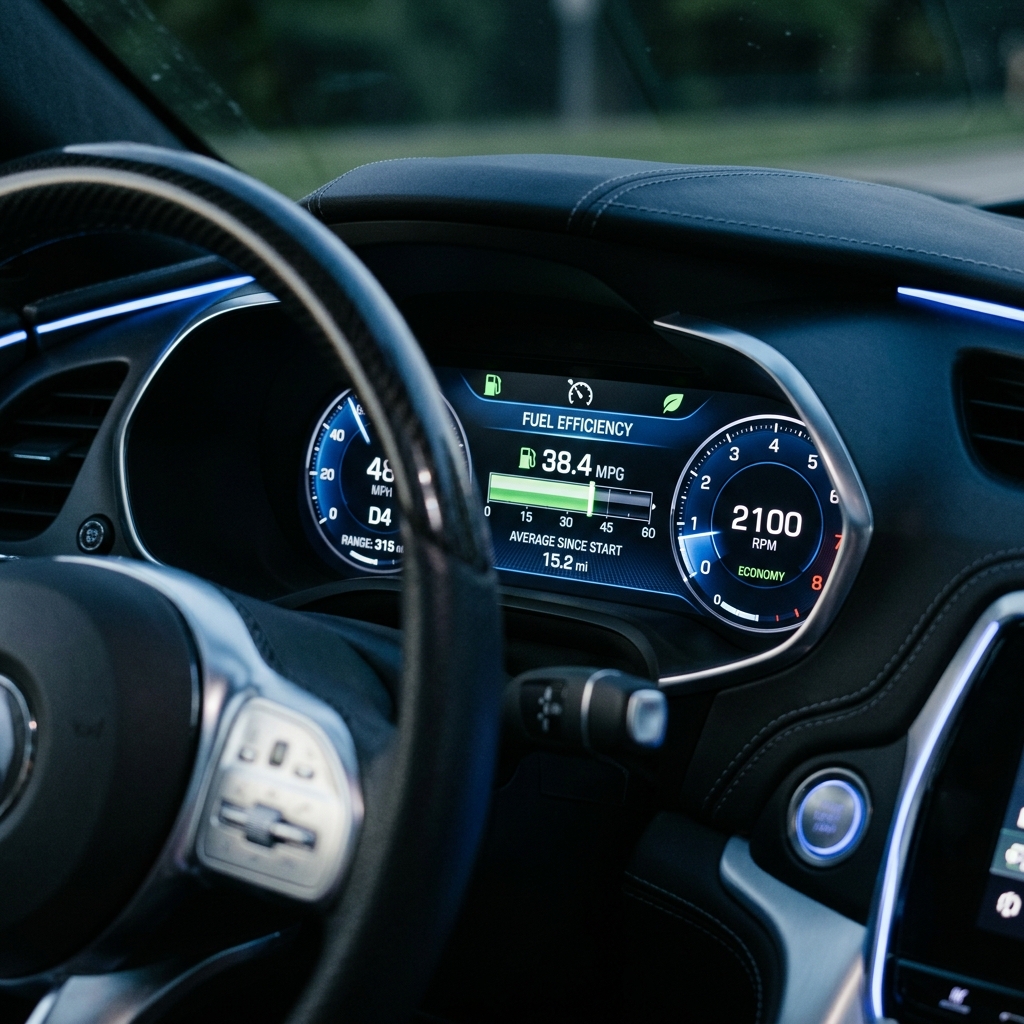
Modern car digital dashboard display showing speed, fuel efficiency of 38.4 MPG, and engine RPM. (Representative image for illustration purposes only. Actual vehicle may vary based on trim and configuration.)
When evaluating official EPA figures during your research, keep in mind that testing occurs in controlled laboratory conditions on chassis dynamometers at 72°F. Real-world conditions around Dickinson and Geary counties—such as head winds across prairie hills, winter temperature dips, and aggressive acceleration—can amplify the gap between 2WD and AWD models.

Vehicle Segment & Drivetrain

EPA City MPG

EPA Highway MPG

EPA Combined MPG

Estimated Annual Fuel Cost (15k mi)

Compact SUV Gas (FWD)

28 MPG

34 MPG

30 MPG

$1,750

Compact SUV Gas (AWD)

26 MPG

31 MPG

28 MPG

$1,875

Compact SUV Hybrid (FWD)

42 MPG

36 MPG

39 MPG

$1,345

Compact SUV Hybrid (AWD)

41 MPG

35 MPG

38 MPG

$1,380

How Does the Added Weight and Mechanical Drag of AWD Hardware Reduce MPG on Compact SUVs?

To understand why an all-wheel drive compact crossover consumes more fuel than its two-wheel drive counterpart, it helps to examine the mechanical engineering beneath the unibody chassis. The fuel economy penalty stems from two main physics principles: curb weight mass penalty and parasitic mechanical drag.
In a standard front-wheel drive crossover, the engine, transmission, and differential are all integrated into a compact transaxle positioned directly between the front wheels. Power travels over a very short physical distance directly to the front CV shafts. This minimalist layout minimizes friction and keeps vehicle weight low.
When an engineer adds AWD capability to that same compact platform, several heavy mechanical components must be integrated into the vehicle architecture: a Power Transfer Unit (PTU) bolted to the front transaxle, a multi-piece steel or aluminum propeller driveshaft spanning the entire length of the underbody, a rear differential assembly suspended near the gas tank, electro-hydraulic rear coupling clutches, and two additional rear axle drive shafts.
Collectively, this extra machinery adds 150 to 250 pounds of static curb weight to a vehicle that may only weigh 3,300 to 3,600 pounds to begin with. Accelerating an extra 200 pounds from every complete stop requires your four-cylinder engine to burn additional fuel, directly explaining why city mileage suffers more than highway mileage.
Beyond simple gravity and static weight, rotational inertia and viscous gear fluid drag play a massive role. Even when rear wheels are not actively receiving torque, the rear axles, gears, and central driveshaft are spun by the rolling tires. Splashing thick gear oil inside the differential housing creates constant parasitic drag that forces the engine to work harder just to maintain cruise speed.
If you are interested in exploring how different drivetrains feel under acceleration, take a look at our broader Ford lineup. You can Research Ford Explorer or Research Ford Maverick options to see how variable torque distribution functions across different vehicle classes.

Modern AWD vs. Older Systems: How Disconnect Technology Shrinks the Fuel Economy Gap

Legacy Full-Time Systems

Vehicles produced prior to 2015 often utilized continuous mechanical or viscous-coupling AWD systems that kept the main driveshaft constantly spinning regardless of road surface conditions. These legacy setups suffered a steep 3 to 5 MPG penalty, keeping the drivetrain in a perpetual state of drag whether cruising down sunny asphalt or clawing through deep mud.

Intelligent AWD Disconnect

Modern crossovers, including the Ford Escape and Edge, employ electronic All-Wheel Drive Disconnect technology. High-speed sensors monitor steering angle, wheel speed, windshield wiper activity, and outside temperature. When optimal traction is detected, the front Power Transfer Unit completely uncouples the driveshaft within milliseconds, converting the vehicle into a true FWD cruiser.

E-AWD Electric Axles

The newest generation of compact hybrid crossovers features Electric All-Wheel Drive (E-AWD). By placing a dedicated electric motor directly on the rear axle, the vehicle entirely eliminates physical driveshafts and transfer cases. Rear wheels engage instantly via electronic signals only when extra thrust or slip reduction is needed, virtually eliminating mechanical drag.

Does All-Wheel Drive Significantly Lower Fuel Economy on Compact Pre-Owned SUVs?

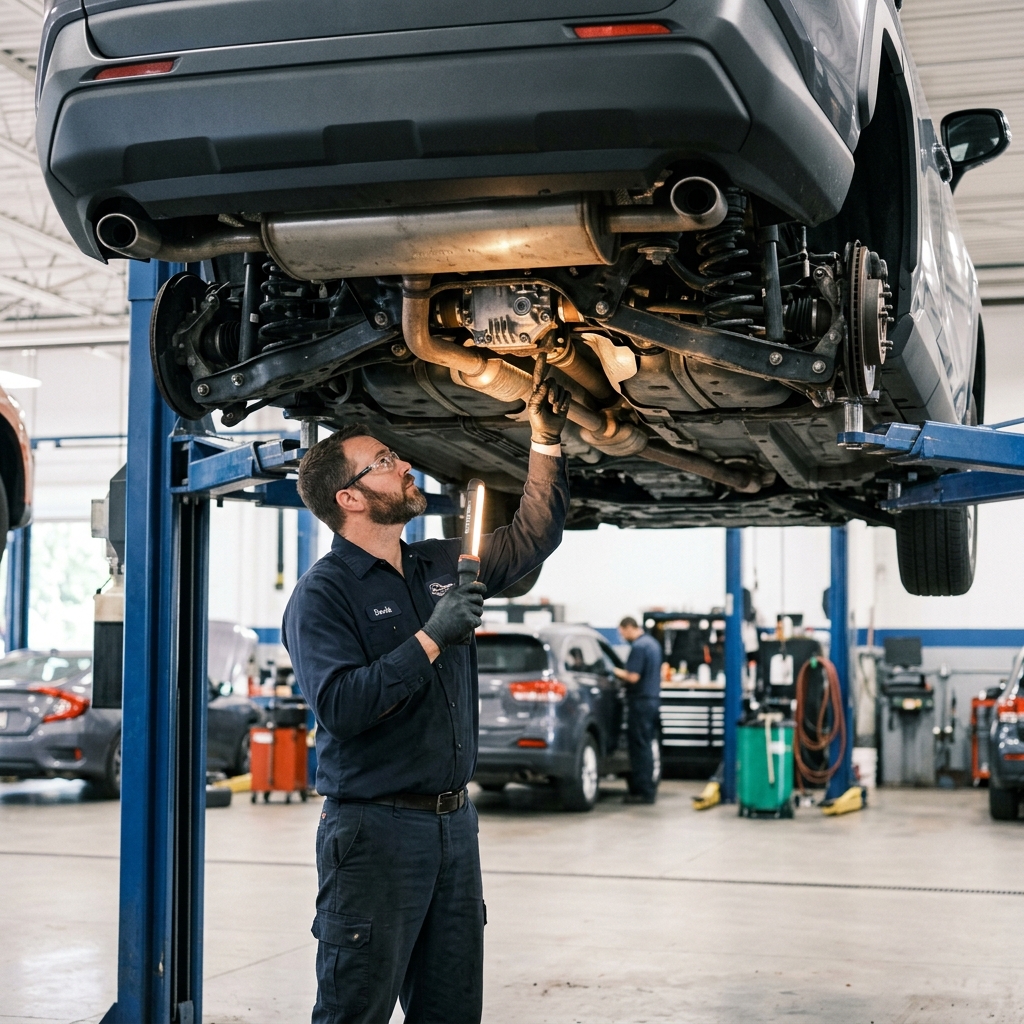
A mechanic holding a work light points to the undercarriage of a car raised on a hydraulic lift in a repair shop. (Representative image for illustration purposes only. Actual vehicle may vary based on trim and configuration.)
When shopping for a pre-owned crossover, the age and mechanical health of the driveline can noticeably expand the gap between FWD and AWD efficiency. While a brand-new AWD compact SUV might only lose 1 to 2 MPG on the highway, an older 8- to 12-year-old vehicle might experience a loss of 3 to 4 MPG compared to its original window sticker ratings.
Why does this happen on used vehicles? Over time, driveline fluids inside transfer cases and rear differentials degrade, breaking down under thermal stress and becoming thicker or contaminated with microscopic metal particles. This degraded gear oil increases internal viscous resistance. Furthermore, worn wheel bearings, sticky brake calipers, and aging viscous couplers that fail to fully disengage can keep the rear driveline under constant drag.
Another common factor on used crossovers is mismatched tire wear. If a previous owner replaced only two tires instead of all four, slight outer diameter variations force the AWD center clutch to constantly slip and fight the difference, degrading both mileage and component life. At Valor Ford, our certified technicians inspect every driveline component during our reconditioning process. You can feel confident when you Browse Used Inventory on our lot.

What Are the Main Driving Benefits of AWD on Compact SUVs That Might Justify the Lower Fuel Economy?

Severe Weather Confidence

Central Kansas winters regularly bring sudden ice storms, freezing rain, and heavy snowfall across I-70 and US-77. When pulling out onto icy intersections near Fort Riley or climbing unplowed hills in Junction City, AWD instantly channels engine torque to wheels with traction, preventing wheelspin and keeping you moving safely.

Gravel & Rural Stability

Driving on unpaved county roads in Dickinson or Geary County presents unique traction challenges. Loose gravel and mud can make FWD vehicles feel skittish. AWD continuously balances power front-to-back, reducing stability control interventions and giving drivers confident control around country curves or near Milford Lake recreation areas.

Resale Value Retention

In Midwestern automotive markets, all-wheel drive models consistently command higher resale and trade-in values compared to identical FWD trims. The upfront cost and minor fuel penalty are often largely recouped when it comes time to complete a Trade In Evaluation down the road.
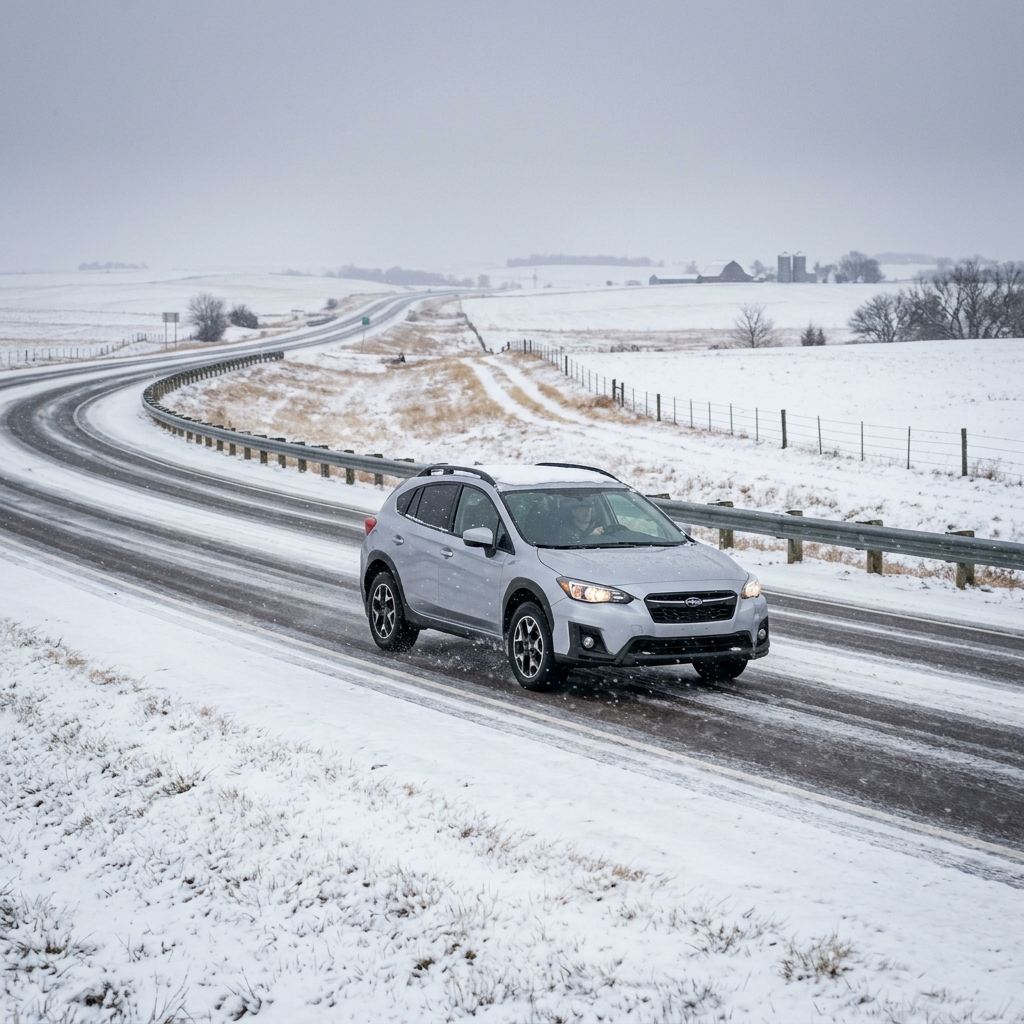
Silver Subaru Crosstrek driving on a winding, snow-covered rural road during winter. (Representative image for illustration purposes only. Actual vehicle may vary based on trim and configuration.)

What Should Buyers Consider When Deciding Whether a Used AWD Compact SUV’s Lower MPG Is Acceptable?

Deciding whether the 1 to 3 MPG compromise is acceptable comes down to mathematical analysis rather than emotional guesswork. To evaluate the true annual impact on your pocketbook, calculate your expected annual mileage and compare the dollar difference at current pump prices.
For example, if you drive 12,000 miles per year and gas costs $3.25 per gallon: • An FWD crossover averaging 30 MPG consumes 400 gallons annually ($1,300 total). • An AWD crossover averaging 28 MPG consumes 428.5 gallons annually ($1,392 total). The total difference is just $92 per year. For most drivers near Fort Riley, spending $8 a month for all-weather traction and peace of mind during winter blizzards is an easy decision.
However, if your annual commute exceeds 25,000 miles almost exclusively on clear, flat highways, that fuel gap widens over time. Additionally, consider tire maintenance: AWD systems require all four tires to maintain equal tread depth to prevent driveline strain, meaning replacing a single unrepairable tire often requires purchasing a full set of four.
Before making your final choice, contact our finance department for current payment and financing options. You can easily Get Pre-Approved for Financing online or start your paperwork with our finance department at Valor Ford.

What Routine Maintenance Improves MPG on an Older AWD Vehicle?

Differential & PTU Fluids

Replacing old, degraded gear fluid in your Power Transfer Unit and rear differential every 30,000 to 50,000 miles dramatically reduces internal mechanical friction. Clean synthetic gear lube flows smoothly and allows gears to mesh with minimal power loss.

Tire Pressures & Rotation

Underinflated tires increase rolling resistance exponentially on AWD vehicles. Maintaining factory PSI settings and rotating tires every 5,000 to 7,500 miles ensures uniform wear, preventing the central AWD coupling from working unnecessarily.

Four-Wheel Alignments

A misaligned rear suspension forces the tires to scrub sideways down the road, creating massive rolling drag. A precision four-wheel alignment restores proper toe and camber angles, reclaiming up to 1 to 2 lost MPG on highway stretches.
Keeping your pre-owned crossover running in top condition is easy with factory-trained technicians. You can easily Schedule Ford Service Today or take advantage of our valet options and Schedule Pickup and Delivery Service directly to your home or office.

Real-World Fuel Expenses for Junction City and Fort Riley Commuters

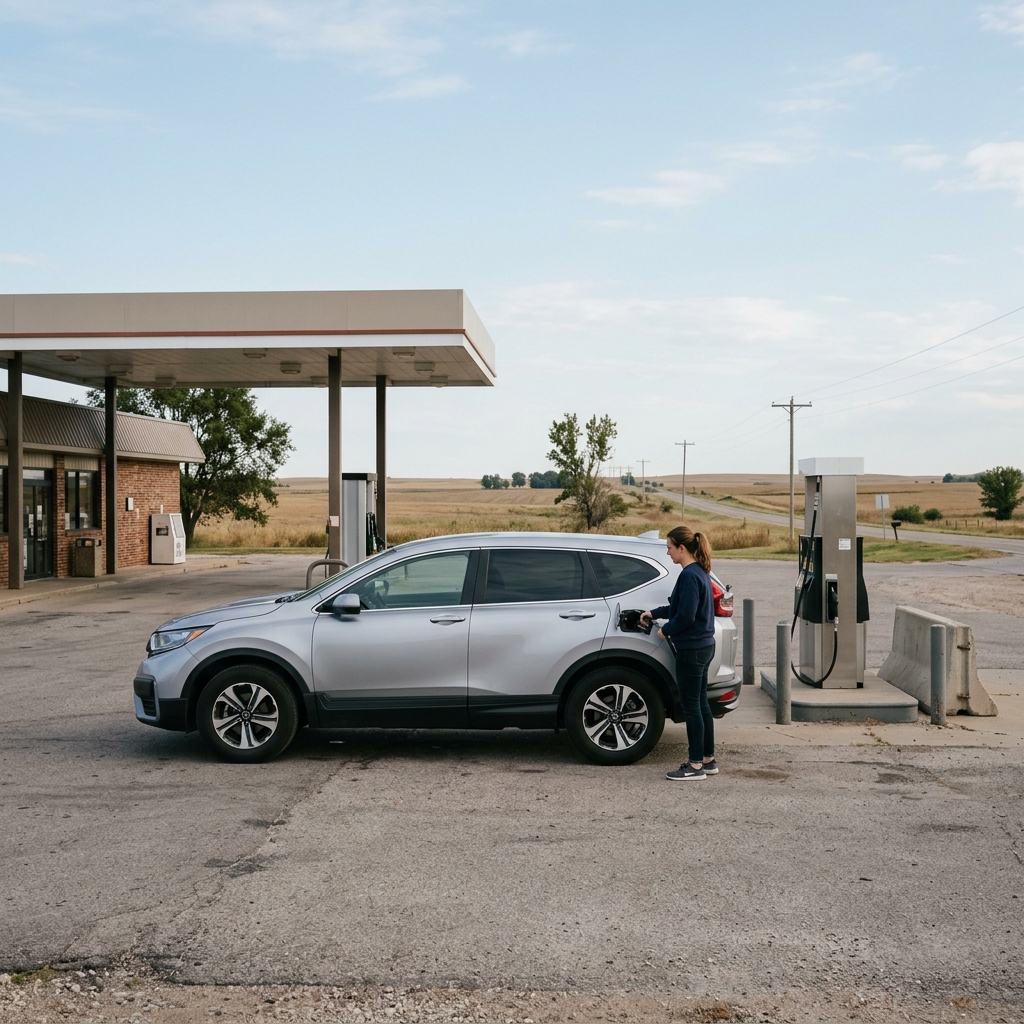
A woman connects a charging plug to a silver SUV at a quiet rural roadside station. (Representative image for illustration purposes only. Actual vehicle may vary based on trim and configuration.)
To ground these fuel economy metrics in local geography, let us look at common commuting routes around Geary County. A typical service member living in Junction City and working at main post Fort Riley covers approximately 20 miles round-trip per day. Over a standard 250-day work year, that base commute totals 5,000 miles.
Adding weekend errands along K-18 into Manhattan or trips down I-70 to Abilene brings average annual usage to 14,000 miles per year. At an average fuel price of $3.30 per gallon, here is how the numbers break down across popular vehicle choices:
• Gas FWD Compact SUV (30 MPG combined): 467 gallons = $1,540/year • Gas AWD Compact SUV (28 MPG combined): 500 gallons = $1,650/year • Hybrid AWD Compact SUV (38 MPG combined): 368 gallons = $1,215/year As the data demonstrates, upgrading from a gas FWD model to a gas AWD model costs roughly $110 extra per year in fuel ($9.16 per month). However, transitioning to a hybrid AWD compact crossover changes your total fuel cost compared to a gas FWD model.

How Tire Selection and Driving Habits Impact Compact SUV Fuel Mileage Beyond Drivetrain Choice

Aggressive All-Terrain Tires

Swapping smooth low-rolling-resistance highway tires for aggressive off-road or all-terrain rubber can decrease fuel economy by 2 to 4 MPG—far exceeding the 1 to 2 MPG penalty of the AWD mechanical system itself! Heavy tread blocks increase aerodynamic drag and rotational weight.

Roof Racks & Accessories

Mounting cargo boxes, kayak carriers, or empty crossbars on your compact SUV roof disrupts smooth airflow. At 70 MPH along I-70, a roof box reduces efficiency by 2 to 5 MPG. Removing empty accessories when not in use immediately restores your highway mileage.

Speed & Acceleration Habits

Aerodynamic resistance increases exponentially above 65 MPH. Cruising at 75 MPH requires up to 15% more fuel than driving at 65 MPH. Smooth, gradual throttle applications allow your transmission to shift early into overdrive gears, maximizing efficiency regardless of drivetrain.
Looking to upgrade your crossover with factory-approved accessories or efficient OEM tire options? You can easily Order Genuine Ford Parts directly through our dealership.

Maintaining AWD Drivetrain Health at Valor Ford in Junction City

At Valor Ford, we take pride in serving drivers throughout Junction City, Fort Riley, Abilene, and Manhattan. Whether you drive a compact Ford Escape AWD, a rugged Shop New Ford Bronco Inventory model, or a heavy-duty truck like those in our Research Ford F-250 and Research Ford F-250 guides, our factory-certified service center has the specialized tools and expertise needed to maintain peak driveline efficiency.
Our service department offers comprehensive multi-point inspections, fluid analysis, computer diagnostic scans for intelligent AWD modules, and precision laser wheel alignments. We ensure your vehicle delivers maximum fuel efficiency without compromising all-weather safety.
Visiting our dealership is simple and convenient. You can click here to Get Directions to Valor Ford located at 1825 Goldenbelt Blvd in Junction City, KS.
Logo for Valor Automotive featuring a silver shield with red 'V' and white 'A' monogram inside, over a blue background.

Find Your Ideal FWD or AWD Compact SUV at Valor Ford Today

Now that you understand the real-world fuel economy differences between front-wheel drive and all-wheel drive compact SUVs—ranging from a minor 1 to 3 MPG penalty on gas models down to virtually zero penalty on modern hybrid platforms—it is time to test drive both configurations for yourself!
Our friendly sales specialists at Valor Ford are dedicated to helping you find the vehicle that balances your fuel budget with the winter traction required for Kansas highways. If you are comparing different vehicle segments, take time to Research Ford Mustang models or check our work truck section with Research Ford F-150 resources before finalizing your decision.

Posted in:

Related Posts

What You Should Know About the 2023 Ford Mustang Engines and Transmissions

What You Should Know About the 2023 Ford Mustang Engines and Transmissions

What You Should Know About the 2023 Ford Mustang Engines and Transmissions ## What Transmission Choices Come with the 2023 Ford Mustang Engines? The 2023 Ford Mustang pairs its powerplants with two core transmission options across the lineup: a standard Getrag 6-speed manual transmission and an optional 10-speed SelectShift automatic with paddle shifters. Drivers opting for the track-ready Mustang Mach 1 receive a heavy-duty TREMEC 6-speed manual transmission featuring rev-matching capability as standard equipment, though the 10-speed automatic remains available as an option across both the 2.3L EcoBoost inline-four and 5.0L V8 engine architectures. Working in our service bay at Valor Ford, I see how these gearbox choices directly shape the daily driving experience. The standard Getrag 6-speed manual on the EcoBoost Coupe and GT Fastback uses a dual-mass flywheel and twin-disc clutch to handle high-rpm power delivery while keeping pedal effort manageable. For enthusiasts seeking maximum mechanical precision, the TREMEC TR-3160 6-speed manual in the Mach 1 upgrades to hardened internal gears, a specialized oil cooler, and aggressive shift linkage that delivers crisp engagement under heavy load. The optional 10-speed SelectShift automatic uses real-time adaptive shift algorithms to keep either engine inside its optimal power band. With wide ratio progression and high-speed drag-reduction clutches, the automatic optimizes gear selection for rapid acceleration or relaxed highway cruising. Drivers looking to evaluate these drivetrains in person can visit our Junction City location or give our service desk a quick call to discuss factory maintenance schedules. Table of Contents How Do the 2.3L EcoBoost and 5.0L V8 Engines Compare in Performance? How Fast Is the 2023 Ford Mustang GT 0 to 60 mph and What Is the Mach 1 Top Speed? Does the 10-Speed Automatic Improve 2023 Mustang Fuel Economy and Range? How Much Did the 2023 Ford Mustang Cost When New by Trim and Transmission Option? Which 2023 Mustang Trims Offer the Best Standard Tech Features and Maintenance Upgrades? How Do the 2.3L EcoBoost and 5.0L V8 Engines Compare in Performance? The 2.3L EcoBoost turbocharged four-cylinder engine generates 310 hp and 350 lb-ft of torque, whereas the naturally aspirated 5.0L V8 produces 460 hp and 420 lb-ft of torque in standard GT models and 480 hp and 420 lb-ft of torque in the performance-focused Mach 1. Both powerplants send power strictly through rear-wheel drive and rely on distinct mechanical engineering philosophies to deliver sports car performance. The 2.3L EcoBoost utilizes a twin-scroll turbocharger, direct fuel injection, and twin independent variable camshaft timing to build boost low in the rev range. Peak torque arrives at 3,000 rpm, delivering punchy off-the-line response and passing power without requiring high engine speeds. Because the aluminum four-cylinder engine places less weight over the front axle, EcoBoost Coupe and EcoBoost Convertible models offer nimble turn-in response and balanced handling through sweeping back-road turns. The 5.0L V8 Coyote engine employs dual-overhead camshafts, 32 valves, and a dual-fuel injection system that combines high-pressure direct injection with low-pressure port injection. This dual-stage delivery maintains clean combustion at idle and max fuel delivery near its high 7,500-rpm redline. In the Mach 1 trim, Ford engineers integrated the intake manifold, oil cooler adapter, and engine oil cooler from the Shelby GT500 to increase cooling capacity by 50 percent. Buyers researching pre-owned performance cars can explore our pre-owned vehicle inventory to compare available engine configurations. ### Engine & Performance *Powertrain specs by trim* Feature EcoBoost Convertible EcoBoost Coupe EcoBoost Coupe Premium EcoBoost Premium Convertible:--:--:--:--:-- Engine 2.3L 2.3L 2.3L 2.3L Horsepower 310 hp 310 hp 310 hp 310 hp Torque 350 lb-ft 350 lb-ft 350 lb-ft 350 lb-ft Transmission manual 6-speed manual 6-speed manual 6-speed manual 6-speed Drivetrain Rear-wheel drive Rear-wheel drive Rear-wheel drive Rear-wheel drive Engine & Performance (continued) Feature GT Convertible Premium GT Coupe GT Coupe Premium Mach 1:--:--:--:--:-- Engine 5L 5L 5L 5L Horsepower 460 hp 460 hp 460 hp 480 hp Torque 420 lb-ft 420 lb-ft 420 lb-ft 420 lb-ft Transmission manual 6-speed manual 6-speed manual 6-speed TREMEC® Drivetrain Rear-wheel drive Rear-wheel drive Rear-wheel drive Rear-wheel drive How Fast Is the 2023 Ford Mustang GT 0 to 60 mph and What Is the Mach 1 Top Speed? A 2023 Ford Mustang GT equipped with the 10-speed automatic transmission accelerates from 0 to 60 mph in approximately 3.8 to 4.0 seconds, while the track-tuned Mustang Mach 1 achieves an electronically limited top speed of 168 mph. Manual-transmission GT Fastback models execute the 0 to 60 mph sprint in approximately 4.2 to 4.4 seconds depending on tire compound and launch conditions. Gains in straight-line acceleration with the 10-speed transmission stem from its tight gear steps and optimized torque converter lockup curves. When switched into Drag Strip mode, the transmission keeps the engine operating at peak horsepower during upshifts without interrupting power flow to the rear wheels. The GT Performance Package further enhances acceleration metrics by adding 15-inch front brake rotors with six-piston Brembo calipers, a Torsen helical differential with a 3.73 axle ratio, and staggered Michelin Pilot Sport 4S summer tires. When drivers ask our shop team about top-speed stability, I highlight the aerodynamic functional enhancements built into the Mach 1. Featuring a belly pan that extends 20 inches further rearward than a standard GT, the underbody smoothing increases downforce and cooling airflow across the rear differential. Drivers planning an upgrade can read through our Ford Mustang research overview and value your trade-in before scheduling an inspection. Does the 10-Speed Automatic Improve 2023 Mustang Fuel Economy and Range? The 10-speed SelectShift automatic transmission improves highway fuel economy on 2.3L EcoBoost models by maintaining low engine revs at cruising speeds, reaching an EPA rating of 20 mpg city / 28 mpg highway and 22 mpg combined. The 5.0L V8 powered Mustang GT achieves EPA ratings of 15 mpg city / 24 mpg highway with the automatic transmission, matching the efficiency numbers of the 6-speed manual configuration while providing taller overdrive gears for open highway cruising. Fuel tank capacity varies slightly across the body and engine configurations to balance vehicle weight and rear axle clearance. EcoBoost Coupe and EcoBoost Convertible models feature a 15.5-gallon fuel tank, providing an estimated highway driving range of over 430 miles per fill-up under optimal conditions. The higher-displacement Mustang GT and Mach 1 trims feature a slightly larger 16.0-gallon fuel tank to offset higher fuel consumption during performance driving. The wide gear ratio spread of the 10-speed transmission allows ninth and tenth gears to act as deep overdrive ratios. At 70 mph, the transmission holds engine speeds near 1,600 rpm on EcoBoost models, reducing mechanical friction and parasitic pumping losses. Shoppers budgeting for an efficient daily performance car can contact our team for current financing information to streamline their vehicle evaluation. ### Fuel Economy *Fuel economy and range by trim* Feature EcoBoost Convertible EcoBoost Coupe EcoBoost Coupe Premium EcoBoost Premium Convertible:--:--:--:--:-- MPG 20 city / 27 hwy / 23 combined 21 city / 29 hwy / 24 combined 21 city / 29 hwy / 24 combined 20 city / 27 hwy / 23 combined Fuel Economy (continued) Feature GT Convertible Premium GT Coupe GT Coupe Premium Mach 1:--:--:--:--:-- MPG 15 city / 23 hwy / 18 combined 15 city / 24 hwy / 18 combined 15 city / 24 hwy / 18 combined 14 city / 22 hwy / 17 combined How Much Did the 2023 Ford Mustang Cost When New by Trim and Transmission Option? When new, original base MSRP figures for the 2023 model year started at $27,770 for the EcoBoost Coupe, $32,795 for the EcoBoost Coupe Premium, $33,270 for the EcoBoost Convertible, and $38,295 for the EcoBoost Premium Convertible. V8-powered variants started at $38,345 for the GT Coupe, $43,365 for the GT Coupe Premium, $48,865 for the GT Convertible Premium, and $55,570 for the Mach 1, with every trim requiring an additional $1,395 destination charge. Selecting the optional 10-speed SelectShift automatic transmission added $1,595 to the base MSRP on EcoBoost and GT trims. Upgrading from a standard EcoBoost Coupe to the 2.3L High Performance Package added $6,150, incorporating a 330-hp engine tune, larger sway bars, a strut-tower brace, a 3.55 Torsen limited-slip rear axle, and upgraded front brakes shared with the GT model. Vehicle depreciation trends show that secondary market values vary according to trim options, service records, and gearboxes. Performance-focused packages like the Mach 1 and GT Performance Package preserve higher resale valuation due to their specialized cooling, suspension, and braking upgrades. Enthusiasts exploring sports cars or browsing our new Ford lineup can also order genuine Ford parts directly through our service desk to keep their vehicles running at peak performance. ### Pricing *Pricing by trim* Feature EcoBoost Convertible EcoBoost Coupe EcoBoost Coupe Premium EcoBoost Premium Convertible:--:--:--:--:-- Base MSRP $33,270 $27,770 $32,795 $38,295 Destination charge $1,395 $1,395 $1,395 $1,395 Pricing (continued) Feature GT Convertible Premium GT Coupe GT Coupe Premium Mach 1:--:--:--:--:-- Base MSRP $48,865 $38,345 $43,365 $55,570 Destination charge $1,395 $1,395 $1,395 $1,395 Which 2023 Mustang Trims Offer the Best Standard Tech Features and Maintenance Upgrades? The EcoBoost Premium and GT Premium trims offer the best standard technology features in the lineup, upgrading the base 4.2-inch central display to an 8-inch SYNC 3 touchscreen system featuring Apple CarPlay, Android Auto, and voice-activated navigation. Premium trims and the Mach 1 also offer an available 12-inch customizable digital instrument cluster that changes display graphics based on Normal, Sport, or Track drive modes. Every 2023 Mustang comes standard with the Ford Co-Pilot360 suite of driver-assist technologies, including Pre-Collision Assist with Automatic Emergency Braking, Blind Spot Information System with Cross-Traffic Alert, Lane-Keeping System, and auto high-beam headlamps. Standard mechanical hardware across the lineup includes a rear limited-slip differential, independent rear suspension, and electric power-assisted steering with selectable effort modes (Comfort, Normal, and Sport). From a maintenance perspective, keeping these high-strung engines and advanced gearboxes operating reliably requires adherence to factory service schedules. Automatic transmission fluid inspections, differential fluid changes, and regular synthetic oil services protect internal components against thermal breakdown during intense summer driving. Commuters near Fort Riley and surrounding areas can maintain their vehicle's factory durability by visiting our dealership address, giving us a call, or taking a moment to schedule a service appointment with our certified technicians. © 2026 Valor Ford. All rights reserved. Vehicle specification data © JATO Dynamics Limited.

What Factory Warranty Coverage Comes Standard on a New Ford Ranger XLT?

What Factory Warranty Coverage Comes Standard on a New Ford Ranger XLT?

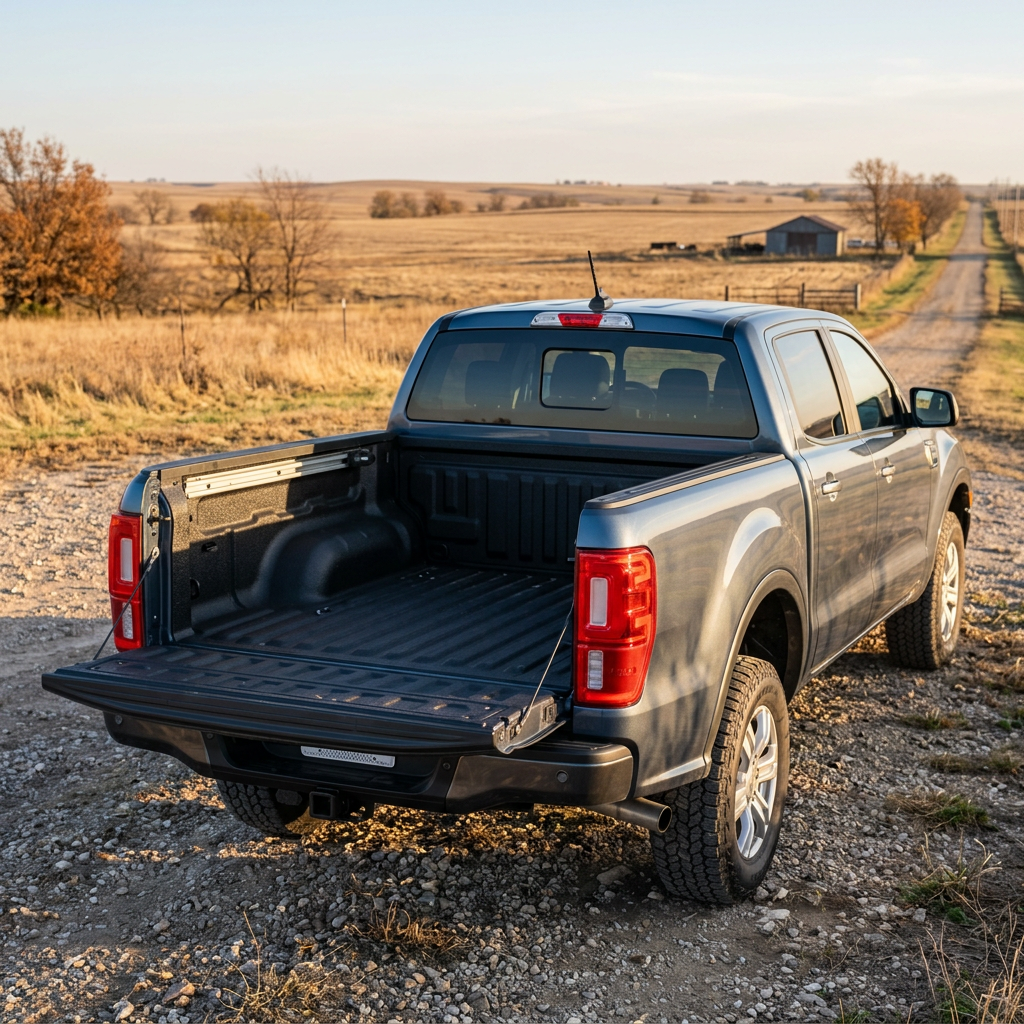
What Factory Warranty Coverage Comes Standard on a New Ford Ranger XLT? When you buy a brand-new Ford Ranger XLT, you aren't just driving away in one of the most capable midsize pickup trucks on the market—you are securing comprehensive, multi-tiered protection directly from Ford Motor Company. Factory warranty coverage provides complete confidence for your daily commute, heavy hauling, and off-road adventures. Every single new Ford Ranger XLT rolling off the assembly line comes standard with a robust suite of factory-backed warranties designed to protect your investment against unexpected mechanical defects or component failures. The core foundation of your standard protection begins with a 3-year / 36,000-mile Bumper-to-Bumper Limited Warranty, which covers virtually every component from front fascia to tailgate against manufacturing defects. Complementing this short-term total coverage is Ford's 5-year / 60,000-mile Powertrain Limited Warranty, safeguarding the vital mechanical heart of your truck including the EcoBoost engine, 10-speed automatic transmission, and 4x4 drivetrains. In addition, Ford includes 5 years or 60,000 miles of 24/7 Roadside Assistance, a 5-year / unlimited-mile Corrosion Perforation Warranty, and specialized 8-year / 80,000-mile Safety Restraint and Federal Emissions Defect coverage. At Valor Ford in Junction City, KS, we believe in complete transparency so you can maximize every mile under factory protection. Coverage Type Time Duration Mileage Limit Primary Covered Systems Bumper-to-Bumper Limited 3 Years 36,000 Miles SYNC 4A, electrical switches, HVAC, trim, power windows, sensors Powertrain Limited Warranty 5 Years 60,000 Miles EcoBoost Engine block, turbocharger, 10-speed transmission, 4x4 axles 24/7 Roadside Assistance 5 Years 60,000 Miles Towing, flat tire changes, fuel delivery, battery jump-starts, lockouts Corrosion Perforation 5 Years Unlimited Miles Sheet metal body panels against rust-through perforation Safety Restraints & Emissions 8 Years 80,000 Miles Airbags, seatbelt modules, catalytic converter, engine control unit (ECU) Bumper-to-Bumper vs. Powertrain: Detailed Factory Coverage Breakdown for Ranger Drivers 3-Year/36,000-Mile Bumper-to-Bumper Coverage The Bumper-to-Bumper Limited Warranty serves as your primary umbrella during the first three years of ownership. It covers almost every factory-installed part on your Ranger XLT against manufacturing workmanship or material flaws. If an electronic module, sensor, or trim piece malfunctions under normal driving conditions, Ford covers 100% of parts and labor costs. Key components protected under Bumper-to-Bumper include: • Infotainment & Technology: The SYNC 4A touchscreen, digital gauge cluster, wireless Apple CarPlay, Android Auto, Bluetooth modules, and audio hardware. • Electrical System: Wiring harnesses, alternator, power window switches, power door locks, body control modules, and LED exterior lighting assemblies. • Climate Control: Dual-zone automatic climate control system, air conditioning compressor, heater core, blower motor, and HVAC blend doors. • Interior Comfort & Body Trim: Seat frames, power adjusters, dashboard materials, interior handles, weatherstripping, exterior door handles, and factory paint finishes against original defects. 5-Year/60,000-Mile Powertrain Warranty Protection The Powertrain Limited Warranty takes over heavy-duty mechanical protection, keeping your truck's propulsion components covered for up to 5 years or 60,000 miles. Because powertrain replacements are among the costliest auto repairs, this warranty provides deep financial security. Key mechanical systems protected under Powertrain include: • EcoBoost Engine Assembly: Engine block, cylinder heads, internal lubricated parts, pistons, connecting rods, camshafts, oil pump, water pump, intake/exhaust manifolds, and turbocharger components. • 10-Speed Transmission: Transmission case, internal gears, torque converter, valve body, clutch packs, solenoid controls, and transmission control module (TCM). • Drivetrain & 4x4 Components: Front and rear axles, drive shafts, universal joints, electronic locking rear differential, transfer case, internal 4x4 gears, and hub locking mechanisms. Roadside Assistance, Corrosion Protection, and Safety Restraint Coverage Included with the Ranger XLT 24/7 Roadside Assistance Ford's Roadside Assistance accompanies you 24 hours a day, 365 days a year across all 50 states. Standard for 5 years or 60,000 miles, this service includes complementary towing to the nearest authorized dealership like Valor Ford, flat tire changes, battery jump-starts, lockout assistance, and emergency fuel delivery if you run empty along I-70. Corrosion Perforation Warranty Kansas winter conditions mean road salt, brine, and gravel treatments. Ford protects your Ranger XLT with a 5-year / unlimited-mile Corrosion Perforation Warranty. If sheet metal body panels develop rust-through perforation under normal operation, Ford will repair or replace affected panels completely free of charge. Safety & Federal Emissions Safety restraint systems—including SRS airbags, impact sensors, and seatbelt pretensioners—are covered for 5 years / 60,000 miles. Furthermore, key federal emissions components like the Engine Control Module (ECM) and Catalytic Converter are protected under federal law for 8 years or 80,000 miles against manufacturing defects. Why Fort Riley and Junction City Truck Owners Rely on Ford Factory Protection For service members stationed at Fort Riley and residents across Junction City, reliable transportation is non-negotiable. Whether you are commuting daily along Grant Avenue, hauling gear out to Milford Lake, or embarking on long cross-country highway trips across Kansas, your truck is exposed to rigorous demands. Ford's comprehensive factory warranty provides crucial peace of mind, ensuring that unexpected repairs won't disrupt your daily duty schedule or personal budget. Military families facing temporary duty assignments (TDY) or Permanent Change of Station (PCS) orders appreciate that Ford's factory coverage is fully recognized at any authorized Ford dealership nationwide. If you relocate to another base, your warranty coverage transfers seamlessly without paperwork hassles or transfer fees. Should your truck ever require warranty service while you are deployed or away, family members can comfortably rely on Valor Ford's friendly team in Junction City. Feel free to Get Directions to Valor Ford or Call us at (785) 238-5114 to discuss how we support our local military community. Contact Us About Financing What Engine Options Are Available on the Ford Ranger XLT and How Warranty Applies? Engine Comparison: Standard 2.3L vs Available 2.7L EcoBoost The Ford Ranger XLT offers two potent turbocharged EcoBoost powertrains tailored for midsize pickup performance: • Standard 2.3L EcoBoost I-4: Delivering 270 horsepower and 310 lb-ft of torque, this engine features a twin-scroll turbocharger, direct fuel injection, and high-strength aluminum cylinder heads. It balances daily fuel economy with exceptional low-end towing force. • Available 2.7L EcoBoost V6: Producing a muscular 315 horsepower and 400 lb-ft of torque, this twin-turbocharged V6 uses a compact graphite iron (CGI) engine block for extreme structural rigidity and effortless highway passing capability. Both engine options feature Ford's advanced electronic dual-independent variable camshaft timing (Ti-VCT) and direct injection fuel management engineered for endurance under heavy workloads. Identical Factory Warranty Terms for Both Powertrains A common concern among truck buyers is whether choosing the optional higher-output 2.7L EcoBoost V6 engine changes your warranty terms. Rest assured, Ford provides identical 5-year / 60,000-mile Powertrain Limited Warranty protection regardless of which engine option you choose for your Ranger XLT. Every factory turbocharger, intercooler line, high-pressure fuel pump, timing chain, and internal valve assembly receives full factory backing. Choosing greater towing capacity or higher horsepower carries zero penalty in warranty coverage. What Common Repairs Are Expected on a Ford Ranger Over 100,000 Miles? Routine Wear-and-Tear Items As your Ranger passes 60,000 miles and approaches 100,000 miles, standard consumable components naturally wear out. Expect routine replacements of front brake pads, brake rotors, wiper blades, and 12-volt starting batteries. Regular brake inspection ensures high towing safety. Suspension & Steering Maintenance Driving on unpaved gravel roads or rough terrain degrades chassis bushings, shock absorbers, tie rod ends, and sway bar links between 70,000 and 100,000 miles. Refreshing suspension dampers restores original ride comfort and crisp steering response. Engine & Drivetrain Servicing Around 100,000 miles, EcoBoost engines benefit from spark plug replacements, coolant flushes, transmission fluid service, and transfer case fluid changes. Timely fluid servicing prevents costly mechanical component breakdowns later down the road. What Five-Year Resale Value and Depreciation Are Projected for the Ford Ranger XLT? Midsize trucks enjoy some of the highest residual values in the entire automotive market, outperforming sedans and midsize SUVs. The Ford Ranger XLT historically retains an estimated 58% to 64% of its original purchase value after 5 years of ownership, assuming standard annual mileage (approx. 12,000 miles per year) and consistent maintenance. Several factors directly boost your Ranger XLT's projected resale value in Dickinson County: 1. Transferable Factory Warranty: If you sell or trade in your Ranger before reaching 5 years or 60,000 miles, remaining powertrain warranty protection transfers automatically to the second owner, making your truck substantially more attractive to private buyers and dealerships. 2. Documented Service History: Maintaining complete, factory-certified service records at Valor Ford proves that all scheduled maintenance was performed using genuine Motorcraft fluids and OEM parts. 3. Desirable XLT Package Features: The XLT trim strikes the sweet spot for resale demand by including popular options like Ford Co-Pilot360, digital displays, climate control, and 4x4 capability without hitting luxury-trim price points. Ownership Timeline Projected Depreciation Rate Estimated Retained Value % Key Resale Drivers Year 1 12% - 15% 85% - 88% Full factory warranty intact, initial depreciation curve Year 3 22% - 27% 73% - 78% Bumper-to-bumper ending; powertrain warranty still active Year 5 36% - 42% 58% - 64% Strong midsize truck demand; high trade-in equity Why Does the Toyota Tacoma Depreciate Slower Than the Ford Ranger XLT and How Does Warranty Compare? Market Dynamics: Tacoma vs. Ranger Depreciation Historically, the Toyota Tacoma has maintained slightly higher 5-year residual values due to long-standing brand reputation and constrained inventory supply. However, the Ford Ranger XLT has narrowed this gap significantly in recent model years. While the Tacoma benefits from historic brand perception, the Ford Ranger XLT counters with superior turbocharged EcoBoost torque, higher maximum payload capacity, and advanced digital cabin technology like SYNC 4A. Furthermore, competitive ownership costs at Valor Ford can make the total cost of ownership for a Ranger XLT comparable to a similar Tacoma over 5 years. Warranty Comparison & Trade-In Equity From a factory warranty standpoint, both Ford and Toyota offer identical primary coverage durations: 3 years / 36,000 miles Bumper-to-Bumper and 5 years / 60,000 miles Powertrain. However, Ford provides 24/7 Roadside Assistance for 5 years or 60,000 miles, whereas Toyota's standard complimentary roadside coverage (ToyotaCare) expires after 2 years or 25,000 miles. If you are evaluating your current vehicle's trade value against a new Ranger XLT, utilize our instant online Trade In Evaluation tool to calculate your current equity. Value Your Trade In Today Ford Protect Extended Service Plans: Protecting Your Ranger XLT Past 60,000 Miles PowertrainCARE & BaseCARE PowertrainCARE covers 29 essential engine, transmission, and drive axle components. Stepping up to BaseCARE covers 84 key components including steering gearboxes, front suspension arms, and basic electrical systems for high-mileage peace of mind. ExtraCARE & PremiumCARE ExtraCARE covers 113 high-tech components including advanced climate controls and power accessories. PremiumCARE is Ford's available premium coverage option, which includes many major vehicle components, subject to plan terms and exclusions. Genuine Ford Protections Unlike third-party aftermarket service contracts, Ford Protect Extended Service Plans (ESP) are backed directly by Ford Motor Company. Repairs are completed exclusively with genuine Motorcraft parts by factory-certified technicians nationwide, with 0% interest financing options available. Maintaining Your Factory Warranty with Factory-Certified Service at Valor Ford Essential Rules for Warranty Compliance To help maintain your Ford factory warranty coverage, follow Ford's recommended Intelligent Oil-Life Monitor (IOLM) maintenance intervals. Operating under extreme severe-duty conditions—such as heavy towing, off-roading, or frequent idling—requires shorter maintenance cycles. Key compliance guidelines include: • Using Approved Fluids: Engine oil must meet Ford WSS-M2C961-A1 specification (synthetic blend Motorcraft 5W-30) to protect EcoBoost turbo bearings. • Documenting Maintenance: Keep accurate receipts and service records. Performing certified service at Valor Ford automatically logs your maintenance into Ford's centralized database. Certified Care & Convenient Scheduling At Valor Ford, our factory-trained and master-certified technicians utilize specialized Ford diagnostic equipment to keep your Ranger XLT operating at peak performance. Servicing your truck with us guarantees that genuine Motorcraft parts are installed under strict OEM guidelines. Busy schedule? You can conveniently Schedule Ford Service Today online or request our complimentary valet service through Schedule Pickup and Delivery Service, allowing us to pick up your truck, perform service, and return it directly to your driveway or workplace. Adding Ford Accessories to Your Ranger XLT Without Voiding Factory Warranty Coverage Personalizing your truck is part of the fun of owning a midsize pickup. Whether you are adding bedliners, trailer hitches, tonneau covers, splash guards, or roof racks, aftermarket installations can sometimes put your factory warranty coverage at risk if unapproved parts damage OEM electrical or mechanical systems. To ensure your protection remains 100% intact, customize your truck with genuine Ford OEM accessories. Accessories purchased and installed at Valor Ford at the time of new vehicle delivery are fully integrated into your 3-year / 36,000-mile Bumper-to-Bumper factory warranty. Accessories purchased post-delivery are backed by Ford's 2-year / unlimited-mileage OEM parts warranty. You can easily browse and Order Genuine Ford Parts directly through our dealership team. Explore New Ford Ranger XLT Inventory and Warranty Protection at Valor Ford Ready to experience an excellent blend of efficiency, capability, and factory-backed protection in a midsize truck? Valor Ford proudly serves Junction City, Fort Riley, Abilene, and surrounding central Kansas communities with an outstanding selection of new Ford Ranger XLT models. Our knowledgeable team is here to help you review complete factory warranty details, explore extended Ford Protect protection packages, evaluate your current vehicle trade value, and secure competitive financing terms. Visit our showroom at 1825 Goldenbelt Blvd in Junction City, KS 66441 to take a test drive today. To get started, Get Directions to Valor Ford or Call us at (785) 238-5114. Contact Us About Financing

2027 Ford Explorer Cargo Space Dimensions: Direct Capacity Breakdown

2027 Ford Explorer Cargo Space Dimensions: Direct Capacity Breakdown

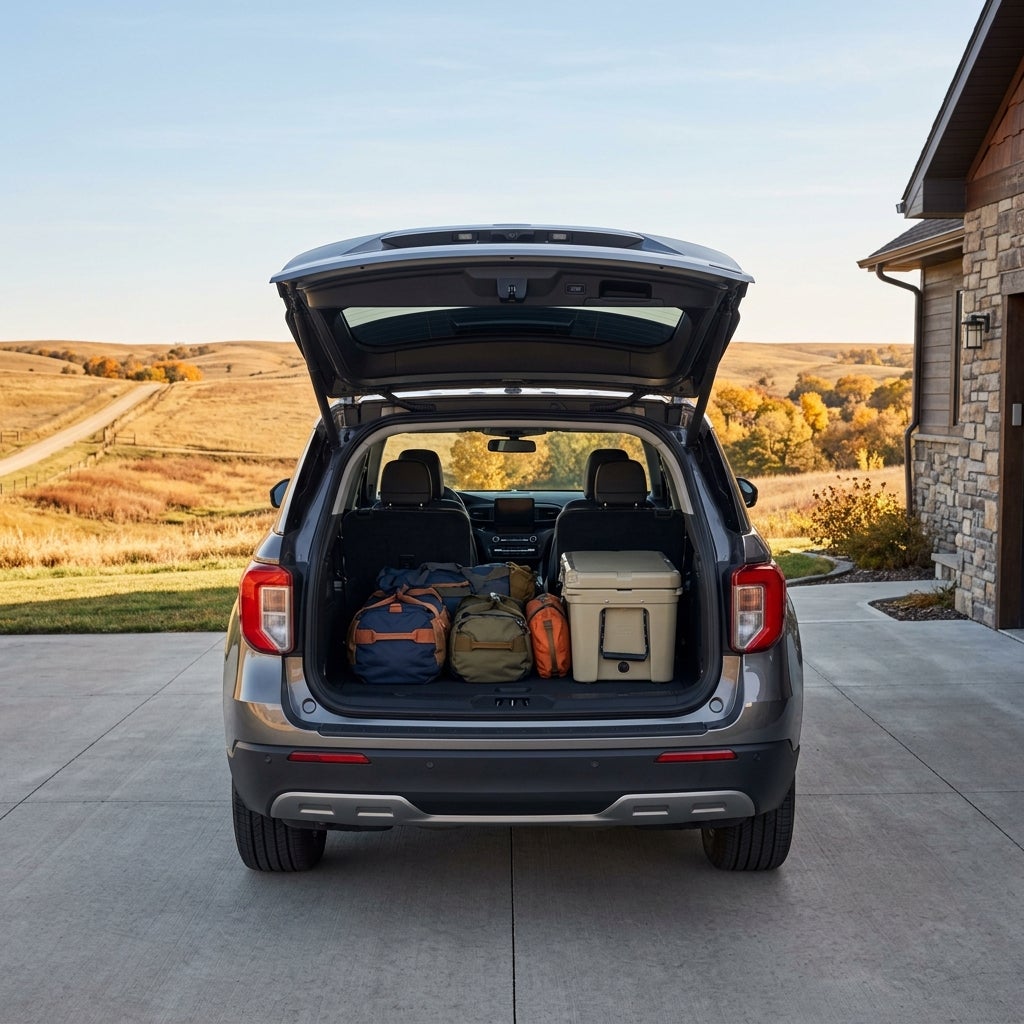
2027 Ford Explorer Cargo Space Dimensions: Direct Capacity Breakdown When evaluating a midsize three-row SUV for family road trips, daily school commutes around Junction City, or hauling equipment out to Fort Riley, total usable cargo volume is often the deciding factor. The 2027 Ford Explorer delivers an exceptionally versatile cabin engineered to adapt dynamically to your seating and storage demands. With all seats upright, the 2027 Explorer provides a dedicated 16 cubic feet of rear cargo volume. Folding the 50/50 split third-row seat flat expands your rear storage capacity to an expansive 46 cubic feet behind the second row. For maximum utility, folding down both the second and third rows unlocks up to 86 cubic feet of total interior load room. Beyond simple cubic footage, practical loading specs dictate how easily bulky gear actually fits into the cabin. The 2027 Ford Explorer features a generous liftgate opening width of 48.1 inches and an interior cargo floor length of 84.3 inches measured from the rear hatch door up to the back of the front-row seats. The liftover height sits at an comfortable level, minimizing back strain when loading heavy coolers or military gear bags. Drivers in Kansas will appreciate the squarish hatch perimeter which prevents corner pinch points when slide-loading rectangular cargo boxes. Cargo Configuration Cubic Feet (cu. ft.) Key Loading Metric Behind 3rd Row (7 Passengers) 16.3 cu. ft. 20.8 in. Floor Length Behind 2nd Row (4-5 Passengers) 46.0 cu. ft. 49.7 in. Floor Length Behind 1st Row (Max Capacity) 85.8 cu. ft. 84.3 in. Max Floor Length Rear Hatch Opening Width N/A 48.1 in. Clear Opening Cargo Dimensions Behind the Third Row for Daily Junction City Errands Even when carrying up to seven passengers across Junction City, the 16 cubic feet of dedicated rear cargo room behind the third row offers practical utility. It easily handles full weekly grocery runs, multiple carry-on suitcases, or athletic equipment bags for weekend youth soccer games at the local sports complex. The upright seating position leaves plenty of vertical depth to stack grocery totes without pressing against the rear glass. For Fort Riley service members carrying daily duty rucks or flight bags alongside family members, this space keeps sensitive equipment secured under the tonneau cover. Smart tie-down hooks and built-in side-wall cubbies prevent smaller items like windshield washer fluid or emergency kits from sliding across the carpeted trunk floor during sharp turns on Goldenbelt Boulevard. Max Cargo Volume with Fold-Flat Seating for Outdoor Gear & Military Moves Transitioning from passenger carrier to heavy cargo hauler takes seconds. Dropping the second and third row seats flat creates a continuous 85.8 cubic foot floor. Whether you are loading camping gear for trips to Milford State Park or packing household boxes during a Permanent Change of Station (PCS) move, the completely flat loading surface simplifies pushing heavy totes all the way forward. Long items like rolled carpets, lumber, tents, or ladder racks slide easily over the flat seat backs without catching. The 46 cubic feet configuration behind the second row provides the sweet spot for family vacation getaways, leaving ample seating for four or five occupants while accommodating oversized suitcases, dog crates, and cooler boxes. Research Ford Explorer Models Under-Floor Storage and Smart Cargo Management Features in the 2027 Explorer Concealed Under-Floor Storage Beneath the main floor panel lies a hidden cargo tub perfect for stashing valuable electronics, muddy boots, or emergency jumper cables out of sight. The washable liner makes cleaning spilled liquids or dirt effortless after outdoor excursions in Kansas. PowerFold & Hands-Free Liftgate Available PowerFold third-row seats lower or raise at the touch of a button located near the rear hatch. Paired with the hands-free foot-activated liftgate, loading cargo when your hands are full of groceries or gear is completely seamless. OEM Accessories & Liners Protect your vehicle investment with heavy-duty rubber cargo liners, integrated envelope cargo nets, and soft-folding cargo security shades. You can easily order factory accessories directly through our parts team: Order Genuine Ford Parts. Comparing Midsize SUV Cargo Dimensions: Explorer vs. Key Class Competitors When stack-ranked against midsize competitors like the Honda Pilot, Toyota Highlander, and Subaru Ascent, the 2027 Ford Explorer stands out for its balanced proportion between third-row passenger room and maximum cargo clearance. While some SUVs sacrifice total volume for a lower roofline, the Explorer maintains optimal vertical clearance inside the tailgate frame. Vehicle Model Cargo Behind 3rd Row Cargo Behind 2nd Row Max Cargo (1st Row) 2027 Ford Explorer 16.3 cu. ft. 46.0 cu. ft. 85.8 cu. ft. Toyota Highlander 16.0 cu. ft. 48.4 cu. ft. 84.3 cu. ft. Honda Pilot 18.6 cu. ft. 48.5 cu. ft. 87.0 cu. ft. Subaru Ascent 17.8 cu. ft. 43.5 cu. ft. 75.6 cu. ft. The Explorer delivers more maximum cargo space than the Toyota Highlander and Subaru Ascent, while maintaining superior rear axle weight distribution when loaded to capacity. Its rear-wheel-drive platform layout creates square floor contours without intrusive wheel well bulges pinching usable space. Towing vs. Cargo: What Is the Maximum Towing Capacity of the 2027 Ford F-150 and Explorer? When evaluating vehicle capability across Dickinson County, buyers frequently balance enclosed SUV cabin space against heavy-duty trailering strength. The 2027 Ford Explorer boasts a maximum towing capacity of up to 5,000 pounds when equipped with the factory Class III Trailer Tow Package, allowing you to pull ski boats, pop-up campers, or utility trailers loaded with ATVs while keeping family belongings safe inside the cabin. However, if your lifestyle requires hauling heavy machinery, livestock, or large travel trailers, you might ask: What is the maximum towing capacity of the 2027 Ford F-150? When properly equipped with the available 3.5L EcoBoost V6 engine and Max Trailering Package, the 2027 Ford F-150 achieves a maximum towing capacity of up to 13,500 pounds. Deciding between the enclosed cargo protection of the Explorer and the raw towing potential of the F-150 comes down to your primary weekend activities. Get Pre-Approved for Financing End-of-Model-Year Changeover Guide — Ford at Valor Ford Shoppers timing their purchase often wonder: When does the Ford model year changeover typically occur? Historically, Ford model year transitions take place during late summer into early autumn (August through November). During this transition period, manufacturing plants retool to build the new model year vehicles while dealerships manage incoming 2027 stock alongside outgoing 2026 models. At Valor Ford, this changeover window creates a strategic opportunity for Junction City buyers. Outgoing 2026 Explorer models may be offered at MSRP and may include available manufacturer incentives or financing options to make room for incoming 2027 shipments. Knowing how to navigate this window ensures you secure the optimal vehicle for your budget. Vehicle Depreciation and Financing Incentives on New vs. Outgoing Ford Models Special Financing Rates Do dealers offer special financing rates on outgoing model year Ford vehicles? Yes. Manufacturers frequently offer lower APR incentives, cash allowance rebates, and deferred payment programs on outgoing model year inventory to accelerate turnover. Depreciation Curves How does vehicle depreciation compare between outgoing and new model year Fords? An outgoing model year vehicle has already weathered one calendar year of nominal market aging upon purchase, whereas a brand-new model year vehicle retains slightly higher initial resale equity over the first 36 months. Smart Buyer Strategy If you plan to drive your Ford Explorer for 6 to 10 years, upfront APR savings on outgoing stock offset first-year depreciation. If you trade in every 3 years, choosing the incoming 2027 model year maximizes trade equity. How Can Junction City Shoppers Verify Which Outgoing and Incoming Ford Models Are Actually in Stock? Navigating real-time inventory during changeover periods is essential. Here is how local shoppers can verify exact vehicle availability: 1. Filter Live Online Inventory: Access our digital showroom to sort by Year (2026 vs 2027), Trim level, and exterior color. 2. Track In-Transit Models: Incoming vehicles currently on rail cars or car-haulers are listed as 'In-Transit' with estimated arrival windows. 3. Custom Order Allocation: Work directly with our sales team to reserve an incoming 2027 Explorer build directly from the factory line. 4. Explore Quality Pre-Owned Vehicles: If you prefer certified pre-owned options, you can Browse Used Inventory on our lot. Browse Used Vehicles Valor Ford Pricing and Trade-In Valuation During 2027 Model Year Transitions At Valor Ford, transparency defines how we present vehicle pricing and trade-in values during model year transitions. When incoming 2027 models arrive, our pricing structure clearly separates factory MSRP from active dealer savings, regional rebates, and military incentive bonuses. We strive to provide clear, competitive numbers without hidden markups. To help offset the initial purchase cost of a new Explorer, our appraisal team offers top-market values for your current vehicle. You can complete an instant initial appraisal online using our quick Trade In Evaluation tool, followed by an in-person physical inspection at our Junction City location for a guaranteed purchase check or trade credit. Full-Size Truck Hauling Alternative: How Does the 2027 Ford F-150 Compare to the Chevrolet Silverado 1500? Bed Volume & Open Cargo For buyers considering an open pickup bed instead of an SUV cargo compartment, comparing bed utility is crucial. The Ford F-150 offers ultra-durable high-strength aluminum-alloy bed construction, providing up to 77 cubic feet of open bed capacity in long-bed configurations. F-150 vs Silverado 1500 How does the 2027 Ford F-150 compare to the Chevrolet Silverado 1500? The F-150 features revolutionary innovations like Pro Power Onboard (supplying up to 7.2kW of mobile electrical power) and the Pro Access Tailgate. Learn more by exploring our Research Ford F-150 page. Test Drive the 2027 Ford Explorer and Measure Cargo Space at Valor Ford The best way to determine if the 2027 Ford Explorer accommodates your lifestyle is to test it out in person. We invite you to bring your sports bags, strollers, or camping gear directly to our dealership lot in Junction City to conduct your own hands-on fit test! Our product specialists will happily demonstrate the PowerFold seating, sub-floor compartment, and hands-free tailgate operation. Visit us today at 1825 Goldenbelt Blvd, Junction City, KS 66441. Get Directions to Valor Ford or Call us at (785) 238-5114 to schedule your test drive appointment. Value Your Trade-In Now