Is Full-Time AWD or Part-Time 4WD Safer on Icy Highway 18? Bottom-Line Answer from Valor THE BOTTOM-LINE DIRECT ANSWER: Full-time All-Wheel Drive (AWD) is significantly safer than traditional part-time 4-Wheel Drive (4WD) for everyday winter commuting along Highway 18 between Junction City and Manhattan. Because Highway 18 is plagued by rapidly changing surface conditions—alternating between clear asphalt, sudden black ice on river bridges, and wind-drifted snow pack—full-time AWD continuously monitors wheel slip and varies torque delivery between axles without driver intervention. Traditional part-time 4WD excels in unplowed, deep snow, but when engaged in 4H (4WD High) on patchy or semi-dry winter pavement, it forces the front and rear drive shafts to spin at identical speeds, creating severe driveline binding, tire scrub, and dangerous unexpected skids during high-speed cornering. To get to the bottom of this debate, we sat down with Mike Hogg, Service Director at Valor CDJR in Junction City, KS. With over 20 years of hands-on automotive expertise serving military personnel from Fort Riley and commuters throughout Geary and Riley counties, Mike provides an authoritative breakdown of how drivetrain mechanics perform under harsh Kansas winter commuting conditions.
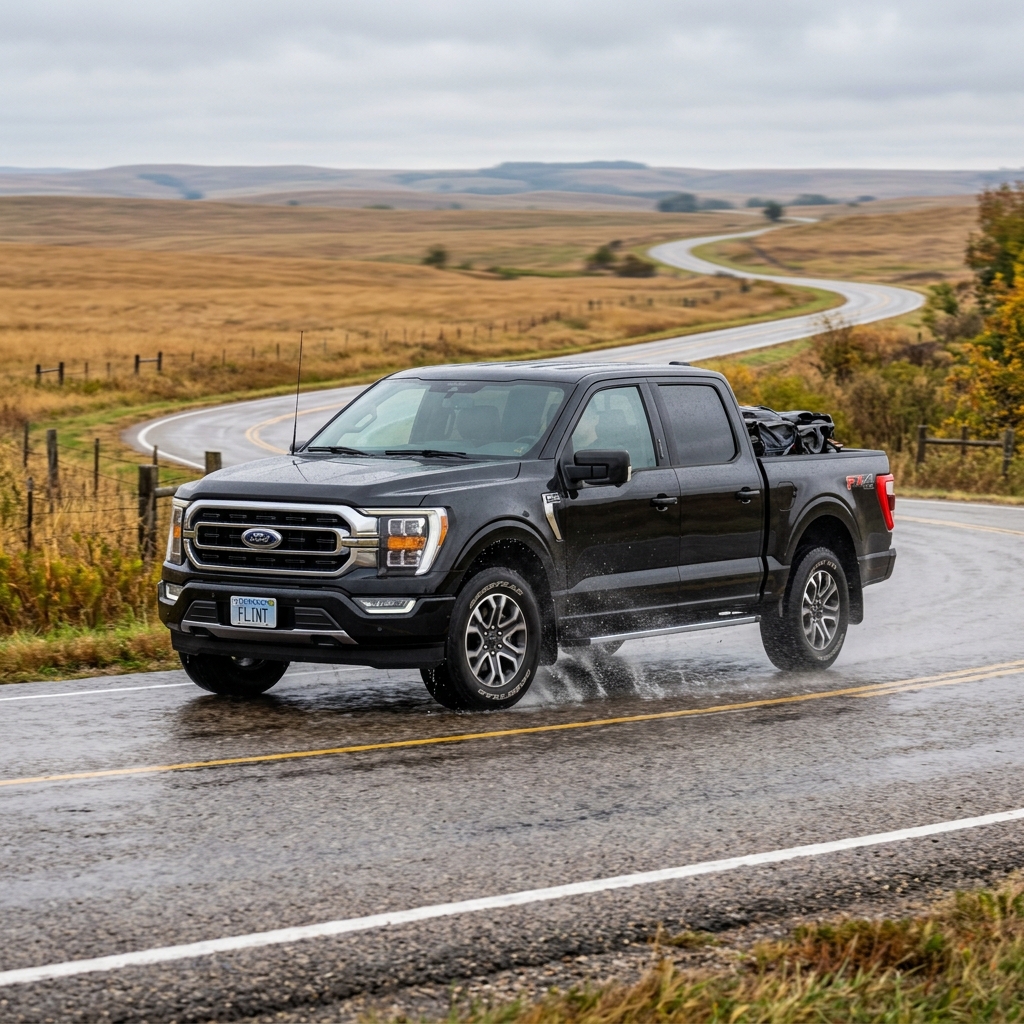
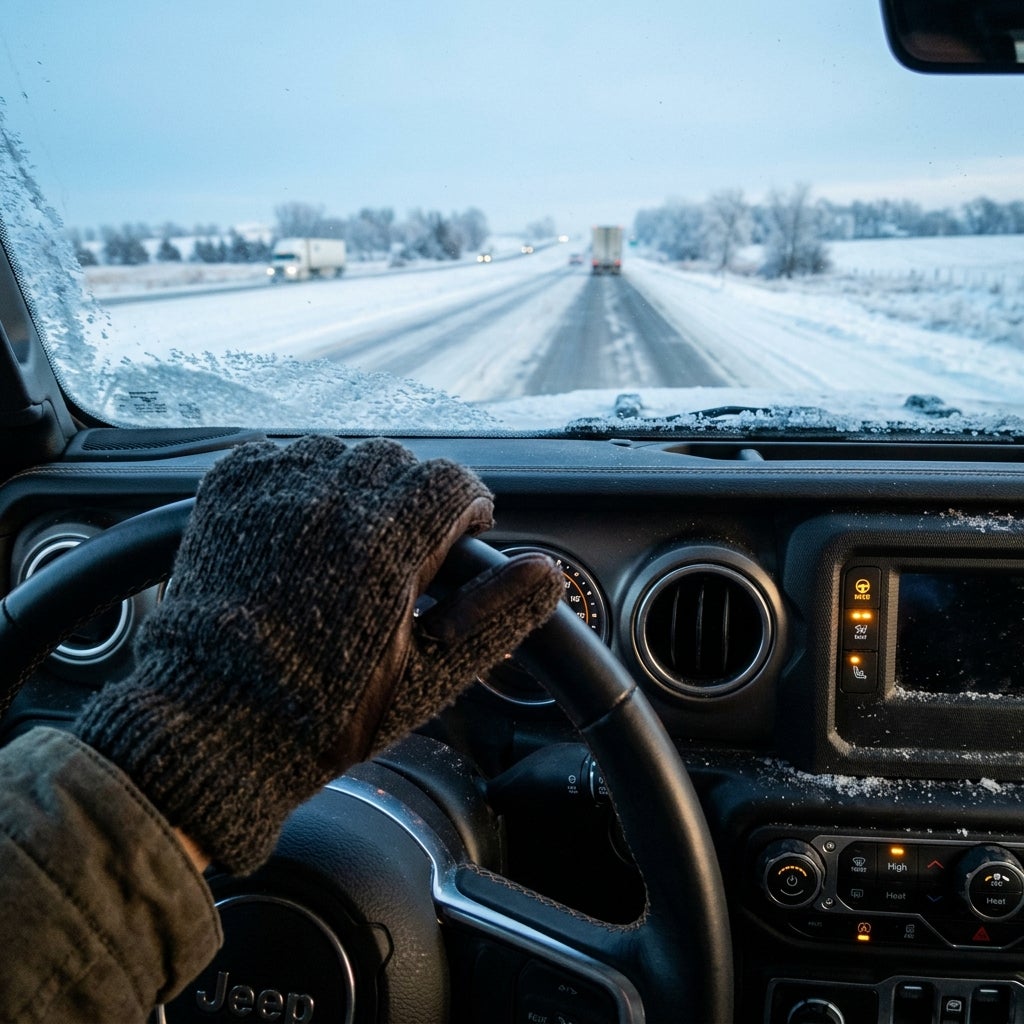
"Every winter, we see drivers come into our service bay who were caught completely off guard by a sudden patch of black ice on the Highway 18 bridge decks," explains Mike Hogg. "Many of them believed that shifting their truck into 4H made them invincible. Understanding the mechanical distinction between how full-time AWD and part-time 4WD handle changing traction is single-handedly the most critical safety knowledge a commuter can have before the first severe freeze hits Central Kansas. Q: Why is the Highway 18 commute between Junction City and Manhattan so treacherous in winter? INTERVIEWER: Mike, for folks commuting daily between Junction City, Fort Riley, and Manhattan, Highway 18 (K-18) is a vital lifeline. But as soon as winter arrives, it becomes one of the most accident-prone stretches of road in Riley County. What specifically makes this route so hazardous during Kansas winters? MIKE HOGG: "It boils down to geography, wind exposure, and speed. Highway 18 cuts right through open Riley County prairie and river valleys. In Central Kansas, winter cold snaps are almost always accompanied by ferocious 35 to 50 mph crosswinds coming across flat farmland. When snow falls—or even when existing snow sits in adjacent fields—those winds create sudden, blinding drift banks across the 65 mph highway lanes.
More importantly, ground temperatures here create flash freezing. You might leave Junction City on pavement that looks completely wet and clear, but as soon as you hit the elevated bridge decks over the Smoky Hill River or approaching Ogden, the pavement temperature drops below 32 degrees almost instantly. Moisture freezes into invisible black ice before highway treatment crews can even react. MIKE HOGG CONTINUES: "The daily hazard profile for Fort Riley military personnel and local commuters is extreme because of the high traffic volume during morning and evening physical training (PT) and shift change hours. You have thousands of vehicles driving 65 miles per hour bumper-to-bumper in low-light conditions.
When a driver hits a sudden micro-patch of black ice on a highway curve at speed, the vehicle's reaction depends entirely on its drivetrain and electronic safety systems. If your vehicle reacts unpredictably—or if you're wrestling with mechanical binding from a locked part-time 4WD system—you lose precious fractions of a second to correct your trajectory. That is where severe multi-car pileups occur on K-18. Q: Is full-time AWD or traditional part-time 4WD safer for icy Highway 18 winter commuting? INTERVIEWER: Let's dive deep into the mechanical core of the topic. Many truck and SUV owners assume '4x4 is 4x4.' Why is full-time AWD safer than traditional part-time 4WD when driving through variable icy patches on Highway 18? MIKE HOGG: "To understand safety, you have to look at the mechanical connection between the front and rear axles. In a traditional part-time 4WD system —like what you find in base pickup trucks or classic off-road rigs—engaging 4H mechanically locks the front drive shaft and rear drive shaft together inside the transfer case at a 50/50 split. They are forced to turn at exact same speeds. When you turn a vehicle on Highway 18, your front wheels naturally travel along a longer arc than your rear wheels, meaning they MUST spin faster. On deep mud or 6 inches of unplowed snow, the extra wheel slip absorbs that speed difference. But on patchy pavement or salted asphalt interspersed with black ice, the tires cannot slip easily. The energy builds up in the drivetrain—what we call driveline binding. When you hit a curve on K-18 with bound drivelines, the front or rear tires will violently break traction to relieve that stress, causing an unexpected skid. MIKE HOGG CONTINUES: "In contrast, a modern full-time All-Wheel Drive (AWD) system features a center differential with a fluid coupling or electronically controlled multi-plate clutch pack. It allows the front and rear drive shafts to rotate at different speeds while continuously distributing power.
If your left front wheel touches a patch of slick black ice on the Ogden bridge while your other three tires are on wet cold asphalt, the AWD computer detects the micro-mismatch in wheel speed within milliseconds. It redirects engine torque away from the slipping wheel to the tires with grip—without binding, bucking, or requiring you to take your hands off the wheel to flip a switch. That seamless dynamic adjustment is why AWD is hands-down safer for high-speed variable winter commuting. Drivetrain Feature Full-Time AWD Traditional Part-Time 4WD (4H) Center Differential Open / Clutch-based (Allows axle speed differential) Locked Transfer Case (Forces identical axle speeds) Patchy Dry Asphalt Driving Safe & Smooth (No driveline strain or wear) Hazardous (Causes severe driveline binding & tyre scrub) Black Ice Curve Handling Seamless automated torque vectoring High risk of sudden push-understeer or tail spin Driver Activation Needed None (Always active & automated) Manual lever or electronic switch engagement Ideal Road Surface Variable snow, slush, rain, patchy ice, asphalt Unplowed deep snow, heavy mud, off-road trails Browse Winter-Ready AWD SUV Inventory Q: What key features make a 4x4 SUV best for severe Kansas winters and daily Fort Riley commutes? 1. Automatic 4WD Transfer Cases MIKE HOGG: "If you love traditional 4x4 ruggedness but want winter highway safety, look for automatic transfer case systems like Jeep's Selec-Trac or Quadra-Trac II. These offer a '4WD Auto' setting. In 4WD Auto, the vehicle operates primarily in 2WD for maximum fuel economy, but instantly engages a internal clutch package to send power to the front axle the second wheel slippage is detected on Highway 18. 2. Advanced ESC & 3PMSF Winter Tires MIKE HOGG: "Engine power means nothing if your rubber glass-hardens in sub-zero weather. Look for tires carrying the Three-Peak Mountain Snowflake (3PMSF) symbol. Paired with modern Electronic Stability Control (ESC) calibrated for low-friction surfaces, 3PMSF rated rubber maintains flexibility at sub-zero temperatures, drastically shortening braking distance when traffic slows suddenly on K-18. 3. Engine Block Heaters & Warmers MIKE HOGG: "When temperatures drop to negative digits in Junction City, cold engine oil turns viscous like molasses, straining starting components and delaying cabin warmth. Factory engine block heaters and transmission fluid warmers keep vital lubricants fluid overnight, ensuring effortless sub-zero morning starts for military personnel reporting early to post. Q: Does the Ford Bronco or Jeep Wrangler have better interior heater and defrost capability? INTERVIEWER: Hardcore off-road platform vehicles like the Jeep Wrangler and Ford Bronco are incredibly popular in Geary and Riley counties. But sub-zero Kansas mornings test a vehicle's climate controls. How do they compare when thawing out frozen windshields and warming drivers? MIKE HOGG: "Both platforms have made incredible strides compared to older generation 4x4s, but Jeep's Cold Weather Group gives the Wrangler a distinct edge in sub-zero ergonomics. Jeep engineered its interior climate system specifically around winter gear usability. The HVAC core warms rapidly, delivering robust airflow to defrost vents in minutes.
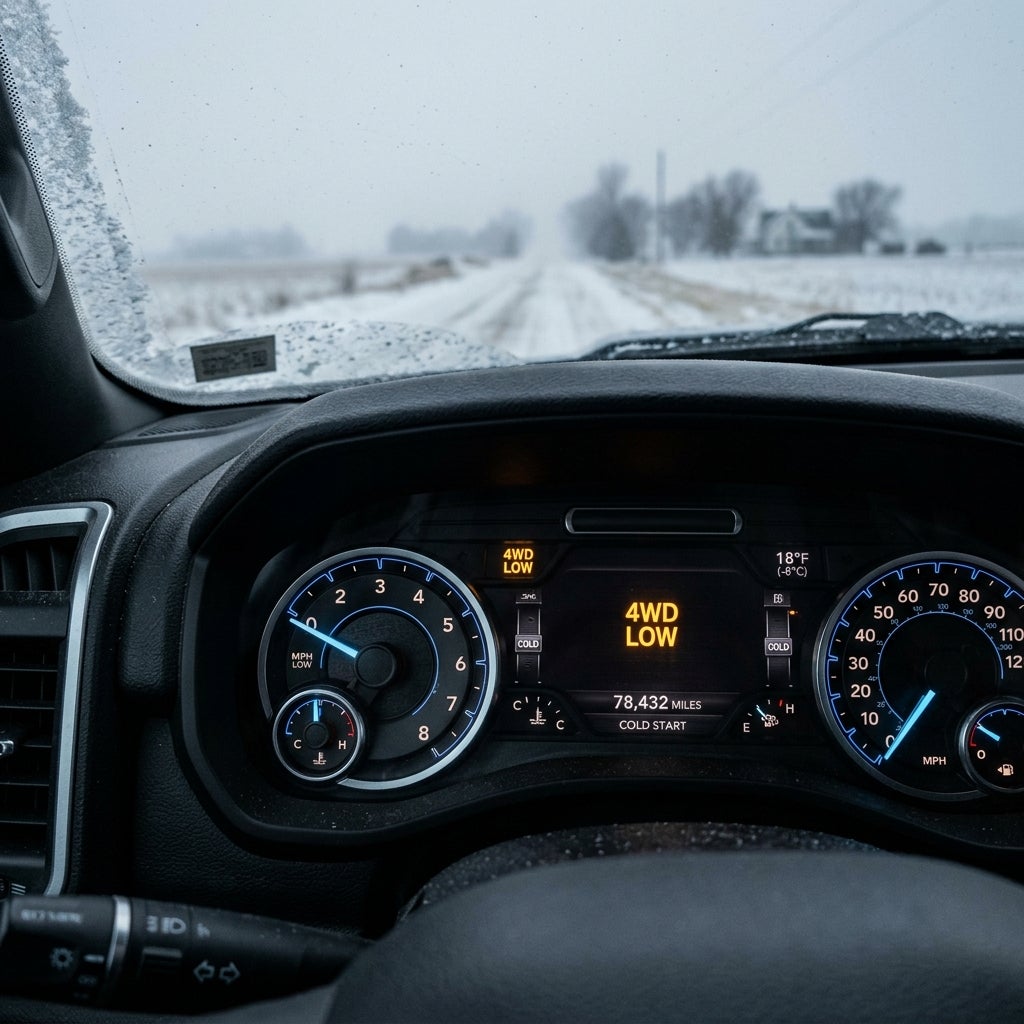
Jeep's heated steering wheel reaches comfortable operating temperatures significantly faster than many competitors, and the high-output seat heaters warm both the cushion base and upper seat back. Furthermore, Jeep features heated side mirrors and front windshield wiper de-icer grids embedded directly into the lower glass frame—a life-saver when frozen slush gets kicked up by semi-trucks on Highway 18 and freezes your wiper blades solid. MIKE HOGG CONTINUES: "While the Ford Bronco offers solid heating output, its cabin volume and roof panel seals can allow internal temperatures to drop slightly faster when parked. At Valor CDJR, our factory-trained technicians ensure every Jeep's HVAC blend door and heating grid operates at 100% capacity before winter strikes. You can check out winter-ready trim options through our New Vehicle Listings. Q: How much does a cold weather package typically add to a new 4x4 SUV price? Package Cost Breakdown MIKE HOGG: "On most new 4x4 vehicles and SUVs, factory Cold Weather Packages range between $800 and $2,200 depending on trim level and included technology. It is one of the highest ROI option groups you can choose for Kansas driving. Included High-Value Features MIKE HOGG: "These packages typically bundle factory remote start, multi-stage heated front seats, heated steering wheel, engine block heater, heated power mirrors, all-weather rubber floor mats, and heavy-duty battery/alternator upgrades designed for high accessory loads. Financing & Value MIKE HOGG: "When wrapped into your auto loan, a winter package may affect your monthly payment; contact Valor CDJR for current financing details. Financing options and military pre-approval rates at Valor CDJR make it easy to protect your family's safety without stretching your budget. Get Pre-Approved for Financing Q: How much does undercarriage rustproofing cost to protect against Kansas road salt? INTERVIEWER: Kansas Department of Transportation (KDOT) heavily pre-treats Highway 18 with chemical salt brine solutions. What long-term damage does this cause to vehicle frames, and how much does professional undercarriage rustproofing cost? MIKE HOGG: "KDOT uses a liquid magnesium chloride and rock salt mixture to prevent ice bonding on K-18. While great for melting ice, liquid chemical brine atomizes into a fine mist behind vehicles at 65 mph. It gets forced into every frame cavity, brake line fitting, exhaust hanger, and electrical harness connector under your truck or SUV. Left untreated, it causes rapid surface oxidation, seized brake calipers, and structural frame corrosion. Professional undercoating and rustproofing application typically costs between $500 and $1,200 depending on vehicle size and coating material (wax-based, oil-based, or rubberized polymer barriers). MIKE HOGG CONTINUES: "For drivers who prefer ongoing maintenance over a permanent undercoating, regular underbody high-pressure wash services are critical. At our Express Lane at Valor CDJR, we recommend flushing your vehicle's undercarriage at least twice a month during freezing weather to wash away concentrated magnesium chloride before it eats into raw steel components. Q: Why do car batteries fail more frequently during severe cold weather in Kansas? INTERVIEWER: Dead batteries are the single most common winter service call in Junction City. What happens mechanically to a car battery when sub-zero temps hit? MIKE HOGG: "It is a double-whammy of electrochemistry and engine mechanical drag. Inside lead-acid and AGM car batteries, chemical reactions slow down drastically as temperatures drop. At 0°F, a battery's available Cold Cranking Amps (CCA) drop by approximately 50% compared to warm weather performance.
Simultaneously, cold temperatures thicken your engine's motor oil. Instead of sloshing freely, cold oil creates immense resistance against pistons and crankshaft movement. Your starter motor requires up to 200% MORE electrical current to turn over a freezing engine, precisely when the battery only has HALF its normal power available. A weak battery that starts fine in October will completely collapse on a 5°F December morning in Junction City. MIKE HOGG CONTINUES: "That's why our Parts Department conducts free conductance battery testing during pre-winter checkups. We don't just test voltage—we measure internal resistance and true CCA output under simulated load.
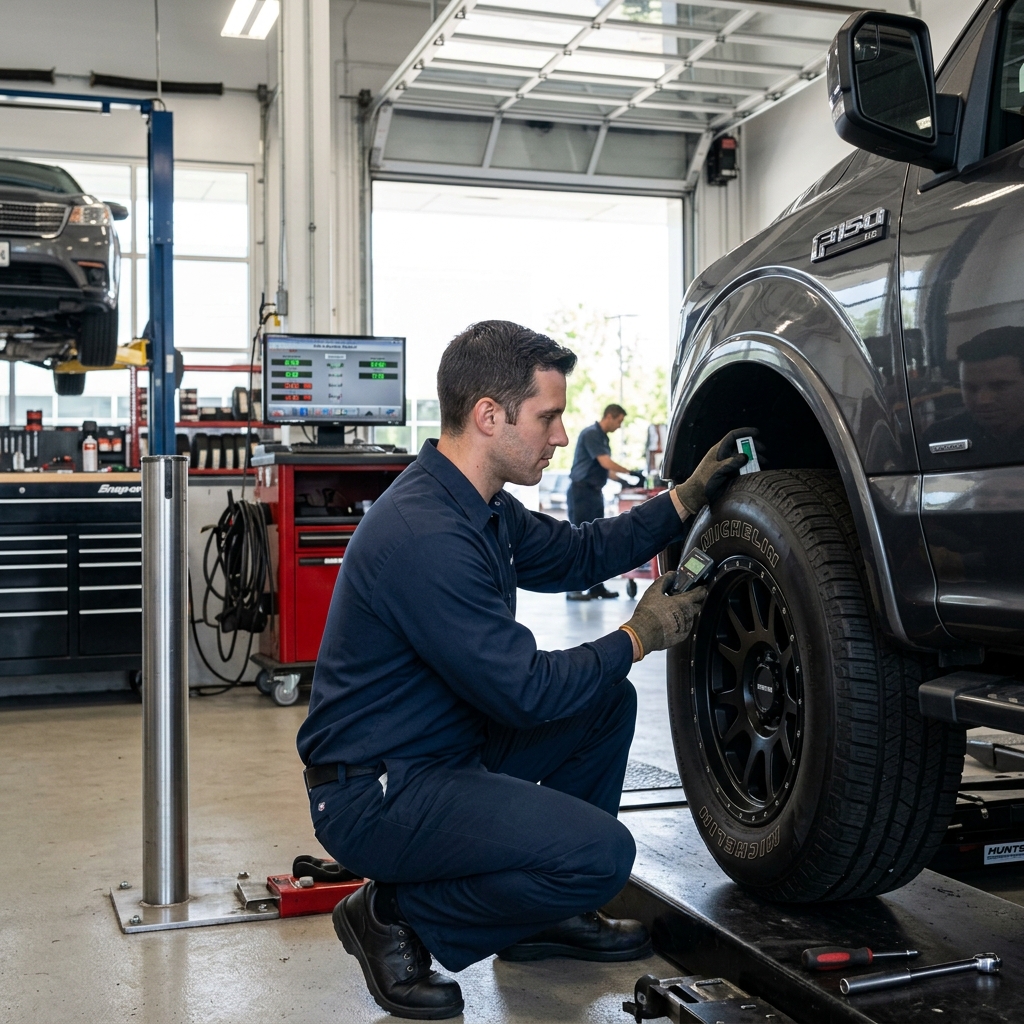
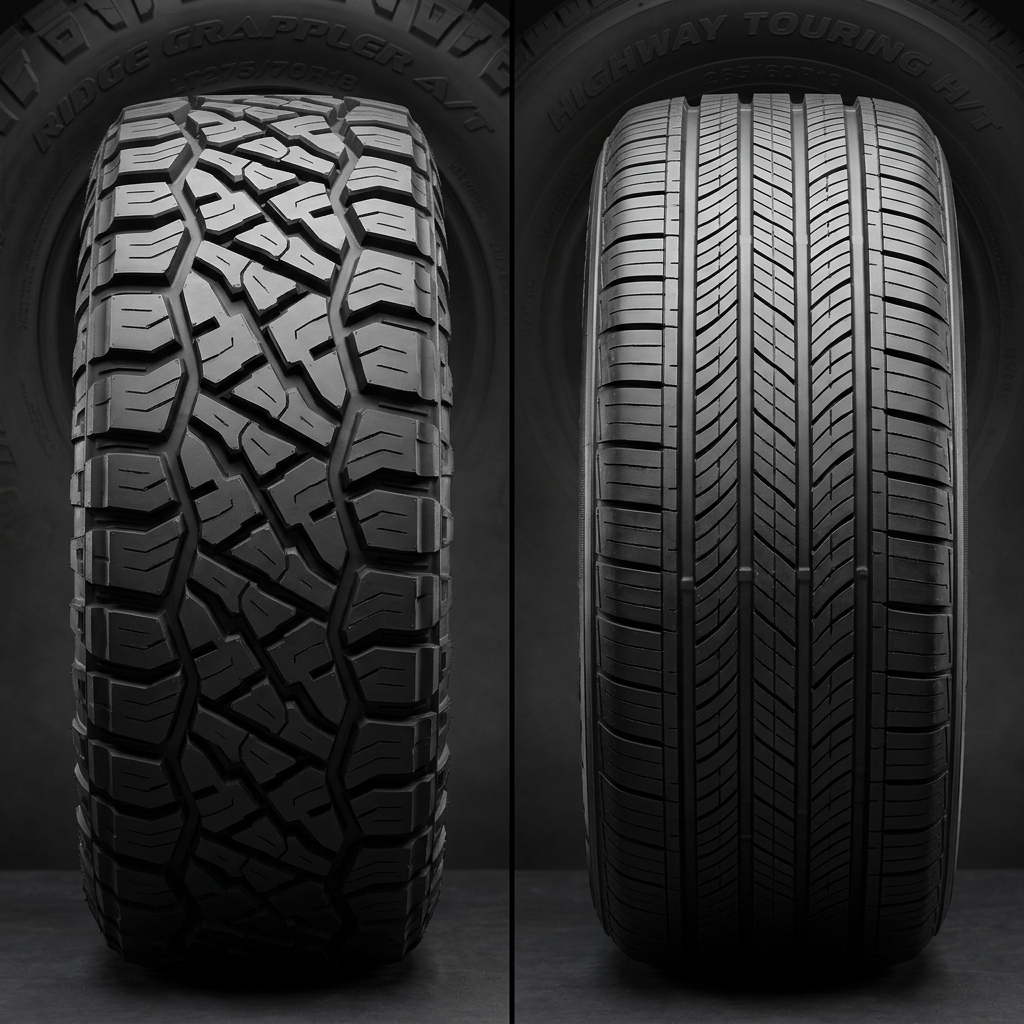
If your battery is over 3 years old, showing corrosion on terminal posts, or cranking sluggishly on cold starts, replace it BEFORE the severe freeze hits. Getting stranded at 5:30 AM in a Fort Riley housing area or along Highway 18 is dangerous and easily avoidable. Q: Which Toyota 4x4 SUVs and Jeep models offer the best winter handling for Fort Riley commuters? Jeep Grand Cherokee & Ram Auto-4WD MIKE HOGG: "The Jeep Grand Cherokee equipped with Quadra-Trac II or Quadra-Drive II is arguably the king of Kansas winter commuting. It uses active electronic transfer cases that predict slip before it happens. Similarly, Ram 1500 trucks with the 4WD Auto setting give truck owners full-time AWD peace of mind on K-18. Toyota 4Runner Limited & RAV4 AWD MIKE HOGG: "Among Toyota platforms, the Toyota 4Runner Limited trim stands out because it utilizes a full-time 4WD system with a Torsen limited-slip center differential (unlike SR5 or TRD Off-Road trims which use traditional part-time 4WD). The Toyota RAV4 AWD is also an exceptionally agile winter commuter platform. MIKE HOGG: "Whether you prefer Jeep, Ram, or quality pre-owned Toyota inventory, choosing an automated drive system tailored to Highway 18 will keep your family safe all winter long. Evaluate Your Current Vehicle Trade-In Value Q: What pre-winter service checklist should Highway 18 drivers follow before the first freeze? INTERVIEWER: Mike, before snow hits Junction City and Manhattan, what essential pre-winter inspection points should every local driver complete? MIKE HOGG: "Here is my non-negotiable pre-winter inspection checklist for any driver commuting on K-18: 1. Coolant Freeze-Point Test: Ensure your engine coolant is diluted to a 50/50 or 60/40 mix rated for -34°F protection to prevent engine block cracking. 2. Tire Tread Depth & Compound Inspection: Minimum depth for snow/ice traction is 5/32" or 6/32". Anything under 4/32" acts like ice skates on black ice. 3. Brake System Dynamics: Inspect pads and rotors for even wear. Uneven brake force side-to-side will immediately pull your vehicle into a spin on slippery surfaces. MIKE HOGG CONTINUES: " 4. Winter-Grade Wiper Blades & Sub-Zero Fluid: Replace streaking wiper blades with beam-style winter blades that won't pack with ice, and fill your washer reservoir with -20°F washer fluid. 5. Emergency Roadside Kit: Pack thermal blankets, tow strap, collapsible shovel, high-calorie food bars, flashlight, and portable jump-starter pack. You can schedule a comprehensive pre-winter multi-point inspection directly through our online Service Scheduler. Prepare Your Vehicle for Kansas Winter Commuting at Valor CDJR in Junction City If you're preparing for winter driving on Highway 18, Whether you need an expert pre-winter drivetrain inspection, a new battery installation, high-grade winter tires, or are looking to upgrade to an advanced full-time AWD or automatic 4WD SUV, the certified team at Valor CDJR is here to keep you and your family safe. Visit Service Director Mike Hogg and our factory-trained technicians at our state-of-the-art service facility in Junction City, KS. We proudly serve Fort Riley, Manhattan, Geary County, and surrounding Kansas communities with expert auto care, transparent financing, and a huge selection of winter-ready vehicles. Explore our Used Vehicle Listings, check out new commercial trucks at Commercial Vehicle Inventory, or get in touch with our team today: • Location: 1825 Goldenbelt Blvd, Junction City, KS 66441 • Get Directions to Valor CDJR • Call us at (785) 238-5114 Schedule Winter Service Appointment