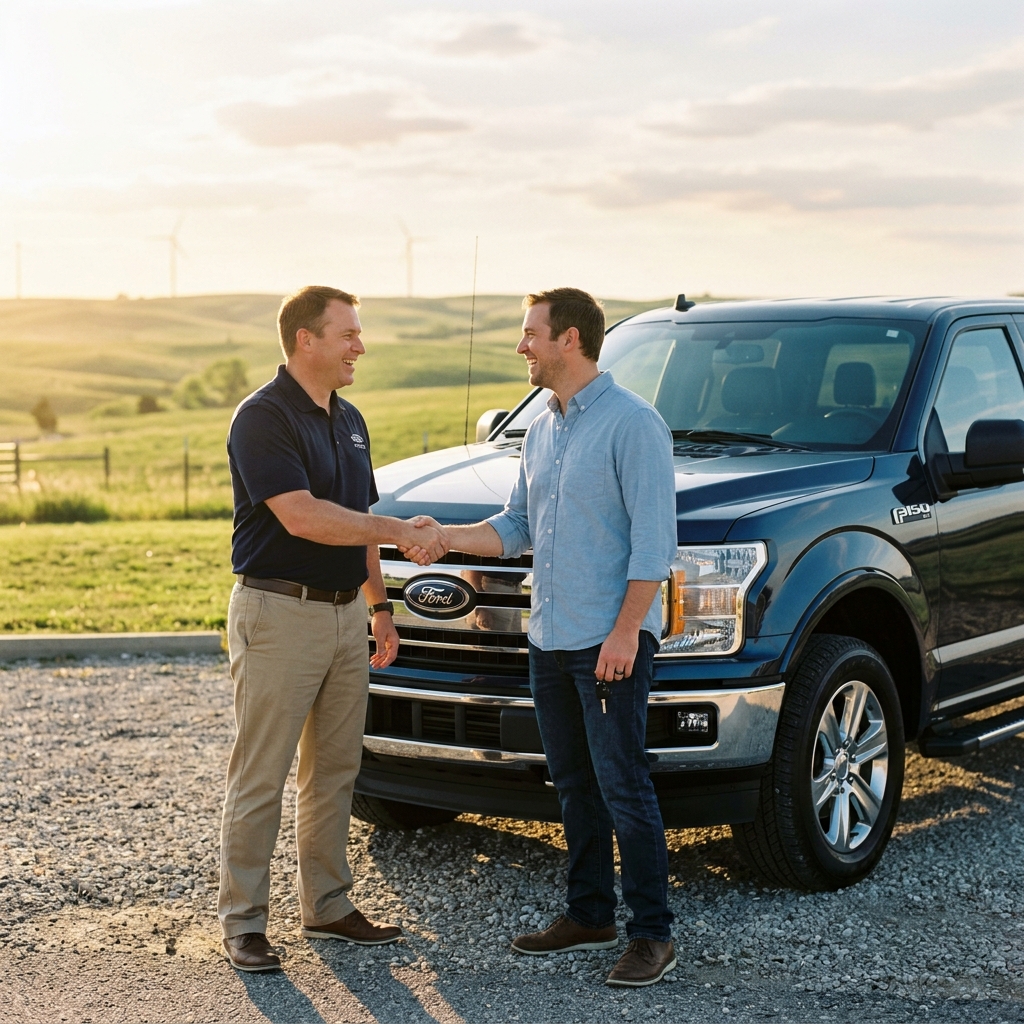
Demystifying the Trade-In: How to Walk Into the Dealership with Total Confidence
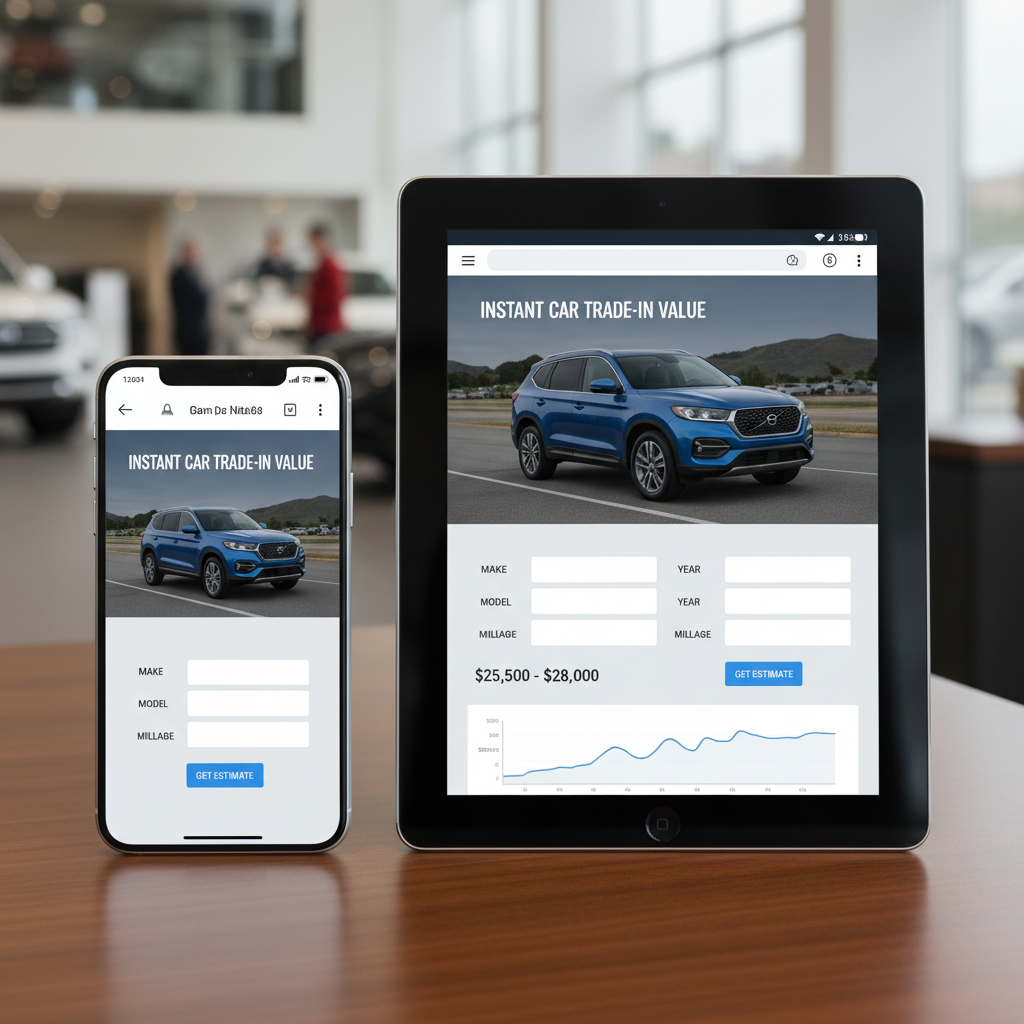
For many drivers in Junction City and the surrounding Dickinson County area, the prospect of trading in a vehicle can feel like stepping onto a high-stakes stage without a script. It is easy to feel overwhelmed by the variables: market fluctuations, valuation algorithms, physical inspections, and the mathematical dance of balancing an existing loan against a new purchase. However, trading in your car does not have to be a source of anxiety. In fact, with the right preparation, local market insight, and a transparent automotive partner, you can transform the entire trade-in process into a position of absolute negotiating power. At Valor Ford, we believe that transparency is the ultimate confidence builder. When you understand exactly how your vehicle is evaluated, how local market trends impact its worth, and how the financial transaction is structured, you strip away the mystery. This comprehensive, expert-level guide is designed to hand you the blueprint. Whether you are a first-time trader, a military professional stationed at nearby Fort Riley preparing for a permanent change of station (PCS), or a seasoned agricultural worker transitioning to a more robust work vehicle, this guide will equip you with the knowledge to navigate your trade-in with total self-assurance. Let us explore the mechanics of trade-ins and establish your baseline of confidence. To begin your journey with concrete, real-time data, we highly encourage you to utilize our simple, online Trade In Evaluation tool. This is your first step toward transforming uncertainty into actionable financial intelligence.
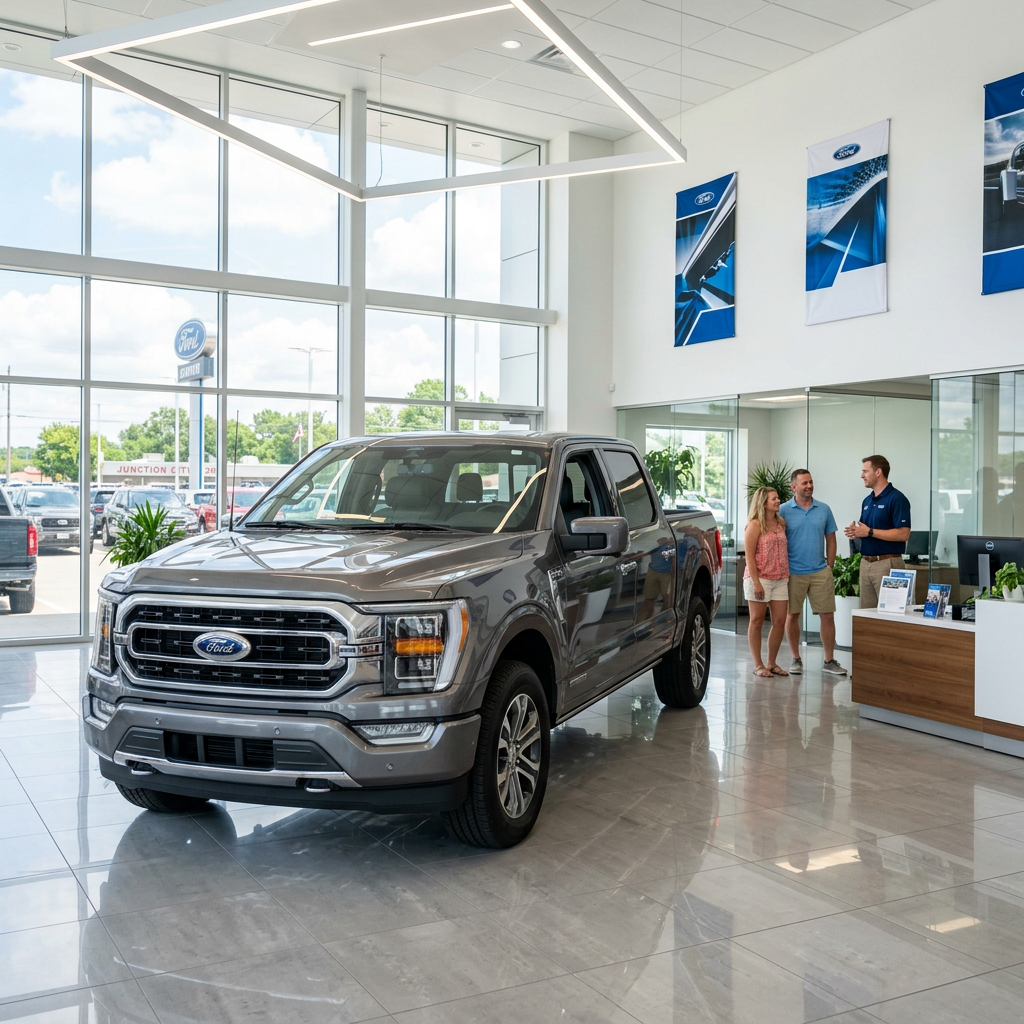
Private Sale vs. Dealership Trade-In: Is the Extra Cash Worth the Hassle?
The most common question drivers ask themselves is:How much more can you typically get selling a car privately versus trading it in? On paper, a private sale often yields a slightly higher top-line transaction price. This is because a private buyer plans to drive the vehicle themselves, whereas a dealership must factor in the costs of reconditioning, detailing, marketing, and offering a warranty to the next owner. Typically, a private sale might net anywhere from 10% to 15% more in raw sales price than a standard trade-in offer. However, that margin represents payment for a massive amount of personal labor, logistical complexity, and financial risk. When you sell a vehicle privately in the Dickinson County region, you essentially take on the full-time job of an automotive dealership. You are responsible for deep cleaning the car, taking professional-grade photographs, writing compelling listings, and paying to advertise on multiple online platforms. Once the listings are live, you must manage a barrage of inquiries, filter out low-ball offers, and coordinate meeting times with complete strangers. In today’s digital landscape, the administrative and safety hurdles of a private sale have grown exponentially, making the traditional ‘For Sale’ sign in the driveway a far more complicated endeavor than it used to be.
What are the primary risks of selling a vehicle privately? First and foremost is safety and security. Hosting test drives with strangers near your home or finding secure public meeting spots can be incredibly stressful. Second is the risk of financial fraud. Forged cashier’s checks, fraudulent digital payment transfers, and complex escrow scams are highly prevalent in private automotive transactions. Furthermore, if the buyer has a loan or if you still owe money on your current vehicle, coordinating the title transfer with multiple financial institutions can take weeks of frustrating administrative back-and-forth. In contrast, trading in your vehicle at Valor Ford eliminates these liabilities in a single afternoon. We handle the paperwork, pay off your existing loan directly, transfer the title legally, and assume all post-sale mechanical liabilities. When you factor in the value of your personal time, the cost of advertising, the potential for tax savings (which we will detail later), and the complete elimination of financial risk, the apparent premium of a private sale quickly dissolves. For most busy families and working professionals, the immediate, guaranteed transition of a dealership trade-in represents far superior overall value.
|
Feature / Factor
|
Private Sale Option
|
Valor Ford Trade-In
|
|
Time Investment
|
Weeks of listing, communicating, and showing
|
Less than 1 hour in a single visit
|
|
Financial Safety Risk
|
High (forged checks, scam payments, fraud)
|
Zero (fully certified, licensed dealership)
|
|
Administrative Hassle
|
You draft bill of sale, coordinate title, pay off loan
|
We handle all state DMV paperwork and loan payoffs
|
|
Tax Benefit Availability
|
None in Kansas for private sales
|
Significant (deducted from sales tax on new vehicle)
|
|
Mechanical Liability
|
Buyer may complain or sue over post-sale issues
|
None (car sold as-is to dealer, zero future risk)
|
Why You Should Use Multiple Trade-In Value Tools Before Getting an Appraisal
Why should I use multiple trade-in value tools instead of just one? The simple answer is that different valuation platforms pull from different data pools. One engine might rely heavily on national wholesale auction data, while another might prioritize regional retail transaction histories. If you rely on only a single estimate, you are looking at your car’s value through a narrow lens. By aggregating values from multiple recognized sources—such as Kelley Blue Book, Edmunds, and Black Book—you compile a robust, highly accurate value range. This range serves as your protective shield against unrealistic expectations and lowball valuations alike. It gives you a clear understanding of the absolute floor and ceiling of your vehicle’s current market value before you even speak to a representative.
Gathering data from various platforms ensures you are seeing a complete, unbiased representation of what your vehicle is worth in today’s dynamic market landscape.
Valor Ford’s online valuation system is a key benchmark for Junction City drivers because it integrates real-time local market data directly with live wholesale tracking. Our tool doesn’t just look at what a car is worth in a different state; it analyzes active transaction histories in Kansas. This provides you with a localized estimate that is highly reflective of actual market conditions in our immediate community. When you approach an in-person appraisal armed with several distinct digital valuations, you demonstrate that you are an informed consumer. You can confidently discuss the differences in the numbers, ask informed questions, and ensure that your dealer-partner is matching or exceeding the standard regional market averages. It shifts the conversation from a guessing game to an objective, data-driven discussion.
How to Use Local Market Research to Secure a Better Trade-In Offer
Many sellers don’t realize that the value of a vehicle is profoundly geographic. A rear-wheel-drive convertible that commands a premium in sunny southern California might languish on a lot in central Kansas during a snowy winter. Conversely, highly capable four-wheel-drive trucks and versatile family SUVs are always in incredibly high demand near Fort Riley and the rural paths of Dickinson County. Understanding these regional preferences is a critical superpower when negotiating your trade. So, how can I use market research to push for a better trade-in number? Begin by looking at local dealership inventories within a 50-mile radius of Junction City. If you own a pre-owned midsize SUV or a light-duty truck, look at how many similar units are currently listed for sale and how quickly they seem to turn over. If local dealerships have very few of your specific model in stock, yet demand remains high, your vehicle is a hot commodity. You can use this scarcity to help support a stronger trade-in offer, because the dealership is actively looking for high-quality, local stock to satisfy their buyers.
At Valor Ford, we maintain an active and dynamic pre-owned department that is constantly seeking reliable, well-maintained vehicles to keep up with the robust demand of our community. When you trade in a vehicle that aligns perfectly with what local families, military personnel, and business owners are searching for, you are holding a highly valuable asset. To see exactly what types of vehicles are currently commanding premium interest and to check our current pre-owned inventory levels, you can Browse Used Inventory right now. Observing what models are currently featured on our lot can give you an immediate clue as to how aggressively we are looking to acquire vehicles just like yours. This real-time research translates directly into confidence when you sit down at the appraisal desk.
Understanding Negative Equity and What It Means for Your New Car Loan
One of the most significant sources of stress during a trade-in occurs when a driver owes more on their existing auto loan than the vehicle is currently worth. This situation is known in the financial world as having ‘negative equity’—or colloquially being ‘underwater’ or ‘upside down’ on the loan. It is a very common scenario, particularly for buyers who purchased a vehicle with a small down payment, structured their loan over a longer term (such as 72 or 84 months), or put high mileage on the vehicle quickly due to long daily commutes. But what does it mean to roll negative equity into a new car loan? Essentially, if your current vehicle is valued at $15,000, but your remaining loan balance is $18,000, you have $3,000 in negative equity. If you choose to trade this vehicle in and buy a new one, that $3,000 difference does not simply disappear. Instead, with approved credit, the dealership’s finance department can add that $3,000 to the principal amount of your new vehicle’s loan. While this allows you to exit your old vehicle and drive away in a new one without paying the difference out-of-pocket, it has immediate and lasting consequences for your new financial agreement.
Rolling over negative equity means your new loan principal will be significantly higher than the actual retail value of the new car you are purchasing. This immediately puts your new loan in an underwater state from day one, increases your monthly payments, and causes you to pay interest on the unpaid balance of your old vehicle. For military families at Fort Riley, who may face sudden relocations or changes in housing allowances, managing debt structure is absolutely vital. It is critical to navigate this transition with an honest, transparent finance team who will help you understand the long-term impact on your household budget. If you find yourself in this situation, there are several strategic ways to mitigate the impact. You can choose to pay off all or a portion of the negative equity upfront as a down payment, opt for a vehicle that has significant manufacturer cash rebates to offset the deficit, or select a highly reliable, slower-depreciating vehicle to help your equity position catch up over time. If you want to explore your current financing options and see what interest rates and structures you qualify for, you can securely Get Pre-Approved for Financing online through our finance portal. Our team is dedicated to helping you make smart, sustainable financial decisions.
Inside the Appraisal: How Knowing the Dealer's Checklist Empowers Your Negotiation
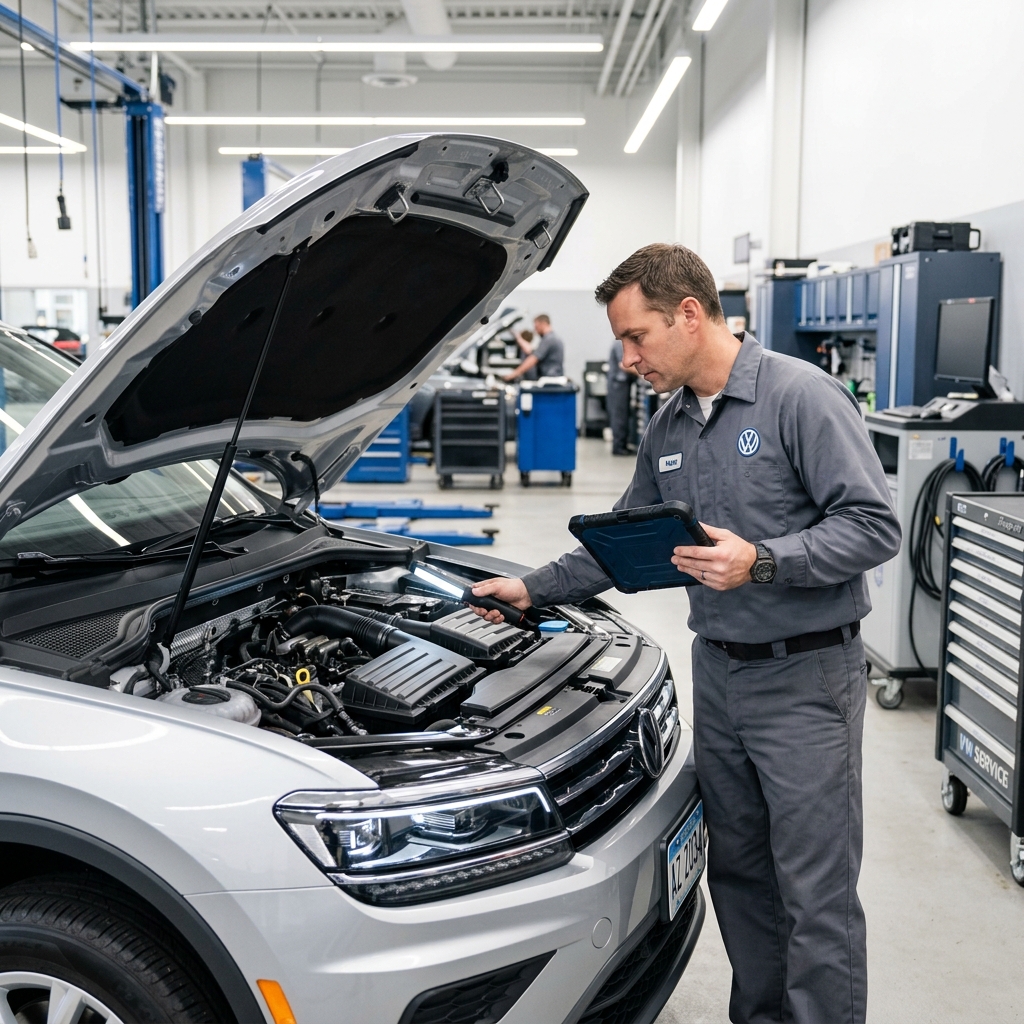
The physical appraisal is often where drivers feel the most vulnerable. It feels like an exam where you do not know the questions. But here is the secret: How does understanding the appraisal process make me more confident negotiating? When you know exactly what the appraiser is looking at, you can prepare the vehicle to excel in those specific areas and confidently speak to its condition. Appraisers do not use gut feelings; they use a highly structured, objective checklist to determine a vehicle’s wholesale value. First, they assess the external cosmetic condition. They look for deep paint scratches, door dings, windshield cracks, and the depth of the tire tread. Next, they move inside to check for seat tears, stains, persistent odors (such as smoke or pet smells), and the functionality of electronic features like the infotainment screen, heated seats, and air conditioning. Finally, they perform a mechanical inspection. This includes listening to the engine during a cold start, taking a short test drive to check transmission shift points and suspension wear, and hooking up an OBD-II scanner to ensure there are no active diagnostic trouble codes stored in the vehicle’s computer system.
Knowing that an appraiser is executing a systematic review allows you to address easy fixes beforehand, such as washing the car, replacing a burnt-out cabin bulb, or clearing out clutter, ensuring your vehicle makes the best possible first impression.
Should You Pay for Major Repairs Before Trading in Your Vehicle?
When preparing a vehicle for trade, many owners face a difficult dilemma: Should you get major repairs done before trading in your car? It’s easy to assume that fixing every single mechanical issue will maximize your trade-in value and result in a net financial gain. However, the math of automotive reconditioning rarely works out this way. In almost all cases, paying out-of-pocket for major mechanical repairs—such as a slipping transmission, a failing head gasket, or a complex suspension overhaul—will cost you more than the value it adds to your trade. Dealerships operate dedicated, highly efficient service departments. They can source parts at wholesale costs and perform labor at internal cost rates. A repair that costs you $2,500 at a retail mechanic might only cost the dealership $1,200 to perform internally.
Therefore, if you spend $2,500 on a major repair, the dealership’s trade-in offer for your vehicle will likely only increase by a fraction of that amount, resulting in a net loss for you. The smartest move is to disclose major mechanical issues upfront. Let the dealership’s specialized service department handle those larger overhauls post-trade. However, this rule does not apply to minor cosmetic and maintenance items. Replacing a cracked windshield, putting a fresh set of windshield wipers on, replacing a burnt-out headlight bulb, or performing a basic oil change can yield an excellent return on investment. These small, low-cost fixes prevent the appraiser from flagging the vehicle as ‘neglected,’ which preserves its core valuation tier.
If you decide to tackle a few simple DIY fixes before your trade-in appointment, you should ensure you are using high-quality components that won’t raise red flags during the inspection. You can easily Order Genuine Ford Parts directly through our parts department to ensure perfect compatibility and maintain the integrity of your vehicle. Additionally, if you would prefer to have our certified technicians perform a professional inspection or handle minor maintenance tasks before you finalize your trade-in details, you can quickly Schedule Ford Service Today. Our team will perform the work efficiently, giving you a clean bill of health to present during your physical appraisal.
Navigating Vehicle Trades During Military PCS Moves and Lifestyle Transitions
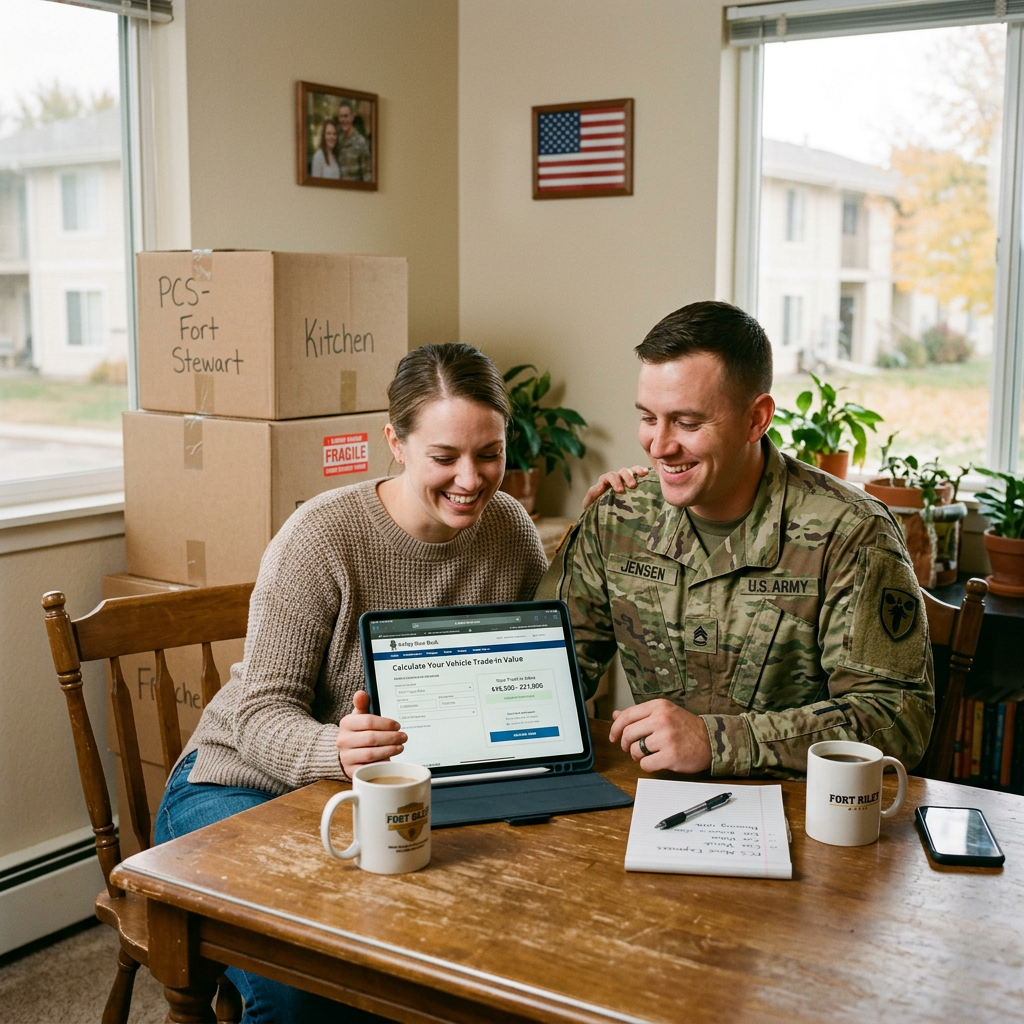
Living and working in the Junction City area means being part of a dynamic, highly mobile community. With Fort Riley right on our doorstep, we frequently work with military personnel navigating the rapid timeline of a Permanent Change of Station (PCS) move. When orders arrive, your entire life is compressed into a tight window. Deciding what to do with your family vehicles is a major component of that transition. Shipping a car to an overseas deployment or driving a high-mileage commuter vehicle across the country is often logistically challenging and financially impractical. In these high-pressure moments, a rapid, transparent trade-in process is a lifesaver. Trading in your current vehicle before a PCS allows you to eliminate auto transport fees, avoid the storage logistics of deployment, and clear out outstanding local debt. Alternatively, many service members use a PCS as an opportunity to transition from a smaller commuter car to a highly versatile, rugged truck like a Ford F-150, which is perfectly suited for the terrain and lifestyle of their next duty station.
Similarly, local agricultural workers in Dickinson County often experience seasonal lifestyle transitions where upgrading to a heavy-duty work truck becomes an immediate operational necessity. Whether you need the towing capacity of a Super Duty or the efficiency of a Maverick, we specialize in structuring custom financing solutions that fit your unique situation.
Your Step-by-Step Checklist for Trade-In Day Success
Step 1: Compile Your Documentation The fastest way to build confidence on trade-in day is to arrive with a perfectly organized binder of paperwork. Having your documents ready shows the dealership that you are an organized, serious seller, which streamlines the entire administrative workflow. Ensure you have: • The vehicle’s physical title (if you own it outright). • Your current vehicle registration. • Your auto loan payoff information (including lender name and account number). • A valid driver’s license for all parties listed on the title.
Step 2: Prepare the Physical Vehicle You do not need to spend hundreds of dollars on a professional detail, but presenting a clean vehicle has a massive psychological impact on the appraiser. It signals that the vehicle has been well-cared for throughout its lifespan. Be sure to: • Remove all personal belongings from the glovebox, trunk, and door pockets. • Give the exterior a thorough wash and vacuum the carpets. • Locate all physical keys and key fobs (missing fobs can cost $150-$400 to replace). • Place the owner’s manual in the glove box.
Step 3: Present Maintenance Records If you have been diligent about servicing your vehicle, let those records speak for you. A clear history of regular oil changes, brake replacements, and scheduled maintenance is concrete proof of the vehicle’s excellent mechanical health. Gather: • Reciepts for recent major services (new tires, battery, brakes). • A printed vehicle history report if you have one. • Any warranty transfer documents for aftermarket parts or extended service contracts.
How Kansas Tax Laws Save You Money When You Trade In
When evaluating whether to sell your car privately or trade it in, many people overlook a major financial benefit built directly into Kansas tax statutes. In the state of Kansas, when you trade in a vehicle to purchase another one from a licensed dealership, you are only required to pay state sales tax on the net difference between the purchase price of the new vehicle and the value of your trade-in. This tax incentive is not available in private transactions, making a dealership trade far more financially advantageous than it initially appears on paper. Let’s break down the math to see exactly how this works in practice. Suppose you are purchasing a new vehicle for $40,000, and your current trade-in is valued at $15,000. • Scenario A (Private Sale): You sell your car privately for $15,500. You then walk into the dealership with cash and buy the new vehicle for $40,000. Because there is no trade-in involved in the transaction, you must pay Kansas sales tax on the full purchase price of $40,000. At a hypothetical local sales tax rate of 8.5%, your sales tax bill would be $3,400. • Scenario B (Dealership Trade-In): You trade your vehicle in directly to Valor Ford for $15,000. We deduct that $15,000 from the purchase price of the new vehicle, leaving a taxable balance of $25,000 ($40,000 minus $15,000). At that same 8.5% sales tax rate, you only pay tax on the $25,000 difference, which equals $2,125. By trading in your vehicle, you instantly save $1,275 in sales tax. When you add that tax savings back into the equation, your $15,000 trade-in is actually worth $16,275 to your bottom line. Suddenly, the slight premium of a private sale completely evaporates, leaving you with more money in your pocket, zero administrative hassle, and absolute peace of mind.
Ready to Upgrade? Experience a Transparent Trade-In Process at Valor Ford
Building true confidence around trading in a vehicle does not require years of automotive industry experience. It simply requires preparation, clear-cut data, and a dealership partner that respects your time and intelligence. At Valor Ford, we have spent years cultivating a reputation as a trusted community resource for drivers throughout Junction City, Fort Riley, and Dickinson County. We do not hide behind high-pressure sales tactics or confusing financial jargon. Instead, we lay out the numbers clearly, explain our valuations step-by-step, and work alongside you to structure a deal that aligns perfectly with your household budget. Whether you are looking to trade in an old commuter car to get behind the wheel of a spacious family SUV, upgrading to a rugged truck to handle heavy-duty farm work, or navigating a sudden military move, we are here to support you. You can start the process from the comfort of your own home using our online trade valuation tool, or bring your vehicle directly to our showroom for a quick, transparent, and completely no-obligation physical appraisal. Let us show you how simple, rewarding, and empowering a dealership trade-in can truly be. Ready to take the next step? Get started today by valuing your vehicle online, or stop by and visit our friendly team in person. Get Directions to Valor Ford to plan your visit, or Call us at (785) 238-5114 to speak directly with an appraisal expert.
Tags: Auto Financing Options, Car Trade-In Tips, Dealership Trade-In, Kansas Car Sales, Local Market Vehicle Demand, Military Vehicle Trade-In, Negative Equity Solutions, Tax Savings on Trade-Ins, Trade-In Value Tools, Used Car Sales, Vehicle Appraisal Process, Vehicle Trade-In
Posted in
Buying Guides, Financing & Insurance, Used Vehicle Guides, Vehicle Trade-In Tips |
No Comments »