
Blog / Ownership & Service

What Is the Average Cost to Fully Winterize a Vehicle?

What Is the Average Cost to Fully Winterize a Vehicle?

What Is the Average Cost to Fully Winterize a Vehicle?

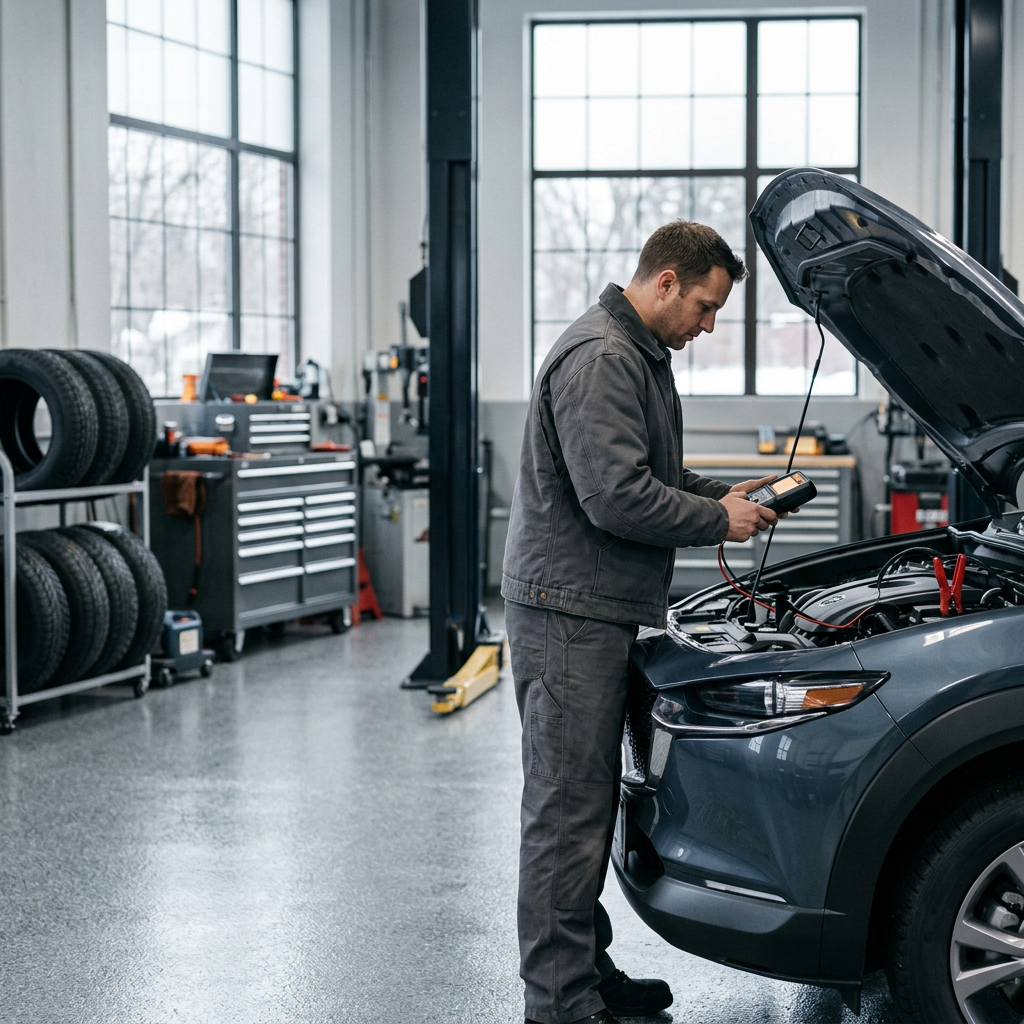
A complete vehicle winterization package at an independent repair shop typically costs between $175 and $350. That price tag covers baseline cold-weather maintenance, including an electrical test of the battery and charging system, an oil change with fresh synthetic winter-weight oil, a cooling system freeze-point evaluation, tire rotation, and the installation of heavy-duty winter wiper blades.

The total out-of-pocket cost fluctuates depending on vehicle size, engine displacement, and whether fluid flushes are necessary. A basic visual inspection with an oil change and tire rotation sits at the lower end of that range. If your vehicle requires a full cooling system flush, replacement of aged radiator hoses, or a new set of specialized winter wiper blades, the total can climb toward the $350 mark. Specialty fluids, such as high-capacity synthetic coolants designed for heavy-duty engines, also carry slightly higher material costs.

Independent repair garages frequently use universal aftermarket fluids to service multiple makes and models. While those products provide baseline freeze protection, they do not always match the exact corrosion inhibitor chemistry specified by original equipment manufacturers. In my 20 years as a Service Director, I have seen premature water pump leaks and heater core clogging caused by mixing incompatible coolant formulas. Factory-certified service facilities utilize Motorcraft fluids and components engineered specifically for your vehicle, ensuring long-term reliability in freezing weather. If you want to review seasonal maintenance pricing or confirm what services your vehicle actually requires before winter, you can give our team a quick call at (785) 238-5114.

Table of Contents

Fort Riley Holiday Block Leave Travel Checklist for Military Families

Before heading out on holiday block leave, military families should verify that their private motor vehicle (POV) passes a comprehensive multi-point inspection covering critical mechanical systems, cold-weather fluids, and emergency supplies. Long cross-country journeys across unpredictable winter climates expose mechanical weaknesses that short daily commutes never reveal.

Service members preparing to depart Fort Riley face distinct travel challenges, often driving hundreds or thousands of miles through severe cold and sudden snowstorms to visit family. While unit POV inspection forms cover visual exterior basics, a standard motor pool walk-around cannot detect weakened battery cells, thin brake friction material, or degraded serpentine belts. A dependable pre-departure inspection checklist should systematically verify:

  • Engine battery cold-cranking capacity, terminal cleanliness, and alternator charging output
  • Coolant freeze protection level, radiator hose elasticity, and heater core performance
  • Brake pad thickness, rotor condition, and brake fluid boiling point
  • Tire tread depth across all four positions, plus the physical condition and pressure of the spare tire
  • Headlights, brake lights, turn signals, and hazard flashers
  • Windshield wiper condition and sub-zero washer fluid fill level

Addressing minor mechanical concerns before leaving post prevents costly roadside delays during tightly scheduled leave windows. Equipping your vehicle with factory-engineered components, such as high-tension wiper blades and heavy-duty belts, ensures peak performance in freezing weather. You can order genuine Ford parts directly through our service counter to get your vehicle road-ready. If unexpected mechanical trouble or a flat tire occurs during interstate transit, new Ford vehicles feature factory-backed warranty protection that includes roadside support. In the event of a travel emergency, drivers can contact Ford Roadside Assistance: 1-800-241-3673 for towing support to an authorized dealership.

What Engine Fluid Levels and Freeze Ratings Must Be Verified Before Winter Travel?

Safe winter road travel requires engine coolant blended to provide freeze protection down to at least -34 degrees Fahrenheit, paired with windshield washer solvent rated for -20 degrees Fahrenheit or lower. Neglecting fluid freeze ratings can result in cracked engine blocks, split radiator tanks, or blind driving conditions caused by frozen windshield sprayers.

Modern cooling systems depend on an accurate 50/50 ratio of concentrated ethylene glycol antifreeze and distilled water. If that balance tilts too heavily toward water from summertime top-offs, the coolant can crystallize inside narrow radiator passages and the engine block during sub-zero overnight parking. When water freezes, it expands with enough force to crack cast iron or aluminum castings and dislodge core plugs. Technicians use optical refractometers to measure coolant freeze points accurately, ensuring adequate protection before vehicles encounter northern interstate corridors.

Engine motor oil also requires careful attention ahead of freezing temperatures. Cold weather causes conventional engine lubricants to thicken, which increases internal drag and delays oil delivery to critical upper valve train components during a cold start. Switching to a factory-recommended multi-viscosity synthetic oil, such as 5W-20 or 5W-30, ensures rapid oil pressure development and reduced engine wear on frosty mornings.

Brake fluid represents another frequently overlooked winter risk. Glycol-based brake fluid is naturally hygroscopic, absorbing moisture from ambient air through microscopic rubber hose pores over time. When water content rises above 3 percent, the fluid boiling point drops significantly, and moisture can freeze into microscopic ice crystals inside cold caliper bores and anti-lock brake valving. Verifying brake fluid moisture levels with a digital tester before departure ensures firm pedal response on slippery grades.

What Tire Tread Depth and Cold Inflation Pressure Are Required for Winter Highways?

Winter highway driving demands a remaining tire tread depth of at least 4/32 to 5/32 of an inch, alongside cold inflation pressures set strictly to the vehicle manufacturer specification found on the driver-door placard. While the legal minimum tread depth across most jurisdictions is 2/32 of an inch, that minimal groove depth cannot channel slush or grip packed snow effectively.

As tread depth wears down below 4/32 of an inch, braking distances on wet and snow-covered pavement increase dramatically. The shallow sipes and grooves lose their ability to evacuate slush, causing the tire to ride up on a wedge of slush and hydroplane at highway speeds. You can run a quick check at home using a standard quarter: insert the coin into the tread with Washington’s head upside down. If the top of Washington's head remains completely visible, your tires have less than 4/32 of an inch of tread remaining and lack adequate biting edges for winter roads.

Cold inflation pressure directly dictates the shape and size of your tire contact patch. Tire pressure decreases by approximately 1 PSI for every 10-degree drop in outside ambient temperature. A tire inflated to 35 PSI inside a warm garage can drop to 30 PSI once exposed to outdoor freezing temperatures, leading to uneven shoulder wear, poor fuel efficiency, and sluggish steering response. Always check pressure when tires are completely cold, and use a dedicated digital gauge rather than relying solely on dashboard tire monitoring warnings.

Commuting along the rolling river plains around Junction City exposes tires to rapid temperature swings and rough winter road surfaces. If your tires show uneven shoulder wear, sidewall cracking, or inadequate tread depth, you can schedule Ford service online to have our technicians inspect, rotate, or replace your tires before your journey begins.

Which Military POV Inspection Checklist Items Require Professional Diagnostic Tools?

Accurately evaluating battery internal health, alternator diode ripple, brake fluid moisture percentage, diagnostic trouble codes, and four-wheel alignment geometry requires dedicated professional electronic equipment. While visual vehicle checks are helpful, basic observation cannot reveal internal component fatigue or electrical degradation.

A standard handheld multimeter can show a battery resting at 12.6 volts, giving drivers a false sense of security. However, surface voltage does not reveal internal plate sulfation or the battery's true cold-cranking capacity under load. In freezing weather, engine oil thickens and requires up to twice as much electrical amperage to spin the starter motor, while the battery's chemical capacity drops by nearly half. Our technicians use digital conductance analyzers to test internal resistance and measure available cold cranking amps against original factory specifications, identifying marginal batteries before they strand you in sub-zero weather.

Electronic powertrain scanning is another critical task requiring commercial diagnostic gear. Modern family haulers, such as the Ford Explorer equipped with Intelligent 4WD and a 2.3L EcoBoost engine running a SelectShift® automatic transmission, rely on complex networks of sensors controlling traction and stability. Pending diagnostic trouble codes often lurk within the electronic control unit without immediately illuminating a check engine light. Professional diagnostic scan tools retrieve these pending codes, pinpointing intermittent misfires, weak oxygen sensors, or failing wheel speed sensors before they trigger limp-mode during a highway trip.

Digital optical alignment machines provide diagnostic precision that cannot be replicated at home. Hitting hidden potholes or rough road shoulders knocks wheel alignment out of factory tolerance. Even minor misalignment creates uneven tire scrubbing, increases rolling resistance, and causes directional instability when traveling over ice and packed snow. A computerized four-wheel alignment measurement ensures all four tires track true, maximizing traction and tire life.

Emergency Preparedness: How Much Food and Water Should You Pack for Winter Road Trips?

A properly equipped winter vehicle emergency kit must contain at least one gallon of drinking water per person per day packed for a 48 to 72-hour window, alongside a three-day supply of shelf-stable, high-calorie food. In severe winter weather, highway closures and whiteout conditions can leave travelers stranded in remote areas for hours or days before recovery crews arrive.

Packing drinking water in freezing weather requires specific precautions. Standard rigid plastic jugs and thin disposable bottles crack and burst when water freezes and expands inside them. Store your emergency drinking water in durable, flexible hydration packs or commercial foil-sealed emergency water pouches, leaving slight air space for expansion. Keep your water inside the vehicle cabin rather than an unheated cargo area or exposed pickup bed, where interior residual heat helps keep it liquid.

Emergency rations should prioritize calorie density, long shelf life, and minimal preparation needs. Staying warm in a stalled vehicle consumes high amounts of metabolic energy. Excellent food options include:

  • Unsalted nuts, sunflower seeds, and dried fruit mixes
  • Commercial protein and energy bars
  • Beef jerky and dehydrated meat sticks
  • Ready-to-eat canned meals equipped with pull-tab lids
  • Hard candies and whole-grain crackers

Beyond food and water, your vehicle should carry heavy fleece blankets, a compact folding shovel, traction sand, an LED flashlight with extra lithium batteries, and a high-capacity portable jump-starter. Making sure your private vehicle is mechanically inspected and equipped with emergency essentials provides peace of mind for the entire family. Before packing your travel gear and hitting the interstate this season, drop by our service center on Goldenbelt Boulevard so our factory-trained team can inspect your vehicle and verify it is completely ready for winter travel.


© 2026 Valor Ford. All rights reserved.
Vehicle specification data © JATO Dynamics Limited.


Posted in:

Related Posts

How Much Does 50 Gallons of Diesel Fuel Weigh?

How Much Does 50 Gallons of Diesel Fuel Weigh?

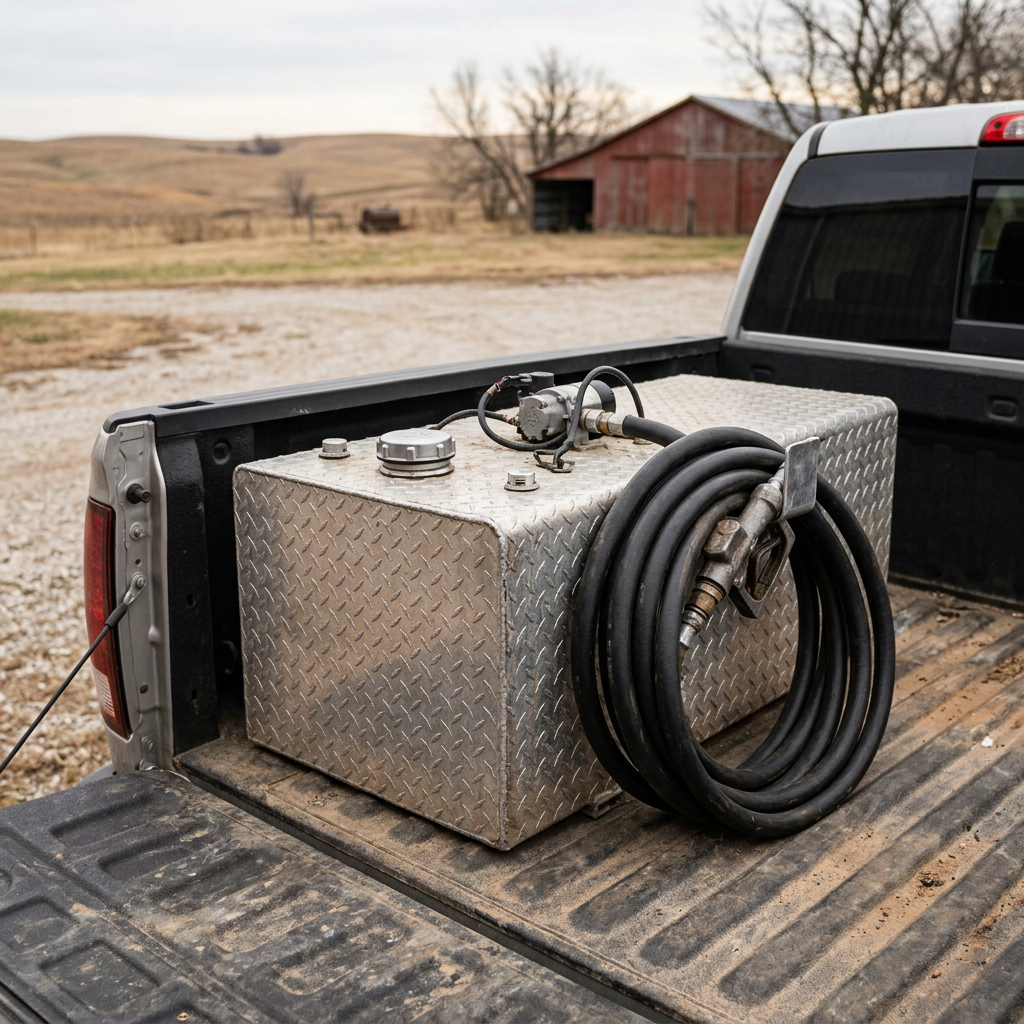
How Much Does 50 Gallons of Diesel Fuel Weigh? At standard petroleum reference conditions of 60°F, 50 gallons of standard No. 2 diesel fuel weighs roughly 355 pounds. Because standard U.S. diesel averages about 7.1 pounds per gallon, carrying that volume puts a noticeable amount of mass in your truck bed before accounting for the metal container, transfer pump, mounting brackets, or hardware. 50 GALLONS OF NO. 2 DIESEL AT 60°F 1 Gallon: ~7.10 lbs ---> 50 Gallons: ~355 lbs * Net liquid weight only. Hardware/tanks add 80-180 lbs. When local contractors and ag haulers ask about bed-tank sizing on our lot, the first calculation we run is net liquid mass versus remaining bed capacity. That 355-pound number is the liquid alone. Commercial-grade diesel can fluctuate between 6.9 and 7.2 pounds per gallon depending on refining baselines, ambient air temperature, and seasonal blending. In standard operating conditions, planning on roughly 7.1 pounds per gallon gives you the practical margin you need. Single gallon baseline: approximately 7.1 pounds (3.22 kg) at standard 60°F ambient temperature 50-gallon liquid total: approximately 355 pounds of net fuel 100-gallon liquid total: approximately 710 pounds of net fuel Hardware tare factor: add 80 to 180 pounds for empty steel or aluminum containment If you are setting up a commercial rig near Junction City or want to verify payload math on an existing truck, our team can help you dial in the numbers. For help, give us a quick call. To inspect factory bed ratings in person, use directions to Valor Ford to find our showroom. Table of Contents Is Diesel Fuel Heavier or Lighter Than Water and Gasoline? Does Temperature and Fuel Density Change What 50 Gallons of Diesel Weighs? How Heavy Is a Full 50-Gallon Steel Tank and Auxiliary Bed Tank Setup? How Diesel Fuel Weight Impacts Your Truck GVWR and Available Payload Does Carrying Extra Fuel Weight Hurt Your Diesel MPG and Performance? Is Diesel Fuel Heavier or Lighter Than Water and Gasoline? Diesel fuel is lighter than fresh water but substantially heavier than standard automotive gasoline. At standard temperatures, fresh water weighs 8.34 pounds per gallon, while standard automotive gasoline weighs between 6.0 and 6.3 pounds per gallon. No. 2 diesel sits in the middle at about 7.1 pounds per gallon. LIQUID WEIGHT PER GALLON COMPARISON Fresh Water: 8.34 lbs/gal =======================> [Heaviest] No. 2 Diesel: 7.10 lbs/gal =================> Gasoline: 6.15 lbs/gal ============> [Lightest] Because diesel is roughly 15 percent less dense than water, its specific gravity sits near 0.85. That physical property is why fuel water-separator filters work reliably on heavy-duty diesel platforms. Free water introduced through condensation or storage contamination drops straight to the bottom of the fuel bowl, triggering the water-in-fuel sensor before moisture reaches high-pressure common-rail injectors. When servicing your truck, using the correct replacement filter from our catalog to order factory components keeps that separation barrier functioning properly. Compared to gasoline, diesel carries around 14 percent more weight per gallon. That additional mass stems from longer, heavier hydrocarbon carbon-chain lengths (typically C10 to C24 for diesel, versus C4 to C12 for pump gasoline). Those denser chains give diesel a higher volumetric energy density, producing more thermal energy and working torque per gallon burned. If you are comparing midsize utility rigs that haul lighter trail supplies, such as exploring our new off-road SUV lineup, fuel weight calculations rarely require auxiliary bed planning, but on heavy-duty work platforms, the extra mass of diesel quickly adds up. Does Temperature and Fuel Density Change What 50 Gallons of Diesel Weighs? Temperature directly alters the density of diesel fuel, meaning 50 gallons will weigh about 362 pounds in deep winter cold and drop to roughly 348 pounds in triple-digit summer heat. Petroleum fuels expand when heated and contract when chilled, shifting the mass contained inside a fixed 50-gallon liquid volume by roughly 14 pounds over a typical seasonal swing. Ambient Fuel Temperature Density (lb/gal) Total Weight (50 Gallons) Common Seasonal Context 0°F 7.30 365 lbs Extreme winter weather 20°F 7.23 362 lbs Typical Midwestern freezing conditions 60°F 7.09 355 lbs Standard petroleum reference baseline 80°F 7.03 351 lbs Mild summer operating temperature 100°F 6.97 348 lbs High summer field operations Fuel chemistry creates further density variation. Standard No. 2 diesel provides peak energy density, but refiners introduce lighter No. 1 diesel (kerosene fractions) or anti-gelling additives during sub-freezing months to drop the cloud point. Straight No. 1 diesel weighs roughly 6.7 to 6.9 pounds per gallon. A 50/50 winter blend drops total 50-gallon weight by 5 to 10 pounds compared to straight summer No. 2. Biodiesel blends shift the scale in the opposite direction. Pure B100 biodiesel averages around 7.34 pounds per gallon. Common regional blends like B20 weigh roughly 7.13 pounds per gallon at 60°F, adding about 1.5 to 2.0 pounds across a full 50-gallon fill. For drivers looking through our pre-owned truck inventory for farm or commercial work, understanding these seasonal swings helps keep loading assumptions accurate year-round. How Heavy Is a Full 50-Gallon Steel Tank and Auxiliary Bed Tank Setup? A full 50-gallon auxiliary steel tank setup routinely adds between 435 and 535 pounds to your truck bed once the container, fuel, and pumping accessories are totaled. While the diesel fuel itself accounts for 355 pounds, the structural hardware required to transport that fuel securely adds substantial dead weight. 50-GALLON AUXILIARY BED SETUP: WEIGHT BREAKDOWN No. 2 Diesel (50 gal @ 60°F): 355 lbs Steel Auxiliary Tank (Tare): 80 - 110 lbs 12V Transfer Pump, Hose & Nozzle: 25 - 45 lbs Mounting Brackets & Bed Hardware: 10 - 20 lbs --------------------------------------------------------- Total In-Bed Payload Footprint: 470 - 530 lbs Empty 14-gauge to 12-gauge steel transfer tanks generally weigh 80 to 110 pounds on their own. Swapping to a heavy-duty commercial auxiliary combo unit with an integrated lower toolbox or heavy 7-gauge mounting plate pushes the dry shell closer to 130 to 160 pounds. High-flow 12-volt commercial transfer pumps, reinforced hoses, automatic shutoff nozzles, and bed-floor mounting kits contribute another 35 to 50 pounds. Fuel only (50 gallons): 355 pounds Empty steel tank: 80 to 110 pounds Empty aluminum tank (alternative): 50 to 75 pounds Dispensing pump, hose, and wiring: 25 to 45 pounds Total static bed payload (steel): 460 to 510 pounds typical Because that weight is concentrated directly behind the truck cab, professional installation is essential to protect bed integrity, maintain safe balance, and ensure clean wiring. Our certified technicians can mount auxiliary hardware, inspect suspension tie-ins, and handle factory maintenance on your heavy-duty truck to ensure your setup operates safely under continuous payload stress. How Diesel Fuel Weight Impacts Your Truck GVWR and Available Payload Every pound of diesel you put in an auxiliary bed tank subtracts directly from your truck's remaining payload capacity before you load equipment, passengers, or tongue weight. A full 50-gallon transfer system drawing 475 pounds of payload against a truck's Gross Vehicle Weight Rating (GVWR) reduces the margin available for fifth-wheel pin weight or gravel bed loads. HOW BED FUEL EATS YOUR PAYLOAD Truck GVWR: 10,000 lbs Less Base Curb Weight (Full Main Tank): -7,200 lbs --------------------------------------------------------- Factory Placed Payload Rating: 2,800 lbs Less 50-Gal Full Auxiliary System: -480 lbs --------------------------------------------------------- Real-World Remaining Payload: 2,320 lbs Across the agricultural pastures of Dickinson County, producers frequently mount auxiliary transfer tanks to fuel combines, swathers, and skid steers on site. A common operational mistake is calculating available payload from the factory tire-and-loading door sticker without factoring in aftermarket accessories. The factory sticker reflects curb weight with standard fluids, including the main tank, but assumes an empty cargo bed. When an auxiliary tank is bolted behind the cab, that 450-to-500-pound package permanently reduces your legal payload. If your 3/4-ton truck carries a 3,100-pound payload rating, a full 50-gallon steel transfer tank consumes nearly 16 percent of that allowance before you hitch up a gooseneck livestock trailer. If your current truck is running close to its axle limits and you are considering a capacity upgrade, our sales team can run a fast trade-in appraisal on your current vehicle and pair you with a properly rated heavy-duty platform. Does Carrying Extra Fuel Weight Hurt Your Diesel MPG and Performance? Carrying an extra 50-gallon auxiliary diesel system weighing around 500 pounds will reduce unladen fuel economy by roughly 2 to 5 percent in mixed driving conditions. Automotive engineering standards show that every additional 100 pounds of sustained onboard weight decreases internal combustion efficiency by roughly 0.5 to 1.0 percent, primarily during stop-and-go acceleration and hill climbs. Modern high-output turbo-diesel powertrains generate immense low-end torque, typically ranging from 800 to 1,200 lb-ft, which easily masks the physical drag of a 500-pound payload from behind the wheel. The engine will not feel sluggish, but your drivetrain works continuously to overcome rolling resistance and inertia. Over thousands of miles, that extra mass translates into measurable fuel consumption and accelerated wear on rear brake friction materials and tires. 500-LB AUXILIARY TANK: REAL-WORLD TRADEOFFS Fuel Economy Cost: 0.5 to 1.0 MPG reduction Range Benefit: 600 to 900+ additional miles Handling Impact: Slightly planted rear axle Braking Requirement: Higher continuous kinetic mass For most commercial drivers, the convenience of bulk on-site fueling and continuous operating range easily justifies that slight efficiency trade-off. To configure a new heavy-duty build matched to your daily hauling demands, you can apply for financing online, speak directly with our truck specialists by placing a phone call, or map out your route to our dealership on Goldenbelt Boulevard to review payload stickers on our heavy-duty inventory. © 2026 Valor Ford. All rights reserved.
Do Any Electric Trucks Offer Factory Infrared Thermal Night-Vision Cameras?

Do Any Electric Trucks Offer Factory Infrared Thermal Night-Vision Cameras?

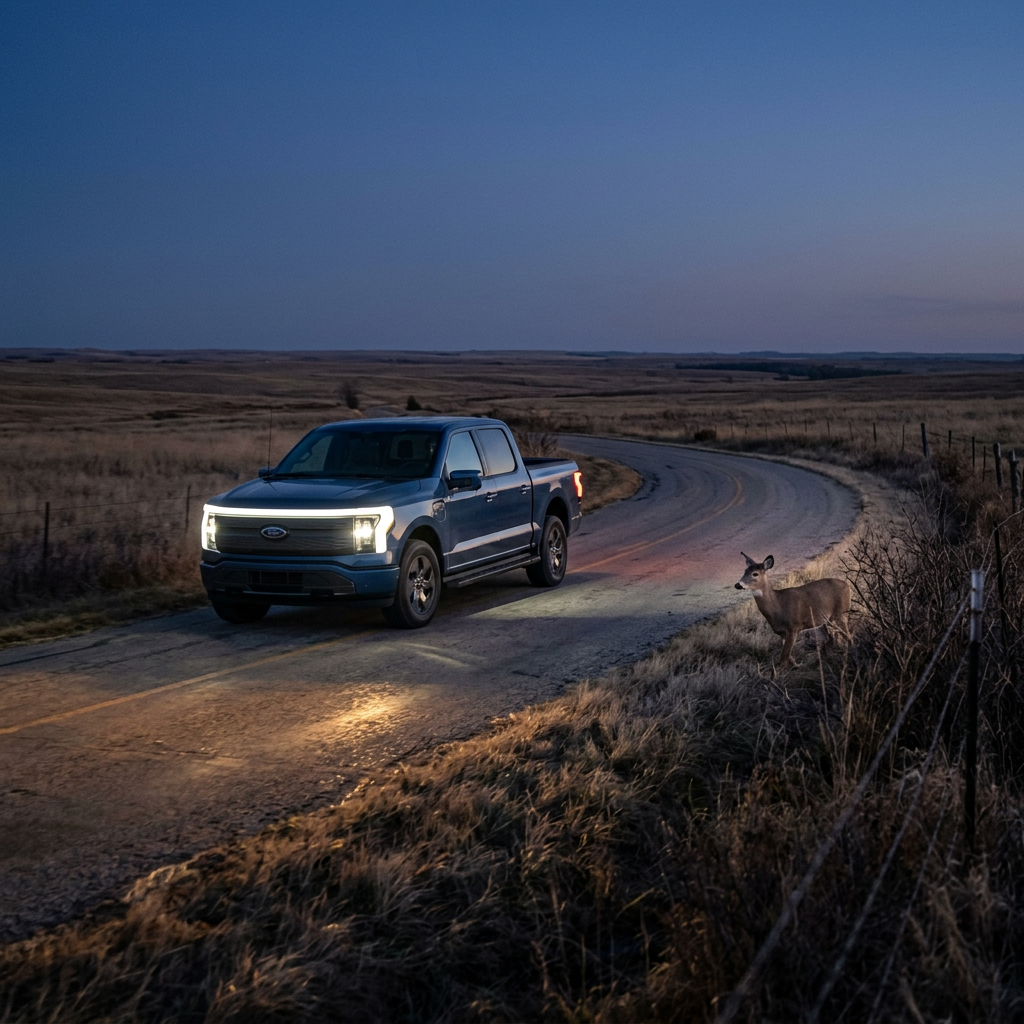
Do Any Electric Trucks Offer Factory Infrared Thermal Night-Vision Cameras? No consumer electric pickup currently leaves the factory with an integrated infrared thermal night-vision camera system. Mass-production electric trucks, including the Ford F-150 Lightning, Rivian R1T, Tesla Cybertruck, and GMC Hummer EV, do not include thermal imaging hardware in their factory equipment packages. Drivers wanting thermal imaging to detect wildlife heat signatures beyond normal headlight reach install aftermarket FLIR or specialized automotive thermal sensors on external mounts, displaying the video feed through dedicated dash monitors or auxiliary screens. Factory automotive thermal night-vision remains limited to a select group of luxury passenger vehicles, primarily from European manufacturers like Audi, BMW, and Mercedes-Benz, alongside select Cadillac SUVs. Mainstream full-size pickup platforms rely instead on visible-spectrum optical cameras paired with forward-facing radar units. The 2026 Ford F-150 Lightning includes Ford Co-Pilot360 2.0 as standard equipment, which powers optical driver assists like Pre-Collision Assist with Automatic Emergency Braking and pedestrian detection. Optical and radar setups identify physical shapes and contrasting silhouettes against illuminated pavement, but they do not register long-range body heat radiating from a deer hidden in roadside brush. Aftermarket thermal camera systems detect electromagnetic radiation in the far-infrared spectrum, translating heat differentials into a high-contrast black-and-white video feed. A deer standing against cold autumn prairie foliage glows brightly on a thermal display long before conventional headlamps illuminate its physical body. Integrating an aftermarket setup onto an electric pickup requires mounting an enclosed thermal sensor behind the front grille or on a brush guard, routing water-sealed cabling through the firewall, and powering the receiver off the 12-volt auxiliary system. Drivers navigating rural highway routes after dusk often ask our technicians about cleanly wiring these systems, and you can discuss installation requirements by (785) 238-5114. Table of Contents Understanding Kansas Deer Collision Risks During the November Peak How Ford F-150 Lightning LED Projector Headlights Enhance Rural Nighttime Visibility Highway Driving Tactics and Insurance Coverage for Wildlife Encounters Stopping Distance Realities: Comparing the Ford Lightning to Gas-Powered Pickups Choosing Tires to Handle Electric Truck Weight and Cold Pavement Preparing Your Truck Braking and Lighting Systems for Rural Highway Travel Understanding Kansas Deer Collision Risks During the November Peak Kansas drivers encounter the year's highest deer-strike hazard in November, when the whitetail breeding rut prompts intense, erratic animal movements across open highways. Kansas recorded 10,742 deer-related motor vehicle crashes in 2025, representing a significant portion of all statewide roadway incidents. Collision frequency spikes sharply during the ninety minutes surrounding sunrise and sunset, coinciding with standard morning and evening commutes across rural counties. Agricultural corridors amplify this hazard as autumn crop harvesting strips cover from farm ground, pushing wildlife toward timbered river bottoms and grassy highway rights-of-way. In Dickinson County, broad expanses of cultivated fields meet prairie waterways, creating natural transit funnels where herds cross two-lane state highways without hesitation. Whitetail deer rarely travel in isolation during November; a buck frequently chases a doe across asphalt, meaning that slowing down for a single visible animal only mitigates half the danger. Understanding these migratory behaviors helps drivers prepare their vehicles for unexpected encounters before hitting two-lane rural blacktop. If you are exploring all-weather utility vehicles designed for open country travel, browse our new Ford Bronco Badlands inventory to see factory lighting and off-road protection packages built for unpredictable terrain. How Ford F-150 Lightning LED Projector Headlights Enhance Rural Nighttime Visibility The dynamic bending LED projector headlamps on equipped Ford F-150 Lightning pickups illuminate rural road margins by physically swiveling beam output into corners and casting a broader lateral light spread. Unlike standard reflector housings that deliver fixed forward illumination, projector lenses focus light through specialized optics to generate crisp cutoffs and wide peripheral coverage. This lateral light throw brightens the grassy shoulders and drainage ditches where deer congregate before darting onto the road. Complementing this physical beam spread is standard Auto High-Beam technology, which operates via a windshield-mounted optical sensor behind the rearview mirror. The system automatically engages high beams on unlit rural corridors and dips them when detecting oncoming headlights or preceding taillights. In national safety testing, the 2026 Lightning earned an Acceptable headlight evaluation alongside a Good rating for front pedestrian crash prevention, reflecting the system's ability to maximize roadway visibility without blinding oncoming motorists. Drivers can fine-tune high-beam automation through the central SYNC 4A touchscreen under the Lighting menu to adapt sensitivity for rural driving. Factory auxiliary features like Zone Lighting offer 360-degree illumination around the perimeter of the truck cab and bed, though this system is restricted to stationary use at campsites or worksites and turns off once vehicle speed exceeds 5 mph. For highway cruising, forward vision relies entirely on the projector housings. To learn more about standard lighting hardware across different powertrain packages, read our 2026 Ford F-150 model research, or evaluate earlier model years within our pre-owned truck selection. Highway Driving Tactics and Insurance Coverage for Wildlife Encounters When a deer leaps into your path on a rural highway, state wildlife officials and highway safety troopers advise holding your lane and braking firmly rather than swerving. Veering sharply at highway speeds frequently leads to vehicle rollovers, ditch impacts, or head-on collisions with oncoming traffic, all of which carry far higher casualty rates than striking an animal head-on. Sounding a single continuous blast of your vehicle horn helps scare wildlife off the road, whereas flashing high beams can cause deer to freeze directly in your lane. Repairing bodywork after an animal strike falls strictly under the comprehensive section of an auto insurance policy, not standard collision coverage. A direct animal strike is classified as a comprehensive loss, meaning policyholders pay their agreed comprehensive deductible without the automatic fault assessment that follows a two-vehicle crash. However, if a motorist swerves to avoid a deer and collides with a guardrail, culvert, or oncoming vehicle, insurance adjusters categorize the incident as a collision claim, which often triggers higher out-of-pocket costs and rate surcharges. Following an unavoidable impact, drivers must move their truck to a safe shoulder location, activate hazard flashers, and inspect critical components before continuing. A front-end animal strike can compromise radiator cooling lines, dislodge forward radar sensors, or shatter headlight assemblies. If collision damage prompts you to consider replacement options rather than extensive frame and body repair, start by using our online trade-in evaluation tool to assess your current truck's value. Stopping Distance Realities: Comparing the Ford Lightning to Gas-Powered Pickups Panic stops from 70 mph in a Ford F-150 Lightning require approximately 175 to 185 feet, which measures roughly 5 to 10 feet longer than an equivalent gasoline-powered F-150. This variance stems directly from the battery pack integrated into the ladder frame, pushing curb weight between 6,000 and 6,900 pounds depending on battery size. Gas-powered half-ton pickups generally weigh between 4,700 and 5,500 pounds, meaning the electric platform must manage substantially more kinetic energy during emergency deceleration. To arrest this mass safely, the 2026 Ford F-150 Lightning employs heavy-duty four-wheel disc brakes with ABS combined with an electronic regenerative braking system. In emergency panic stops, hydraulic brake fluid pressure clamps large multi-piston calipers onto ventilated rotors while the electric drive motors reverse resistance to capture kinetic energy. The anti-lock brake calibration modulates line pressure rapidly, preventing wheel lockup on frost-dusted rural asphalt and maintaining steering control while the truck comes to a halt. Because of this vehicle mass, maintaining proper following distances and scanning several seconds ahead down rural blacktop is critical during high-risk seasons. Drivers transitioning from older gas trucks quickly adapt to the pedal feel, which delivers confident stopping authority despite the extra curb weight. Shoppers evaluating electric capability for their regional driving routines can apply for financing pre-approval online to explore ownership options with our finance specialists. Choosing Tires to Handle Electric Truck Weight and Cold Pavement Selecting replacement tires for the Ford F-150 Lightning demands high-load XL or E-load rated rubber engineered to withstand electric curb weight and immediate motor torque. The 2026 Lightning Pro produces 536 horsepower and 775 lb-ft of torque, delivering instant rotational force that shreds standard passenger-rated truck tires and elongates cold-weather braking distances. Reinforced sidewalls prevent excessive tire squirm under heavy lateral loads and preserve straight-line stability during emergency stops. Premium highway and all-terrain options like the Michelin Defender LTX M/S2 and Goodyear Wrangler Territory AT utilize silica-rich tread compounds that remain pliable when autumn temperatures drop toward freezing. Standard all-season rubber hardens on cold asphalt, reducing the tire contact patch right when deer activity peaks. Dedicated winter or severe-snow-rated tires bearing the three-peak mountain snowflake symbol deliver optimal mechanical grip on frozen rural surfaces, dramatically shortening stopping distance compared to worn factory rubber. Tire tread depth should measure at least 5/32 of an inch before entering late autumn to ensure adequate water and slush evacuation along rural highway routes. You can schedule a service appointment to have our technicians inspect tread wear and perform a computer-balanced rotation. Our parts center also assists owners with ordering genuine Ford parts and factory-approved load-rated wheel assemblies matched to your truck's specifications. Preparing Your Truck Braking and Lighting Systems for Rural Highway Travel Consistent maintenance of your truck's forward lighting and braking hardware ensures optimal reaction time on dark country highways. Road grime, dried bug splatter, and dried road salt build up on outer headlight lenses, scattering the focused beam of LED projector lamps and cutting forward visibility by up to thirty percent. Keeping outer lens covers clean and verifying headlight aim ensures your low and high beams illuminate roadside ditches without glaring oncoming traffic. Inspecting brake pad thickness and rotor condition is equally critical before embarking on long evening highway drives. While regenerative braking extends friction brake pad longevity on the Lightning, physical calipers and slide pins require routine cleaning and lubrication to prevent corrosion and uneven pad drag. For emergency assistance should a breakdown or collision occur on Kansas highways, drivers benefit from manufacturer-backed protection by calling Ford Roadside Assistance: 1-800-241-3673, which coordinates authorized towing and technical support directly through certified brand centers. Our service department inspects sensor alignment, aims headlight housings, and checks brake pad wear to keep your truck road-ready for peak wildlife seasons. Drivers along the Kansas River plains in Junction City can prepare their vehicles for autumn travel by finding our showroom on Goldenbelt Boulevard, where our team is available to assist with all your Ford maintenance needs. © 2026 Valor Ford. All rights reserved.
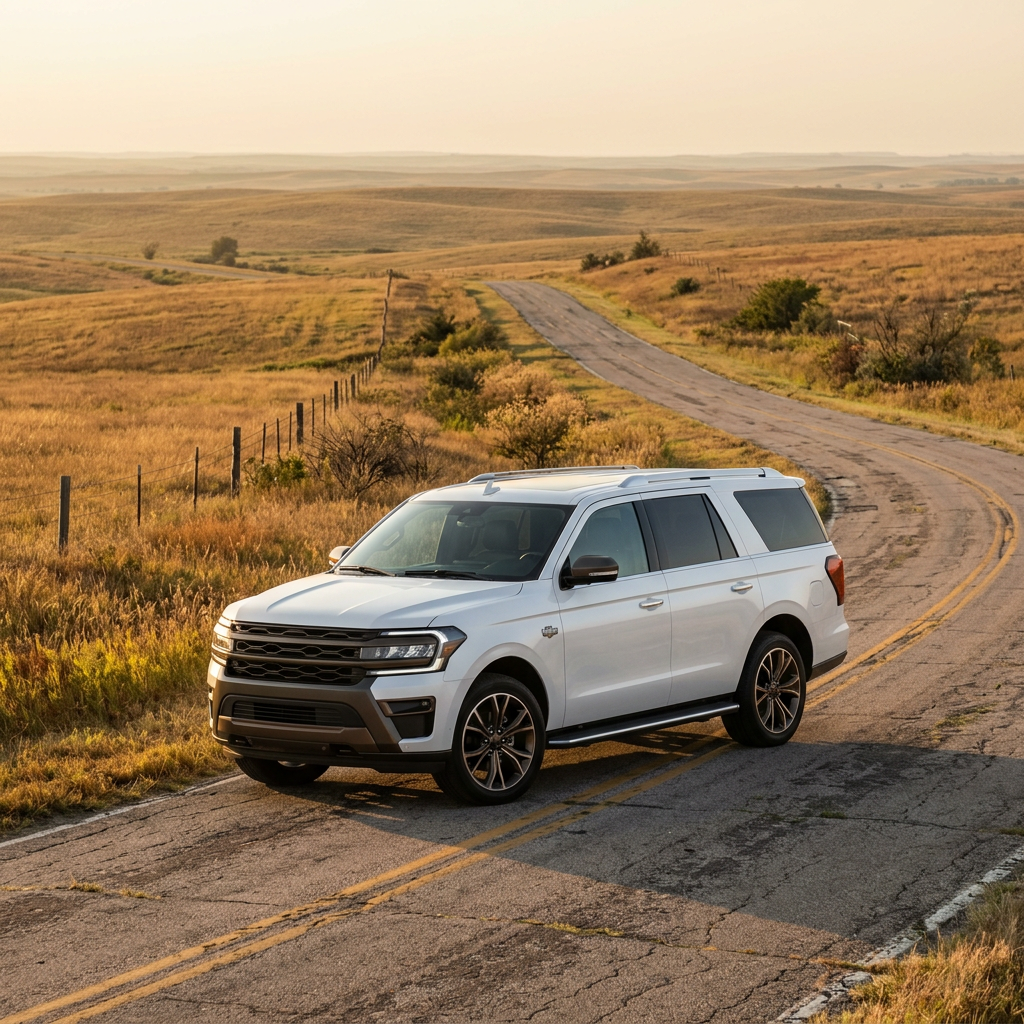
2027 Ford Expedition King Ranch: Full-Size Luxury SUV Review

2027 Ford Expedition King Ranch: Full-Size Luxury SUV Review

2027 Ford Expedition King Ranch: Full-Size Luxury SUV Review The 2027 Ford Expedition King Ranch 4X4 is the right choice for families and working buyers who need genuine three-row seating, up to 9,600 lbs of towing capacity, and Western-inspired premium craftsmanship in a single vehicle. Powered by Ford's twin-turbocharged 3.5L EcoBoost V6 producing 400 hp and 480 lb-ft of torque, it pairs serious capability with a richly appointed leather cabin. A unit is in stock at Valor Ford (stock #27FT04) in Star White Metallic Tri-Coat with Mesa Del Rio leather, ready to drive today. Table of Contents How Much Does the 2027 Ford Expedition King Ranch Cost to Own in Junction City? Bold Exterior Styling Tailored for Roads and Kansas Plains Power and Control for Trails and Prairie Roads with the 2027 Ford Expedition King Ranch Family Comfort for Fort Riley Weekends and Outings in the 2027 Ford Expedition King Ranch Connectivity That Keeps Professionals on Track in the 2027 Ford Expedition King Ranch Protection Designed for Military Families and Rural Roads All-Trims Pricing Breakdown for the 2027 Ford Expedition King Ranch Warranty, Maintenance, and Service Insights for 2027 Ford Expedition King Ranch Owners Awards and Expert Recognition Highlighting the 2027 Ford Expedition King Ranch's Strengths Frequently Asked Questions from Buyers About the 2027 Ford Expedition King Ranch How Much Does the 2027 Ford Expedition King Ranch Cost to Own in Junction City? The 2027 Ford Expedition King Ranch 4X4 starts at a base MSRP of $86,990, with a destination charge of $2,795. The in-stock unit at Valor Ford (stock #27FT04) is listed at $87,788, reflecting its specific option content including the Connectivity Package and Star White Metallic Tri-Coat paint. 2027 Ford Expedition King Ranch Pricing Feature King Ranch 4X4 Base MSRP $86,990 Destination charge $2,795 That price point positions the King Ranch as a premium full-size SUV investment, and it competes directly against vehicles like the Chevrolet Tahoe, GMC Yukon, and Toyota Sequoia at similar or higher price levels. For families in Junction City weighing the cost of ownership, fuel economy plays a meaningful role in the long-term math. 2027 Ford Expedition King Ranch Fuel Economy Feature King Ranch 4X4 MPG 15 city / 22 hwy / 18 combined At 18 MPG combined, the Expedition King Ranch balances the demands of a 5,668-lb full-size SUV against real-world daily driving. Highway trips — whether heading out toward Dickinson County or making longer family road trips — return 22 MPG, which helps offset the vehicle's size. With a 23.6-gallon fuel tank, drivers can expect a calculated range of approximately 425 miles per fill-up on the highway, making it a practical choice for extended travel. Buyers looking to offset the purchase price can explore our pre-owned SUV inventory for additional options, though the King Ranch's level of content makes the new-vehicle value case compelling on its own. Valor Ford's team is ready to walk through total cost of ownership with any buyer who wants a clear picture before committing. Bold Exterior Styling Tailored for Roads and Kansas Plains At 209.9 inches long, 81.5 inches wide, and 78 inches tall, the King Ranch commands attention without trying too hard. The proportions are honest — this is a full-size body-on-frame SUV built to carry people and pull weight, and the exterior design reinforces that identity. The King Ranch trim brings signature Western-heritage styling cues that set it apart from the standard Expedition lineup. Painted bumpers front and rear, chrome-accented side window trim, power retractable running boards, and chrome roof rails give the exterior a refined but rugged character. LED headlights and LED taillights run across both low and high beams, with automatic high-beam control and a dusk sensor ensuring proper illumination on unlit rural roads after dark. The in-stock unit at Valor Ford wears Star White Metallic Tri-Coat paint, one of six available exterior colors for the King Ranch. The full palette includes Agate Black, Oxford White, Dark Matter Metallic, Glacier Gray Metallic Tri-Coat, and Bronze Fire Metallic Tri-Coat — a range that suits everything from understated professional to expressive lifestyle. The tri-coat finishes carry a premium paint option designation. Sitting on 22-inch alloy wheels wrapped in all-season tires, the King Ranch rides with the visual authority that fits the spirit of families who take their weekends seriously. The Ford Split Gate tailgate adds genuine everyday utility, splitting horizontally to create a step-and-swing access point that makes loading gear far more practical than a conventional liftgate. If you're trading in a current vehicle toward this King Ranch, you can get an estimate on your trade-in before your visit to Valor Ford. Power and Control for Trails and Prairie Roads with the 2027 Ford Expedition King Ranch A stat worth leading with: 480 lb-ft of torque from a twin-turbocharged V6 is the kind of number that makes trailer hookups feel effortless, whether you're pulling a horse trailer across Dickinson County's rolling plains or loading a boat for a Kansas River weekend. 2027 Ford Expedition King Ranch Engine and Performance Feature King Ranch 4X4 Engine 3.5L Horsepower 400 hp Torque 480 lb-ft Transmission SelectShift Drivetrain Four-wheel drive The heart of the King Ranch is Ford's EcoBoost 3.5L twin-turbocharged V6, producing 400 hp at 5,200 rpm and peak torque of 480 lb-ft arriving at 3,300 rpm. That torque curve means the engine pulls strongly from low revs — exactly what you want when merging onto a highway with a loaded trailer or navigating a gravel road with the family aboard. Power routes through Ford's SelectShift 10-speed automatic transmission, which uses a dash-mounted shift lever and supports a manual shift mode for drivers who want more direct control over gear selection. The transmission's 10-speed spread allows the engine to stay in its efficiency sweet spot on highway stretches, contributing to that 22 MPG highway figure. The King Ranch 4X4 uses Ford's Intelligent 4WD system, which operates in both part-time and full-time modes. Drivers can select 4WD modes automatically or manually, with the system capable of managing traction across the varied terrain Kansas families encounter — from compacted gravel farm roads to wet grass and light mud near riverbanks. Ground clearance of 8.7 inches gives the King Ranch enough height to handle uneven surfaces without drama. Suspension is handled by an independent front wishbone setup with coil springs and a rear multi-link independent arrangement, also with coil springs. An electronic responsive suspension rounds out the chassis, helping the King Ranch absorb road imperfections while maintaining composed highway manners. Front and rear stabilizer bars contribute to controlled body motion during cornering. Buyers who want to get the purchase process started before visiting the lot can prequalify for financing online at any time. Family Comfort for Fort Riley Weekends and Outings in the 2027 Ford Expedition King Ranch Seven seats, three rows, and a cabin built around the idea that every passenger matters — the King Ranch doesn't make the third row an afterthought. 2027 Ford Expedition King Ranch Dimensions and Capacity Feature King Ranch 4X4 Seating 7 Cargo 21.6 cu ft Curb weight 5,668 lbs Towing 9,600 lbs Payload 1,957 lbs The seating configuration follows a 2+2+3 layout: two bucket seats up front, second-row captain's chairs for two, and a split-bench third row for three. Front headroom measures 41.8 inches, second-row headroom is 40 inches, and third-row headroom comes in at 37.4 inches — enough for older children and average-height adults to sit without slouching. Front legroom reaches 43.9 inches, second-row legroom is 41.1 inches, and the third row offers 36.5 inches — respectable for a full-size SUV in a standard-wheelbase body. Shoulder room is generous throughout: 64.9 inches in the front, 64.8 inches in the second row, and 64.2 inches in the third row. These are adult-friendly numbers that matter when a full family is aboard for a long drive. The Mesa Del Rio premium leather upholstery in the in-stock unit (stock #27FT04) wraps both the front and additional seating surfaces in a rich brown tone that defines the King Ranch's Western heritage character. The driver's seat is a power-adjustable bucket with memory settings for height, reach, recline, and tilt, plus electric lumbar support. The passenger seat is fully power-adjustable across four axes. Both front seats are heated and ventilated, and second-row seats are also heated. Behind all three rows, cargo space measures about 22 cu ft — enough for a weekend's worth of bags. Fold the rear seats down and that expands to about 108.5 cu ft, transforming the King Ranch into a serious hauler for gear, equipment, or furniture. The cargo area measures 90.4 inches in length and 51.4 inches in width between the wheelhouses. A three-zone automatic climate control system keeps every row comfortable regardless of the season, with rear climate controls and secondary ventilation controls at the passenger seat and rear seating positions. For owners who want to keep the cabin in top condition, genuine Ford accessories and factory-spec parts are available through Valor Ford to maintain the King Ranch's interior quality over time. Connectivity That Keeps Professionals on Track in the 2027 Ford Expedition King Ranch The King Ranch's technology stack is built around a 13.2-inch central touchscreen running Ford's SYNC infotainment system, paired with a massive 24-inch digital instrument cluster display. These two screens together create a panoramic digital cockpit that keeps navigation, vehicle status, and media controls within easy reach without cluttering the cabin. The infotainment system supports both wireless Apple CarPlay and wireless Android Auto, meaning phones connect without cables and stay connected automatically. Both integrations include long-term subscription terms. The system also includes a built-in internet browser, internet-fed navigation with satellite view, and a 13.2-inch screen for nav input. Traffic information is included with a 12-month subscription at the base level, with the available Connectivity Package (installed on the in-stock stock #27FT04 unit) extending navigation traffic updates, map updates, and in-vehicle Wi-Fi to 84 months — seven years of coverage from a single purchase. The in-vehicle Wi-Fi hotspot uses an embedded SIM card and delivers connectivity to passengers throughout the cabin. USB charging ports are distributed across all three rows: 2 in front, 2 in the rear, 2 in the third row, and 1 in the cargo area — seven ports total. A wireless charging pad handles the driver's phone without any cable management. Four 12V power outlets (front, rear, and cargo) add further flexibility for accessories and devices. The audio system is a Bang & Olufsen 22-speaker setup with a subwoofer and surround sound, making long highway drives genuinely enjoyable. Satellite radio comes with a 3-month trial subscription. Steering wheel-mounted audio controls, Bluetooth connectivity, and a Google voice assistant round out the daily-use tech features. Ford BlueCruise hands-free highway driving assistance is standard, using map-linked adaptive cruise control with Stop & Go capability. The system operates as a Level 2 partial automation feature, managing speed and lane position on pre-mapped divided highways. The optional BlueCruise Equipped OTP upgrade adds traffic sign recognition, intelligent speed assistance, and semi-automatic lane change capability for buyers who want the full suite. Remote services — including remote lock/unlock, remote vehicle start, remote HVAC control, and destination sending — are included with a long-term telematics subscription. Ford's 911 Assist connects automatically with emergency services following a collision, adding a meaningful layer of peace of mind for families on rural roads. Protection Designed for Military Families and Rural Roads The King Ranch 4X4 arrives with a comprehensive suite of standard driver assistance and passive safety systems — this is not a trim level where safety features are reserved for option packages. The airbag system includes 6 airbags total: dual front airbags for driver and passenger, front side airbags, and side curtain airbags spanning all three rows. That full-row curtain coverage is particularly important for families with children in the second and third rows, providing protection in the event of a side impact. IIHS testing shows a Good rating for the side impact test and a Good rating for the seat belt reminder system. Ford's Pre-Collision Assist with Pedestrian Detection monitors the road ahead and activates from as low as 3 mph, providing automatic emergency braking, forward collision warning, and pedestrian and cyclist detection. The system activates brake lights automatically when a collision threat is detected, giving following traffic additional warning. Rear cross traffic collision avoidance uses radar to detect vehicles crossing behind the Expedition while reversing — a genuinely useful feature in busy parking areas. Blind Spot Information System (BLIS) monitors the flanking blind zones and alerts the driver to vehicles that may not be visible in the mirrors. Lane Keeping Alert activates steering inputs to help the driver maintain lane position, while the active lane control function works in concert with BlueCruise for hands-free highway operation. A 360-Degree Camera system stitches together views from multiple cameras around the vehicle, displayed on the 13.2-inch touchscreen. Front Parking Sensors and a Rear Parking Sensor with guidance display assist with tight maneuvering. The system includes side camera coverage as well, making it straightforward to place a 209.9-inch SUV precisely in parking spaces or at a trailer hitch. Additional systems include four-channel ABS with brake assist, hill hold, electronic traction control, roll stability control, and a trailer stability program. The Pro Trailer assist system adds automatic trailer steering, a tow mode, trailer hitch assist, trailer reversing aid, trailer brake control, and a 360-camera extension for trailer work — a complete package for anyone who tows regularly. Ford's 911 Assist telematics provides automatic collision notification and connects to emergency services, while the accident data recorder preserves event data. ISOFIX child seat anchors are present for families using child safety seats in the second row. All-Trims Pricing Breakdown for the 2027 Ford Expedition King Ranch The 2027 Ford Expedition King Ranch 4X4 is the trim covered on this page, and it is sold as a fully content-rich, turnkey luxury offering. Unlike some competitive trims that require stacking option packages to reach a livable specification, the King Ranch arrives with its premium leather, 22-inch wheels, Bang & Olufsen audio, BlueCruise, 360-degree camera, and full driver assistance suite as standard equipment. The base MSRP of $86,990 reflects that content-rich approach. The destination charge of $2,795 brings the starting MSRP total to $89,785 before any dealer-added options. The in-stock unit at Valor Ford (stock #27FT04) is available for current pricing and adds the Connectivity Package — which extends navigation traffic updates, map updates, and Wi-Fi to 84 months — along with Star White Metallic Tri-Coat paint and the Mesa Del Rio leather interior treatment. For buyers who want long-term connectivity coverage built in from day one, this package delivers meaningful long-term value. Buyers cross-shopping the King Ranch against the Chevrolet Tahoe High Country, GMC Yukon Denali, or Toyota Sequoia Capstone will find the Expedition's towing capacity of 9,600 lbs and its EcoBoost powertrain output competitive at this price point. The King Ranch's Western-heritage interior character also gives it a distinct identity that none of those competitors directly replicate. Valor Ford's sales team can provide a complete breakdown of the in-stock unit's full option content and answer any questions about how the King Ranch's standard equipment compares to vehicles in your current consideration set. Warranty, Maintenance, and Service Insights for 2027 Ford Expedition King Ranch Owners Ford backs the 2027 Expedition King Ranch with a warranty structure that covers the vehicle through its most critical early years of ownership. The bumper-to-bumper coverage runs for 36 months or 36,000 miles, whichever comes first. The powertrain warranty extends further, covering the engine, transmission, and drivetrain components for 60 months or 60,000 miles. For families putting consistent miles on the Expedition through daily commutes, school runs, and weekend trips, that powertrain coverage provides a meaningful window of protection. Corrosion protection is covered for 60 months, and paint warranty coverage runs for 36 months or 36,000 miles. Ford's roadside assistance program matches the powertrain warranty at 60 months or 60,000 miles, meaning that if the Expedition ever needs roadside help within that window, Ford's manufacturer-backed assistance is available. For owners who want to stay ahead of maintenance, Valor Ford's service department handles all Ford-specific service needs — oil changes, tire rotations, brake inspections, and software updates — using genuine Ford parts and factory-trained technicians. Keeping service within the Ford network also helps maintain warranty coverage and ensures that any software or mechanical updates are applied correctly. The King Ranch's electronic systems, including the SelectShift transmission, Intelligent 4WD, and BlueCruise hardware, benefit from Ford's over-the-air update capability, which can deliver OS-level improvements without requiring a dealer visit. For updates that do require hands-on attention, scheduling service at Valor Ford is straightforward and keeps the vehicle in peak condition. Military families at Fort Riley who rotate frequently can take confidence in the Ford dealer network's national reach — warranty coverage and service records transfer seamlessly to any Ford dealer regardless of where a family is stationed next. Awards and Expert Recognition Highlighting the 2027 Ford Expedition King Ranch's Strengths Independent automotive reviewers have consistently recognized the Expedition's core strengths across recent model years. Car and Driver praised the Expedition for its expansive cabin, powerful twin-turbocharged V6 engine, comfortable highway ride, and substantial towing capability — attributes that carry directly into the 2027 King Ranch. Those same qualities define why the King Ranch earns its position as a flagship trim: it delivers the Expedition's full capability profile wrapped in a premium interior that doesn't ask buyers to compromise. Car Confections highlighted the SUV's exceptional cabin quietness, citing the standard acoustic windshield as a key contributor to the serene highway experience, alongside the versatile cargo space and family-friendly convenience features. For families who spend significant time on the road — whether commuting between Fort Riley and Junction City or covering longer distances across Kansas — that quietness translates directly to reduced driver fatigue and a more comfortable experience for all three rows. CarsDirect noted that the King Ranch is a natural fit for buyers who might otherwise consider a luxury-branded SUV, pointing to its premium materials and heritage-inspired interior as genuine differentiators in the full-size SUV segment. That observation holds at the King Ranch's price point: buyers cross-shopping against Lincoln Navigator or Cadillac Escalade territory will find the Expedition's combination of capability and craftsmanship a compelling alternative that doesn't sacrifice towing or cargo practicality for style. Ford's 2027 strategy of refining its most capable platforms rather than chasing radical reinvention means the King Ranch benefits from accumulated engineering maturity — a vehicle that does what it promises, consistently. Frequently Asked Questions from Buyers About the 2027 Ford Expedition King Ranch Q: What is the towing capacity of the 2027 Ford Expedition King Ranch? The 2027 Ford Expedition King Ranch 4X4 is rated to tow up to 9,600 lbs when properly equipped. That capacity covers a wide range of trailers — horse trailers, boat trailers, travel trailers, and utility equipment trailers common in Dickinson County and across rural Kansas. The standard Pro Trailer assist system includes automatic trailer steering, trailer reversing aid, a tow mode, and trailer brake control, making the towing experience more manageable for drivers who don't hitch up every day. Q: How many passengers does the King Ranch seat, and how much cargo space is available? The King Ranch seats 7 passengers in a 2+2+3 configuration: two front buckets, two second-row captain's chairs, and a split-bench third row. Behind all three rows, cargo space measures about 22 cu ft. Fold the rear seats flat and that expands to about 108.5 cu ft, which is enough to carry full-size cargo for moves, camping trips, or equipment hauls. Q: Does the 2027 Ford Expedition King Ranch come with four-wheel drive standard? Yes. The King Ranch 4X4 comes standard with Ford's Intelligent 4WD system, which supports both part-time and full-time four-wheel drive operation. The system is driver-selectable and manages traction automatically when conditions change, making it practical for daily driving as well as off-pavement use on gravel roads, riverbank trails, and wet grass. Q: What is the fuel economy for the 2027 Expedition King Ranch? EPA fuel economy ratings for the King Ranch 4X4 are 15 MPG city, 22 MPG highway, and 18 MPG combined. With a 23.6-gallon fuel tank, the calculated highway range is approximately 425 miles per fill. For buyers who cover longer distances regularly, the highway figure is the more relevant number. Q: What technology features come standard on the King Ranch? Standard technology on the King Ranch includes a 13.2-inch SYNC touchscreen, a 24-inch digital instrument cluster, wireless Apple CarPlay, wireless Android Auto, a Bang & Olufsen 22-speaker audio system, a 360-Degree Camera, Ford BlueCruise hands-free highway driving, an in-vehicle Wi-Fi hotspot, wireless charging, seven USB charging ports, and Ford's remote services suite including remote start and remote climate control. Q: How can I see the in-stock King Ranch at Valor Ford? The 2027 Ford Expedition King Ranch in Star White Metallic Tri-Coat (stock #27FT04) is available now at Valor Ford, located at 1825 Goldenbelt Blvd, Junction City, KS 66441. To schedule a test drive or ask specific questions about the vehicle's equipment, give our team (785) 238-5114. If you're also exploring other capable Ford SUVs, you can browse new Ford Bronco Badlands inventory as well. © 2026 Valor Ford. All rights reserved. Vehicle specification data © JATO Dynamics Limited.