

Gear Up for the School Year: Essential August Maintenance for Junction City Families

As the warm, lazy days of July transition into the focused energy of August, families across Junction City and the wider Geary County area are shifting their sights toward a familiar milestone: the back-to-school season. Preparing your household for this annual transition involves a familiar ritual of purchasing school supplies, organizing calendars, and adjusting sleep schedules. Yet, amidst the flurry of buying new backpacks and color-coded folders, one crucial element of your family’s daily routine is often overlooked until it is too late: the family vehicle. Your car is the silent partner in every early-morning drop-off, every afternoon pickup, and every weekend trip to school athletic events. Ensuring its reliability now, before the chaotic rhythm of the school year begins, is the single most effective way to prevent stressful morning breakdowns and costly emergency repairs.
The morning rush hour in Junction City has its own unique cadence. From the bustling drop-off lanes at Westwood Elementary and Junction City High School to the heavy commute along Eisenhower Drive and Washington Street, the sudden influx of school traffic demands your vehicle’s peak performance. Stop-and-go driving, idling in long car lines, and navigating the unpredictable weather transitions of late summer in Kansas can place immense stress on a vehicle that has spent the summer on long highway road trips. Preventative maintenance in August acts as a shield against these daily stressors. By addressing potential mechanical issues during the calmer weeks of late summer, you protect your family from the frustration of a car that refuses to start when the school bell is about to ring.
At Valor Ford, we view ourselves as more than just a dealership; we are a dedicated partner in keeping our local Junction City community safe, mobile, and secure. We understand that your family’s safety is non-negotiable. Our team of service professionals is committed to ensuring that your vehicle is fully prepared to handle the rigorous demands of the upcoming academic year. In this comprehensive guide, we will walk you through the essential maintenance tasks, technical specifications, and safety guidelines that every Geary County parent should know. From checking critical safety systems to navigating the transitions of local weather, we are here to provide the expert knowledge and dependable service your family deserves.
What Are the Most Critical Vehicle Maintenance Tasks for Back-to-School Season in Junction City?
A successful school year relies on structural organization, and your vehicle maintenance should be no different. The unique local terrain of Geary County, combined with the stop-and-go nature of school zones, places unique physical demands on your car, truck, or SUV. To help you navigate this transition, we have compiled a comprehensive checklist of high-priority maintenance items that require immediate attention before the first day of school. Addressing these key areas ensures that your vehicle remains a safe, dependable environment for your most precious cargo.
Ignoring these foundational maintenance pillars can transform a minor, easily resolvable wear-and-tear issue into an unexpected mechanical failure. When you proactively manage your brakes, battery, and tires, you are laying a foundation of safety and reliability that will carry your family smoothly through the autumn months and beyond.
Beating the Kansas Heat: Specifications of a Healthy Automotive Cooling System for Summer-to-Fall Transition
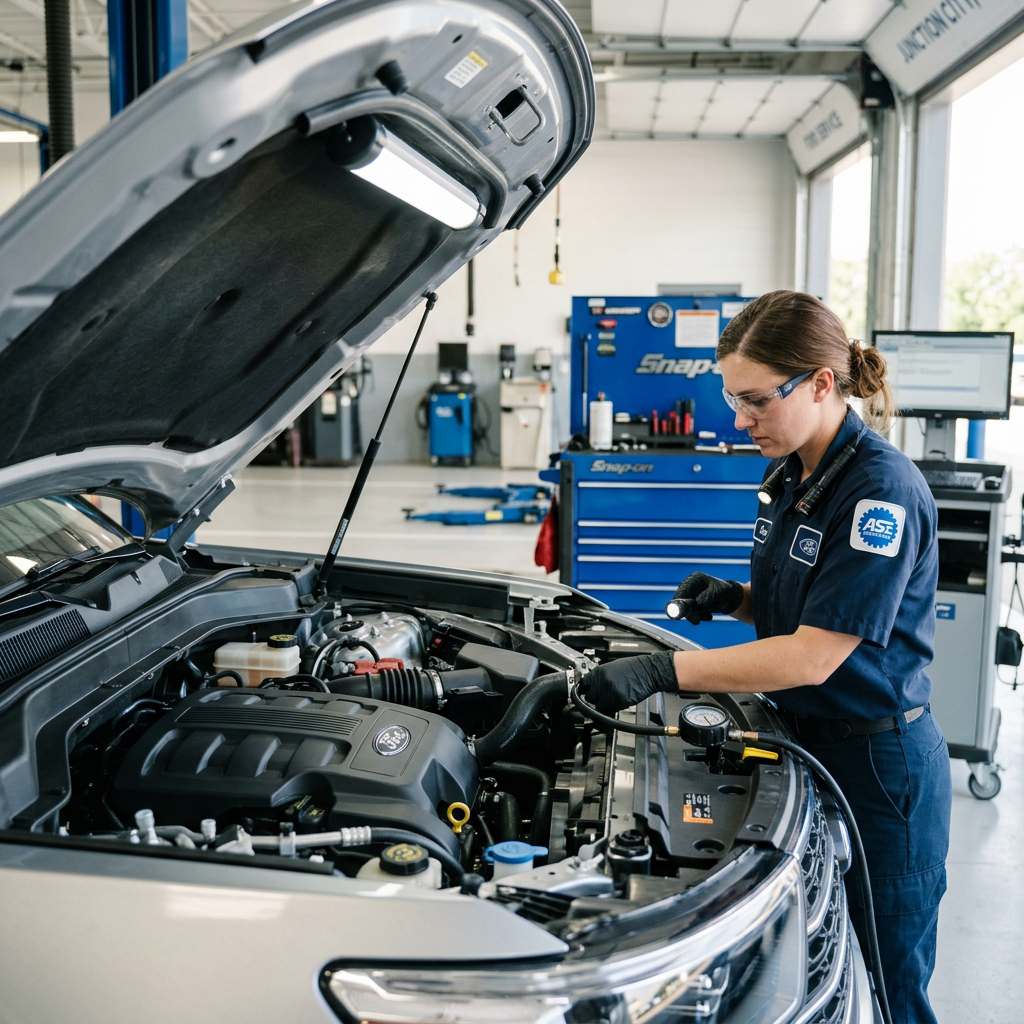
Protecting Your Engine: What Is the Average Price of a Synthetic Oil Change and Filter Replacement?
Engine motor oil is the literal lifeblood of your vehicle. It reduces friction, dissipates heat, and prevents harmful carbon deposits from building up within your engine’s internal components. For modern vehicles, synthetic oil has become the industry standard due to its superior performance and longevity compared to traditional conventional oil. However, many cost-conscious parents in Junction City want to understand the exact financial commitment involved in upgrading or maintaining their routine oil change schedule as school expenses mount.
|
Oil Type |
Average Local Price Range |
Recommended Interval |
Primary Practical Benefits |
|---|---|---|---|
|
Conventional Oil |
$45 – $65 |
3,000 – 5,000 Miles |
Basic lubrication, lower upfront cost, suitable for older engines. |
|
Synthetic Blend Oil |
$65 – $85 |
5,000 – 7,500 Miles |
Balanced protection, improved thermal stability, cost-effective intermediate option. |
|
Full Synthetic Oil |
$85 – $115 |
7,500 – 10,000 Miles |
Maximum wear protection, superior high-heat tolerance, optimized fuel economy. |
While the upfront cost of a full synthetic oil change may seem higher than a conventional oil change, the long-term value is undeniable. Full synthetic lubricants are engineered to resist thermal breakdown far more effectively than conventional options. This means they maintain their viscosity under extreme temperatures and do not degrade into harmful sludge. For Junction City families navigating stop-and-go school traffic and short, repetitive trips, synthetic oil offers unmatched protection against engine wear during critical startup sequences.
Furthermore, synthetic oil reduces internal engine drag, which translates directly to subtle but meaningful improvements in fuel economy. Over a school year of commuting, these fuel savings can easily offset the additional cost of the service. At Valor Ford, we frequently offer service specials and coupons to help our local families save even more on routine maintenance. Our service department is fully stocked with high-quality Motorcraft synthetic lubricants and OEM-spec oil filters designed specifically to keep your Ford running at peak efficiency.
The Daily Commute: How Does All-Wheel Drive Impact Fuel Efficiency Compared to Front-Wheel Drive?
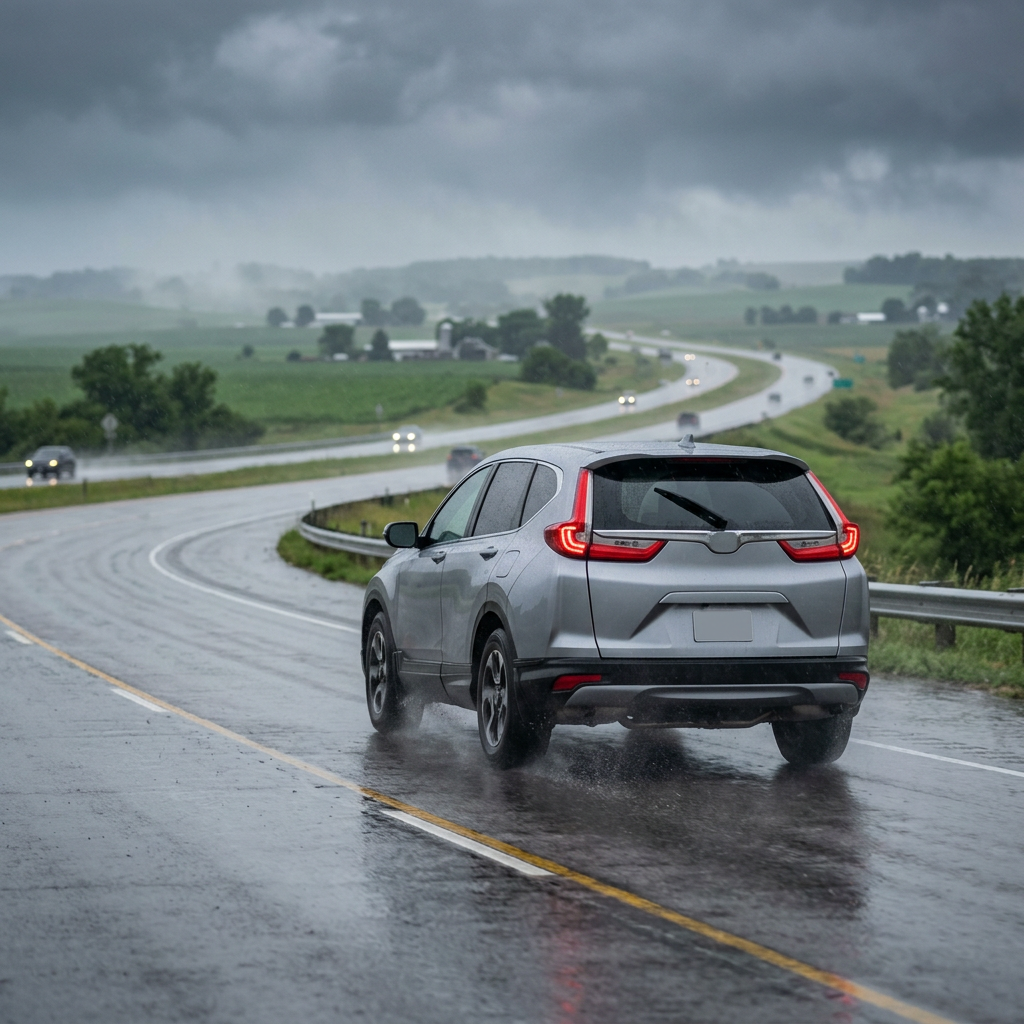
If you are considering upgrading your family vehicle to better handle the changing Kansas seasons, you can Browse Used Inventory at Valor Ford to compare FWD and AWD models. Our team can help you analyze the long-term fuel costs versus the immediate safety benefits of each drivetrain to find the perfect fit for your household’s unique driving route.
Schedule Your Pre-School Inspection at Valor Ford
The school year wait for no one, and the final weeks of August are always filled with last-minute errands. Don’t let your car’s safety be something you push off until a warning light flashes on your dashboard. Booking a preventative maintenance inspection today ensures that your vehicle is fully vetted and approved for the busy roads ahead. Our seamless online scheduling tool allows you to secure an appointment that perfectly matches your family’s hectic calendar, and our service team is standing by to get you back on the road quickly and safely.
Car Seat Safety 101: What Is the Weight and Age Cutoff for Transitioning from a Harness to a Booster Seat?

Checking the Label: When Do Child Safety Seats Expire and How Do You Find the Expiration Date?
Why Credentials Matter: What Does ASE Certification Mean for an Automotive Technician?
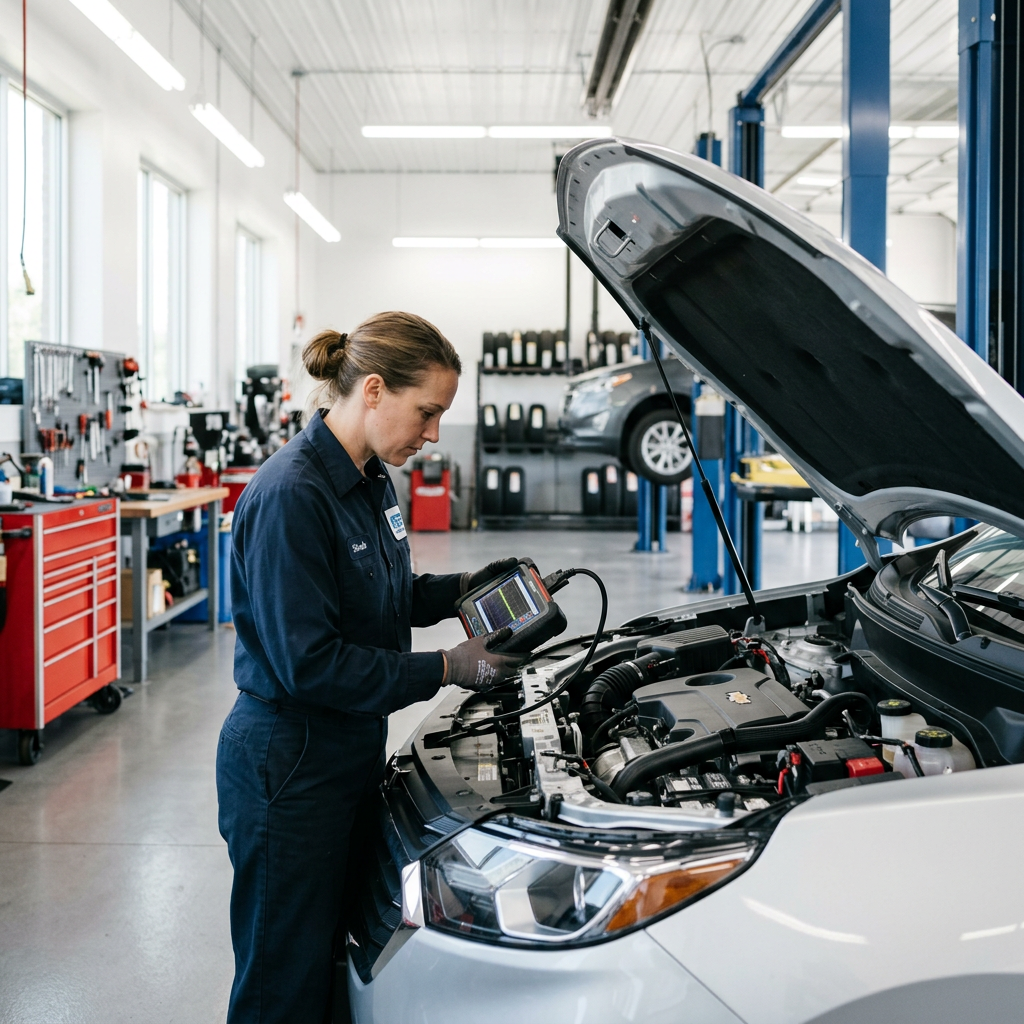
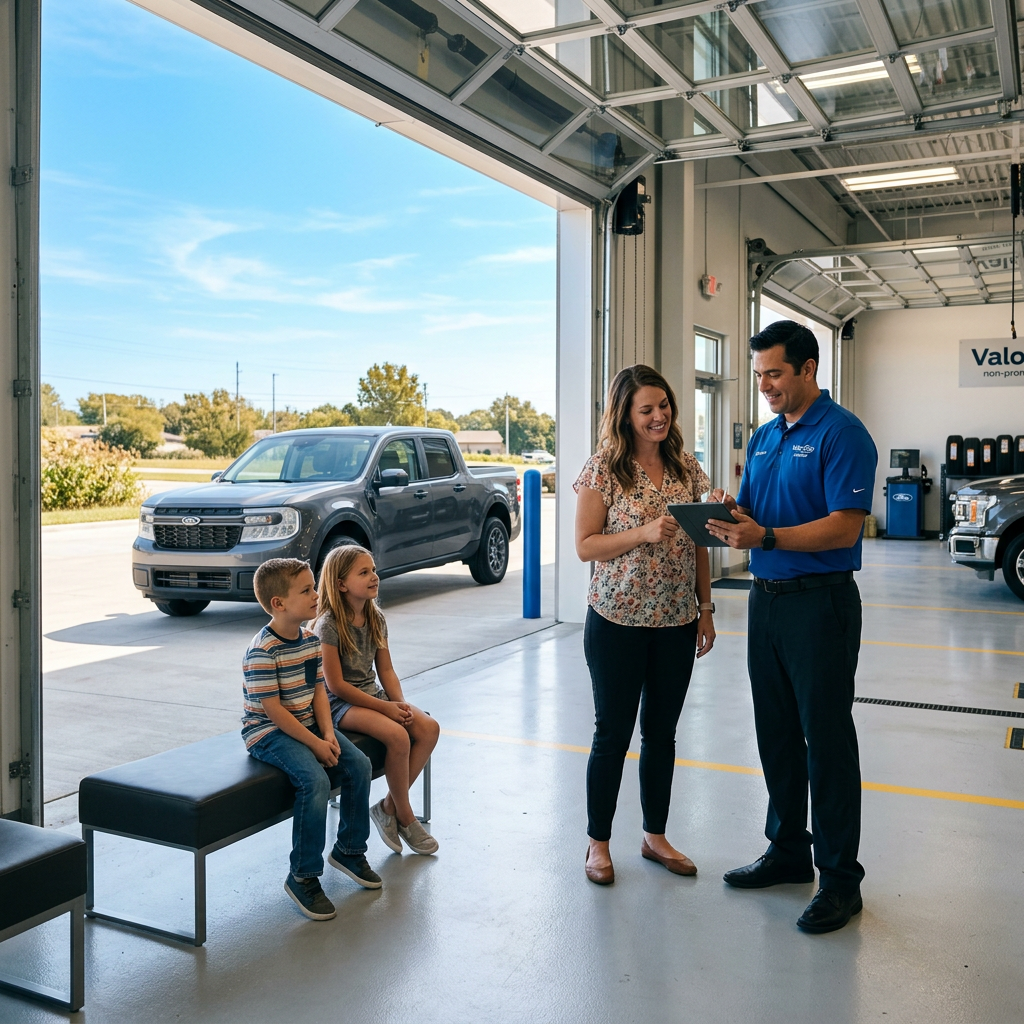
At Valor Ford, we take incredible pride in our service team. Our service department is staffed by factory-trained, ASE-certified professionals who possess deep, specialized knowledge of Ford vehicles and all other major makes and models. When you choose us for your back-to-school service, you aren’t just getting a quick oil change—you are receiving elite mechanical service from certified professionals who understand exactly how to optimize your vehicle for safety and reliability. You can easily Schedule Pickup and Delivery Service to have our certified team handle your maintenance without interrupting your busy workday.
Upgrade Your Family Ride: Explore Safe and Spacious Vehicles in Junction City
Sometimes, regular maintenance is no longer the most cost-effective or safest path forward. If your current vehicle is struggling to keep pace with your family’s growing list of activities, or if you find yourself facing frequent, expensive repairs, it may be time to consider upgrading to a modern, safety-focused vehicle. A newer SUV or crossover offers advanced active safety features like blind-spot monitoring, pre-collision assist, and lane-keeping alerts that simply weren’t available a decade ago, providing a vital extra layer of protection during busy school commutes.

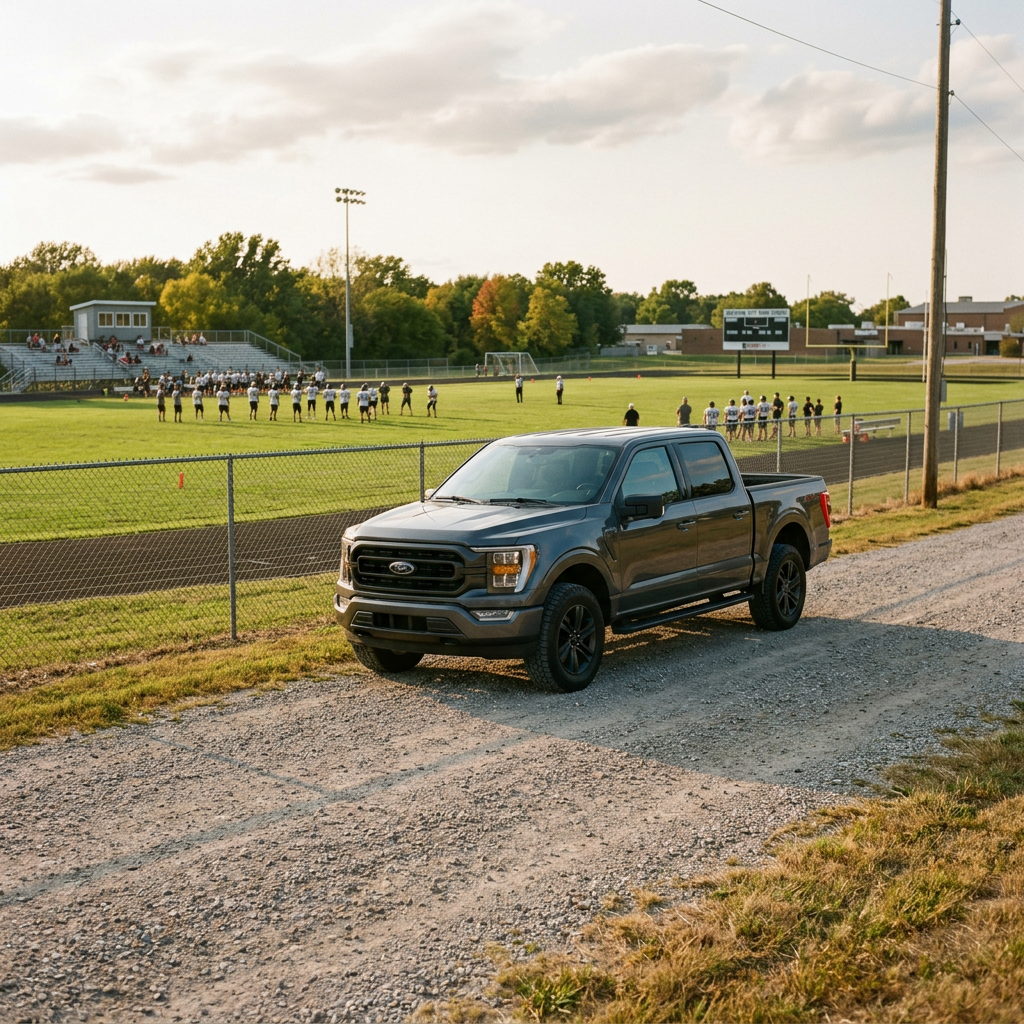
Ready to explore your options? We make it simple to evaluate your next move. Get started online with a quick Trade In Evaluation of your current vehicle, or begin the process of upgrading by applying to Apply for Financing right from the comfort of your home.
August Car Care Planning Guide for Geary County Parents
To make your back-to-school vehicle prep as seamless as possible, we have mapped out a simple, chronological timeline for August. Breaking these tasks down week-by-week ensures you don’t find yourself overwhelmed during the final countdown to the first day of school.
|
Timeline |
Key Tasks & Focus Areas |
Why It Matters Now |
|---|---|---|
|
Week 1: Early August |
Schedule professional safety inspections, battery tests, and brake checks at Valor Ford. |
Ensures you beat the late-August rush and can order any necessary replacement parts without delay. |
|
Week 2: Mid-August |
Inspect child safety seats, check expiration dates, and adjust harness strap heights for growing kids. |
Gives you time to research and purchase new safety seats if your current ones are expired or outgrown. |
|
Week 3: Late Mid-August |
Perform fluid checks (coolant, oil, windshield washer fluid) and schedule synthetic oil changes. |
Prepares the engine mechanicals for the high thermal stress of stop-and-go school idling lanes. |
|
Week 4: Late August |
Deep clean the vehicle interior, organize emergency road kits, and complete final tire pressure adjustments. |
Sets a clean, organized, and stress-free environment for the first morning commute of the new school year. |
By adhering to this structured timeline, you can transform a potentially stressful chore into an organized, manageable routine. If you need any assistance along the way, remember that you can easily Order Genuine Ford Parts directly through our website to keep your vehicle’s maintenance right on track.
Secure Your Peace of Mind: Visit Valor Ford for Your Back-to-School Service
Connect with us


- Agricultural Fleet Service
- Agricultural Vehicle Maintenance
- Automotive Recalls & Repairs
- Buying Guides
- Commercial Truck Financing
- Diesel Engine Maintenance
- Farm & Ranch Equipment Reviews
- Financing & Insurance
- Heavy-Duty Truck Care
- Heavy-Duty Truck Guides
- Junction City
- Junction City
- KS Community
- KS Community
- Maintenance & Service
- Manhattan Ford Dealer
- Manhattan Ford Service
- Manhattan Used Cars
- Model Comparisons
- New Vehicle Reviews
- Parts & Repairs
- Preventative Vehicle Inspections
- Repair & Parts
- Safety Features
- Seasonal Vehicle Care
- Technology & Innovation
- Technology & Innovation in Truck Service
- Towing & Trailer Technology
- Uncategorized
- Used Vehicle Guides
- Valor Ford
- Valor Ford Models
- Valor Ford Service
- Vehicle Ownership Tips