How Much Does a Used Ford Pinto Project Car Cost?
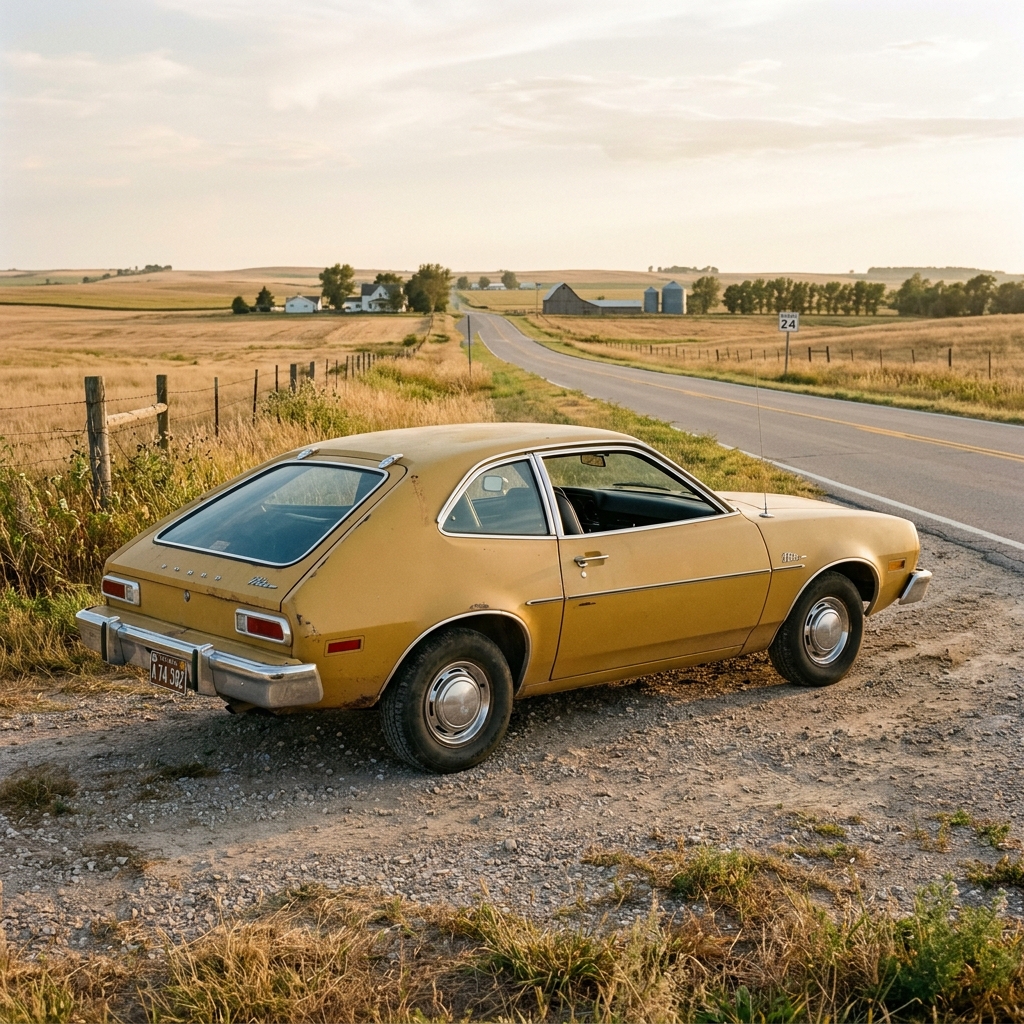
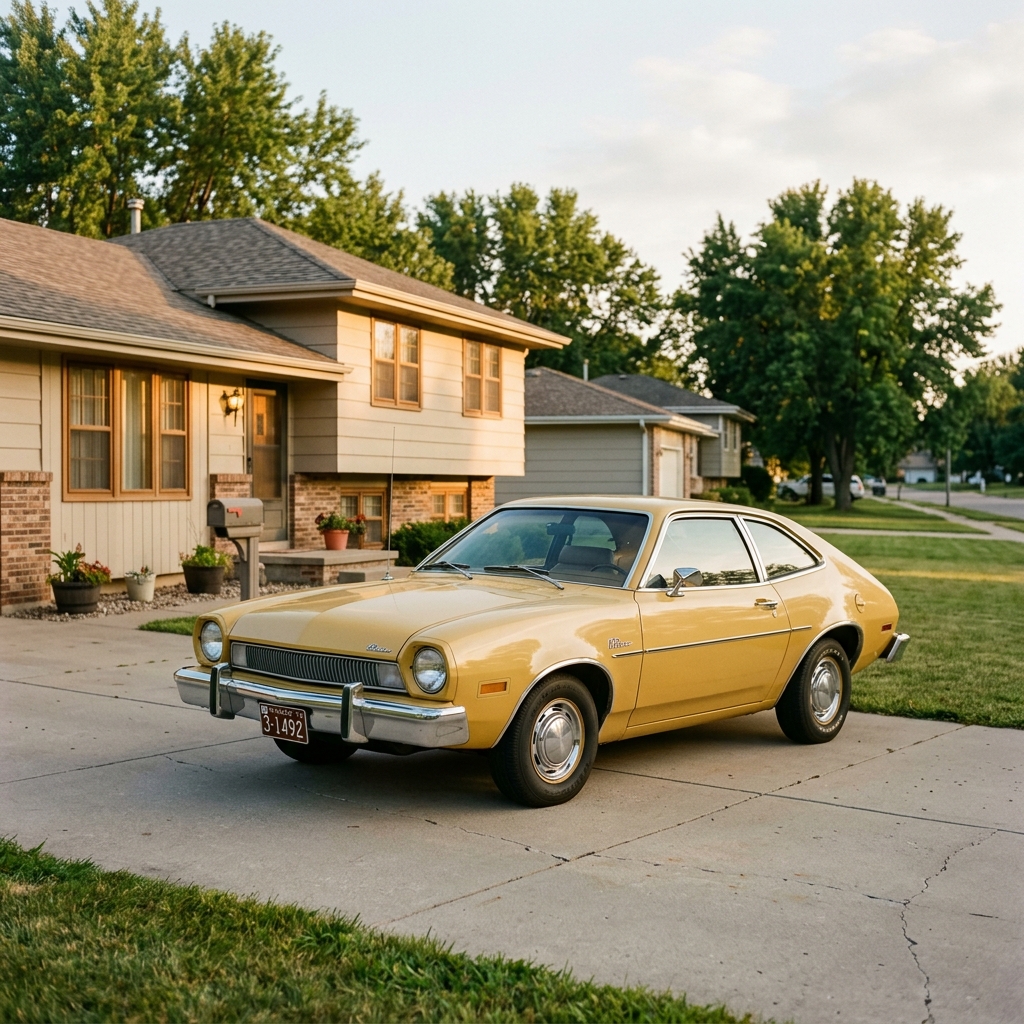
If you are contemplating embarking on a classic 1970s automotive restoration, the iconic Ford Pinto offers one of the most accessible and affordable entry points into the vintage car hobby today. Depending on condition, rarity, location, and mechanical completeness, a used Ford Pinto project car typically costs anywhere from contact the dealership for current pricing.
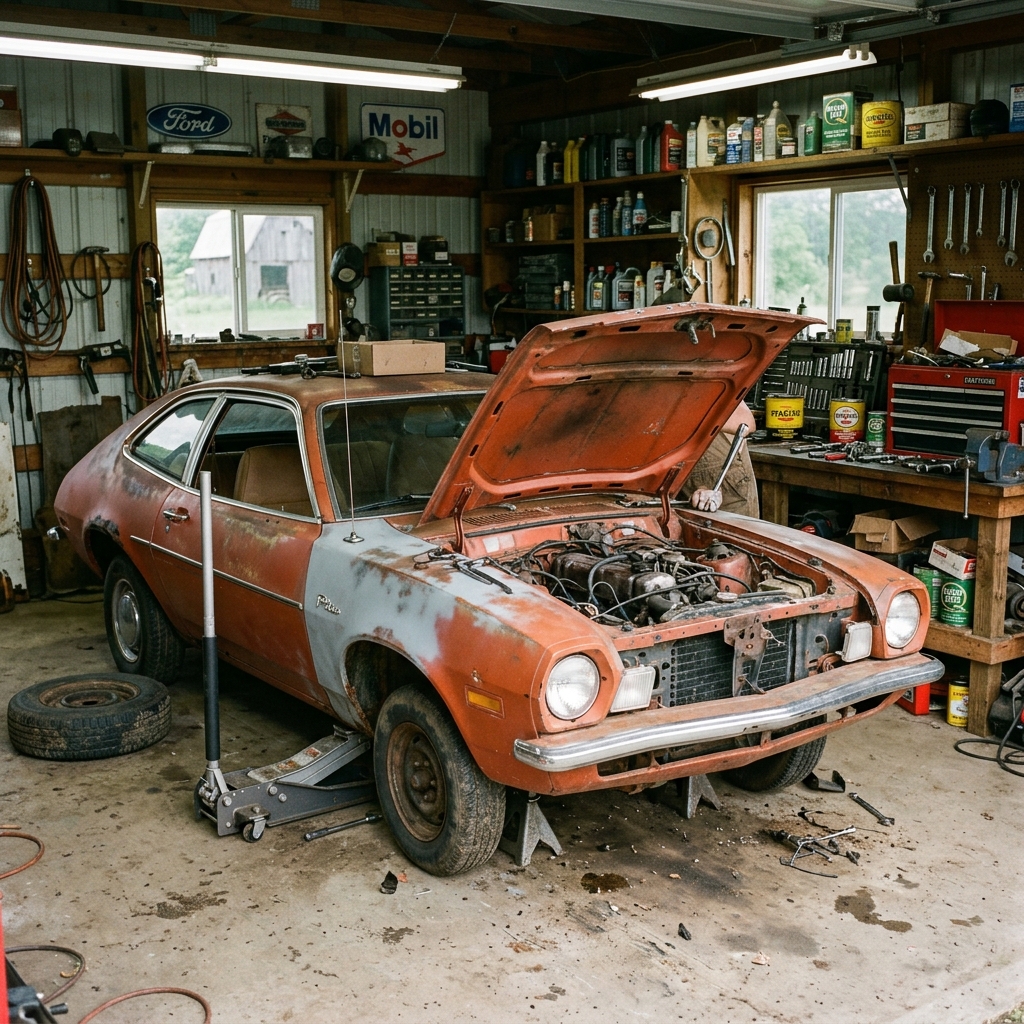
To break down expected entry costs quickly: non-running barn finds or heavy rust project candidates generally trade between $1,200 and $2,500. Complete, rolling, restorable project candidates with intact trim and solid frames cost between $3,000 and $6,000. Meanwhile, turnkey vintage drivers, modified V8 swaps, or fully restored high-grade Pinto models command $7,500 to $12,000+ in today’s active collector market.
Here at Valor Ford in Junction City, KS, we regularly assist local automotive hobbyists across Geary and Dickinson counties who are evaluating vintage Ford projects or looking to transition into modern power. Before diving headfirst into a purchase, evaluating acquisition tier pricing against expected safety and sheet metal restoration costs will ensure your project stays on budget and yields an incredible retro ride. You can also explore our Browse Used Inventory for modern, turnkey transportation while working on your dream project.
What Is the Ford Pinto and Why Is It Historically Significant?
Introduced for the 1971 model year, the Ford Pinto was Dearborn’s direct response to rising foreign subcompact imports like the Volkswagen Beetle, Toyota Corolla, and Datsun 510, as well as impending 1970s fuel crises. Spearheaded by Ford President Lee Iacocca, the Pinto was developed under a strict engineering directive: build a subcompact automobile weighing under 2,000 pounds that retailed for under $2,000. Despite an aggressive 25-month design cycle, the Pinto became a massive commercial triumph for Ford Motor Company. Over its 10-year production run from 1971 through 1980, Ford produced and sold more than 3 million Pintos, solidifying its place as one of the defining American subcompacts of the decade.
Historically, the Pinto is also famous for the safety controversies surrounding its rear fuel tank placement in high-speed rear-end collisions. The subsequent legal cases and federal safety standards reshaping fuel system crash integrity changed automotive product liability and vehicle engineering standards worldwide.
What Years Was the Ford Pinto Made and What Were Its Basic Specs?
1971–1974 Models
Early Pintos offered European-derived powertrains including the 1.6L British Kent inline-four and the legendary 2.0L German EA827 OHC four-cylinder. Known for lightweight unibody agility, initial curb weights started around 2,015 lbs.
1975–1980 Models
Mid and late-run Pintos introduced the bulletproof American-built 2.3L Lima OHC four-cylinder as well as an optional 2.8L Cologne V6. Heavier 5-mph impact bumpers increased total curb weight to approximately 2,400–2,550 lbs.
Gearbox & Axles
Factory transmission choices featured sturdy 4-speed manual gearboxes (German Type 3 or Ford RAD) alongside optional 3-speed Ford C3 automatics driving a rear live axle with leaf springs.
|
Engine Option
|
Production Years
|
Horsepower Output
|
Torque Rating
|
|
1.6L Kent I4
|
1971–1973
|
54–75 hp
|
91 lb-ft
|
|
2.0L EA827 OHC I4
|
1971–1974
|
86–100 hp
|
110 lb-ft
|
|
2.3L Lima OHC I4
|
1974–1980
|
83–88 hp
|
118 lb-ft
|
|
2.8L Cologne V6
|
1975–1979
|
97–103 hp
|
143 lb-ft
|
What Body Styles Did the Ford Pinto Come In?
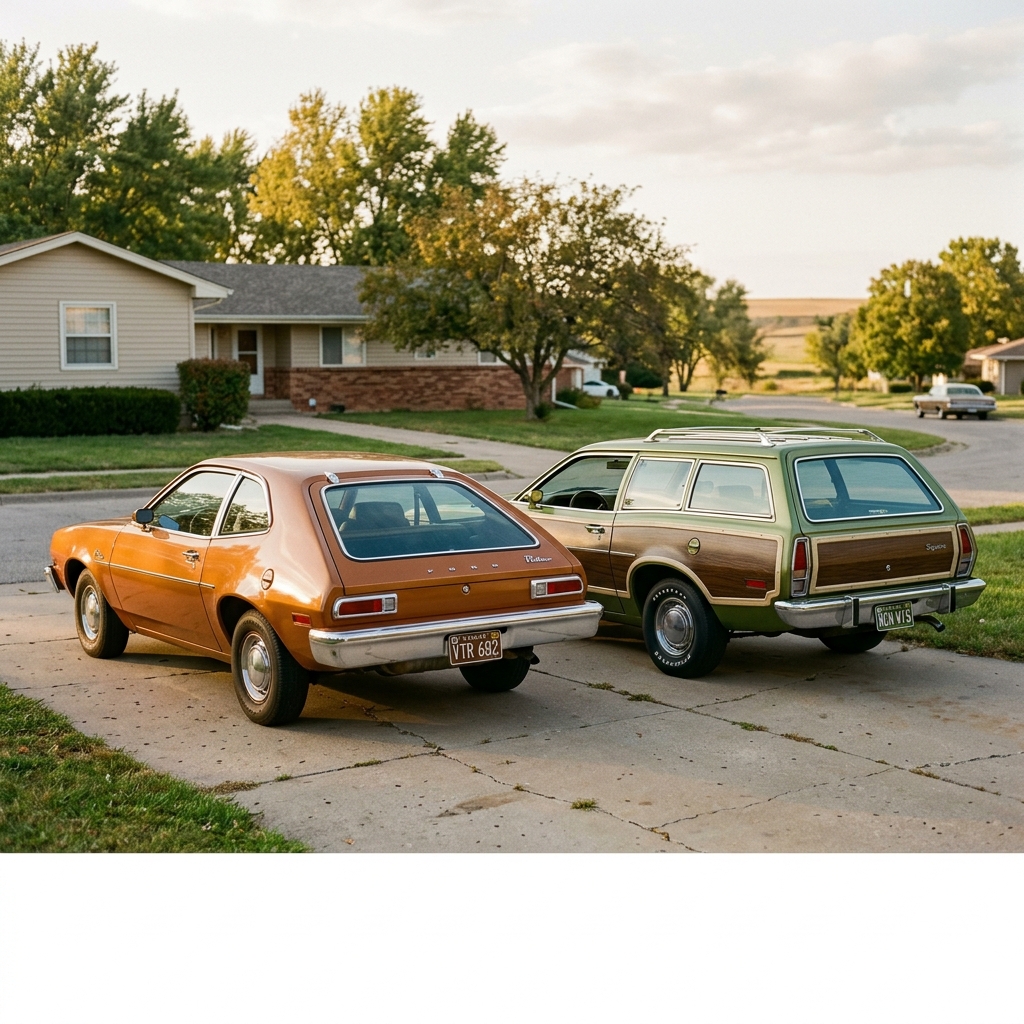
The Ford Pinto was manufactured across four primary body style configurations, each commanding distinct price points and desirability levels on today’s vintage market:
1. 2-Door Notchback Sedan: The base original trunked model built from 1971 to 1980. Often the most affordable starting point for project builders. 2. 3-Door Runabout Hatchback: Introduced mid-1971 with a flip-up rear glass hatch, establishing itself as the quintessential Pinto body style. 3. 2-Door Station Wagon: Launched in 1972 featuring enhanced interior cargo space, flip-down rear seats, and optional simulated woodgrain exterior paneling. 4. Cruising Wagon: A highly collectible factory option package (1977–1980) based on the wagon, styled like a MINI conversion van with round bubble porthole side glass and vibrant multi-tone graphic striping.
Pinto Project Car Pricing Breakdown by Condition Level
Tier 1: Barn Finds / Parts Cars
contact the dealership for current pricing
Non-running vehicles sitting in pastures or barns for decades. Severe structural floor rust, missing trim, locked engines, or missing titles. Best suited as parts donors or heavy custom hot rod fabrications.
Tier 2: Rolling Projects
contact the dealership for current pricing
Solid unibody frame structure with minimal rust-through. Mechanics turn over or run roughly from a gas can. Complete body glass and trim intact. The ideal sweet spot for home mechanics.
Tier 3: Vintage Drivers & Restomods
contact the dealership for current pricing
Fully driveable vehicles with sorted mechanicals, updated safety upgrades, clean interiors, and good paint. Includes completed V8 302 swap builds or pristine survivor Cruising Wagons.
|
Condition Tier
|
Acquisition Price
|
Mechanical State
|
Body / Rust Status
|
Target Enthusiast
|
|
Tier 1: Barn Find / Parts Car
|
$800 – $1,800
|
Inoperable / Locked
|
Heavy Rust / Missing Parts
|
Fabricator / Parts Donor Buyer
|
|
Tier 2: Rolling Restorable
|
varies by condition
|
Needs Engine / Brake Overhaul
|
Solid Structural Unibody
|
DIY Hobby Restoration Enthusiast
|
|
Tier 3: Turnkey / Restomod
|
$6,000 – $9,500+
|
Fully Operational / Upgraded
|
Repainted / Rust-Free Classic
|
Weekend Cruiser / Car Show Buyer
|
What Should I Look For When Shopping for a Used Ford Pinto?
Inspecting a prospective Ford Pinto project car requires a keen eye for unibody integrity and component completeness. Because early 1970s subcompacts lacked extensive factory rustproofing, examine these critical areas:
• Unibody Structural Rust: Check floor pans, rocker panels, rear leaf spring shackle mounts, and front shock towers. Surface rust is manageable, but structural perforation requires expensive sheet metal patch welding. • Trim & Exterior Moldings: Reproduction exterior trim and hatchback glass seals can be difficult to source. Ensure side trim, bumpers, and factory badging are present. • Electrical Wiring Harness: Unmolested factory wiring makes restoration drastically simpler. Look out for amateur aftermarket radio splices or brittle 50-year-old insulation.
Critical Pinto Safety Upgrades and Essential Retrofit Costs
Before taking any vintage Ford Pinto out onto Kansas roads or cruising highway speeds, prioritizing modern safety retrofits is mandatory. The original factory fuel tank design sits behind the rear axle housing without substantial rear structural crossmember protection.
Key safety modifications and estimated retrofit costs include:
1. Polyethylene Fuel Cell or Tank Shielding (estimate only): Verify whether the 1978 factory recall plastic shield was installed. Installing a modern cell bladder or steel protective shield prevents differential housing bolts from puncturing the tank during a rear impact. 2. Dual-Reservoir Brake Master Cylinder & Front Disc Conversion (estimate only): Converting early four-wheel drum setups to power front disc brakes dramatically improves stopping distance. 3. Fuel Line & Frame Reinforcements (estimate only): Rerouting steel fuel lines outside potential crumple zones and reinforcing rear frame rails with steel tubing.
How Did the Ford Pinto Compare to the Chevrolet Vega in the 1970s?
Throughout the 1970s, the battle for domestic subcompact supremacy pitted the Ford Pinto directly against General Motors’ Chevrolet Vega. While both vehicles sold in huge numbers, their modern project car values reflect very different engineering choices:
• Engine Durability: Ford relied on cast-iron block engines (Kent, EA827, and 2.3L Lima). These cast-iron powerplants proved exceptionally durable and tolerant of heat. In contrast, the Vega’s unlined aluminum block engine was infamous for overheating, cylinder wall scoring, and premature failure. • Corrosion Resistance: While both cars rusted, the Pinto’s body architecture generally preserved chassis structural integrity longer than early Vega body panels. • Modern Project Value: Today, Pinto project cars are favored for low mechanical maintenance costs and easy engine bay swaps.
Estimating Total Restoration Costs for a Pinto Project Car
Body & Paint Work
$2,500 – $5,000
Sheet metal repair, rust patching, body sanding, primer sealing, and complete exterior paint respray.
Engine & Powertrain
varies by condition
2.3L Lima engine rebuild, carburetor tuning, cooling system replacement, or a custom Ford 302 Small Block V8 swap.
Interior & Chassis
varies by condition
Vinyl upholstery replacement, carpet kit, shock absorbers, suspension bushings, front brake disc swap, and vintage tire sets.
|
Restoration Expense Item
|
Budget DIY Estimate
|
Professional Shop Estimate
|
|
Initial Vehicle Acquisition
|
$2,500
|
$4,500
|
|
Engine Rebuild / Swapping
|
$1,200
|
$3,500
|
|
Body Repair & Paint Finish
|
$1,500
|
$4,500
|
|
Interior Trim & Upholstery
|
$600
|
$1,800
|
|
Brakes, Suspension & Tires
|
$800
|
$2,000
|
|
Total Project Investment
|
varies
|
varies
|
How Should I Use a Ford Pinto After Safety Upgrades Are Done?
Once safety retrofits and mechanical refreshing are complete, a Ford Pinto becomes a delightful and versatile vintage vehicle. Enthusiasts across Junction City, Fort Riley, and central Kansas enjoy Pintos in several exciting ways:
• Weekend Cruising & Local Car Shows: Turn heads at regional classic car meets around Geary County with a pristine original Runabout or Cruising Wagon. • Fuel-Efficient Vintage Commuter: With its lightweight chassis and thrifty 2.3L four-cylinder, a sorted Pinto can achieve 25–30 MPG on highway drives. • Retro Drag Racing Build: Thanks to its compact wheel base and light weight, the Pinto is a legendary platform for Ford 302 V8 drag strip conversions.
Whether taking weekend drives out to Milford Lake or displaying your completed build at community automotive events, a restored Pinto offers incredible nostalgia and mechanical charm per dollar invested.
Sourcing Ford Pinto Parts and Trade-In Options in Dickinson County
One of the greatest advantages of choosing a Ford Pinto project car is parts interchangeability. Many critical drivetrain components, front rack-and-pinion steering parts, and ignition hardware shared designs with the Mustang II and early Ford Ranger pickup trucks.
Finding engine gaskets, water pumps, starter motors, and brake hardware is simple through OEM and aftermarket suppliers. If you need assistance sourcing components or evaluating mechanical hardware, Get Directions to Valor Ford in Junction City.
Many local project builders fund their classic restoration builds by trading in an existing daily driver. By utilizing our available Trade In Evaluation process at Valor Ford, you can unlock built-up equity from your current vehicle to cover acquisition, paint, or performance upgrades on your classic Pinto project.
Ready to Start Your Project Car Journey with Valor Ford?
Whether you are hunting for a vintage 1970s Ford Pinto hatchback, sourcing parts for an ongoing build, or considering a modern daily driver like a new Ford Bronco or Ford Mustang, Valor Ford is your premier Kansas automotive partner.
Tags: 1970s Subcompact Cars, Affordable Classic Cars, Classic Car Restoration, Ford Pinto, Ford Pinto Parts, Ford Pinto Project Costs, Ford Pinto Restoration, Pinto Project Car, Pinto Safety Upgrades, Used Ford Pinto, Vintage Cars, Vintage Ford Cars
Posted in
Automotive Parts & Accessories, Automotive Repair, Buying Guides, Classic Car Restoration, Maintenance & Service, Used Vehicle Guides |
No Comments »