

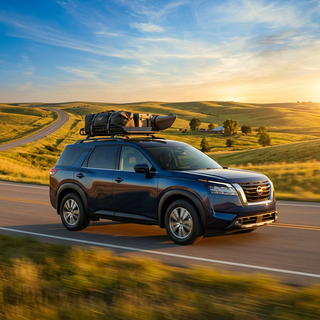
Preparing Your Ford for Long Summer Road Trips
Preparing a vehicle for extended travel requires a systematic look at how seasonal temperature changes affect mechanical components. High ambient heat places immense thermal stress on your engine, transmission, and electrical systems. When a vehicle is packed with luggage and passengers, these systems operate under a much higher load than they do during a standard daily commute. Routine preventative maintenance is the most effective way to protect your vehicle’s longevity and ensure a trouble-free journey.
According to the Ford Owner’s Manual, essential pre-trip maintenance must include checking the engine oil level, tire wear and pressure, windshield washer fluid level, and the operation of all interior and exterior lights. Neglecting these basic areas can lead to reduced efficiency or unexpected mechanical issues on the highway. For families preparing for a getaway, matching your vehicle’s service history to your upcoming travel demands is a practical necessity.
Our service team frequently works with owners of the 2026 Ford Explorer, a three-row SUV designed for family travel. When fully loaded, the Explorer utilizes its 10-speed automatic transmission and 300 hp 2.3L EcoBoost engine to maintain highway speeds. This increased workload highlights why a pre-trip inspection is so critical. Whether you are driving a compact SUV like the 2026 Ford Maverick, a sports coupe like the 2026 Ford Mustang, or a heavy-duty truck such as the 2026 Ford F-250, verifying mechanical integrity is the key to a successful journey.
If you are unsure of your vehicle’s service history or want to verify its readiness for hot-weather travel, you can give our service department a quick call to speak with an advisor. For drivers who prefer an in-person consultation, our specialized technicians at our Junction City service center can walk you through a customized maintenance plan tailored to your specific Ford model.
Table of Contents
- Essential Fluids and Coolant Flush Intervals for Summer Heat
- The Dangers of Underinflated Tires in Extreme Summer Heat
- Why Newer Ford Batteries Require Testing Before Hot Weather Travel
- Brake Pad Lifespans and Oil Service Changes Under Severe Towing Loads
- Combining Scheduled Maintenance with a Pre-Trip Inspection
- Quick Answers About Summer Ford Maintenance and Service
- Ensure a Safe Journey with Certified Ford Service
Essential Fluids and Coolant Flush Intervals for Summer Heat
How often do you check the fluid levels under your hood? During hot weather, your engine relies on a network of chemical fluids to lubricate moving parts, transfer hydraulic pressure, and dissipate extreme heat. The most critical of these systems is the engine cooling loop. Ford advises checking the cooling system fluid level and coolant concentration (which provides vital boil-over and freeze-point protection) at least every six months.
For most modern Ford vehicles, the manufacturer recommends performing the first engine coolant flush and replacement at 6 years or 100,000 miles, followed by subsequent flushes every 3 years or 50,000 miles. Over time, engine coolant loses its chemical inhibitors, which can lead to internal corrosion, scale buildup, and a reduced ability to transfer heat. If you notice your dashboard temperature gauge rising above its normal midpoint, or if you are constantly topping off your reservoir, a professional inspection is required to check for small leaks in the radiator, water pump, or hoses.
Beyond the cooling system, several other fluids require close attention before a long drive:
- Engine Oil: High temperatures cause oil to thin out more rapidly, reducing its lubricating film strength.
- Brake Fluid: This hydraulic fluid is hygroscopic, meaning it absorbs moisture over time, which lowers its boiling point and can cause a spongy pedal feel under heavy braking.
- Windshield Washer Fluid: Summer driving involves insect splatter, pollen, and road dust that require a full reservoir of specialized summer wash formula.
If your vehicle requires a fresh air filter, a new radiator cap, or specific fluid types, you can easily order genuine Ford parts directly through our website. Using OEM-specified fluids ensures complete compatibility with your engine’s internal alloys and seals, protecting your warranty and vehicle performance.
The Dangers of Underinflated Tires in Extreme Summer Heat
Did you know that tire-related issues are among the leading causes of highway breakdowns during the summer months? According to data from the National Highway Traffic Safety Administration (NHTSA), 511 people died in tire-related crashes in 2024. Many of these incidents could have been prevented through basic maintenance, such as maintaining proper inflation pressures and monitoring tread wear.
When a tire is underinflated, its sidewalls flex excessively as it rotates. This constant flexing generates tremendous internal heat, which is compounded by high ambient temperatures and scorching asphalt. If the internal temperature of the tire rises too high, the rubber compounds and steel belts can begin to degrade, greatly increasing the risk of a sudden tread separation or blowout. Properly inflated tires not only improve safety and handling but can also extend the average life of a tire by up to 4,700 miles and improve fuel economy by up to 11 cents per gallon.
To keep your tires performing safely on hot highway pavement, follow these essential maintenance steps:
- Check Pressure Cold: Always measure tire pressure when the vehicle has been parked for at least three hours.
- Use the Door Placard: Set your tires to the recommended cold inflation pressure listed on the driver-side doorjamb, not the maximum pressure stamped on the tire sidewall.
- Inspect the Tread: Ensure your tires have at least 2/32 of an inch of tread depth, and check for cracks, bulges, or embedded objects.
- Tighten Lug Nuts: If your wheels have been disturbed during a tire rotation or flat repair, Ford specifies that wheel lug nuts must be tightened to 150 lb-ft of torque at 500 miles for single-rear-wheel vehicles.
If you need your tires rotated, balanced, or replaced before your next trip, you can schedule Ford service today to have our technicians inspect them. For ultimate convenience, you can also utilize our complimentary pickup and delivery service, allowing our team to collect, service, and return your vehicle directly to your home or office.
Why Newer Ford Batteries Require Testing Before Hot Weather Travel
Many drivers associate battery failures exclusively with freezing winter temperatures, but summer heat is actually a battery’s primary enemy. High under-hood temperatures accelerate internal chemical reactions, leading to rapid fluid evaporation and faster corrosion of the internal lead plates. For owners of newer 2024 and 2025 Ford models, a preventative battery test is a crucial step before embarking on a long summer road trip.
Modern Ford vehicles are equipped with highly sophisticated electrical architectures, supporting advanced driver-assist features, touchscreens, and continuous connectivity. These systems place a constant background demand on the 12-volt battery. While a battery might have just enough power to start your vehicle on a mild morning, the added strain of running the air conditioning system, cabin ventilation fans, and dual-zone climate controls in summer heat can quickly push a weak battery to its breaking point.
A professional battery load test measures the battery’s cold cranking amps (CCA) and internal resistance, identifying a failing battery before it leaves you stranded. During a routine battery service, technicians also clean any corrosion from the terminals and apply a protective sealant. This simple preventative measure ensures that your vehicle’s charging system operates efficiently, preventing unexpected starting issues when you are far from home.
Brake Pad Lifespans and Oil Service Changes Under Severe Towing Loads
Towing a camper, boat, or utility trailer completely changes the operating dynamics of your vehicle, especially when navigating rolling terrain or stop-and-go highway traffic. Under normal driving conditions, OEM Ford brake pads typically last between 30,000 and 70,000 miles. However, when towing heavy loads, the braking system must dissipate significantly more kinetic energy, generating extreme temperatures that can accelerate brake pad wear and lead to rotor warping.
Severe driving conditions also have a direct impact on your engine oil life. When towing or hauling heavy cargo in hot weather, the engine operates at higher RPMs and experiences increased internal temperatures. This thermal stress causes engine oil to break down and oxidize more rapidly, reducing its lubricating effectiveness. Under Ford’s special operating conditions guidelines, frequent towing or idling in hot weather may require reducing your oil change interval to a 3,000-to-5,000-mile schedule to protect vital internal engine components.
For drivers utilizing a highly capable truck like the 2026 Ford F-150, which offers a maximum towing capacity of 12,800 lbs, keeping a close eye on service intervals is vital. If your summer plans involve hauling heavy loads through Geary County, our technicians can inspect your brake pad thickness, measure rotor runout, and verify that your engine oil and transmission fluid are fresh and capable of handling the increased thermal load.
Combining Scheduled Maintenance with a Pre-Trip Inspection
Maximizing your time and service budget is easy when you align your regular maintenance schedule with a pre-trip vehicle inspection. Combining these services is highly efficient because our certified technicians already have your vehicle on a lift to perform routine tasks like oil changes and tire rotations. While the vehicle is raised, they can easily perform a comprehensive multi-point inspection of the undercarriage, suspension, and steering components.
During a combined service visit, a technician will inspect your vehicle’s serpentine belts, coolant hoses, and exhaust system for signs of wear or damage. They will also check the cabin air filter, which plays a critical role in keeping your air conditioning system blowing clean, dust-free air throughout the summer. This proactive approach allows you to address routine wear items and potential travel hazards in a single, convenient visit, giving you complete confidence in your vehicle’s reliability before you head out on the highway.
Quick Answers About Summer Ford Maintenance and Service
Q: What are the risks of driving on underinflated tires in hot weather?
Underinflated tires experience excessive sidewall flexing, which generates rapid internal heat buildup. In high summer temperatures, this heat can lead to tread separation, tire blowouts, compromised vehicle handling, and a significant drop in fuel efficiency.
Q: How often should I have my Ford’s engine coolant flushed?
Ford recommends performing the first engine coolant flush and replacement at 6 years or 100,000 miles. After the initial service, the coolant should be flushed and replaced every 3 years or 50,000 miles to maintain proper corrosion and boil-over protection.
Q: Why does towing a trailer shorten my oil change interval?
Towing increases the engine’s workload and operating temperatures, which causes engine oil to break down and lose its lubricating properties more quickly. Under these severe operating conditions, Ford recommends changing your oil every 3,000 to 5,000 miles.
Q: Can I get my battery tested if my 2024 Ford is starting fine?
Yes, a battery load test is highly recommended because summer heat accelerates internal corrosion and fluid evaporation. A professional test can identify a weak battery that is on the verge of failure before it leaves you stranded during a trip.
Q: What should I do if my vehicle’s engine begins to overheat?
If your temperature gauge rises, immediately turn off the air conditioning, turn on the heater to help pull heat away from the engine, and pull over safely. Never attempt to remove the radiator cap while the engine is hot, as pressurized steam can cause severe injury.
Ensure a Safe Journey with Certified Ford Service
Taking the time to perform essential maintenance before a long trip is the best investment you can make in your summer travel plans. From verifying your tire pressures to flushing your engine coolant, these simple steps ensure your vehicle is fully prepared to handle the unique demands of hot-weather driving.
At Valor Ford, our team of factory-trained technicians is here to help keep your vehicle performing at its best. Whether you are driving a newer model or maintaining a high-mileage vehicle that has been a reliable partner for years, we provide the specialized expertise and genuine parts your vehicle deserves.
If you are ready to schedule your pre-trip inspection and routine maintenance, please contact our service team at (785) 238-5114 to find an available time slot. For those driving through the area, you can also stop by our service department in Junction City to speak with our advisors and ensure your Ford is ready for the road ahead.
© 2026 Valor Ford. All rights reserved.
Connect with us


- Agricultural Fleet Service
- Agricultural Vehicle Maintenance
- Automotive Parts & Accessories
- Automotive Recalls & Repairs
- Automotive Repair
- Buying Guides
- Certified Pre-Owned Programs
- Classic Car Restoration
- Commercial Truck Financing
- Dealership Transparency
- Diesel Engine Care
- Diesel Engine Maintenance
- Family SUVs
- Farm & Ranch Equipment Reviews
- Financing & Incentives
- Financing & Insurance
- Genuine OEM Parts & Accessories
- Genuine Parts & Accessories
- Heavy-Duty Truck Care
- Heavy-Duty Truck Guides
- Heavy-Duty Truck Upkeep
- Hybrid & Electric Vehicles
- Junction City
- Junction City
- KS Community
- KS Community
- Maintenance & Service
- Manhattan Ford Dealer
- Manhattan Ford Service
- Manhattan Used Cars
- Military & Special Customer Programs
- Military & Student Moving Tips
- Model Comparisons
- New Vehicle Reviews
- New Vehicle Sales
- OEM Parts & Repairs
- Off-Road Packages & Accessories
- Parts & Repairs
- Performance & Powertrain
- Preventative Vehicle Inspections
- Repair & Parts
- Safety Features
- Seasonal Driving Tips
- Seasonal Vehicle Care
- Seasonal Vehicle Maintenance
- Service Tips & Guides
- Technology & Innovation
- Technology & Innovation in Truck Service
- Tire Care & Management
- Towing & Trailer Technology
- Trade-In & Negotiation Tips
- Trade-In & Pre-Approval Processes
- Uncategorized
- Used Vehicle Guides
- Valor Ford
- Valor Ford Models
- Valor Ford Service
- Vehicle Ownership Tips
- Vehicle Pricing Strategies
- Vehicle Repair & Parts
- Vehicle Sales
- Vehicle Trade-In Tips
- Vehicle Utility & Cargo Solutions